'%3E%3Cpath d='M16.3574 35.6519H12.9537L15.0491 18.8873L16.3574 35.6519ZM30.4229 54.0093L22.309 0.994385H7.91795L0 54.0093H10.6634L11.5802 46.3855H17.4014L17.9914 54.0093H30.4229Z' fill='%23971B20'/%3E%3Cpath d='M48.2073 41.8813C48.2073 43.4049 47.4892 44.0011 46.1144 44.0011H43.7595V11.0687H46.1144C47.4892 11.0687 48.2073 11.6636 48.2073 13.1885V41.8813ZM59.5273 43.6695V11.3326C59.5273 3.71323 53.5729 0.994385 47.8157 0.994385H31.7213V54.0093H47.8157C53.5729 54.0093 59.5273 51.29 59.5273 43.6695Z' fill='%23971B20'/%3E%3Cpath d='M90.183 0.994385H78.6039L75.0711 30.6157L71.9955 0.994385H59.4346L69.2474 54.0093H80.373L90.183 0.994385Z' fill='%23971B20'/%3E%3Cpath d='M107.063 42.3448C107.063 43.7359 105.951 44.5974 104.643 44.5974C103.269 44.5974 102.157 43.7359 102.157 42.3448V12.658C102.157 11.2676 103.269 10.4058 104.643 10.4058C105.951 10.4058 107.063 11.2676 107.063 12.658V42.3448ZM119.233 43.2723V11.7312C119.233 6.36384 112.952 -3.8147e-06 104.643 -3.8147e-06C96.2667 -3.8147e-06 89.9867 6.36384 89.9867 11.7312V43.2723C89.9867 48.6393 96.2667 55 104.643 55C112.952 55 119.233 48.6393 119.233 43.2723Z' fill='%23971B20'/%3E%3Cpath d='M150.976 43.9349V33.7309H139.069V42.3448C139.069 43.7359 137.957 44.5974 136.582 44.5974C135.076 44.5974 133.964 43.7359 133.964 42.3448V12.658C133.964 11.2676 135.076 10.4058 136.582 10.4058C137.957 10.4058 139.069 11.2676 139.069 12.658V21.2723H150.976V11.0687C150.976 5.70107 145.283 -3.8147e-06 136.582 -3.8147e-06C127.75 -3.8147e-06 121.796 5.70107 121.796 11.0687V43.9349C121.796 49.3022 127.75 55 136.582 55C145.283 55 150.976 49.3022 150.976 43.9349Z' fill='%23971B20'/%3E%3Cpath d='M167.478 35.6519H164.076L166.17 18.8873L167.478 35.6519ZM181.544 54.0093L173.432 0.994385H159.037L151.123 54.0093H161.785L162.704 46.3855H168.523L169.114 54.0093H181.544Z' fill='%23971B20'/%3E%3Cpath d='M205.412 10.4058V0.994385H177.081V10.4058H185.392V54.0093H197.428V10.4058H205.412Z' fill='%23971B20'/%3E%3Cpath d='M230.002 54.0093V43.9349H218.914V31.8746H226.635V21.8028H218.914V10.4058H230.002V0.994385H206.875V54.0093H230.002Z' fill='%23971B20'/%3E%3C/g%3E%3Cdefs%3E%3CclipPath id='clip0_260_7080'%3E%3Crect width='230' height='55' fill='white'/%3E%3C/clipPath%3E%3C/defs%3E%3C/svg%3E)

We come from different generations, different corners of the South, and different paths of resistance. But in one another, we found reflections of who we were — and who we’re still becoming. In that connection, we’re reminded of just how powerful it is to be seen, and how dangerous it can be when that visibility is denied.
Right now, across the country, over 600 anti-LGBTQ+ bills are being tracked — from bans on transgender healthcare to efforts to erase inclusive education in schools. These aren’t just political talking points; they’re policies that put lives at risk. A 2024 peer-reviewed study in Nature Human Behaviour from researchers at The Trevor Project found that anti-transgender state laws directly caused an increase in suicide attempts among transgender youth by up to 72%.
Affirmation isn’t a luxury; it’s a matter of survival. For Black LGBTQ+ youth, living as their authentic selves can come with real risks: rejection, isolation, even violence. That’s why possibility models matter. Seeing someone who shares your identity and has made it through – not just surviving, but thriving — can shift what feels possible. It reminds young people that their lives have value, that joy is attainable, and that they, too, can write their own story.
For Jaymes, growing up in Robstown, Texas — a small town known more for sports than social progress — meant being the “weird Black girl.” Jaymes found belonging in middle school goth circles, wearing clothes inspired by Judd Nelson’s trench-coated defiance in The Breakfast Club, and crushing on girls long before they had the language for it. But in a place like Robstown, being queer and visible came with a cost. When a love note to a girlfriend was discovered, Jaymes was outed, bullied relentlessly, and forced to drop out of school. That moment altered everything — setting them on a path of instability and homelessness, but eventually resilience.
For Quintessa, being raised between Virginia Beach and North Carolina meant navigating the world as a mixed-race child adopted by their white, red-haired single dad. Following their mother’s passing, they moved between households, including the one of their great-grandmother, who “othered” Black people who looked like Quintessa. The need to be loved — to belong – was constant. They became a chameleon, learning to shift shape in order to survive. Ironically, Quintessa would practice Judd Nelson’s iconic monologue in acting class, escaping into someone else’s pain – unknowingly echoing Jaymes' own early fascination with that same character. Acting became more than art; it became their way of saying, I need help.
We both knew what it felt like to live at the intersection of Blackness, queerness, and Southern upbringing — to feel invisible, even in rooms full of people. Music became a sanctuary. Jaymes found herself in the music of Depeche Mode and Luther Vandross; Quintessa in Erykah Badu and Bob Dylan. We watched The Breakfast Club not just for entertainment, but as a mirror — seeing parts of ourselves in the outcasts, the dreamers, the wounded.
Our journeys of queerness are nonlinear, like most are. Jaymes didn’t fully step into their nonbinary identity until they were 48. Quintessa is still defining what being trans means to them, beyond the narrow binaries the world demands. These evolutions are less about arriving somewhere and more about finally having the space to exhale — to breathe.
For Jaymes, that shift came after decades in corporate America, where queerness was silenced and gender diversity wasn’t even a conversation. It wasn’t until joining the nonprofit world — surrounded by a beautiful, expansive queer community — that Jaymes allowed themselves to say the name they’d whispered for years: Jaymes Black. A name they wore on a bracelet under suits. A name they now live by.
For Quintessa, it was a bus ride through West Hollywood, seeing two men holding hands for the first time. It was queer clubs in New York, learning about Judith Butler in a college course on gender studies, a best friend named Angel who helped them see transness not as theory, but as living, breathing possibility. And still, the entertainment industry often demands clarity and simplicity — a gender that fits neatly on a call sheet. So Quintessa holds space for who they are now, while also imagining the person they might one day become: their higher self, their “him.”
We’ve both come to understand that identity isn’t a fixed point; it’s a spectrum, a layering of truths. We’re often told to choose: gay or straight, man or woman. But we are all of it. And in a world that still seeks to erase trans and nonbinary people, especially Black ones, that fullness is revolutionary.
According to The Trevor Project’s research, more than one in five (21%) Black transgender, nonbinary, or questioning young people attempted suicide in the past year. Even more (83%) experienced at least one form of discrimination related to their race, sexual orientation, or gender identity. The numbers are devastating, but they are not abstract. These are our youth — our past selves.
At The Trevor Project, where Jaymes serves as CEO, we hear from LGBTQ+ youth every day who are afraid: afraid to come out, afraid to live authentically, afraid to hope. The violence and legislation targeting our community is relentless. But so is our resolve. Our visibility is an act of resistance. Our joy, a form of protest.
Trans joy, for us, is not about ignoring the darkness. It’s about making a home within the light. It’s Jaymes' father, who once couldn’t accept them, now calling them by their chosen name. It’s Jaymes’ twin boys fighting over a popsicle in the living room. It’s us, right now, having these conversations — cross-generational, unapologetic, and alive.
What kept surfacing between us was the power of possibility models: people who show you it’s okay to exist as your full self. We are those models now. Not because we have it all figured out, but because we’re still here — still evolving, still dreaming.
What young people need isn’t more silence or shame; they need affirmation. They need to know that who they are is not just acceptable, but beautiful. They need to see people who have walked similar paths and are still standing, still dreaming. Possibility models are not just role models; they are lifelines. They offer a glimpse into a future where Black LGBTQ+ youth define themselves on their own terms. When we affirm these young people, we don’t just show them what’s possible; we help them stay alive long enough to get there.
We talk about legacy like it’s something we leave behind. But legacy is also how we choose to live in this moment — how we show up, speak out, and make space. Every conversation like this is a ripple forward. Every story told is a seed planted that we may never live to see bloom.
There are little Jaymeses and little Quintessas out there right now — feeling strange, isolated, misunderstood. We want them to know: You’re not broken; you’re not alone. Life might not be a John Hughes movie, but we promise, no one will forget about you.
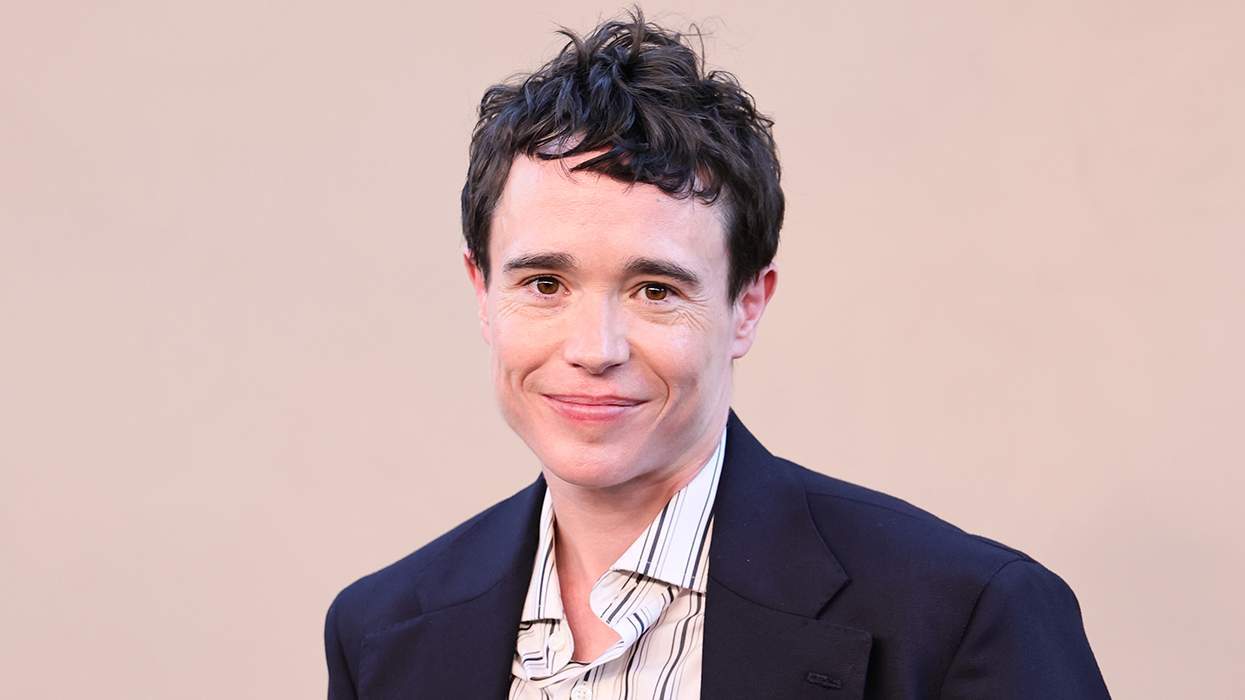
Jaymes Black is the CEO of The Trevor Project, and Quintessa Swindell is an actor and activist.
Voices is dedicated to featuring a wide range of inspiring personal stories and impactful opinions from the LGBTQ+ and Allied community. Visit Advocate.com/submit to learn more about submission guidelines. We welcome your thoughts and feedback on any of our stories. Email us at voices@equalpride.com. Views expressed in Voices stories are those of the guest writers, columnists and editors, and do not directly represent the views of The Advocate or our parent company, equalpride.