'%3E%3Cpath d='M16.3574 35.6519H12.9537L15.0491 18.8873L16.3574 35.6519ZM30.4229 54.0093L22.309 0.994385H7.91795L0 54.0093H10.6634L11.5802 46.3855H17.4014L17.9914 54.0093H30.4229Z' fill='%23971B20'/%3E%3Cpath d='M48.2073 41.8813C48.2073 43.4049 47.4892 44.0011 46.1144 44.0011H43.7595V11.0687H46.1144C47.4892 11.0687 48.2073 11.6636 48.2073 13.1885V41.8813ZM59.5273 43.6695V11.3326C59.5273 3.71323 53.5729 0.994385 47.8157 0.994385H31.7213V54.0093H47.8157C53.5729 54.0093 59.5273 51.29 59.5273 43.6695Z' fill='%23971B20'/%3E%3Cpath d='M90.183 0.994385H78.6039L75.0711 30.6157L71.9955 0.994385H59.4346L69.2474 54.0093H80.373L90.183 0.994385Z' fill='%23971B20'/%3E%3Cpath d='M107.063 42.3448C107.063 43.7359 105.951 44.5974 104.643 44.5974C103.269 44.5974 102.157 43.7359 102.157 42.3448V12.658C102.157 11.2676 103.269 10.4058 104.643 10.4058C105.951 10.4058 107.063 11.2676 107.063 12.658V42.3448ZM119.233 43.2723V11.7312C119.233 6.36384 112.952 -3.8147e-06 104.643 -3.8147e-06C96.2667 -3.8147e-06 89.9867 6.36384 89.9867 11.7312V43.2723C89.9867 48.6393 96.2667 55 104.643 55C112.952 55 119.233 48.6393 119.233 43.2723Z' fill='%23971B20'/%3E%3Cpath d='M150.976 43.9349V33.7309H139.069V42.3448C139.069 43.7359 137.957 44.5974 136.582 44.5974C135.076 44.5974 133.964 43.7359 133.964 42.3448V12.658C133.964 11.2676 135.076 10.4058 136.582 10.4058C137.957 10.4058 139.069 11.2676 139.069 12.658V21.2723H150.976V11.0687C150.976 5.70107 145.283 -3.8147e-06 136.582 -3.8147e-06C127.75 -3.8147e-06 121.796 5.70107 121.796 11.0687V43.9349C121.796 49.3022 127.75 55 136.582 55C145.283 55 150.976 49.3022 150.976 43.9349Z' fill='%23971B20'/%3E%3Cpath d='M167.478 35.6519H164.076L166.17 18.8873L167.478 35.6519ZM181.544 54.0093L173.432 0.994385H159.037L151.123 54.0093H161.785L162.704 46.3855H168.523L169.114 54.0093H181.544Z' fill='%23971B20'/%3E%3Cpath d='M205.412 10.4058V0.994385H177.081V10.4058H185.392V54.0093H197.428V10.4058H205.412Z' fill='%23971B20'/%3E%3Cpath d='M230.002 54.0093V43.9349H218.914V31.8746H226.635V21.8028H218.914V10.4058H230.002V0.994385H206.875V54.0093H230.002Z' fill='%23971B20'/%3E%3C/g%3E%3Cdefs%3E%3CclipPath id='clip0_260_7080'%3E%3Crect width='230' height='55' fill='white'/%3E%3C/clipPath%3E%3C/defs%3E%3C/svg%3E)


From the 17th to 19th centuries, Western Europeans often condemned the Islamic East, not for conservatism, but for a liberty they found scandalous. The Ottoman Empire was arguably leading the world in sexual tolerance, having decriminalized homosexuality in 1858. That legacy was erased under the pressures of colonialism and nationalism. It wasn't until the LGBTQ+ liberation movements of 1970s America that the world found a new beacon for equality.
A decade ago, I sat in the offices of Singapore's Islamic Council as officials prepared for a United Nations review on gender and rights. Behind the legalese, one concern kept surfacing: What will the Americans say? That question wasn't about coercion but credibility. A few years later, Singapore repealed a British colonial-era law criminalizing gay sex. So when President Trump stood in Saudi Arabia and declared that the U.S. would stop "lecturing" the world on human rights, activists like me couldn't help but wonder: Does America now need a lecture on its own legacy?
Whether it wants to or not, the United States has long influenced social and policy changes worldwide. We've seen a global surge in LGBTQ+ rights in recent years, with one hard-won victory inspiring another. But with each step forward comes a counterforce, and a resurgent conservatism threatens to undo what took decades to build. This is not the time for the U.S., specifically its leaders, to retreat or regress. America may not wish to "lecture" the world. However, it must remember that history is watching, and the moral imperative is to lead, not lag behind.
The world celebrates Pride in June, not by coincidence, but in honor of the 1969 queer uprising that took place in the United States. The U.S.-based LGBTQ+ movements of the 1970s catalyzed global causes and inspired courage in activists worldwide. Landmark U.S. rulings, such as the repeal of the Defense of Marriage Act (DOMA) and the Obergefell v. Hodges decision, provided a legal and symbolic playbook for campaigners abroad. American icons like Harvey Milk and Marsha P. Johnson taught generations—including myself—that dignity is worth the fight. Even American pop culture, through shows like RuPaul's Drag Race, offered courage, visibility, and vocabulary to queer people in countries where no 'safe space' (a term born in American activism) yet existed. Even today, from Selma to Stonewall, from #MeToo to #BLM, American uprisings—most recently the nationwide #NoKings protests—demonstrate that, despite domestic unrest and a fraying rule of law, the nation's pursuit of justice still resonates far beyond its borders.
But America's current leaders seem to have forgotten this legacy, what their predecessors built, and the truth that when America acts, the world watches and walks with it.
That forgetting has consequences. When the U.S. revoked visa rights for same-sex diplomatic partners and voted against a U.N. resolution condemning the death penalty for homosexuality, countries like Russia, Indonesia, and Rwanda soon cited these as precedents. The sweeping social programming cuts in the "One Big Beautiful Bill" have inspired legislation in Brazil and Hungary to follow this new'American example'. Even Singapore's new Prime Minister recently campaigned on the promise that gay marriage would not happen under his watch.
The logic is simple: if the world's leading democracy can roll back rights, why can't we?
What began as rot at the top has now spread to corporate America. Just five years ago, companies like Google and Meta were global benchmarks for DEI. Google, my first employer, offered same-sex partner benefits globally long before Singapore repealed its sodomy law. At the time, local companies scrambled to follow suit to attract talent. What used to be a lighthouse of inclusion has now dimmed. Now, Meta has dismantled its DEI efforts, Pride is no longer celebrated on Google Calendar, and American corporate campuses, once seen as flagships of inclusion, are now defined more by layoffs than leadership. Progress hasn't stalled because local activists lost heart, but because the beacon went dark.
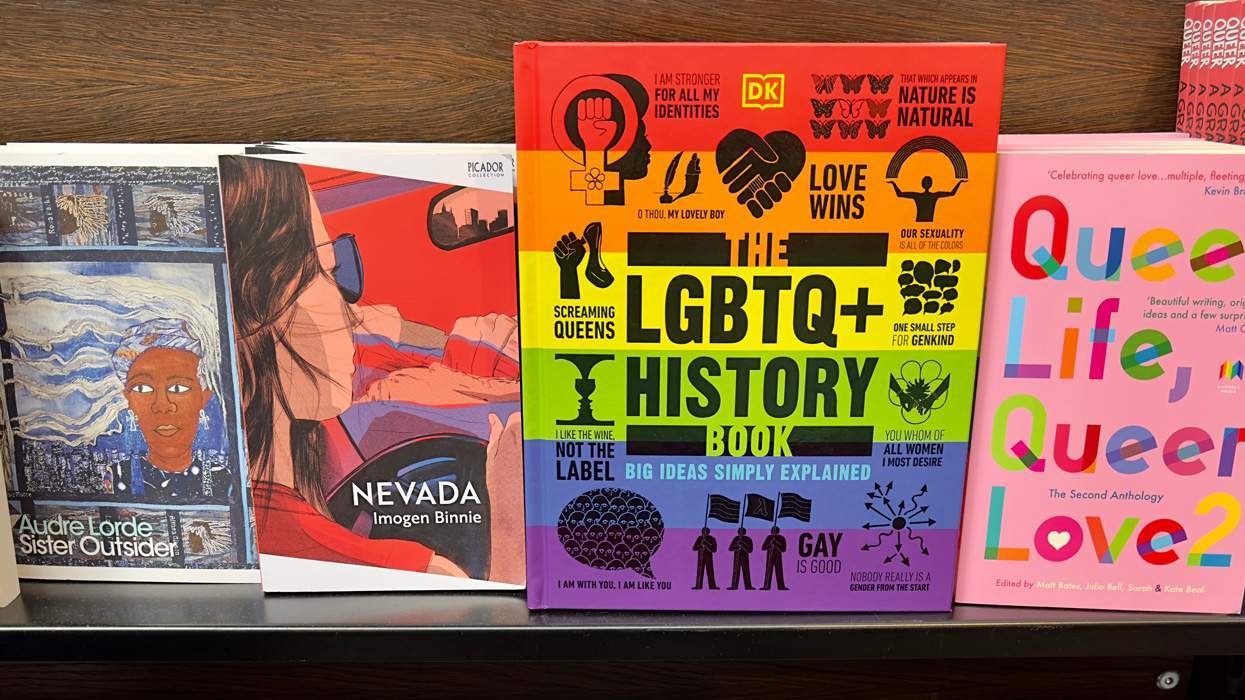
The queer Ottoman legacy has been erased from mainstream Muslim memory, buried by bans and cropped by censorship. But America is now mirroring that same erasure. Book bans targeting LGBTQ+ narratives and critical race theory have spiked across U.S. schools. DEI has been demonized into a political punching bag. A country once admired for its queer courage now flirts with fascism, risking not just rights, but the erasure of its own richer, more righteous history.
Why should Washington care how other nations treat LGBTQ+ communities? Because leadership isn't about domination but direction. No treaty forced India in 2018 or Singapore in 2022 to repeal their sodomy laws. But the steady glow of U.S. attention, through diplomacy and legal examples, helped create the space for local change. That's how moral leadership works: not by dictating outcomes, but by expanding what's possible and emboldening others to act. And if America hopes to retain its moral authority, it must first halt its regression and lead by example. Rather than lectures from a hegemon, America could offer reminders—civilizational, diplomatic, and historical—shared among allies.
This past June, we saw a rare and sacred overlap: Pride Month and the Islamic month of Zul Hijjah. As a queer Muslim, I can empathize with American conservative leaders and understand the tension between tradition and progress. These are not easy lines to walk. But I am guided in my activism by a verse in the Quran: "Strive toward fairness—that is nearer to righteousness." America's current stance may serve domestic politics. But it does not exist in a vacuum. As its domestic shifts send shockwaves abroad, the stakes are global.
The world is watching. Now is not the time for America to retreat; it is time to lead toward fairness once again.
Voices is dedicated to featuring a wide range of inspiring personal stories and impactful opinions from the LGBTQ+ community and its allies. Visit Advocate.com/submit to learn more about submission guidelines. Views expressed in Voices stories are those of the guest writers, columnists, and editors, and do not directly represent the views of The Advocate or our parent company, equalpride.