'%3E%3Cpath d='M16.3574 35.6519H12.9537L15.0491 18.8873L16.3574 35.6519ZM30.4229 54.0093L22.309 0.994385H7.91795L0 54.0093H10.6634L11.5802 46.3855H17.4014L17.9914 54.0093H30.4229Z' fill='%23971B20'/%3E%3Cpath d='M48.2073 41.8813C48.2073 43.4049 47.4892 44.0011 46.1144 44.0011H43.7595V11.0687H46.1144C47.4892 11.0687 48.2073 11.6636 48.2073 13.1885V41.8813ZM59.5273 43.6695V11.3326C59.5273 3.71323 53.5729 0.994385 47.8157 0.994385H31.7213V54.0093H47.8157C53.5729 54.0093 59.5273 51.29 59.5273 43.6695Z' fill='%23971B20'/%3E%3Cpath d='M90.183 0.994385H78.6039L75.0711 30.6157L71.9955 0.994385H59.4346L69.2474 54.0093H80.373L90.183 0.994385Z' fill='%23971B20'/%3E%3Cpath d='M107.063 42.3448C107.063 43.7359 105.951 44.5974 104.643 44.5974C103.269 44.5974 102.157 43.7359 102.157 42.3448V12.658C102.157 11.2676 103.269 10.4058 104.643 10.4058C105.951 10.4058 107.063 11.2676 107.063 12.658V42.3448ZM119.233 43.2723V11.7312C119.233 6.36384 112.952 -3.8147e-06 104.643 -3.8147e-06C96.2667 -3.8147e-06 89.9867 6.36384 89.9867 11.7312V43.2723C89.9867 48.6393 96.2667 55 104.643 55C112.952 55 119.233 48.6393 119.233 43.2723Z' fill='%23971B20'/%3E%3Cpath d='M150.976 43.9349V33.7309H139.069V42.3448C139.069 43.7359 137.957 44.5974 136.582 44.5974C135.076 44.5974 133.964 43.7359 133.964 42.3448V12.658C133.964 11.2676 135.076 10.4058 136.582 10.4058C137.957 10.4058 139.069 11.2676 139.069 12.658V21.2723H150.976V11.0687C150.976 5.70107 145.283 -3.8147e-06 136.582 -3.8147e-06C127.75 -3.8147e-06 121.796 5.70107 121.796 11.0687V43.9349C121.796 49.3022 127.75 55 136.582 55C145.283 55 150.976 49.3022 150.976 43.9349Z' fill='%23971B20'/%3E%3Cpath d='M167.478 35.6519H164.076L166.17 18.8873L167.478 35.6519ZM181.544 54.0093L173.432 0.994385H159.037L151.123 54.0093H161.785L162.704 46.3855H168.523L169.114 54.0093H181.544Z' fill='%23971B20'/%3E%3Cpath d='M205.412 10.4058V0.994385H177.081V10.4058H185.392V54.0093H197.428V10.4058H205.412Z' fill='%23971B20'/%3E%3Cpath d='M230.002 54.0093V43.9349H218.914V31.8746H226.635V21.8028H218.914V10.4058H230.002V0.994385H206.875V54.0093H230.002Z' fill='%23971B20'/%3E%3C/g%3E%3Cdefs%3E%3CclipPath id='clip0_260_7080'%3E%3Crect width='230' height='55' fill='white'/%3E%3C/clipPath%3E%3C/defs%3E%3C/svg%3E)



In the June 26, 1991, issue of Outweek, a pioneering but short-lived gay and lesbian newsmagazine out of New York City, a 24-year-old Iranian-Jewish gay journalist named Maer Roshan authored a piece that declared: "The '90s have become the media age for queers."
For a community that was worn down by the endurance of the AIDS epidemic, it was a groundbreaking proclamation that suggested a long-overdue awakening on the part of the Fourth Estate, which had a reputation for covering gay people, and gay issues, with some combination of lurid sensationalism and cool indifference. As Roshan's article noted, gays and lesbians were starting to show up on TV screens and in newsprint in growing numbers. The New York Times was welcoming the word "queer" into its family-friendly style guide. Time magazine was eulogizing a gay correspondent who died of AIDS. Newsday was writing about "queers in suburbia." And Dan Rather was reporting up a storm on gays in the military. Even the red-blooded New York Post showed up at the party, albeit with tawdry front-page coverage of the homophobes who'd hurled beer cans at then-Mayor David Dinkins as he marched up Fifth Avenue with a gay Irish group in Manhattan's annual Saint Patrick's Day Parade.
"What we are seeing," Roshan wrote, "is a turning point in the media's perception of the gay and lesbian community. It's an emerging queer consciousness that's been apparent for some time now, a new openness to our issues that one editor has termed 'gay glasnost.'" Then came the caveat: "Yet even now, the press perceives gay people largely as outsiders, as a strange and hostile minority on the periphery of their general audience."
Times are changing once again: That gay glasnost has proliferated over the past 20-some-odd years, and a number of those same strange and hostile outsiders have become bellwethers of disruption in an industry that's increasingly bucking old habits.
(RELATED: The 50 Most Influential LGBT People in Media)
Back in 1991, Roshan didn't imagine he'd be the man behind one of the buzziest general-interest magazine launches of the aughts; that a sardonic gay Brit would be running one of the country's most successful online media empires out of a palatial SoHo loft; that a nerdy gay statistics whiz would be poached from America's paper of record to launch a journo-wonk Web site with the backing of a sports-news behemoth; that a bear of a blogger would fund a full-time editorial staff of nine to the tune of $1.6 million worth of reader revenue in under two years; that a lawyer-turned-journalist living with his dogs and boyfriend in Brazil would win journalism's top prize and help launch a $250 million media organization bankrolled by a billionaire philanthropist and tech titan; and that two separate corporate media conglomerates would agree to fund a Web publication and conference business cofounded by Silicon Valley's most fearsome lesbian reporter.
"When I wrote that piece, it was almost unprecedented to have an openly gay executive or editor at the helm of a serious journalistic enterprise" outside of the LGBT media, says Roshan, who was founder and editor of the monthly pop culture and politics magazine Radar until it folded in 2008 and its Web site was sold off. (He later launched a news site about addiction and a satirical iPad app.) "In two decades, things have changed radically. We're not at the back of the bus anymore. These days we're likely to be driving it."
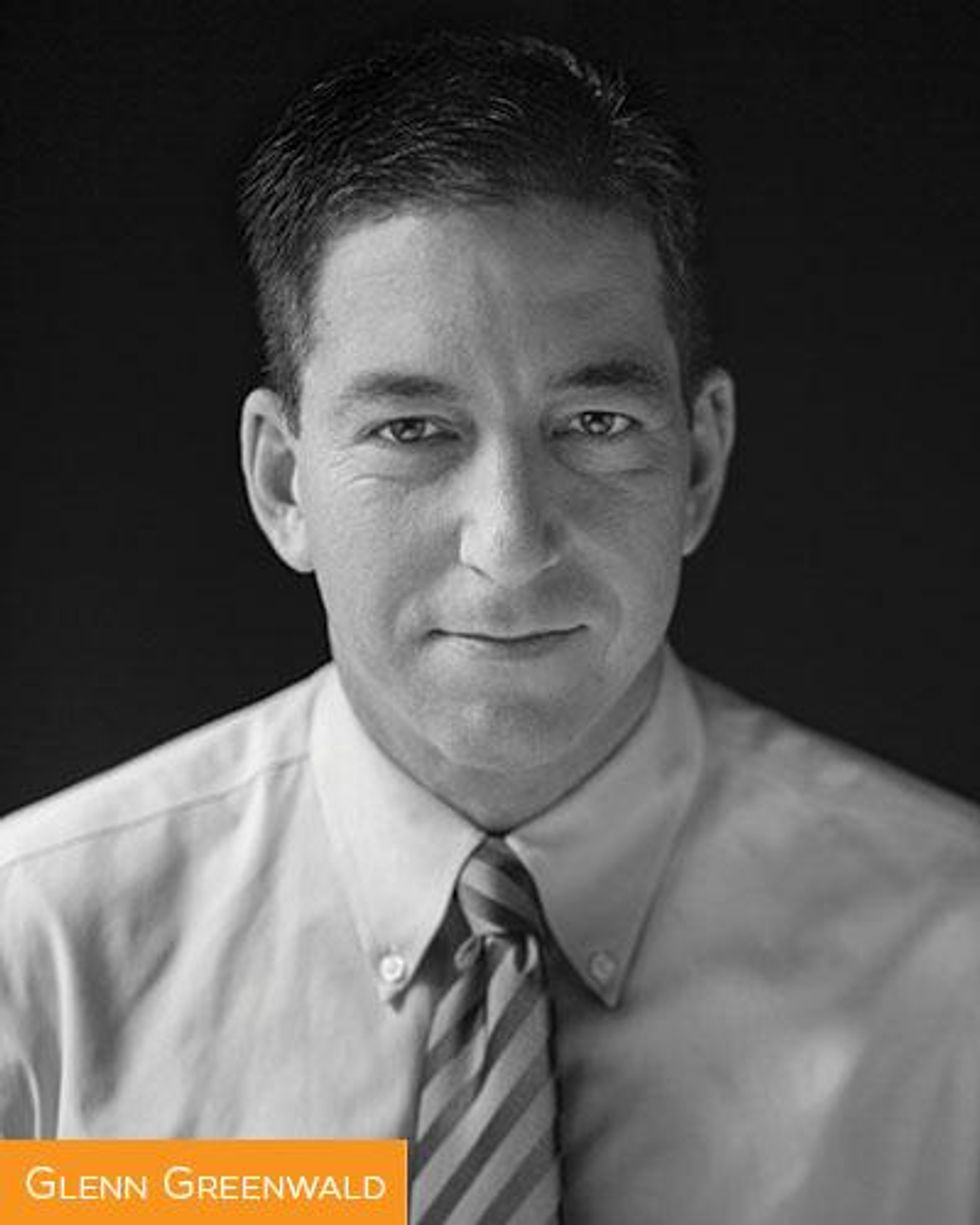
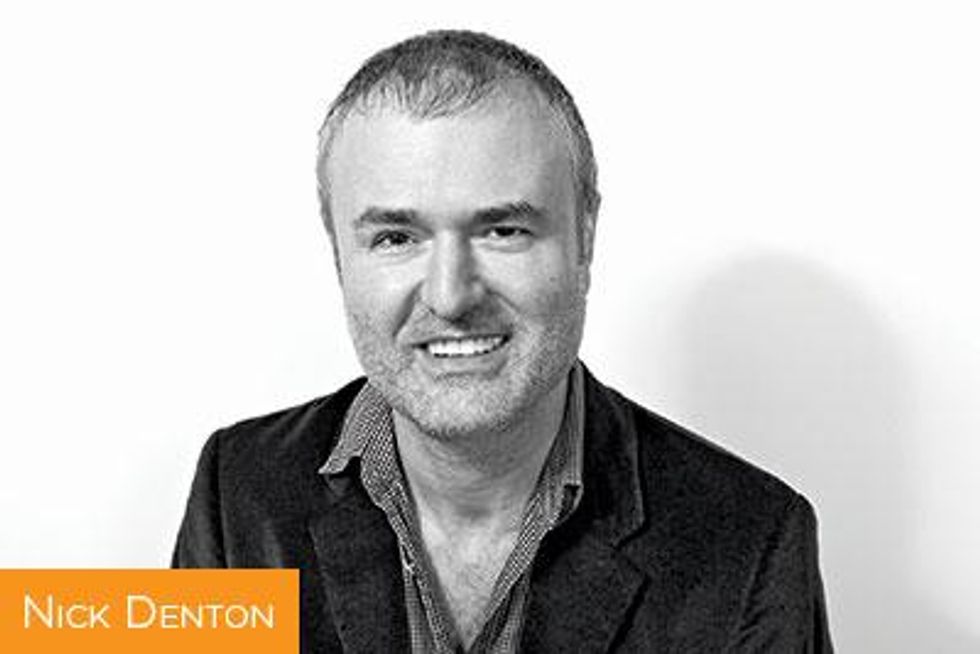 The bus drivers include Gawker Media honcho Nick Denton, who turned a gossip blog for Manhattan media insiders into a sprawling network of Web sites on everything from game culture to women's issues to cars; Nate Silver, whose digits-driven FiveThirtyEight franchise skyrocketed from his laptop to The New York Times to ESPN, which recruited him last year to expand the site into a full-fledged content operation with coverage of politics, economics, science, and sports; Andrew Sullivan, who shattered a rainbow ceiling in 1991 when he became an openly gay editor of The New Republic, but who more recently took his long-running current affairs blog, The Dish, independent, funding it via reader subscriptions; 2014 Pulitzer winner and National Security Agency scourge Glenn Greenwald, who was approached last year by eBay creator Pierre Omidyar to help launch First Look Media, where Greenwald cofounded his own Web publication, The Intercept, devoted to "fearless, adversarial journalism"; and Kara Swisher, cofounder of the influential tech conferences-cum-Web sites AllThingsD, which was owned by News Corp., and Re/code, which recently replaced AllThingsD with backing from NBC Universal after the News Corp. contract expired at the end of 2013.
 Others? Choire Sicha cofounded the idiosyncratic cool-kid blog The Awl and its suite of sister Web sites devoted to technology, comedy, money, and women. Tom McGeveran cofounded Capital, a four-year-old New York news Web site and magazine that shares a parent company with Politico (and where this reporter works full-time). Generous observers might add celebrity gossipmonger Perez Hilton and his eponymous Hollywood site to the list; others would argue against the exclusion of closeted conservative firebrand Matt Drudge, whose powerful yet bare-bones aggregation hub, the Drudge Report, drives astronomical amounts of traffic to news Web sites big and small. (Surely there are more that we're forgetting, too.)
"It really is like night and day," says Michelangelo Signorile, a Sirius radio host and editor-at-large of HuffPost Gay Voices.
 To be clear, that a gay person might rise to a position of prominence in the media is not new. (One obvious example: Adam Moss, longtime editor of New York magazine and former editor of The New York Times Magazine.) What's changed is that more queer people, in the media and other industries, have become power brokers without having to stay in the closet. In the old days, there was a lot more subterfuge among gay members of the press. And if they were out, "everyone went fucking crazy about it," says Sullivan. "That does not happen anymore. You're not regarded as some curiosity to be examined."
Case in point: the cabal of gay and lesbian TV-news personalities, from Robin Roberts to Anderson Cooper, who have publicly come out over the past few years, "all in a way that treated the news as almost casual occurrence, and no longer worthy of a Time magazine cover," as the Times noted last year in a feature on the trend. "No one has to go through what Ellen [DeGeneres, the subject of said Time cover story] had to go through back in the day," says Sullivan, adding: "Being the openly gay editor of The Dish in 2014 is fucking light-years away from being the openly gay editor of The New Republic in 1991."
But even today, there's still arguably a dearth of openly gay leaders at the tops of large media companies and mainstream news outlets, which lends a whiff of insurgency to the aforementioned list of digital journalist-entrepreneurs.
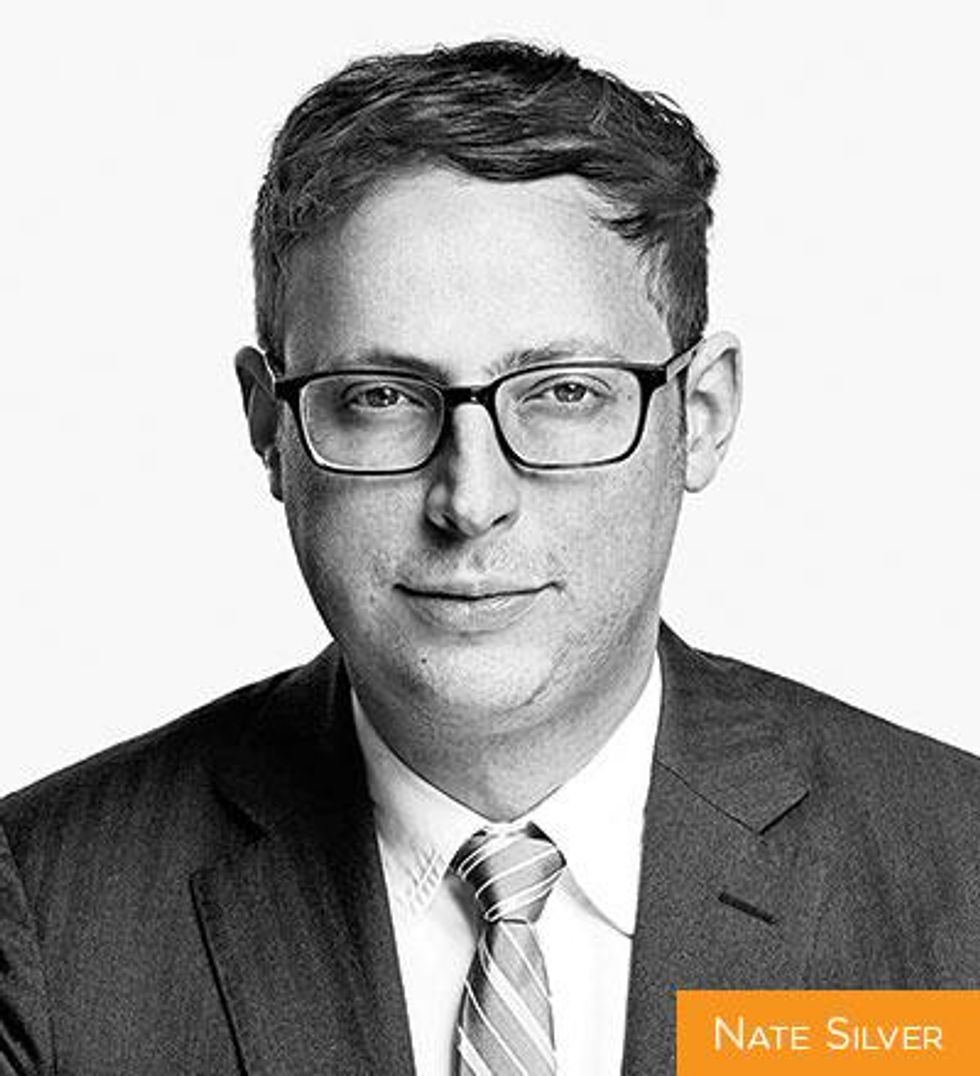 To an extent, the sea change can be chalked up to a generational shift. "If you're Barry Diller" -- the 72-year-old IAC chairman who has not publicly acknowledged widely held perceptions that he is either gay or bisexual -- "it was inconceivable to have come up as a gay person doing what you're doing at his age," says Sullivan, who is 51 (most of the others are in their 40s; Swisher is 51 and Silver is 36). "Maybe we're just the leading edge of a whole bunch of gay media executives."
It also dovetails with the currents of change that have ushered in sociocultural advancements like racial equality and same-sex marriage. If it seemed unfathomable 20 years ago that a bunch of gay people would be running their own non-gay media outlets, neither would many of us back then have banked on electing a black president who supports two men or two women tying the knot. "I think the media has followed the same trajectory as broader American society in terms of how openly gay you can be and how much it will impede your advancement," says Greenwald. "In most professions now, being openly gay is not a liability."
At the same time, these people are all byproducts of the democratizing power of the Web, which has enabled them to disrupt both the rigid, top-heavy publishing models and the historically heteronormative hierarchies of traditional media.
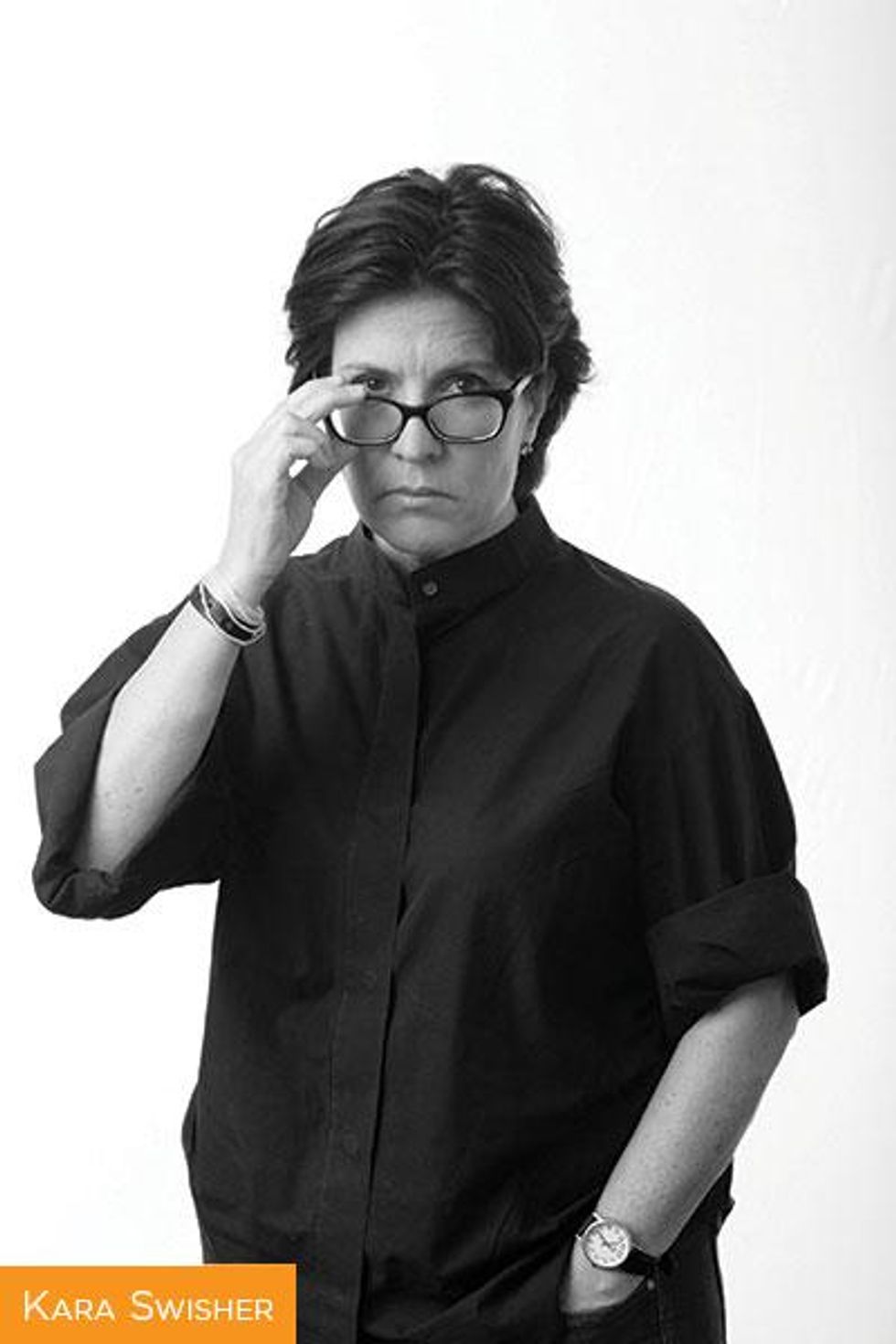 Most of their careers have been tethered to a legacy news outlet at one point or another. Sullivan spent five years in The New Republic's top masthead slot and later found a home for his blog at The Atlantic. Swisher was a reporter at The Washington Post and The Wall Street Journal before creating her own journalism franchise with fellow Journal tech writer Walt Mossberg. Greenwald won the Pulitzer for work he did as a columnist for The Guardian, and Silver gained cachet during the three years the Times took him under its wing. Not to mention Denton, who began his career at The Economist and The Financial Times before launching Gawker in 2002. (Denton did not respond to an interview request; an ESPN spokesperson said Silver was on vacation and was therefore unavailable to be interviewed; Swisher agreed to an interview but didn't respond to subsequent requests to set one up.)
And yet it's not their institutional cred that makes them commodities. Their names are synonymous with a sort of sui generis sensibility that's prevalent in digital media, which tends to nurture bomb throwers, wonks, and people with strong points of view in a way that lumbering news bureaucracies do not. Says Signorile: "I don't think it's a coincidence that all of these people are gay and became successful online and through blogs, and through having their own independent voice."
Signorile foreshadowed the LGBT potential of emerging Web platforms in the epilogue of his 1993 book, Queer in America: Sex, the Media, and the Closets of Power. The chapter presciently portrayed queers as being in the vanguard of computer literacy, which encouraged a rise in the tech world that wouldn't necessarily have been possible in other industries. (Look no further than Apple CEO Tim Cook or Google executive Megan Smith, who recently separated from Swisher, her spouse of 15 years.) So it's no surprise to Signorile that people like Nick Denton or Andrew Sullivan are now running their own little corners of the Internet. "This technology is one that has allowed for people who might be outsiders in culture to create their own spaces," he says. "It's allowed us to get around the corporate media, where people are still picking the children of their friends to run things. If you're gay, you felt like you were never going to be running things there, so these are people who are very independent and were like, 'OK, I'm going to go do my own thing.' That's always attracted a lot of gay people."
"I feel like you've got to figure things out when you're gay," says Roshan. "It kind of encourages a little bit of freethinking, and you can take more risks because you've already taken some risks. It's a character type, magnified by being gay, that happens to lend itself to entrepreneurial projects."
 Similarly, Capital's McGeveran describes a "degree to which not being taken seriously in the newsroom inculcated a desire to prove oneself, and made us more ambitious maybe than people whose ideas and opinions were taken seriously more readily."
In the cases of McGeveran, Swisher, Silver, and Greenwald, of course, their current ambitions are cushioned either by a large company or an incredibly rich individual. Still, "Gay people thrive in less hierarchical and less corporatized environments," says Greenwald, who's known for his aggressively skeptical and largely autonomous approach to reporting on government. "One of the things that's happened in media over the last decade is that the power has shifted away from those kinds of large, corporatized settings to a much more pioneering, independent landscape because of the Internet. And I don't think it's a coincidence that so many of us have set out on our own as opposed to trying to work our way up the ladder at The New York Times or NBC or wherever."
He continues: "I think there is a correlation between being gay and being disruptive. If I had grown up as a straight white man, I would probably have this perception that the status quo was more or less a good thing, and The Intercept would probably be much more conventional."
Sullivan's experience growing up in West Sussex, England, in the 1970s was that of a "nervous gay teenager" who dodged adolescent awkwardness by immersing himself in books and Conservative Party politics. He got perfect marks on his Latin exams and buried his nose in the works of George Orwell, Friedrich Hayek, and Vaclav Havel. He devoured British newsweeklies like The Spectator and Now, which his mother bought him a subscription to, and he fell asleep every night listening to Radio 4's political coverage. It was a way to "avoid having a balanced social life," he says. "The nerd identity threw people off the scent of my gay identity."
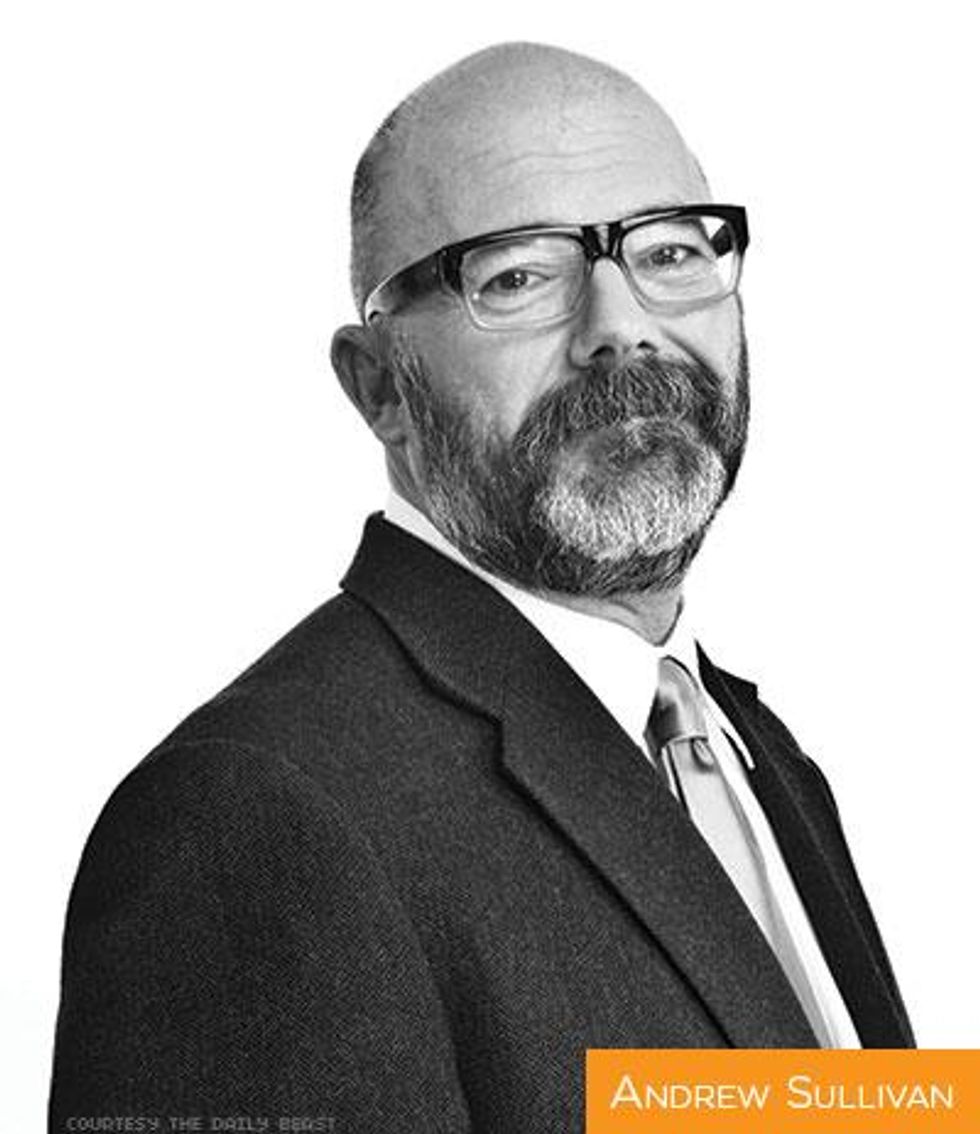 Today, Sullivan is the editor and proprietor of a Web site with about 30,000 paying subscribers and a total audience of around 800,000 visitors a month. But aside from being a media celebrity with a wide readership, a profitable business, two dogs, and a husband, he still kind of feels like that nerdy 14-year-old soaking up information in his bedroom. "Psychologically, I don't really see myself doing anything that different," he says. "I sit at home with my laptop, bouncing out my thoughts about the world."
He's not alone: "There is, like, a weird historical gay job," says The Awl's Sicha. "It's not just jobs in the arts or whatever. It's loner jobs. Lone wolf jobs. There's something in that, for sure. It's funny because media is historically un-gay-friendly, and yet there were always gay writers, so there's a weird tension there."
Sullivan agrees. "There's a particular gay sensibility that has to do with constantly questioning conventional wisdom because we have to," he says. "We grew up rooted in a self-confidence that we earned by sticking up for ourselves." But he cautions against drawing too many comparisons among the new crop of gay media mini-moguls. "We're different creatures, all of us," he says. "What we have in common is a total lack of any shame about who we are."