'%3E%3Cpath d='M16.3574 35.6519H12.9537L15.0491 18.8873L16.3574 35.6519ZM30.4229 54.0093L22.309 0.994385H7.91795L0 54.0093H10.6634L11.5802 46.3855H17.4014L17.9914 54.0093H30.4229Z' fill='%23971B20'/%3E%3Cpath d='M48.2073 41.8813C48.2073 43.4049 47.4892 44.0011 46.1144 44.0011H43.7595V11.0687H46.1144C47.4892 11.0687 48.2073 11.6636 48.2073 13.1885V41.8813ZM59.5273 43.6695V11.3326C59.5273 3.71323 53.5729 0.994385 47.8157 0.994385H31.7213V54.0093H47.8157C53.5729 54.0093 59.5273 51.29 59.5273 43.6695Z' fill='%23971B20'/%3E%3Cpath d='M90.183 0.994385H78.6039L75.0711 30.6157L71.9955 0.994385H59.4346L69.2474 54.0093H80.373L90.183 0.994385Z' fill='%23971B20'/%3E%3Cpath d='M107.063 42.3448C107.063 43.7359 105.951 44.5974 104.643 44.5974C103.269 44.5974 102.157 43.7359 102.157 42.3448V12.658C102.157 11.2676 103.269 10.4058 104.643 10.4058C105.951 10.4058 107.063 11.2676 107.063 12.658V42.3448ZM119.233 43.2723V11.7312C119.233 6.36384 112.952 -3.8147e-06 104.643 -3.8147e-06C96.2667 -3.8147e-06 89.9867 6.36384 89.9867 11.7312V43.2723C89.9867 48.6393 96.2667 55 104.643 55C112.952 55 119.233 48.6393 119.233 43.2723Z' fill='%23971B20'/%3E%3Cpath d='M150.976 43.9349V33.7309H139.069V42.3448C139.069 43.7359 137.957 44.5974 136.582 44.5974C135.076 44.5974 133.964 43.7359 133.964 42.3448V12.658C133.964 11.2676 135.076 10.4058 136.582 10.4058C137.957 10.4058 139.069 11.2676 139.069 12.658V21.2723H150.976V11.0687C150.976 5.70107 145.283 -3.8147e-06 136.582 -3.8147e-06C127.75 -3.8147e-06 121.796 5.70107 121.796 11.0687V43.9349C121.796 49.3022 127.75 55 136.582 55C145.283 55 150.976 49.3022 150.976 43.9349Z' fill='%23971B20'/%3E%3Cpath d='M167.478 35.6519H164.076L166.17 18.8873L167.478 35.6519ZM181.544 54.0093L173.432 0.994385H159.037L151.123 54.0093H161.785L162.704 46.3855H168.523L169.114 54.0093H181.544Z' fill='%23971B20'/%3E%3Cpath d='M205.412 10.4058V0.994385H177.081V10.4058H185.392V54.0093H197.428V10.4058H205.412Z' fill='%23971B20'/%3E%3Cpath d='M230.002 54.0093V43.9349H218.914V31.8746H226.635V21.8028H218.914V10.4058H230.002V0.994385H206.875V54.0093H230.002Z' fill='%23971B20'/%3E%3C/g%3E%3Cdefs%3E%3CclipPath id='clip0_260_7080'%3E%3Crect width='230' height='55' fill='white'/%3E%3C/clipPath%3E%3C/defs%3E%3C/svg%3E)
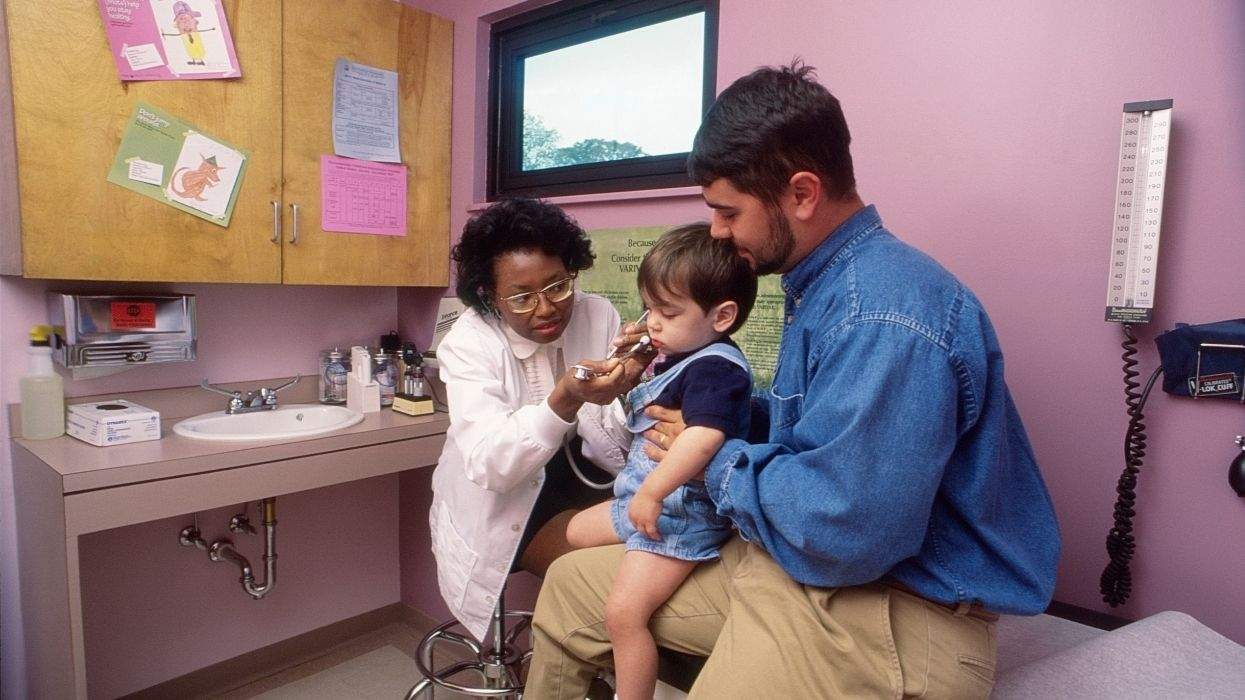

The American Medical Association is rejecting claims it has stepped back from support for gender-affirming care, saying its guidance remains unchanged even as political pressure and public confusion intensify.
Keep up with the latest in LGBTQ+ news and politics. Sign up for The Advocate's email newsletter.
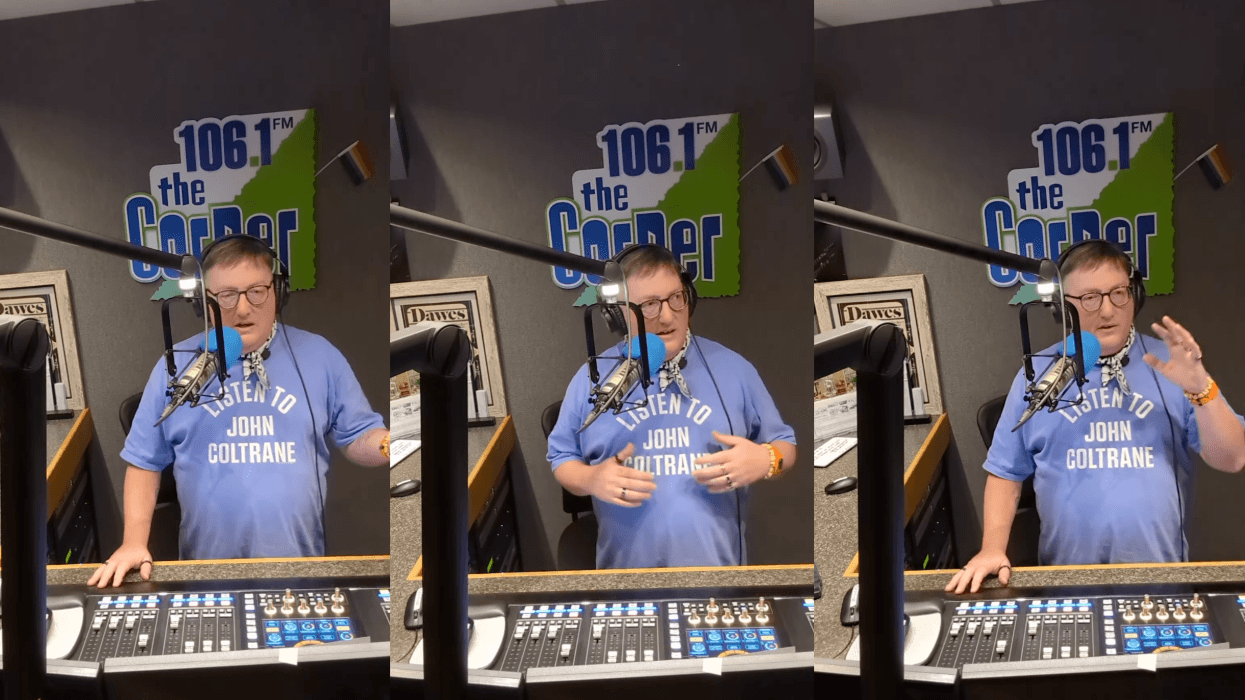
In an interview with The Advocate, Alex Sheldon, executive director of GLMA: Health Professionals Advancing LGBTQ+ Equality, said the controversy reflects misinterpretation rather than any substantive shift in medical guidance.
“We knew right away that any shift in policy that was being reported was a grave exaggeration,” Sheldon said, pointing to GLMA’s role within the AMA’s House of Delegates, where it has a voting seat and direct visibility into policymaking.
At the center of the confusion is a dispute between the AMA and The New York Times over how the organization’s position was characterized. In February and March, the Times reported that the AMA had aligned with the American Society of Plastic Surgeons in backing limits on gender-affirming surgeries for minors, framing the development as a shift. The AMA later pushed back, saying that the interpretation overstated its position and that its policies had not changed. The newspaper, in turn, defended its reporting, citing prior AMA language noting that such surgeries are generally deferred until adulthood.
Related: Two medical associations update their recommendations on gender-affirming care for trans youth
Related: World's largest psych association passes policy supporting trans youth care by massive margin
In a recent board newsletter, the AMA sought to settle the matter, stating that its policies “remain unchanged” and reiterating that gender-affirming care is “medically necessary” and should be guided by patients, families, and physicians rather than government mandates. The organization also emphasized that its existing framework continues to support access to care across the full spectrum of treatment options.
The clarification followed weeks of scrutiny that blurred the distinction between long-standing clinical caution and a broader retreat that medical groups say never occurred.
As previously reported by The Advocate, the AMA has acknowledged limited evidence around surgeries for minors and noted that such procedures are typically deferred until adulthood. But those interventions represent only a fraction of gender-affirming care, which more commonly includes counseling, hormone therapy, and social transition, all of which remain supported by major medical organizations.
Sheldon argued that the nuance was lost in translation and then amplified.
“In this case, the New York Times relied on a quote that was itself sourced from another outlet,” they said, describing an “echo effect” that distorted the AMA’s underlying policy framework.
That distortion, they said, has had consequences beyond the news cycle. In Washington and statehouses across the country, policymakers have seized on perceptions of medical uncertainty to justify restrictions on care. “The federal government is using its own power to try to undermine medical integrity, expertise, and science,” Sheldon said. “It’s not based on evidence or science, it’s based on their own ideology.”
Related: American Medical Association Strengthens Support for Gender-Affirming Care
Those efforts have also faced resistance in the courts. In one recent case, a federal judge in Oregon rebuked elements of the Trump administration’s prohibition on transgender health care, siding with a coalition of states that challenged federal efforts to restrict access.
Sheldon pointed to those legal outcomes as evidence that the broader medical consensus remains intact, even as political actors attempt to reshape it.
“The vast majority of them continue to stand up and say that that is not what science and evidence are telling us,” Sheldon said, pointing to the AMA’s clarification as reaffirming that gender-affirming care is “medically necessary, evidence-based, and supported by the vast majority of medical organizations.”
GLMA itself has sued the federal government over efforts to restrict access, winning an injunction, Sheldon noted, in a case that challenged an executive order targeting care for transgender and nonbinary young people. For clinicians and families, the practical question is less about institutional disputes than about what guidance to trust. Sheldon’s answer was direct: the underlying standard of care has not changed.
“This clarification specifically should give confidence to clinicians, health systems, and policymakers that affirming care remains the medically appropriate approach,” they said.
“Health professionals, not politicians, are best equipped to make decisions about patient care,” Sheldon added.