'%3E%3Cpath d='M16.3574 35.6519H12.9537L15.0491 18.8873L16.3574 35.6519ZM30.4229 54.0093L22.309 0.994385H7.91795L0 54.0093H10.6634L11.5802 46.3855H17.4014L17.9914 54.0093H30.4229Z' fill='%23971B20'/%3E%3Cpath d='M48.2073 41.8813C48.2073 43.4049 47.4892 44.0011 46.1144 44.0011H43.7595V11.0687H46.1144C47.4892 11.0687 48.2073 11.6636 48.2073 13.1885V41.8813ZM59.5273 43.6695V11.3326C59.5273 3.71323 53.5729 0.994385 47.8157 0.994385H31.7213V54.0093H47.8157C53.5729 54.0093 59.5273 51.29 59.5273 43.6695Z' fill='%23971B20'/%3E%3Cpath d='M90.183 0.994385H78.6039L75.0711 30.6157L71.9955 0.994385H59.4346L69.2474 54.0093H80.373L90.183 0.994385Z' fill='%23971B20'/%3E%3Cpath d='M107.063 42.3448C107.063 43.7359 105.951 44.5974 104.643 44.5974C103.269 44.5974 102.157 43.7359 102.157 42.3448V12.658C102.157 11.2676 103.269 10.4058 104.643 10.4058C105.951 10.4058 107.063 11.2676 107.063 12.658V42.3448ZM119.233 43.2723V11.7312C119.233 6.36384 112.952 -3.8147e-06 104.643 -3.8147e-06C96.2667 -3.8147e-06 89.9867 6.36384 89.9867 11.7312V43.2723C89.9867 48.6393 96.2667 55 104.643 55C112.952 55 119.233 48.6393 119.233 43.2723Z' fill='%23971B20'/%3E%3Cpath d='M150.976 43.9349V33.7309H139.069V42.3448C139.069 43.7359 137.957 44.5974 136.582 44.5974C135.076 44.5974 133.964 43.7359 133.964 42.3448V12.658C133.964 11.2676 135.076 10.4058 136.582 10.4058C137.957 10.4058 139.069 11.2676 139.069 12.658V21.2723H150.976V11.0687C150.976 5.70107 145.283 -3.8147e-06 136.582 -3.8147e-06C127.75 -3.8147e-06 121.796 5.70107 121.796 11.0687V43.9349C121.796 49.3022 127.75 55 136.582 55C145.283 55 150.976 49.3022 150.976 43.9349Z' fill='%23971B20'/%3E%3Cpath d='M167.478 35.6519H164.076L166.17 18.8873L167.478 35.6519ZM181.544 54.0093L173.432 0.994385H159.037L151.123 54.0093H161.785L162.704 46.3855H168.523L169.114 54.0093H181.544Z' fill='%23971B20'/%3E%3Cpath d='M205.412 10.4058V0.994385H177.081V10.4058H185.392V54.0093H197.428V10.4058H205.412Z' fill='%23971B20'/%3E%3Cpath d='M230.002 54.0093V43.9349H218.914V31.8746H226.635V21.8028H218.914V10.4058H230.002V0.994385H206.875V54.0093H230.002Z' fill='%23971B20'/%3E%3C/g%3E%3Cdefs%3E%3CclipPath id='clip0_260_7080'%3E%3Crect width='230' height='55' fill='white'/%3E%3C/clipPath%3E%3C/defs%3E%3C/svg%3E)

The first time Commander Emily “Hawking” Shilling climbed into the cockpit of a Navy fighter jet after her transition, she knew eyes were on her. Some doubted she would ever be cleared to fly tactical jets again. Others assumed transitioning would ground her permanently. Instead, Shilling slipped her helmet on, throttled forward, and proved that competence, not gender identity, should decide who belongs in the sky.
Shilling’s career spans nearly two decades: more than 60 combat missions in Iraq and Afghanistan, three Air Medals, and time as a test pilot flying experimental aircraft. Now president of SPARTA Pride, which advocates for trans people in the military, she is the lead plaintiff in Shilling v. United States, challenging the Trump administration’s 2025 transgender military ban.
“Once I broke that barrier [of being a trans pilot] down,” she says, “I know of a dozen aviators who were able to stay. That’s a quarter-billion dollars I saved the Navy.”
A language and understanding of gender identity has evolved since Shilling first enlisted. But people outside rigid gender categories have been part of U.S. military history since the beginning, with examples that reach as far back as the Revolutionary War. In fact, transgender people are twice as likely to have served as their cisgender peers, according to the Williams Institute.
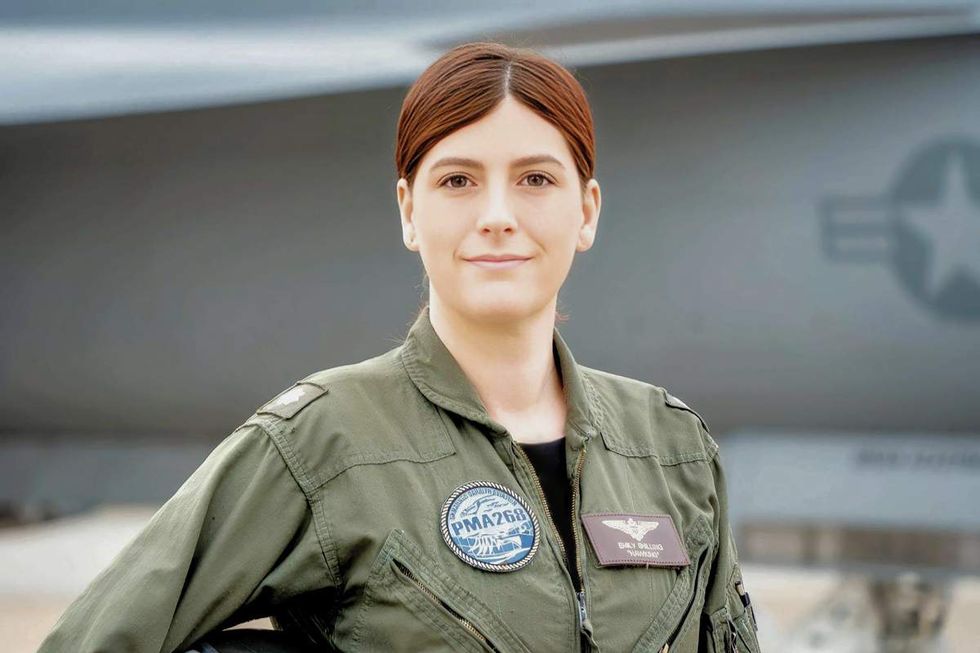 Navy Commander Emily “Hawking” Shillingcourtesy Emily Shilling
In 1782, Deborah Sampson disguised herself as Robert Shurtliff to join the Continental Army in the American Revolution. Albert Cashier, who lived as a man, fought in more than 40 engagements with the Union Army during the Civil War. Sarah Emma Edmonds, as Franklin Thompson, served in the Second Michigan Infantry in that conflict. Cathay Williams enlisted in 1866 as William Cathay, becoming the only known Black woman to serve as a buffalo soldier.
Later generations made gender expansiveness visible. Entertainer Christine Jorgensen’s transition in 1952, after Army service near the end of World War II, introduced transgender identity to the nation. Monica Helms, a Navy submariner in the 1970s, went on to design the transgender Pride flag. Paula Neira, a Naval Academy graduate, became a lawyer and nurse whose advocacy shaped Pentagon policy.
Policy shifted unevenly. The repeal of “don’t ask, don’t tell” in 2011 freed gay and lesbian service members but left transgender troops in limbo. “I wasn’t out at the time, but I knew who I was,” Shilling says. “It was this rhetoric that we’re somehow broken, that it’s a mental disease. We will get there with the trans community too.”
In 2016, the Obama administration lifted the ban on transgender service, but barriers lingered. Aviators and SEALs were disqualified because the military had never allowed transgender people to retain special qualifications. Then came President Donald Trump’s 2017 “ban by tweet.” Shilling was nearly forced out, only to remain when President Joe Biden reversed the policy.
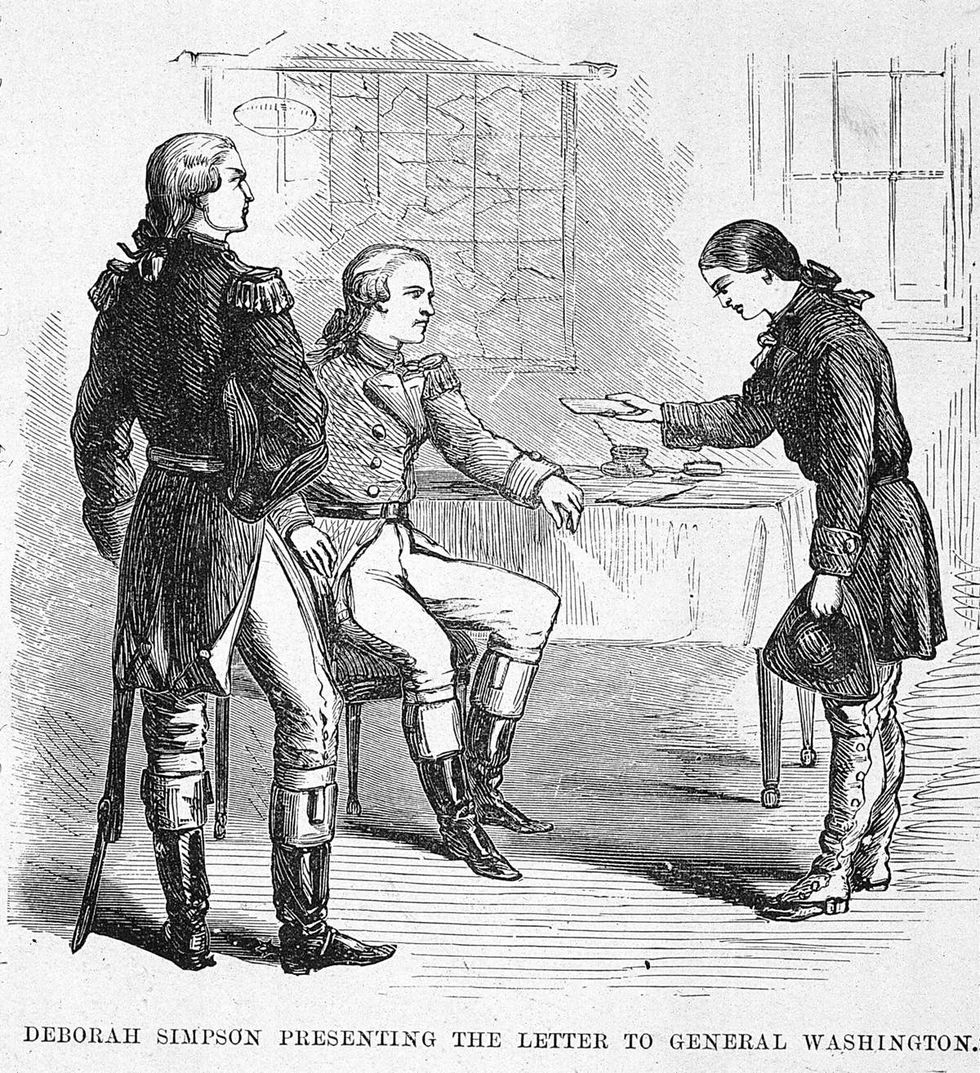 An illustration of American soldier Deborah Sampson delivering a letter to George Washington, circa 1782MPI/Getty Images
Others carried that fight publicly. Master Sgt. Logan Ireland, a trans 15-year Air Force veteran with tours in Afghanistan, the United Arab Emirates, and South Korea, and his wife, retired Army veteran Laila Ireland, a former medic and health care administrator who is also trans, became symbols of service and sacrifice. Their story was captured in the Emmy-nominated 2015 New York Times documentary Transgender, at War and in Love. Together they showed the nation that transgender troops were already in the ranks, already deploying, already leading.
Yet their service has not shielded them from today’s reversals. In August, Logan’s approved early retirement orders were rescinded without explanation. “My retirement orders are now null and void,” he says. Every transgender service member with 15 to 18 years in uniform whose early retirements had been approved saw the same orders revoked.
Shilling is not alone in court. Talbott v. United States, a case in the U.S. District Court for the District of Columbia, features Army Reserve 2nd Lt. Nicolas Talbott, who trained for nearly a decade to enlist before finally commissioning in January. Army Maj. Erica Vandal, a decorated officer and West Point graduate, and Air Force recruit Clayton McCallister, 25, training for pararescue while raising a young family, also joined the fight.
 Shilling piloting a VX-23 aircraft courtesy Emily Shilling
In March, U.S. District Judge Ana Reyes challenged the government’s defense. “You don’t have any evidence that people with gender dysphoria are inherently unfit to serve, right?” she asked. “You have not been able to point to me any other medical classification that the military uses that impacts one class of people, right?”
Reyes blocked the ban, calling it “soaked in animus and dripping with pretext.” The U.S. Supreme Court later stayed a similar order in the Shilling case while appeals proceed, leaving thousands of transgender troops exposed to expulsion.
For Shilling and others, the point is simple: Transgender people want to serve like anyone else. Many delay medical care so they don’t miss deployments. Others risk careers to defend their right to stay in uniform.
Shilling contrasted her record with that of Trump’s Defense secretary. “I am immensely more qualified than Pete Hegseth is to run the DoD,” she says. “I’ve led more people. I’ve led larger budgets than he ever had before taking over, and I’m not even qualified. This guy has no purpose being in that seat.”
Executive director of the Women in the Service Coalition, Sue Fulton, echoes that sentiment more broadly: “What we need in our military are people who have the competence, the character, and the commitment to serve. Trans people have proven that.”
History has already shown that transgender people have always served. The question is whether the nation will finally honor that truth.
This article is part of The Advocate's Nov/Dec 2025 issue, on newsstands now. Support queer media and subscribe — or download the issue through Apple News, Zinio, Nook, or PressReader.