'%3E%3Cpath d='M16.3574 35.6519H12.9537L15.0491 18.8873L16.3574 35.6519ZM30.4229 54.0093L22.309 0.994385H7.91795L0 54.0093H10.6634L11.5802 46.3855H17.4014L17.9914 54.0093H30.4229Z' fill='%23971B20'/%3E%3Cpath d='M48.2073 41.8813C48.2073 43.4049 47.4892 44.0011 46.1144 44.0011H43.7595V11.0687H46.1144C47.4892 11.0687 48.2073 11.6636 48.2073 13.1885V41.8813ZM59.5273 43.6695V11.3326C59.5273 3.71323 53.5729 0.994385 47.8157 0.994385H31.7213V54.0093H47.8157C53.5729 54.0093 59.5273 51.29 59.5273 43.6695Z' fill='%23971B20'/%3E%3Cpath d='M90.183 0.994385H78.6039L75.0711 30.6157L71.9955 0.994385H59.4346L69.2474 54.0093H80.373L90.183 0.994385Z' fill='%23971B20'/%3E%3Cpath d='M107.063 42.3448C107.063 43.7359 105.951 44.5974 104.643 44.5974C103.269 44.5974 102.157 43.7359 102.157 42.3448V12.658C102.157 11.2676 103.269 10.4058 104.643 10.4058C105.951 10.4058 107.063 11.2676 107.063 12.658V42.3448ZM119.233 43.2723V11.7312C119.233 6.36384 112.952 -3.8147e-06 104.643 -3.8147e-06C96.2667 -3.8147e-06 89.9867 6.36384 89.9867 11.7312V43.2723C89.9867 48.6393 96.2667 55 104.643 55C112.952 55 119.233 48.6393 119.233 43.2723Z' fill='%23971B20'/%3E%3Cpath d='M150.976 43.9349V33.7309H139.069V42.3448C139.069 43.7359 137.957 44.5974 136.582 44.5974C135.076 44.5974 133.964 43.7359 133.964 42.3448V12.658C133.964 11.2676 135.076 10.4058 136.582 10.4058C137.957 10.4058 139.069 11.2676 139.069 12.658V21.2723H150.976V11.0687C150.976 5.70107 145.283 -3.8147e-06 136.582 -3.8147e-06C127.75 -3.8147e-06 121.796 5.70107 121.796 11.0687V43.9349C121.796 49.3022 127.75 55 136.582 55C145.283 55 150.976 49.3022 150.976 43.9349Z' fill='%23971B20'/%3E%3Cpath d='M167.478 35.6519H164.076L166.17 18.8873L167.478 35.6519ZM181.544 54.0093L173.432 0.994385H159.037L151.123 54.0093H161.785L162.704 46.3855H168.523L169.114 54.0093H181.544Z' fill='%23971B20'/%3E%3Cpath d='M205.412 10.4058V0.994385H177.081V10.4058H185.392V54.0093H197.428V10.4058H205.412Z' fill='%23971B20'/%3E%3Cpath d='M230.002 54.0093V43.9349H218.914V31.8746H226.635V21.8028H218.914V10.4058H230.002V0.994385H206.875V54.0093H230.002Z' fill='%23971B20'/%3E%3C/g%3E%3Cdefs%3E%3CclipPath id='clip0_260_7080'%3E%3Crect width='230' height='55' fill='white'/%3E%3C/clipPath%3E%3C/defs%3E%3C/svg%3E)

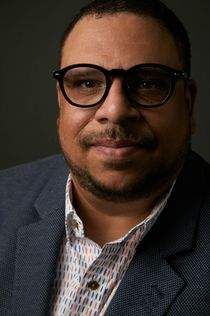
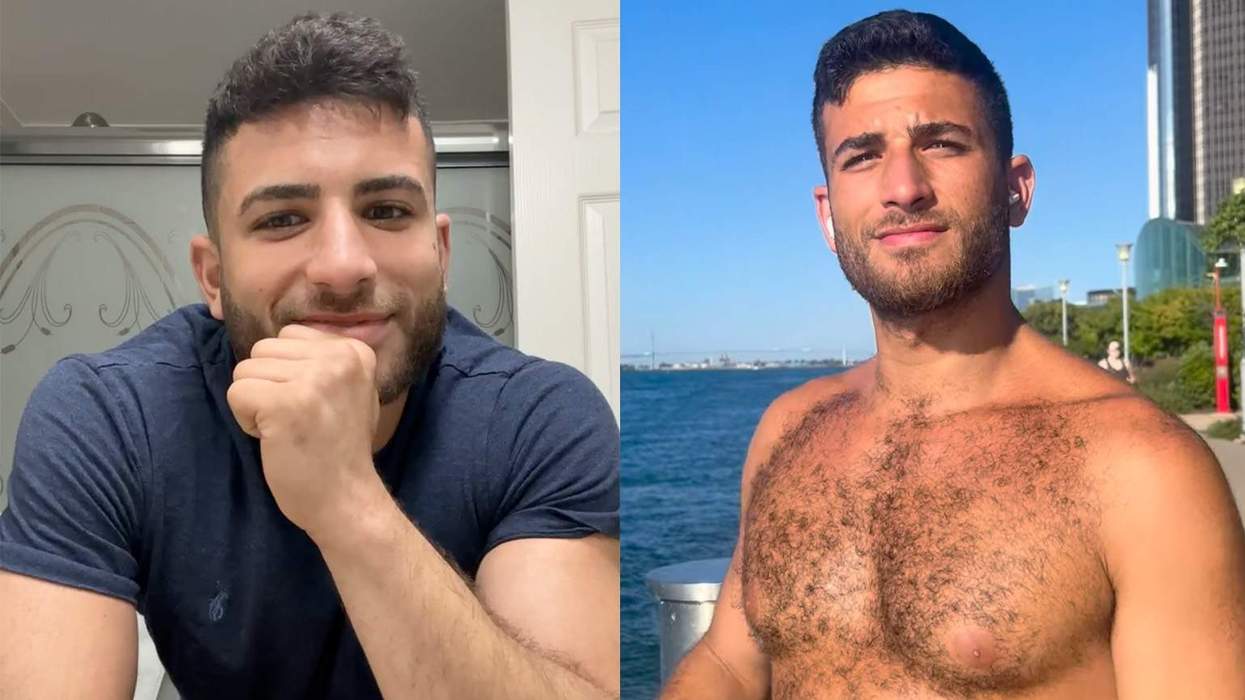
In the Illinois 13th Congressional District, 32-year-old Army captain and biochemist Dylan Blaha is mounting a progressive primary challenge against Democratic U.S. Rep. Nikki Budzinski, who has represented the district since 2023. At the core of his campaign is a clear commitment to LGBTQ+ rights and a critique of what he sees as his own party’s growing reluctance to defend the community.
Keep up with the latest in LGBTQ+ news and politics. Sign up for The Advocate’s email newsletter.
Blaha told The Advocate he’s running because “an attack on one is an attack on all.” He said he was raised to believe in equality and can’t stay quiet as transgender people, drag performers, and queer Americans become political targets. “What’s happening right now to trans people — to the LGBTQ+ community — is not OK. Somebody needs to stand up.”
Describing himself as a lifelong ally, Blaha said his approach stems from both his personal values and his professional experience. The combat medic–turned–medical planner deployed to Afghanistan and later served in Germany supporting NATO operations after Russia invaded Ukraine. “The military taught me that silence and inaction carry consequences,” he said. “When governments stop valuing human life, it starts small, and that’s why you stand up early.”
Candid allyship
Blaha describes himself as a “fighter ally,” committed to centering queer and trans inclusion in his campaign. He told The Advocate that his team includes trans and nonbinary volunteers, and he said they are developing research-driven “white papers” that would guide legislation to strengthen federal nondiscrimination protections and prevent anti-LGBTQ+ laws from resurfacing. “We’re grounding everything in data and expertise,” he said. “No human should be left behind.”
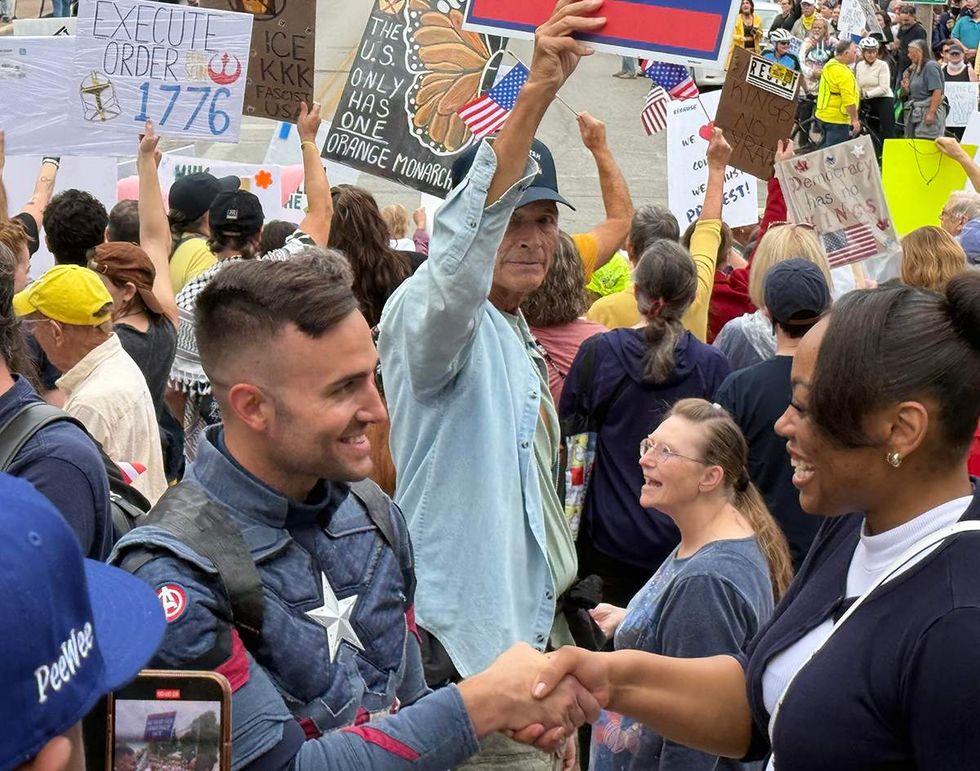
Dylan Blaha in a Captain America outfit at a recent No Kings rally.
Courtesy Pictured
That commitment sets him apart in a political climate where some Democrats have grown cautious about how they discuss LGBTQ+ rights. As The Advocate recently reported, party consultants and centrist think tanks have privately advised candidates to avoid using terms like “LGBTQIA+,” “cisgender,” or even “allyship,” arguing that such language can alienate moderate voters.
Related: What Zohran Mamdani's mayoral primary win means for LGBTQ+ New Yorkers
After Vice President Kamala Harris lost the 2024 election, some on the left credited Republican ads targeting Harris for her support of trans rights. Massachusetts U.S. Rep. Seth Moulton agreed with right-wing talking points about kids playing sports with other kids who may be trans, and told The Advocate in November that while he supports trans rights broadly, concerns about the right of trans kids to play with cisgender kids are valid.
Blaha rejects that logic entirely. He said Democrats who take such advice “aren’t bad people, but they’re getting bad guidance from consultants who say, ‘Don’t talk about trans rights; it’s not a winning issue.’ That’s disgusting to me. You don’t win by abandoning your values.”
Progressive candidates stepping up
Blaha’s unapologetic stance places him in the company of a new wave of progressive Democrats, including Zohran Mamdani in New York City, Georgia state representative and gubernatorial candidate Ruwa Romman, and Florida’s Maxwell Frost, the youngest person elected to Congress, who view equality and justice as inseparable from issues like housing and health care. In Virginia, gay Navy veteran Mike Pruitt is running to flip a red district, while gay Navy reservist James Osyf has made defending LGBTQ+ service members central to his own congressional campaign.
Like those candidates, Blaha argues that equality and affordability are interconnected. “You can’t separate equality from affordability,” he said. “The trans woman sleeping in her car because she got fired deserves housing just as much as the single mom who can’t afford rent. These fights are part of the same struggle.”
Challenging his own party
Blaha’s opponent, Budzinski, flipped the district blue in 2022 and has worked to hold together a coalition of moderates and labor voters across central and southern Illinois. Blaha contends her approach has left too many behind. He points to her votes for the National Defense Authorization Act and the Laken Riley Act, which he says “hurt our trans [and immigrant] community.”
“When people in our community asked what they could do, they were told, ‘Vote for me in the next election,’” he said. “That’s not enough. People want action now.”
Poverty in parts of the district hovers around 17 percent, Blaha said, and he connects that to the same systemic neglect he sees in national conversations about equality. “We have enough homes to house everyone,” he said. “They’re just owned by billionaires and corporations who treat them like stock portfolios.”
His party’s willingness to compromise on LGBTQ+ issues mirrors its broader failures, or at least perceived failures, on immigration, crime, and the economy, he added. “[Democrats] have rolled over. When you start asking if it’s worth standing up for trans people, you’ve already lost the moral argument.”
Related: Meet the gay Navy veteran trying to flip a red congressional seat in Virginia
Blaha’s critique of his party comes at a time when both major political brands are underwater. According to RealClearPolling, the Democratic Party’s favorability rating stands at about 34.7 percent favorable and 58.3 percent unfavorable. The Republican Party fares only slightly better, with about 42.7 percent favorable and 53.6 percent unfavorable.
At the same time, Donald Trump’s approval rating has inched upward to roughly 42 percent despite widespread public blame directed at Republicans for the recent government shutdown, according to Reuters/Ipsos. The data highlight what Blaha sees as a crisis of confidence in both parties — one that, he said, demands “moral clarity, not political calculation.
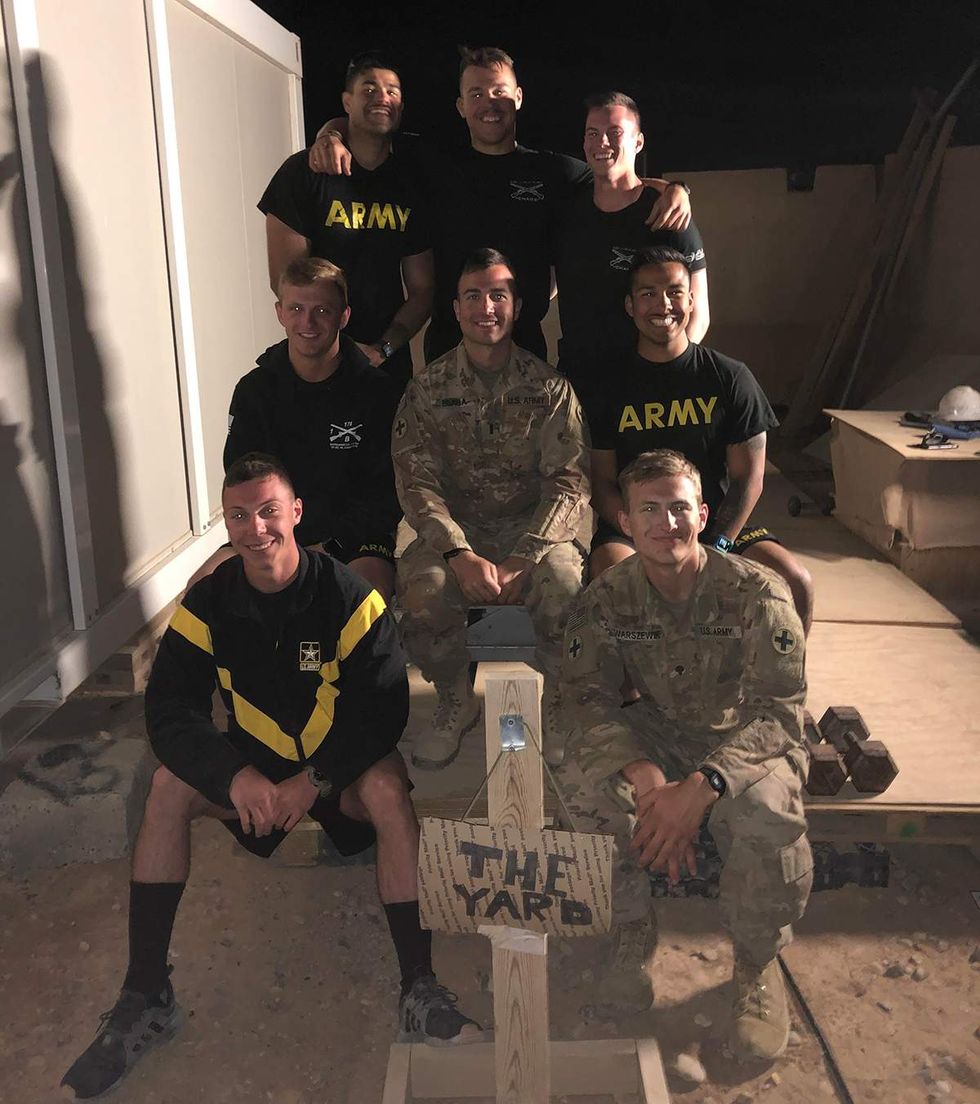
Dylan Blaha (center) on deployment.
Courtesy Pictured
A campaign of conviction
Blaha joined the Illinois National Guard to pay for college after dropping out of nursing school because he couldn’t afford tuition. He later earned degrees in molecular and cellular biology and biochemistry and worked in cancer research before returning to active duty. Those experiences, he said, taught him discipline and empathy.
When asked about his own tattoos — a detail that sometimes sparks online speculation about veterans and political candidates — Blaha said, “I have six total tattoos.” They include a blue heart with red roses on his chest; a phrase on his right side reading “For Those I Love I Will Sacrifice”; a name with a Roman numeral birth date on his left side; and a Celtic cross he got with his parents after a family trip to Ireland. Across his upper back is a Batman symbol encircled by the quote, “It’s not who I am underneath, but what I do that defines me.” He also carries what he calls a post-PTSD reminder on his arm: an angel of death meant to help him “remember how to live life — like there might not be a tomorrow.”
When he isn’t campaigning, Blaha says he’s still trying to hold on to the small joys that keep him grounded. A self-professed gamer, he laughed that his PlayStation 5 hasn’t seen much action since he started running for Congress. “I like to play video games, though I haven’t played since I started running,” he said. “Even comic books and fantasy — I miss that stuff. These days it’s been all nonfiction and policy briefs.”
Related: What Zohran Mamdani's mayoral primary win means for LGBTQ+ New Yorkers
He said the discipline he learned in the Army keeps him balanced, but his love of gaming and reading science fiction speaks to the kind of world-building imagination he wants in politics. “I think part of why I loved games and stories is because they teach you to think about what’s possible — to look at systems, rules, and how things can change,” he said.
He still runs every morning to manage PTSD from his deployment and says knocking on doors has become his new form of stress relief. “When people ask if I’ll stand up to Trump or defend trans kids, the answer is yes, every time,” he said.
Blaha admits that unseating an incumbent with national backing won’t be easy, but insists that Democrats must reclaim their moral clarity. “The Democratic brand is faltering because it lost its soul,” he said. “Voting in the next election isn’t enough when people are losing their rights now. I’m running because I still believe we can be brave again.”
He added, “It’s time to fight back.”
Editor's note: This story has been updated with details about Dylan Blaha's tattoos.