'%3E%3Cpath d='M16.3574 35.6519H12.9537L15.0491 18.8873L16.3574 35.6519ZM30.4229 54.0093L22.309 0.994385H7.91795L0 54.0093H10.6634L11.5802 46.3855H17.4014L17.9914 54.0093H30.4229Z' fill='%23971B20'/%3E%3Cpath d='M48.2073 41.8813C48.2073 43.4049 47.4892 44.0011 46.1144 44.0011H43.7595V11.0687H46.1144C47.4892 11.0687 48.2073 11.6636 48.2073 13.1885V41.8813ZM59.5273 43.6695V11.3326C59.5273 3.71323 53.5729 0.994385 47.8157 0.994385H31.7213V54.0093H47.8157C53.5729 54.0093 59.5273 51.29 59.5273 43.6695Z' fill='%23971B20'/%3E%3Cpath d='M90.183 0.994385H78.6039L75.0711 30.6157L71.9955 0.994385H59.4346L69.2474 54.0093H80.373L90.183 0.994385Z' fill='%23971B20'/%3E%3Cpath d='M107.063 42.3448C107.063 43.7359 105.951 44.5974 104.643 44.5974C103.269 44.5974 102.157 43.7359 102.157 42.3448V12.658C102.157 11.2676 103.269 10.4058 104.643 10.4058C105.951 10.4058 107.063 11.2676 107.063 12.658V42.3448ZM119.233 43.2723V11.7312C119.233 6.36384 112.952 -3.8147e-06 104.643 -3.8147e-06C96.2667 -3.8147e-06 89.9867 6.36384 89.9867 11.7312V43.2723C89.9867 48.6393 96.2667 55 104.643 55C112.952 55 119.233 48.6393 119.233 43.2723Z' fill='%23971B20'/%3E%3Cpath d='M150.976 43.9349V33.7309H139.069V42.3448C139.069 43.7359 137.957 44.5974 136.582 44.5974C135.076 44.5974 133.964 43.7359 133.964 42.3448V12.658C133.964 11.2676 135.076 10.4058 136.582 10.4058C137.957 10.4058 139.069 11.2676 139.069 12.658V21.2723H150.976V11.0687C150.976 5.70107 145.283 -3.8147e-06 136.582 -3.8147e-06C127.75 -3.8147e-06 121.796 5.70107 121.796 11.0687V43.9349C121.796 49.3022 127.75 55 136.582 55C145.283 55 150.976 49.3022 150.976 43.9349Z' fill='%23971B20'/%3E%3Cpath d='M167.478 35.6519H164.076L166.17 18.8873L167.478 35.6519ZM181.544 54.0093L173.432 0.994385H159.037L151.123 54.0093H161.785L162.704 46.3855H168.523L169.114 54.0093H181.544Z' fill='%23971B20'/%3E%3Cpath d='M205.412 10.4058V0.994385H177.081V10.4058H185.392V54.0093H197.428V10.4058H205.412Z' fill='%23971B20'/%3E%3Cpath d='M230.002 54.0093V43.9349H218.914V31.8746H226.635V21.8028H218.914V10.4058H230.002V0.994385H206.875V54.0093H230.002Z' fill='%23971B20'/%3E%3C/g%3E%3Cdefs%3E%3CclipPath id='clip0_260_7080'%3E%3Crect width='230' height='55' fill='white'/%3E%3C/clipPath%3E%3C/defs%3E%3C/svg%3E)
When the Trump administration moved again in January 2025 to bar transgender people from serving in the military, it returned to a familiar argument, using less than a handful of reports as evidence: that the policy is about standards, not identity; that unit cohesion would fray; that readiness would suffer; that medical costs would swell beyond reason. But the reality is quite different.
Published in the International Journal of Transgender Health, a new paper led by Kati McNamara, an assistant professor at the University of Nevada, Las Vegas, analyzed 58 empirical studies on transgender service in the U.S. military.
“I kept hearing these assertions from the government and then repeated by laypeople that trans folks were costing us too much, harming unit cohesion, not ready for deployment,” she says. “So I was literally looking for that data. And I just could not find a single study that said that.”
Consider the first and loudest claim by those supporting the ban: cost. The Pentagon spends roughly $5 million a year on care associated with transgender service members, and only about $1 million of that is for gender-affirming medical care. Those figures are a tiny percentage of a military health system budget measured in the tens of billions.
The military spends vastly more on treating obesity, musculoskeletal injuries, pregnancy and childbirth, vision problems, and the ordinary ailments of a large, young population. If transgender care is disqualifying on cost grounds, McNamara says, then so is nearly everything else. “The argument just floats away,” she says.
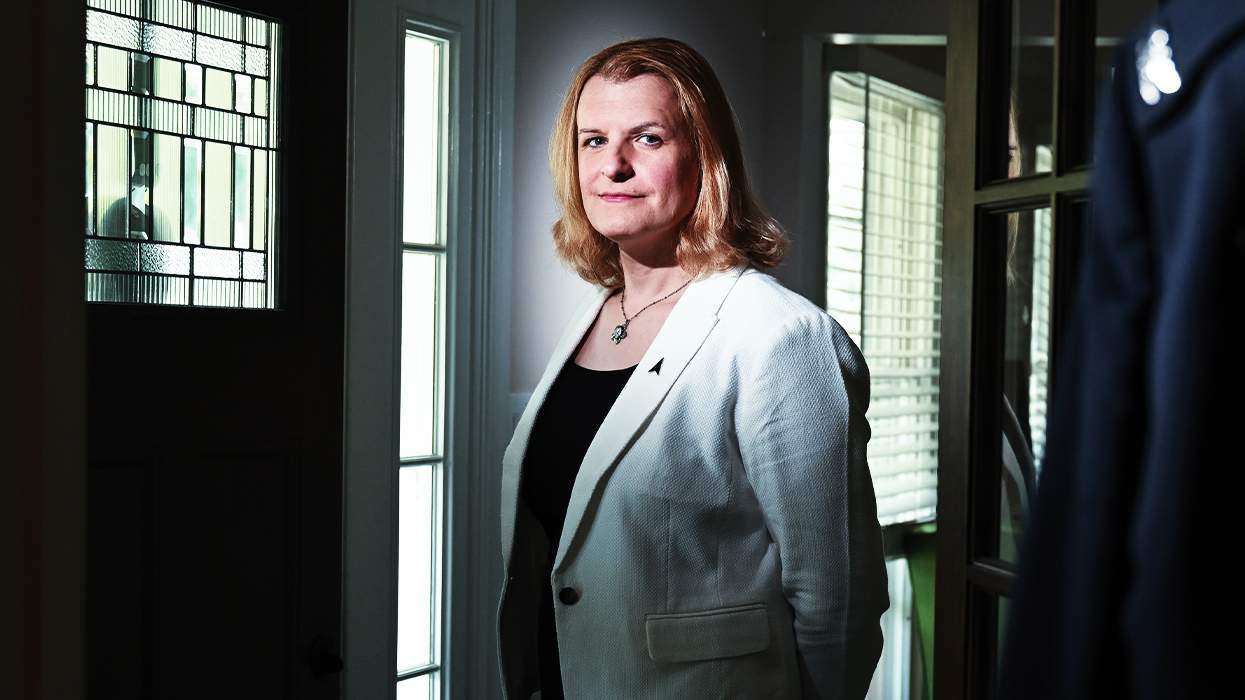
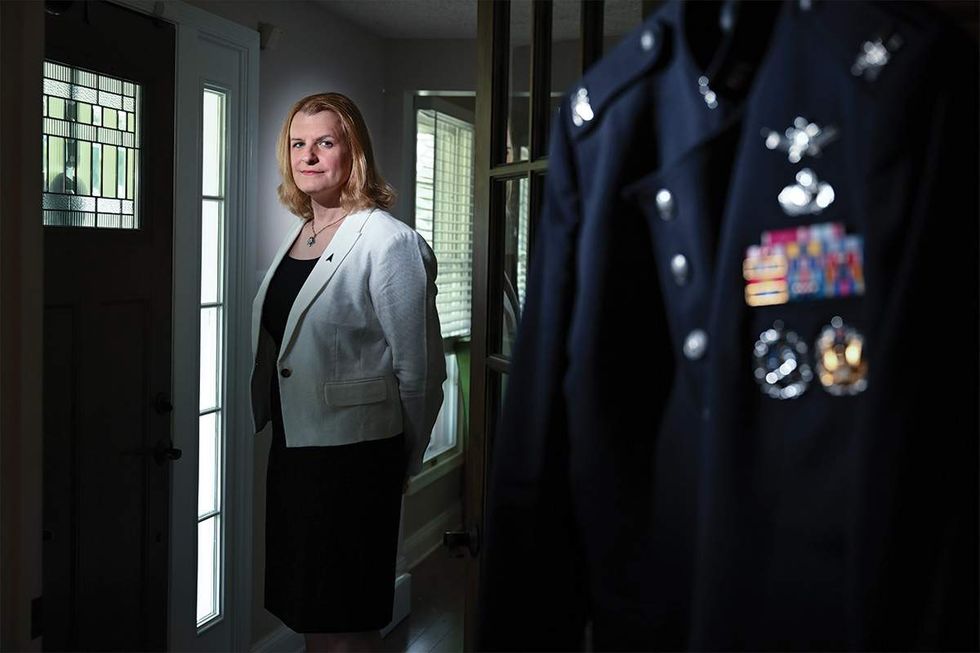 Retired Space Force Col. Bree Fram was forced out of the military under Trump’s trans military ban.Matt McClain/The Washington Post via Getty Images
The readiness argument also dissolves in much the same way. Opponents of open service often invoke an image of constant surgery and recovery, a force perpetually sidelined. However, a small percentage of transgender service members undergo surgery while serving. About half of those who seek hormone therapy receive it, and many do so through civilian providers because the military system can be cumbersome. In a few studies examining deployment, service members reported scheduling procedures or treatment changes around deployment cycles. “They don’t want to be a burden,” McNamara says. “They want to deploy.”
The review’s conclusion is narrow but firm: There is no evidence that transgender service members are less deployable than peers recovering from knee injuries, postpartum leave, or any number of routine medical conditions.
Unit cohesion, the most emotionally charged of the administration’s claims, is also the most resistant to tidy measurement. “We can’t necessarily prove that unit cohesion is better with trans folks in the unit,” she says. What the literature does show is simpler: There is no data demonstrating that transgender service members harm cohesion.
Where the research is most consistent and most sobering is on mental health. Transgender service members and veterans face higher rates of depression, anxiety, PTSD, and suicidality. But when studies apply more sophisticated analyses, the predictors of those conditions are not identity. Trans troops are exposed to discrimination, harassment, sexual violence, and stigma. “That’s what predicts negative mental health outcomes,” McNamara says. Supportive leadership and affirming environments, by contrast, are associated with better outcomes.
If there is a future research agenda here, McNamara hopes it turns away from the question of whether transgender people can serve and toward the conditions under which institutions reduce harm without using people as test cases.
The professor is also unambiguous about what is at stake. Mischaracterizing research to serve a political end, McNamara says, is not just a technical error; it is a moral one. “We owe it to our service people to be real, to be honest about these findings,” she says.
This article is part of The Advocate’s Mar-Apr 2026 print issue, which hits newsstands March 24. Support queer media and subscribe — or download the issue through Apple News+, Zinio, Nook, or PressReader.