'%3E%3Cpath d='M16.3574 35.6519H12.9537L15.0491 18.8873L16.3574 35.6519ZM30.4229 54.0093L22.309 0.994385H7.91795L0 54.0093H10.6634L11.5802 46.3855H17.4014L17.9914 54.0093H30.4229Z' fill='%23971B20'/%3E%3Cpath d='M48.2073 41.8813C48.2073 43.4049 47.4892 44.0011 46.1144 44.0011H43.7595V11.0687H46.1144C47.4892 11.0687 48.2073 11.6636 48.2073 13.1885V41.8813ZM59.5273 43.6695V11.3326C59.5273 3.71323 53.5729 0.994385 47.8157 0.994385H31.7213V54.0093H47.8157C53.5729 54.0093 59.5273 51.29 59.5273 43.6695Z' fill='%23971B20'/%3E%3Cpath d='M90.183 0.994385H78.6039L75.0711 30.6157L71.9955 0.994385H59.4346L69.2474 54.0093H80.373L90.183 0.994385Z' fill='%23971B20'/%3E%3Cpath d='M107.063 42.3448C107.063 43.7359 105.951 44.5974 104.643 44.5974C103.269 44.5974 102.157 43.7359 102.157 42.3448V12.658C102.157 11.2676 103.269 10.4058 104.643 10.4058C105.951 10.4058 107.063 11.2676 107.063 12.658V42.3448ZM119.233 43.2723V11.7312C119.233 6.36384 112.952 -3.8147e-06 104.643 -3.8147e-06C96.2667 -3.8147e-06 89.9867 6.36384 89.9867 11.7312V43.2723C89.9867 48.6393 96.2667 55 104.643 55C112.952 55 119.233 48.6393 119.233 43.2723Z' fill='%23971B20'/%3E%3Cpath d='M150.976 43.9349V33.7309H139.069V42.3448C139.069 43.7359 137.957 44.5974 136.582 44.5974C135.076 44.5974 133.964 43.7359 133.964 42.3448V12.658C133.964 11.2676 135.076 10.4058 136.582 10.4058C137.957 10.4058 139.069 11.2676 139.069 12.658V21.2723H150.976V11.0687C150.976 5.70107 145.283 -3.8147e-06 136.582 -3.8147e-06C127.75 -3.8147e-06 121.796 5.70107 121.796 11.0687V43.9349C121.796 49.3022 127.75 55 136.582 55C145.283 55 150.976 49.3022 150.976 43.9349Z' fill='%23971B20'/%3E%3Cpath d='M167.478 35.6519H164.076L166.17 18.8873L167.478 35.6519ZM181.544 54.0093L173.432 0.994385H159.037L151.123 54.0093H161.785L162.704 46.3855H168.523L169.114 54.0093H181.544Z' fill='%23971B20'/%3E%3Cpath d='M205.412 10.4058V0.994385H177.081V10.4058H185.392V54.0093H197.428V10.4058H205.412Z' fill='%23971B20'/%3E%3Cpath d='M230.002 54.0093V43.9349H218.914V31.8746H226.635V21.8028H218.914V10.4058H230.002V0.994385H206.875V54.0093H230.002Z' fill='%23971B20'/%3E%3C/g%3E%3Cdefs%3E%3CclipPath id='clip0_260_7080'%3E%3Crect width='230' height='55' fill='white'/%3E%3C/clipPath%3E%3C/defs%3E%3C/svg%3E)
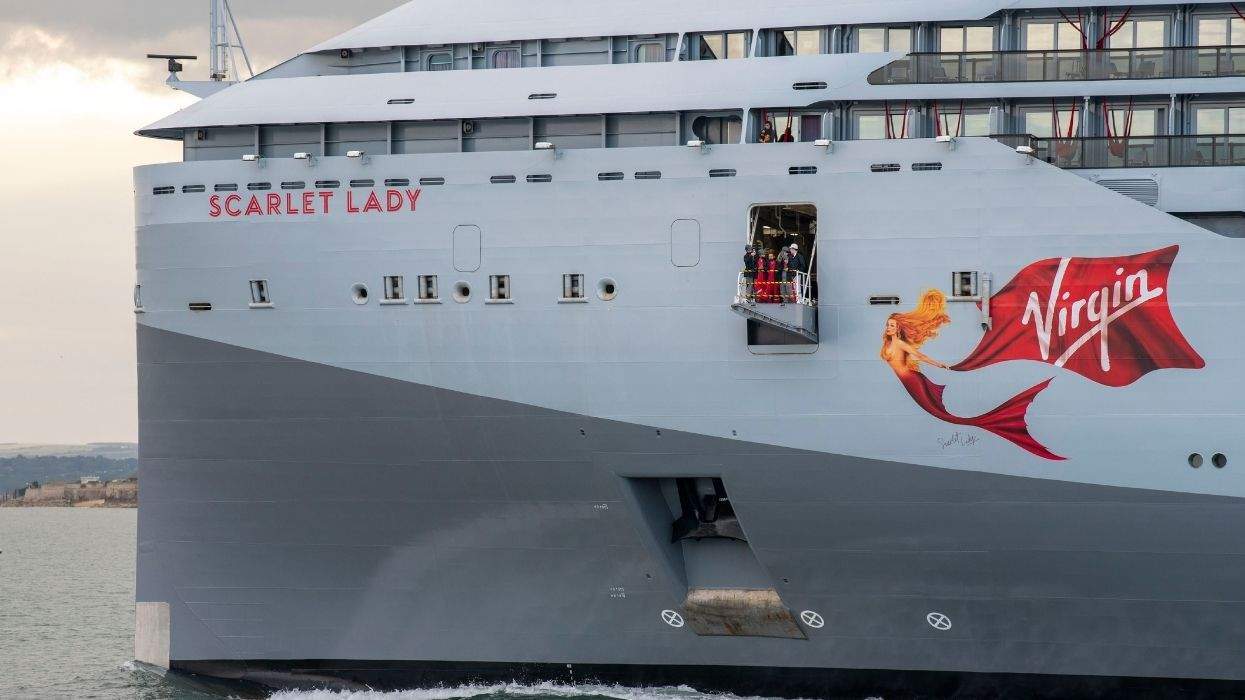
A Mediterranean cruise chartered for thousands of LGBTQ+ travelers, most of them gay men, has been blocked from docking at a second country along its itinerary because of who the travelers are.
As The Advocate reported on Friday, Virgin Voyages’ Scarlet Lady, chartered by Atlantis Events for a 10-day sailing from Athens, Greece, to Italy, was denied scheduled port calls in Kuşadası and Istanbul by Turkish authorities last week, citing "moral standards," forcing organizers to change the route shortly before the ship arrived. Atlantis said on its website that Turkish authorities informed the company the ship would not be permitted to dock in either city.
Related: Turkish government blocks gay cruise carrying Americans from docking, citing ‘moral standards’
Now, the replacement stop in Alexandria, Egypt, has reportedly been canceled as well, according to VV Insider, a Virgin Voyages-focused news site. The Advocate has not independently confirmed the cancellation in Egypt.
VV Insider reported that passengers received a message via the onboard app stating that Scarlet Lady had been “denied entry into Egyptian waters” and would no longer call at Alexandria.
“We’re incredibly disappointed to share that Scarlet Lady has just been denied entry into Egyptian waters and will no longer be able to call in Alexandria,” the message said, according to VV Insider. “We’re working hard to secure an alternative port. [CEO] Rich [Campbell] from Atlantis Events and Captain Bram will share more details later this morning, but we wanted to let you know as soon as we received this unfortunate news.”
The Advocate has reached out to Atlantis Events for confirmation and comment, including whether the Alexandria stop was canceled and whether the company was told the decision was related to the LGBTQ+ passengers or the nature of the charter, but did not hear back.
The Advocate also asked the U.S. State Department via email what it says about American citizens and an American company being denied entry to a foreign port because of who the travelers are, and whether it has raised the matter with officials in Turkey or Egypt. A State Department press officer asked The Advocate for more time, but did not respond as they had suggested they would after additional time was given. The Advocate will update this story if the agency responds.
The Advocate also contacted the Embassy of Egypt in Washington, D.C., asking whether Egyptian authorities had canceled or denied the ship’s scheduled port call and, if so, why, but did not hear back. The White House also did not respond to The Advocate’s request for comment.
Atlantis’ revised itinerary, still posted on its website Thursday morning, listed “Cairo (Alexandria), Egypt” for Thursday from 7 a.m. to 10 p.m., followed by Crete, on Saturday.
Turkish authorities in Aydın Province, where Kuşadası is located, said the planned visit had been canceled because the group did not align with “the structure of our society and our moral values,” according to the Washington Post.
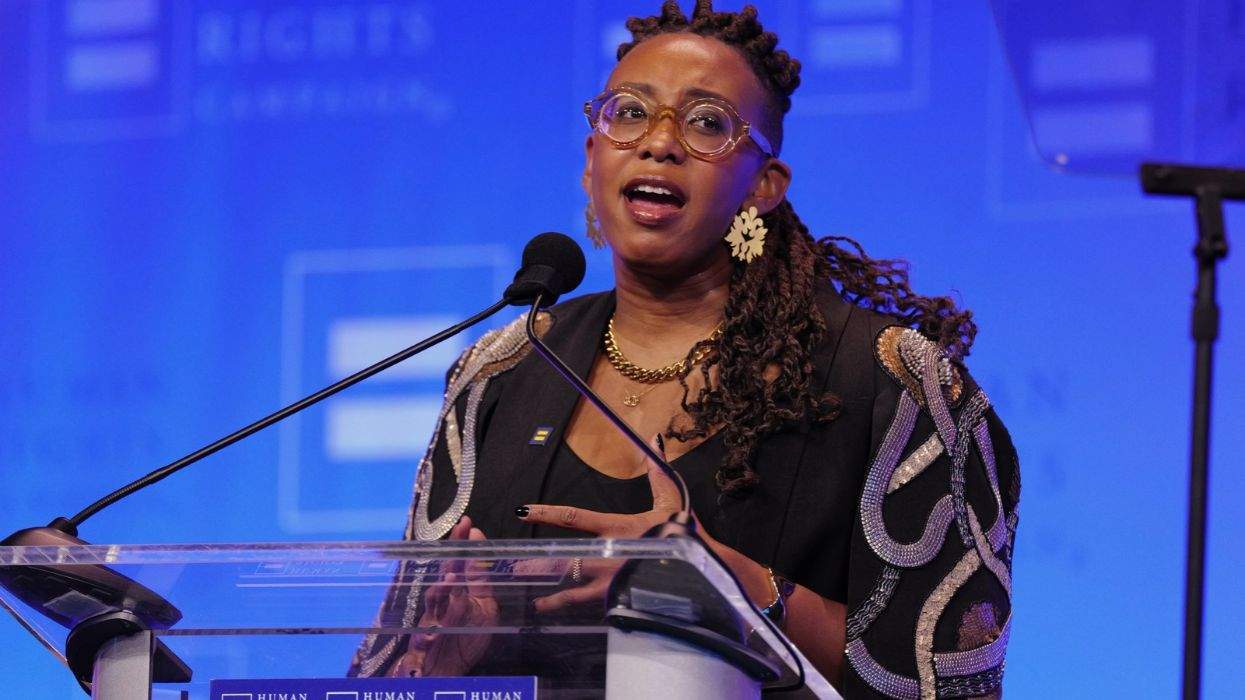
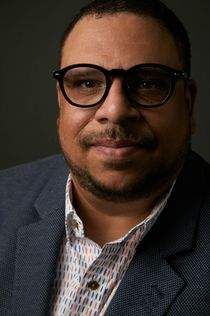
Rich Campbell, president and CEO of Atlantis Events, told CNN that this was the first time in the company’s 36-year history it had been denied port access because of its guests' identities. He said the cruise was not a political event but a tourism trip.
Another major LGBTQ+ travel company said the denials were highly unusual. A spokesperson for VACAYA, which also operates LGBTQ+ cruise charters, told The Advocate that the company has “never been turned away from a port” and has “called on both Türkiye and Egypt successfully before.”
Randle Roper, VACAYA’s co-founder and chief experience officer, said in a statement to The Advocate that the company “stands firmly behind" Atlantis Events. “These two destinations have welcomed LGBTQ+ travelers from around the world for decades, which makes these bone-headed denials even more perplexing,” Roper said. “We believe this is part of a shifting global tide against our community, emboldened in part by the change in rhetoric and policy we’ve seen under the current U.S. administration.”
The sailing has drawn wider attention in part because Broadway legend Patti LuPone is among the scheduled performers. LuPone said on Instagram that she was “furious” after learning the cruise had been blocked from Turkey because of who was aboard.
The U.S. State Department warns LGBTQ+ travelers that laws and attitudes abroad can affect their safety and ease of travel. Its guidance says travelers may face challenges based on their real or perceived sexual orientation and that some destinations ban public gatherings supporting gay and lesbian communities or restrict materials and images that show support for gay and lesbian people.
The denial in Turkey comes amid a broader official crackdown on LGBTQ+ public life under President Recep Tayyip Erdoğan. Istanbul Pride has been banned for years, and police have repeatedly detained people who attempted to march. Homosexuality is legal in Turkey, but LGBTQ+ people and events have faced rising government hostility.
Egypt’s record is harsher. Although Egyptian law does not explicitly criminalize homosexuality, authorities have used morality, debauchery and public order laws to arrest and prosecute LGBTQ+ people, according to Human Rights Watch.