'%3E%3Cpath d='M16.3574 35.6519H12.9537L15.0491 18.8873L16.3574 35.6519ZM30.4229 54.0093L22.309 0.994385H7.91795L0 54.0093H10.6634L11.5802 46.3855H17.4014L17.9914 54.0093H30.4229Z' fill='%23971B20'/%3E%3Cpath d='M48.2073 41.8813C48.2073 43.4049 47.4892 44.0011 46.1144 44.0011H43.7595V11.0687H46.1144C47.4892 11.0687 48.2073 11.6636 48.2073 13.1885V41.8813ZM59.5273 43.6695V11.3326C59.5273 3.71323 53.5729 0.994385 47.8157 0.994385H31.7213V54.0093H47.8157C53.5729 54.0093 59.5273 51.29 59.5273 43.6695Z' fill='%23971B20'/%3E%3Cpath d='M90.183 0.994385H78.6039L75.0711 30.6157L71.9955 0.994385H59.4346L69.2474 54.0093H80.373L90.183 0.994385Z' fill='%23971B20'/%3E%3Cpath d='M107.063 42.3448C107.063 43.7359 105.951 44.5974 104.643 44.5974C103.269 44.5974 102.157 43.7359 102.157 42.3448V12.658C102.157 11.2676 103.269 10.4058 104.643 10.4058C105.951 10.4058 107.063 11.2676 107.063 12.658V42.3448ZM119.233 43.2723V11.7312C119.233 6.36384 112.952 -3.8147e-06 104.643 -3.8147e-06C96.2667 -3.8147e-06 89.9867 6.36384 89.9867 11.7312V43.2723C89.9867 48.6393 96.2667 55 104.643 55C112.952 55 119.233 48.6393 119.233 43.2723Z' fill='%23971B20'/%3E%3Cpath d='M150.976 43.9349V33.7309H139.069V42.3448C139.069 43.7359 137.957 44.5974 136.582 44.5974C135.076 44.5974 133.964 43.7359 133.964 42.3448V12.658C133.964 11.2676 135.076 10.4058 136.582 10.4058C137.957 10.4058 139.069 11.2676 139.069 12.658V21.2723H150.976V11.0687C150.976 5.70107 145.283 -3.8147e-06 136.582 -3.8147e-06C127.75 -3.8147e-06 121.796 5.70107 121.796 11.0687V43.9349C121.796 49.3022 127.75 55 136.582 55C145.283 55 150.976 49.3022 150.976 43.9349Z' fill='%23971B20'/%3E%3Cpath d='M167.478 35.6519H164.076L166.17 18.8873L167.478 35.6519ZM181.544 54.0093L173.432 0.994385H159.037L151.123 54.0093H161.785L162.704 46.3855H168.523L169.114 54.0093H181.544Z' fill='%23971B20'/%3E%3Cpath d='M205.412 10.4058V0.994385H177.081V10.4058H185.392V54.0093H197.428V10.4058H205.412Z' fill='%23971B20'/%3E%3Cpath d='M230.002 54.0093V43.9349H218.914V31.8746H226.635V21.8028H218.914V10.4058H230.002V0.994385H206.875V54.0093H230.002Z' fill='%23971B20'/%3E%3C/g%3E%3Cdefs%3E%3CclipPath id='clip0_260_7080'%3E%3Crect width='230' height='55' fill='white'/%3E%3C/clipPath%3E%3C/defs%3E%3C/svg%3E)
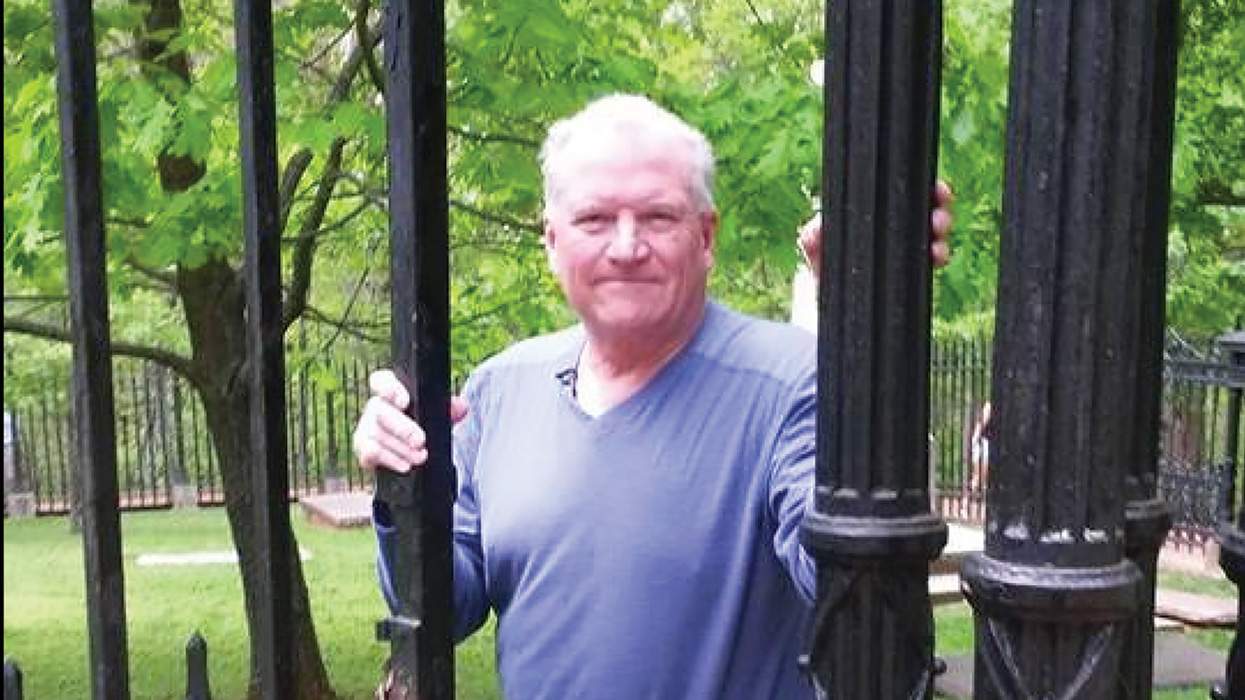

On the night of Friday, June 27, 1969, Lucian Truscott IV, scion of a military family, descendant of Thomas Jefferson, recent West Point graduate, Village Voice contributor, and future best-selling author, was going out for a drink at the Lion’s Head in New York City’s Greenwich Village.
But what was happening at the nearby Stonewall Inn stopped him in his tracks.
“I walked right into the riot as it was taking place,” Truscott says. “I realized right away it was a story.”
Voice columnist Howard Smith went into the bar to gather information, while Truscott stayed outside “and watched the escalation of what was happening,” he recalls.
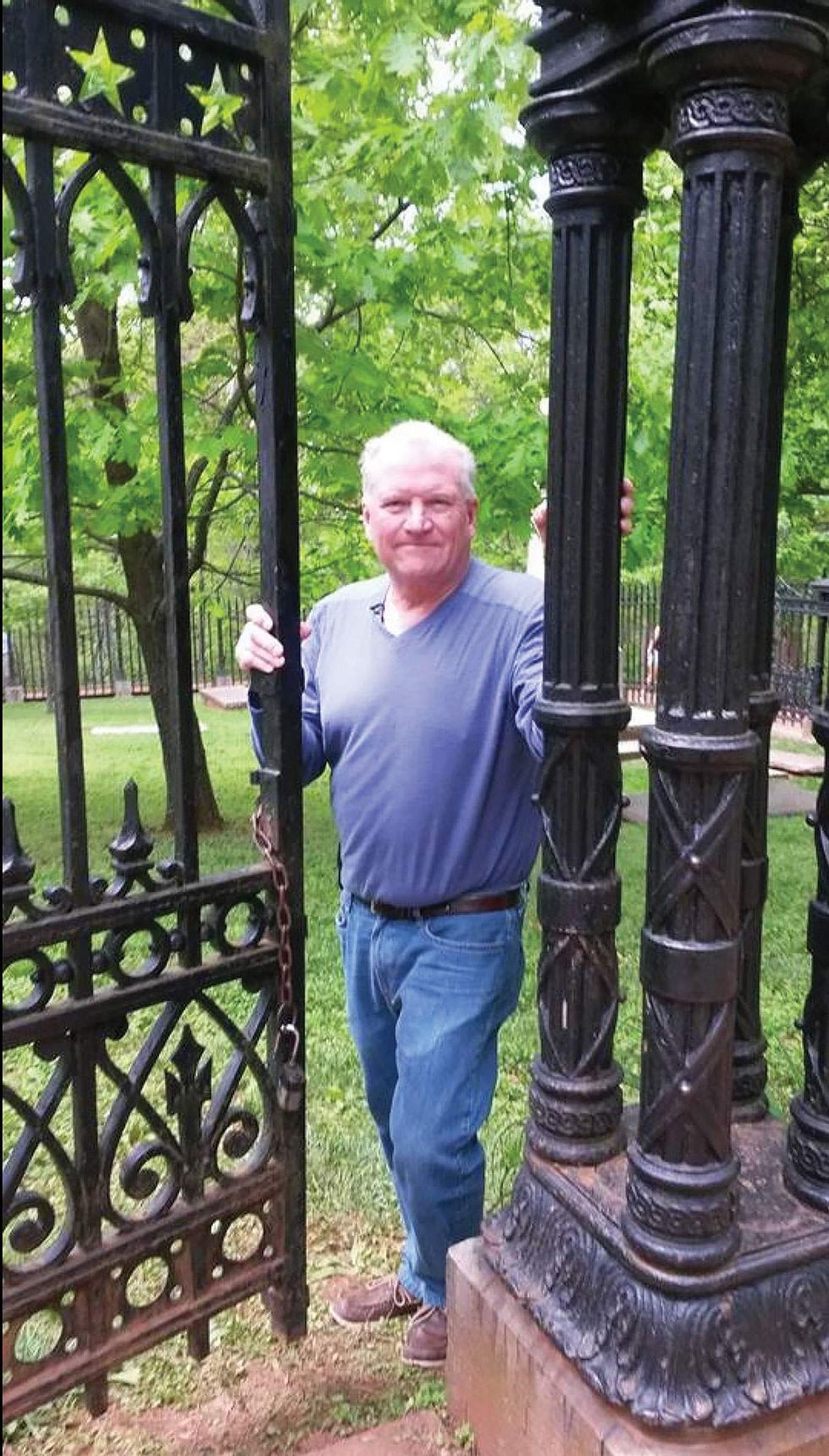 Acclaimed author and journalist Lucian Truscott IVFacebook/Lucian Truscott IV
Raids on gay bars were common. Most of the bars were controlled by organized crime, which would pay off police to look the other way — but if the mob wasn’t paying soon enough, the cops would raid the bars, Truscott explains.
At first cops were just bringing patrons out in handcuffs. The gay men, transgender women, and others who drank at the Stonewall were used to arrests, and they’d have friends bail them out. But on this night, some didn’t want to be arrested, and they started throwing things.
One person threw a cobblestone through the window of the Stonewall. Then someone lit a newspaper on fire and threw it into the bar. The fire was put out, but “the riot kept going on, people were yelling, throwing pieces of wood, anything they could,” Truscott says.
Things eventually calmed down, but walking past the Stonewall the next day, Truscott realized something was going to happen that night. “The real riot was Saturday night,” he notes.
“Hundreds of people gathered around Stonewall, filled up Christopher Street so traffic couldn’t pass,” he says. The police tried to disperse the crowd, but the Stonewall customers outwitted them, running away on the Village’s twisting streets and coming back up behind the officers. Some patrons started a kick line, singing, “We are the Stonewall girls.”
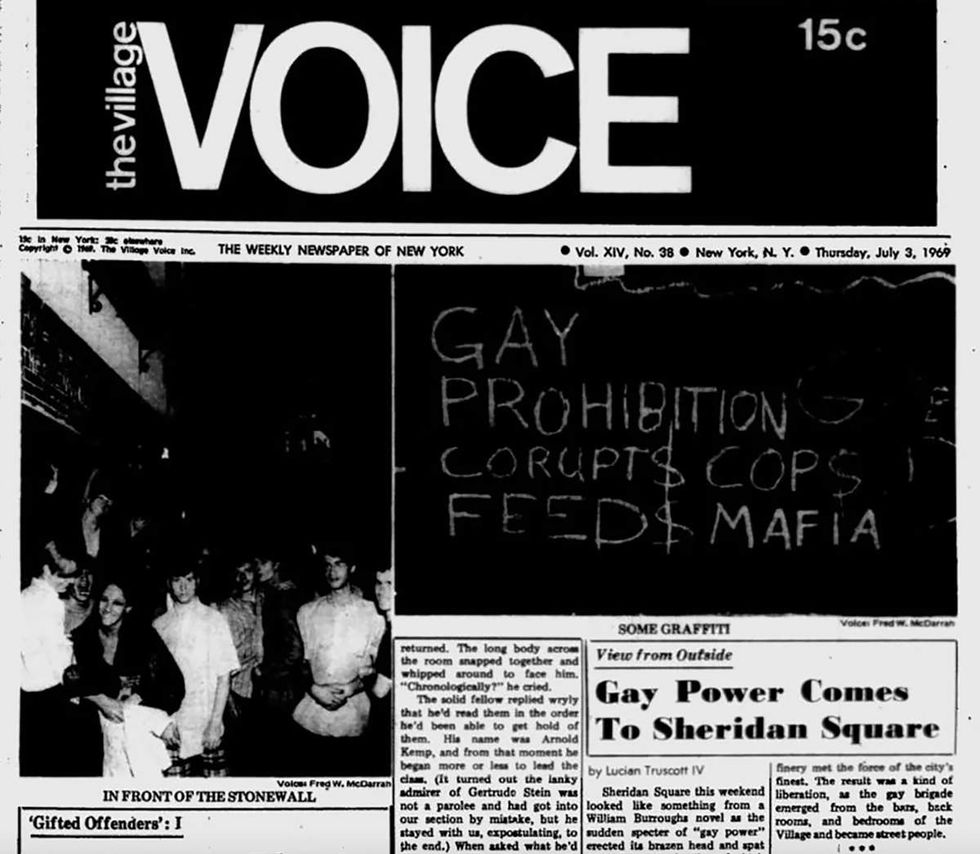 Truscott’s report on the Stonewall riots in The Village Voice, July 3, 1969Village Voice Archive
“It was something to see,” Truscott says. “The cops had never seen gay people stand up to them.” But no one knew at the time that it was “the Rosa Parks moment for gays,” he says, referring to how the Stonewall Uprising catalyzed the LGBTQ+ rights movement in a way similar to how Rosa Parks’s protest catalyzed the Civil Rights Movement.
By Sunday, the rioting was pretty much over. Near the Stonewall that day, Truscott ran into poet Allen Ginsberg, and they went into the bar. A stereo was playing music in the back room, so “Second Lt. Truscott and Allen went into the back room of the Stonewall and danced,” he says. When they parted that night, Ginsberg told him, “Protect the fairies, Lucian.”
Truscott is straight, but he has been a staunch LGBTQ+ ally for decades. Being gay is a part of nature, like trees, he notes, and “you can’t be against trees.” He used some gay slurs in his Voice story, but many people, including gays, used them at the time, he says. Some objected, though, and “the first gay Pride protest was against me,” he says. He apologized and quit using the terms.
He went on to write Dress Gray, a best-selling novel about the murder of a gay West Point cadet, and other well-received books. Dress Gray was adapted into a TV miniseries by Gore Vidal.
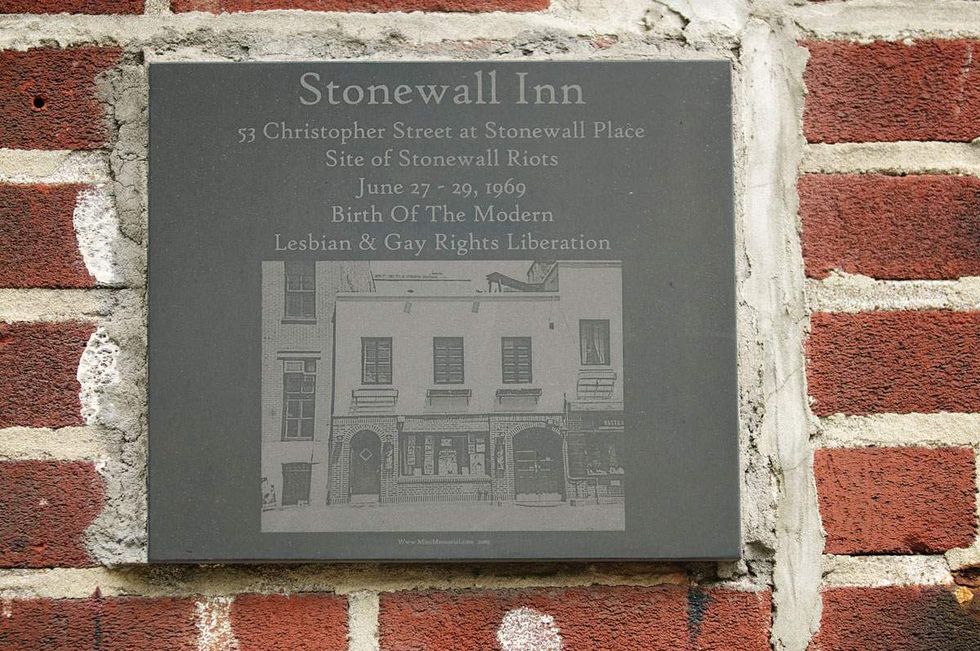 A plaque commemorates the riots on an exterior wall of the Stonewall InnPeskyMonkey/Shutterstock
Truscott deplores the racism, homophobia, and transphobia coming out of the Trump administration. The trans military ban is a “crock,” just as the gay ban was, he says. “Trans people have been in the military as long as there have been militaries,” he points out, and have served honorably.
Noting that people of color, women, and immigrants are under attack as well, he says, “I would love to sit down with [Trump aide] Stephen Miller and ask him what’s wrong with living next door to somebody who is an immigrant.”
So the battles of yore are being fought again, but they’re worth fighting, Truscott says, and he thinks the pendulum will swing back. And we must not forget history like Stonewall, he adds.
“Something enormous changed,” he says. “The enormity of it turned out to be casting off the idea that there’s something to be ashamed of if you’re gay.”
“It’s something that happened to me, but it happened to American history,” he says of Stonewall. “That it happened was important.”
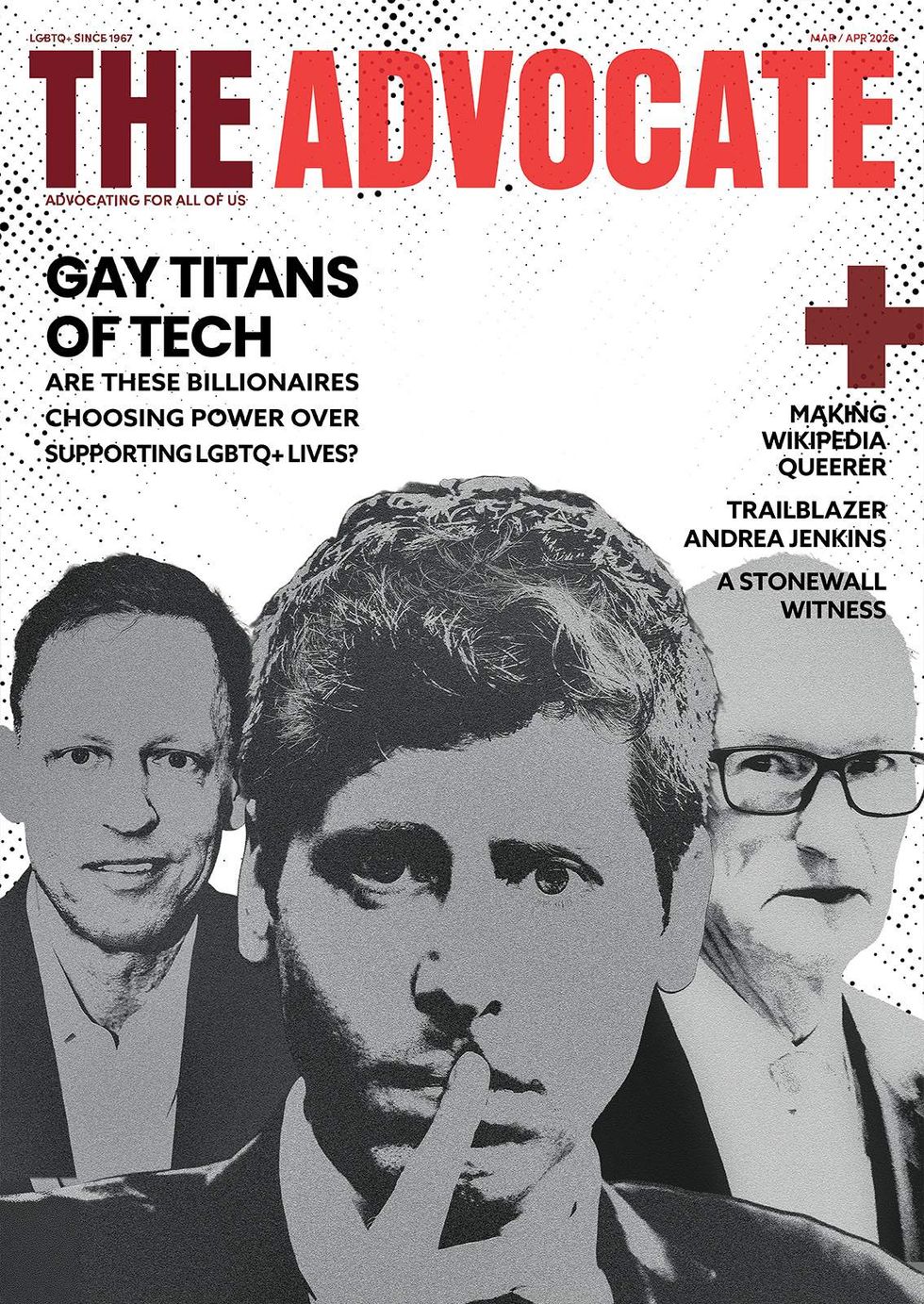
This article is part of The Advocate’s Mar-Apr 2026 print issue, now on newsstands. Support queer media and subscribe — or download the issue through Apple News+, Zinio, Nook, or PressReader.