'%3E%3Cpath d='M16.3574 35.6519H12.9537L15.0491 18.8873L16.3574 35.6519ZM30.4229 54.0093L22.309 0.994385H7.91795L0 54.0093H10.6634L11.5802 46.3855H17.4014L17.9914 54.0093H30.4229Z' fill='%23971B20'/%3E%3Cpath d='M48.2073 41.8813C48.2073 43.4049 47.4892 44.0011 46.1144 44.0011H43.7595V11.0687H46.1144C47.4892 11.0687 48.2073 11.6636 48.2073 13.1885V41.8813ZM59.5273 43.6695V11.3326C59.5273 3.71323 53.5729 0.994385 47.8157 0.994385H31.7213V54.0093H47.8157C53.5729 54.0093 59.5273 51.29 59.5273 43.6695Z' fill='%23971B20'/%3E%3Cpath d='M90.183 0.994385H78.6039L75.0711 30.6157L71.9955 0.994385H59.4346L69.2474 54.0093H80.373L90.183 0.994385Z' fill='%23971B20'/%3E%3Cpath d='M107.063 42.3448C107.063 43.7359 105.951 44.5974 104.643 44.5974C103.269 44.5974 102.157 43.7359 102.157 42.3448V12.658C102.157 11.2676 103.269 10.4058 104.643 10.4058C105.951 10.4058 107.063 11.2676 107.063 12.658V42.3448ZM119.233 43.2723V11.7312C119.233 6.36384 112.952 -3.8147e-06 104.643 -3.8147e-06C96.2667 -3.8147e-06 89.9867 6.36384 89.9867 11.7312V43.2723C89.9867 48.6393 96.2667 55 104.643 55C112.952 55 119.233 48.6393 119.233 43.2723Z' fill='%23971B20'/%3E%3Cpath d='M150.976 43.9349V33.7309H139.069V42.3448C139.069 43.7359 137.957 44.5974 136.582 44.5974C135.076 44.5974 133.964 43.7359 133.964 42.3448V12.658C133.964 11.2676 135.076 10.4058 136.582 10.4058C137.957 10.4058 139.069 11.2676 139.069 12.658V21.2723H150.976V11.0687C150.976 5.70107 145.283 -3.8147e-06 136.582 -3.8147e-06C127.75 -3.8147e-06 121.796 5.70107 121.796 11.0687V43.9349C121.796 49.3022 127.75 55 136.582 55C145.283 55 150.976 49.3022 150.976 43.9349Z' fill='%23971B20'/%3E%3Cpath d='M167.478 35.6519H164.076L166.17 18.8873L167.478 35.6519ZM181.544 54.0093L173.432 0.994385H159.037L151.123 54.0093H161.785L162.704 46.3855H168.523L169.114 54.0093H181.544Z' fill='%23971B20'/%3E%3Cpath d='M205.412 10.4058V0.994385H177.081V10.4058H185.392V54.0093H197.428V10.4058H205.412Z' fill='%23971B20'/%3E%3Cpath d='M230.002 54.0093V43.9349H218.914V31.8746H226.635V21.8028H218.914V10.4058H230.002V0.994385H206.875V54.0093H230.002Z' fill='%23971B20'/%3E%3C/g%3E%3Cdefs%3E%3CclipPath id='clip0_260_7080'%3E%3Crect width='230' height='55' fill='white'/%3E%3C/clipPath%3E%3C/defs%3E%3C/svg%3E)
I’m old enough to remember what it looked like when the government decided AIDS wasn't its problem.
I remember the silence from the Reagan White House as funerals piled up. I remember watching and hearing about brilliant sons, partners, uncles, friends, entire communities disappear while officials shrugged and said this was a “gay” disease, something that happened to people who had brought it on themselves.
Working on the Hill at the time, I listened to the horrid bigotry and homophobia coming from disgusting people. There was no one more detestable than North Carolina Senator Jesse Helms, with California Congressman William Dannemeyer a close second. I remember passing Dannemeyer in the hallways now and then. It took everything in me not to punch him in the face.
They were vicious.
Related: William Dannemeyer, Leading Homophobe of His Era, Dead at 86
But I also remember the brave and courageous activists who had to scream and disrupt just to get legislators, and Ronald Reagan, to say the word "AIDS" out loud. And to finally, after years of agony, get legislation passed that helped fund HIV-related programs and the search for a cure.
Now, we are fighting again. Well, we've always been fighting, but in 2025 and into 2026, the second Trump administration initiated significant cuts to both domestic and global HIV programs. These actions include eliminating CDC HIV prevention branches, cutting research funding, reducing grants to state health departments, and scaling back PEPFAR funding, raising serious concerns about rising infection rates and disrupted care.
Related: Black LGBTQ+ leader derides Trump’s cuts to HIV funding after State of the Union
It's been 40 years since the ravages of AIDS tore through this country, and that horror is far removed from anyone now nearing 50. That means the decision-makers, those in state, local, and national elected office, most likely don't consider funding HIV programs a priority, or for that matter, fully understand the deadly consequences of the disease when left untreated.
Those of us who lived through those horrible days are aging, giving way to a generation far removed from the hell that transpired.
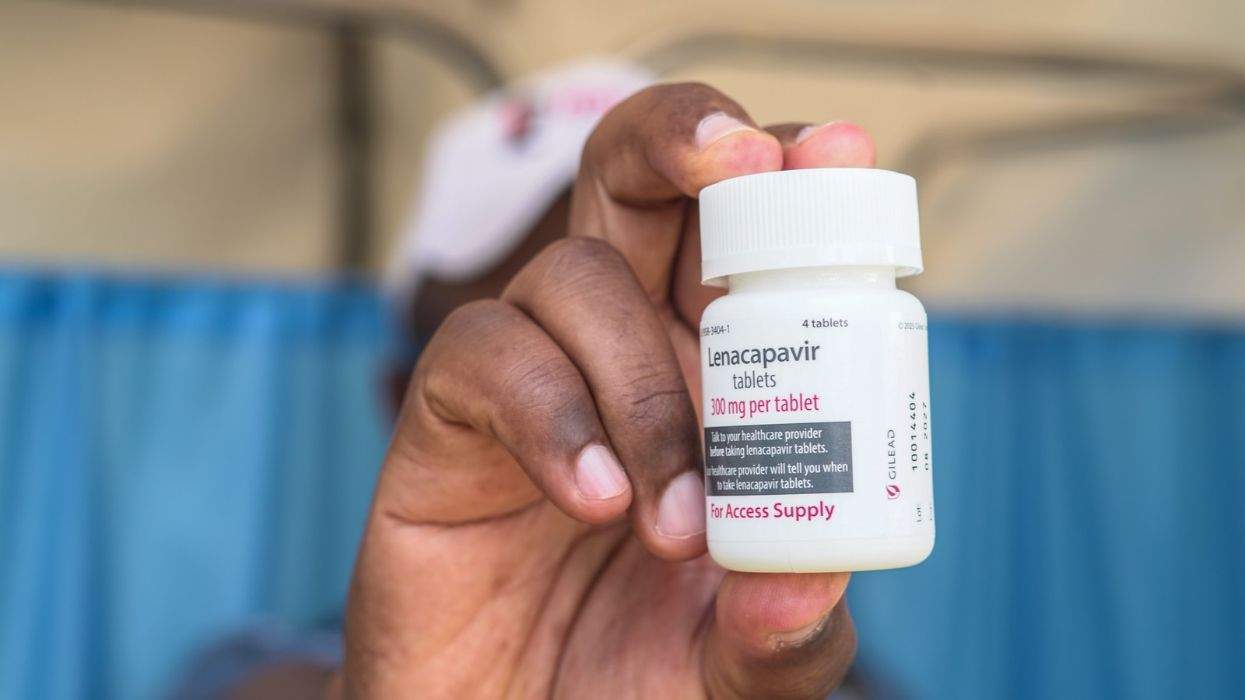
The New York Times reported earlier this week that states across this country, red and blue alike, are pulling back access to life-saving HIV medications, cutting the programs that keep people with HIV alive and undetectable, and quietly dismantling the safety net that took decades of activism, science, and grief to build.
Budget pressures, political indifference, and the bipartisan mistake of thinking that HIV is "over."
HIV care is often compared to diabetes care because both are managed as chronic, long-term conditions requiring daily medication, regular monitoring, and consistent lifestyle management to prevent severe, life-threatening complications.
So if you’re diabetic, just imagine government officials declaring that the threat of diabetes is over and starting to cut back your life-saving drugs and support programs. Wouldn't you be angry and afraid?
But that wouldn't happen because most likely, there isn't a homophobic bias built into your disease.
There is for HIV. The Ryan White HIV/AIDS Program, the nation's primary safety net for low-income people living with HIV, is under siege. Constrained budgets are squeezing HIV care and prevention programs, and limiting access to Ryan White services will directly affect people's ability to stay engaged in treatment.
Related: An HIV breakthrough is here. Let's not let it go to waste
Meanwhile, the proposed federal budget calls for over $525 million in cuts to the Ryan White Program and the elimination of all HIV prevention funding at the CDC, the very infrastructure that identifies people living with the virus and connects them to care before they can unknowingly pass it to others.
These cuts have devastating consequences. A recent study projects that cuts to Ryan White programs could produce nearly 24,000 additional HIV infections by 2030, a roughly 17 percent increase.
And the Foundation for AIDS Research estimates that eliminating HIV prevention funding alone could cause an additional 144,000 new HIV diagnoses, 15,000 deaths, and 128,000 more people living with HIV in the U.S. by 2030, with resulting costs to the health care system reaching $60 billion.
That is $60 billion to "save" money now, and ignore the catastrophe ahead.
There’s yet another dangerous assumption at play: that HIV is no longer a serious problem, and that if it still is, it only affects gay men.
This is the same deadly mindset we lived through in the 1980s. Then as now, the logic goes: It's a gay disease, so why should we prioritize it?
Then as now, the science says something completely different.
This has been said a million times, but it needs to be said again. HIV has never respected the boundaries we draw around it. It infects people across every demographic, every geography, every political affiliation.
Nearly 90 percent of CDC HIV prevention funding goes directly to state and local health departments, including those in the South, which carry over half of all HIV cases in the country. The South. Red states. Where some of the most aggressive budget cutters live and govern.
When people stop HIV treatment, the virus doesn’t disappear; it spreads. Without medication, viral loads rise, increasing the likelihood of transmission. When care is interrupted because of cost, clinic closures, or long waits, HIV finds new hosts, mutates, and can become resistant to existing drugs.
We’ve seen this playbook with COVID, where new mutations emerged from lapses in vaccination, and more recently with measles, where falling vaccination rates allowed a nearly eliminated disease to come roaring back in numbers that shocked us all.
HIV is no different. The virus doesn’t care about our politics. There are still approximately 32,000 new HIV cases in the United States every year, and clearly, the problem isn't solved.
The only reason the epidemic hasn’t exploded again is because of these programs: testing, treatment, surveillance, and medication assistance. Remove those pillars, and the structure collapses.
The people making these cuts may be ignorant of history, and those who do know it probably believe it won't repeat. They most likely see HIV as a gay man's or poor people's problem, so cutting these programs doesn't feel to them like a public health catastrophe. It feels like a budget line.
They are wrong.
What's different today is that we have no excuse of ignorance. We have the science, the modeling, and the projections from leading AIDS, scientific, and government organizations. What we appear to lack, particularly in the era of Trump, is the political will to treat a virus like the virus it is: indiscriminate and opportunistic.
The communities that will suffer first from these cuts are already marginalized. They will likely suffer in silence, because stigma around HIV remains powerful despite decades of hard-won progress.
But the virus will not stay quiet, and it will not stay contained to the populations we've decided don't matter enough to protect. We did this once before. Political ideology overrode science, and we paid for it in a generation of utter destruction and lost lives.
History is yelling at the top of its lungs. The question is whether anyone in power is listening, or whether we'll need another catastrophe to teach another generation the same lesson all over again.
Opinions is dedicated to featuring a wide range of inspiring personal stories and impactful opinions from the LGBTQ+ community and its allies. Visit Advocate.com/submit to learn more about submission guidelines. Views expressed in Opinions are those of the guest writers, columnists, and editors, and do not directly represent the views of The Advocate or our parent company, equalpride.