'%3E%3Cpath d='M16.3574 35.6519H12.9537L15.0491 18.8873L16.3574 35.6519ZM30.4229 54.0093L22.309 0.994385H7.91795L0 54.0093H10.6634L11.5802 46.3855H17.4014L17.9914 54.0093H30.4229Z' fill='%23971B20'/%3E%3Cpath d='M48.2073 41.8813C48.2073 43.4049 47.4892 44.0011 46.1144 44.0011H43.7595V11.0687H46.1144C47.4892 11.0687 48.2073 11.6636 48.2073 13.1885V41.8813ZM59.5273 43.6695V11.3326C59.5273 3.71323 53.5729 0.994385 47.8157 0.994385H31.7213V54.0093H47.8157C53.5729 54.0093 59.5273 51.29 59.5273 43.6695Z' fill='%23971B20'/%3E%3Cpath d='M90.183 0.994385H78.6039L75.0711 30.6157L71.9955 0.994385H59.4346L69.2474 54.0093H80.373L90.183 0.994385Z' fill='%23971B20'/%3E%3Cpath d='M107.063 42.3448C107.063 43.7359 105.951 44.5974 104.643 44.5974C103.269 44.5974 102.157 43.7359 102.157 42.3448V12.658C102.157 11.2676 103.269 10.4058 104.643 10.4058C105.951 10.4058 107.063 11.2676 107.063 12.658V42.3448ZM119.233 43.2723V11.7312C119.233 6.36384 112.952 -3.8147e-06 104.643 -3.8147e-06C96.2667 -3.8147e-06 89.9867 6.36384 89.9867 11.7312V43.2723C89.9867 48.6393 96.2667 55 104.643 55C112.952 55 119.233 48.6393 119.233 43.2723Z' fill='%23971B20'/%3E%3Cpath d='M150.976 43.9349V33.7309H139.069V42.3448C139.069 43.7359 137.957 44.5974 136.582 44.5974C135.076 44.5974 133.964 43.7359 133.964 42.3448V12.658C133.964 11.2676 135.076 10.4058 136.582 10.4058C137.957 10.4058 139.069 11.2676 139.069 12.658V21.2723H150.976V11.0687C150.976 5.70107 145.283 -3.8147e-06 136.582 -3.8147e-06C127.75 -3.8147e-06 121.796 5.70107 121.796 11.0687V43.9349C121.796 49.3022 127.75 55 136.582 55C145.283 55 150.976 49.3022 150.976 43.9349Z' fill='%23971B20'/%3E%3Cpath d='M167.478 35.6519H164.076L166.17 18.8873L167.478 35.6519ZM181.544 54.0093L173.432 0.994385H159.037L151.123 54.0093H161.785L162.704 46.3855H168.523L169.114 54.0093H181.544Z' fill='%23971B20'/%3E%3Cpath d='M205.412 10.4058V0.994385H177.081V10.4058H185.392V54.0093H197.428V10.4058H205.412Z' fill='%23971B20'/%3E%3Cpath d='M230.002 54.0093V43.9349H218.914V31.8746H226.635V21.8028H218.914V10.4058H230.002V0.994385H206.875V54.0093H230.002Z' fill='%23971B20'/%3E%3C/g%3E%3Cdefs%3E%3CclipPath id='clip0_260_7080'%3E%3Crect width='230' height='55' fill='white'/%3E%3C/clipPath%3E%3C/defs%3E%3C/svg%3E)
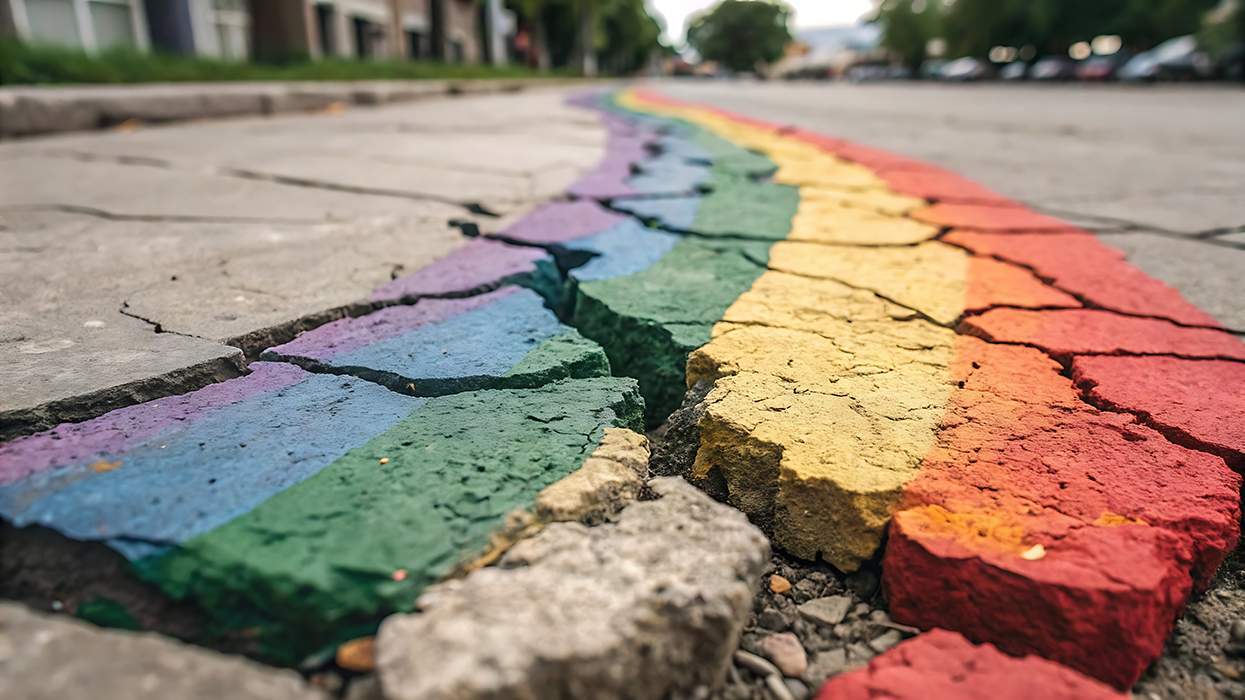

After the first election of Donald J. Trump in 2016, America was met with a barrage of think pieces, books, studies, political postmortems, pop songs, and influencer videos about the importance of meeting in the middle. Somehow, if we just built a bridge to those in our own country who would happily strip away our freedoms and autonomy because our existence threatens their narrow view of the world, maybe we could all get along. Never mind that doing so would require submitting to their fascistic will while sacrificing ourselves and our communities in the process. I thought it was foolish then, and now I think it surpasses foolishness and dives headlong into the downright harmful. If someone is wrong and unwilling to even entertain another point of view, my time is better spent building community with the people disenfranchised by those who cast us all as their enemy. I reject finding any middle ground.
It’s been a hard year for Pride, but maybe it was the necessary wake-up call we all needed. According to a recent poll released by Gallup, support for LGBTQ+ rights has slipped from recent highs. Acceptance of transgender people continues to decline. Anti-LGBTQ+ legislation continues to spread through statehouses. Violence against transgender people has become so routine that many Americans barely notice it anymore. A trans person is murdered, and no one reports on it. Another school district removes books and refuses to perform music composed by a gay person. Another legislature debates whether certain children, adults, and anyone not straight, white, and Christian should be allowed to exist openly. The story flashes across a screen and disappears like a campaign promise not to drag America into war.
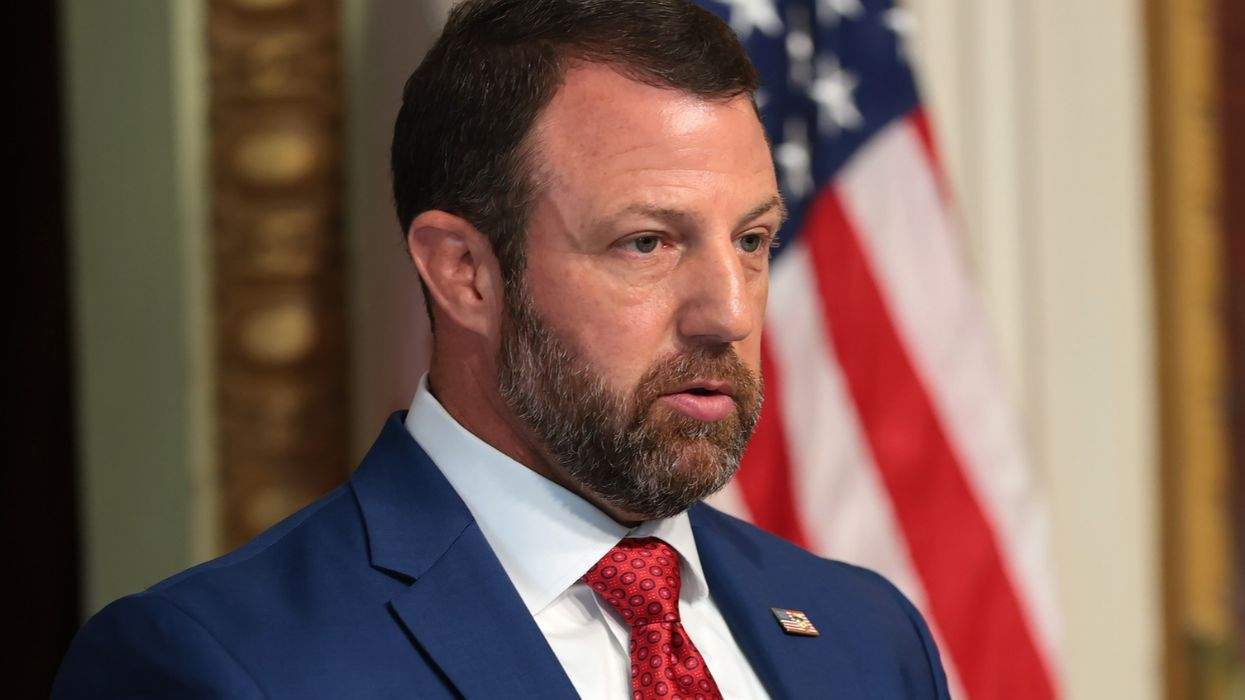
Hostility is no longer confined to petty school boards or state legislatures. In several states, elected officials have gone so far as to replace Pride Month recognitions altogether, rebranding June around concepts like "Strong Families," "Nuclear Family Month," and other thinly veiled attempts to erase LGBTQ+ people from public life. And just like the toxic friendships many of us have had to excise from our lives to survive, we need to cut ties altogether.
To the politicians slashing Pride: We do not need your approval, your recognition, or your permission to exist. We certainly do not want your friendship. The bridges are already ash in the wind. Long after this latest moral panic has exhausted itself, future generations, including your own children, will reject you and be left to rebuild the communities, freedoms, and institutions you worked so hard to dismantle. And many of them will spend the rest of their lives wondering how their parents and leaders could have been so eager to erase people they never took the time to understand.
Queer people have survived hostility our whole lives. The real danger now is the expectation that we should continue treating attacks on our lives as if they were merely differences of opinion. The expectation that our lives, creativity, beauty, and personhood are things to be mined for public consumption and discarded as soon as we ask for even the slightest semblance of equality. And now people my age are being asked once again to keep the peace and find some middle ground.
There is something deeply grotesque about consuming queer culture while supporting the political circus and the evangelical apparatus attempting to dismantle the safety, well-being, vibrancy, and lives of LGBTQ+ people. You cannot spend Saturday night dancing to music shaped by queer artists, wearing fashion influenced by queer creators, speaking a language transformed by queer communities, enjoying freedoms won through queer activism, and then spend Tuesday supporting politicians whose careers depend upon turning queer people into public enemies.
You cannot claim to love your gay friends while supporting movements that make their lives materially worse. You cannot separate the culture from the people who created it. You cannot celebrate queer creativity while remaining indifferent to queer suffering and voting against actual people's rights because some manic street preacher online gave you the permission structure to sling hateful, toxic ideology in the name of God. At some point, those contradictions stop being contradictions and start becoming choices.
Growing up in a small, conservative, and deeply religious town, I knew from a very young age that to survive I had to make friends and build bridges with whomever I could. I sat through every nasty, demeaning joke. I took it all on the chin. When the guys on my track team exclaimed, “Nothing runs like a faggot,” I laughed along. I was openly gay and needed their friendship and protection more than they needed to be confronted about their ignorance. Now that the country is backsliding into a toxic pit filled with the sludge of homophobia, resentment, religious bigotry, and hate, there are millions of kids in towns like the one I grew up in having to bite their tongues and absorb every awful thing being hurled their way by ignorant kids raised by hostile, knuckle-dragging parents.
As an adult, I used to believe in making inroads with people who I knew were homophobic but also genuinely enjoyed my friendship. I thought that by being my friend, people would slowly come around to the realization that as a person, my culture and everything that comes along with it is worth celebrating and lifting instead of suppressing, beating down, and ultimately destroying. But slowly and surely, every one-on-one conversation I had, pleading with people I truly thought I would be friends with for life not to vote MAGA, fell on deaf ears. Because why? The economy? People protesting the killing of Black people in American streets? Trans panic? Sadly, the bonds in those friendships ended up being one-sided and thinner than any promise Donald Trump has ever made. Those were never friendships at all.
Somewhere along the way, I and many others adopted a strange cultural fiction that friendship can exist independently of values. That politics is politics, relationships are relationships, and the two can remain neatly separated. For queer people, that distinction has always been a luxury enjoyed primarily by people whose rights are not being debated. But when someone supports political movements that are actively working to make queer lives harder, smaller, and less secure, they are helping create real-world consequences that land on real people. They are supporting policies that affect where we can live, whether we can access health care, whether our families remain protected, whether our children are safe, and whether violence against our communities is treated as acceptable collateral damage in a broader cultural war. No friendship can be separated from that reality.
And for years, we have been asked to perform an extraordinary act of emotional labor: Attend the dinner, keep the peace, avoid difficult conversations, stay friends with the person posting anti-trans rhetoric, and smile through the election cycle while treating our own rights as a topic too impolite to discuss. We are expected to absorb hostility in the name of civility while the people creating that hostility are rarely asked to sacrifice anything at all. The burden of maintaining the relationship always falls on the people being targeted. At some point, every relationship reveals what it is built upon.
For that, I believe I owe an apology to younger queer people who have watched people like me shake hands one too many times with those who would happily strip away our rights. I understand the confusion because I grew up watching the same thing. We were taught that tolerance meant tolerating our own dehumanization. We were told that being the bigger person meant accepting treatment no one should be expected to endure. That expectation has become unsustainable, irresponsible, and almost as harmful as the hate it works so hard to disguise as a difference of opinion. It is time to break that generational trap. No one is coming to save us. Just as we always have, we must fight for one another, defend one another, and become our own heroes.
Pride was never intended to be a branding exercise, so let the corporations walk away like the friendships many of us need to walk away from. Fair-weather friends come in all shapes and sizes. Pride emerged from communities that understood survival depended on solidarity. Not symbolic solidarity or seasonal solidarity or the solidarity that makes you look good to your investors, girlfriends, or feminist relatives. Not the kind that exists only when it is convenient.
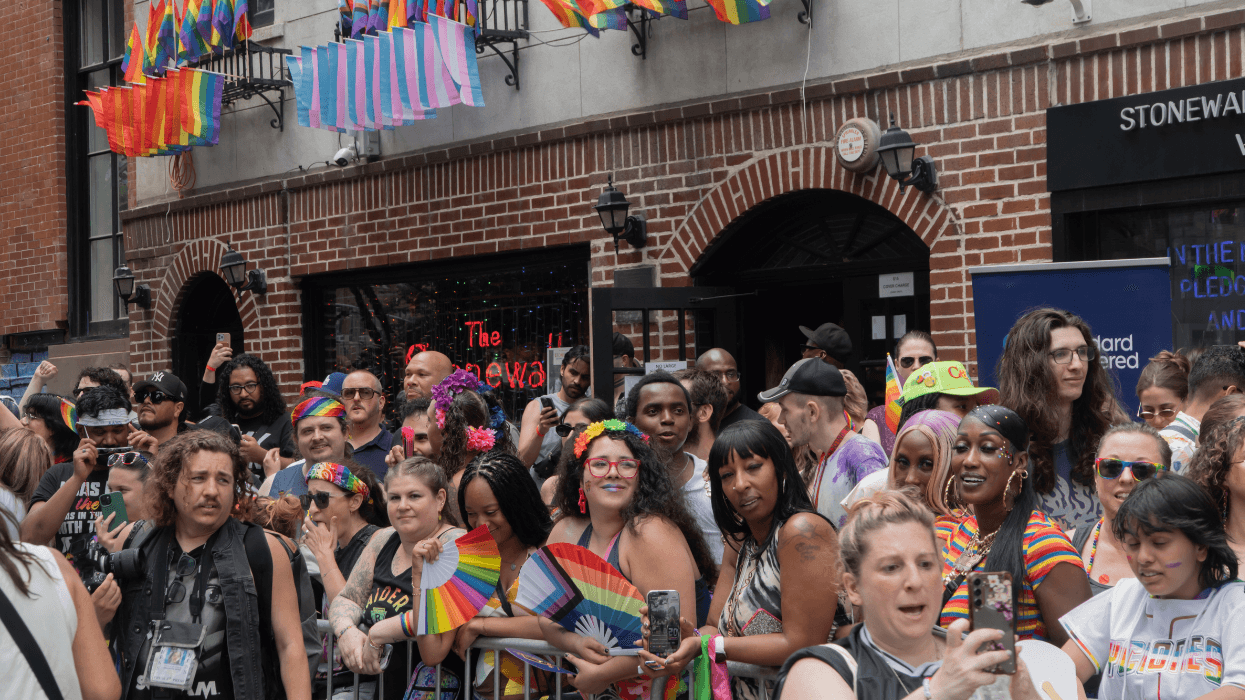
Pride is not about making everyone comfortable while singing along to the songs we all know and love. It’s about refusing to disappear and refusing to apologize. It’s refusing to accept a world that demanded silence in exchange for acceptance. That fight did not end at Stonewall or marriage equality or when corporations started printing rainbow logos every June. That fight is here now. And if there is one lesson worth carrying into this Pride season, it is that solidarity without courage is meaningless, allyship without action is theater, and friendship without mutual respect is not friendship at all.
Josh Ackley is a political strategist and the frontman of the queerpunk band The Dead Betties. @momdarkness
Opinion is dedicated to featuring a wide range of inspiring personal stories and impactful opinions from the LGBTQ+ community and its allies. Visit Advocate.com/submit to learn more about submission guidelines. We welcome your thoughts and feedback on any of our stories. Email us at voices@equalpride.com. Views expressed in Voices stories are those of the guest writers, columnists, and editors, and do not directly represent the views of The Advocate or our parent company, equalpride.