'%3E%3Cpath d='M16.3574 35.6519H12.9537L15.0491 18.8873L16.3574 35.6519ZM30.4229 54.0093L22.309 0.994385H7.91795L0 54.0093H10.6634L11.5802 46.3855H17.4014L17.9914 54.0093H30.4229Z' fill='%23971B20'/%3E%3Cpath d='M48.2073 41.8813C48.2073 43.4049 47.4892 44.0011 46.1144 44.0011H43.7595V11.0687H46.1144C47.4892 11.0687 48.2073 11.6636 48.2073 13.1885V41.8813ZM59.5273 43.6695V11.3326C59.5273 3.71323 53.5729 0.994385 47.8157 0.994385H31.7213V54.0093H47.8157C53.5729 54.0093 59.5273 51.29 59.5273 43.6695Z' fill='%23971B20'/%3E%3Cpath d='M90.183 0.994385H78.6039L75.0711 30.6157L71.9955 0.994385H59.4346L69.2474 54.0093H80.373L90.183 0.994385Z' fill='%23971B20'/%3E%3Cpath d='M107.063 42.3448C107.063 43.7359 105.951 44.5974 104.643 44.5974C103.269 44.5974 102.157 43.7359 102.157 42.3448V12.658C102.157 11.2676 103.269 10.4058 104.643 10.4058C105.951 10.4058 107.063 11.2676 107.063 12.658V42.3448ZM119.233 43.2723V11.7312C119.233 6.36384 112.952 -3.8147e-06 104.643 -3.8147e-06C96.2667 -3.8147e-06 89.9867 6.36384 89.9867 11.7312V43.2723C89.9867 48.6393 96.2667 55 104.643 55C112.952 55 119.233 48.6393 119.233 43.2723Z' fill='%23971B20'/%3E%3Cpath d='M150.976 43.9349V33.7309H139.069V42.3448C139.069 43.7359 137.957 44.5974 136.582 44.5974C135.076 44.5974 133.964 43.7359 133.964 42.3448V12.658C133.964 11.2676 135.076 10.4058 136.582 10.4058C137.957 10.4058 139.069 11.2676 139.069 12.658V21.2723H150.976V11.0687C150.976 5.70107 145.283 -3.8147e-06 136.582 -3.8147e-06C127.75 -3.8147e-06 121.796 5.70107 121.796 11.0687V43.9349C121.796 49.3022 127.75 55 136.582 55C145.283 55 150.976 49.3022 150.976 43.9349Z' fill='%23971B20'/%3E%3Cpath d='M167.478 35.6519H164.076L166.17 18.8873L167.478 35.6519ZM181.544 54.0093L173.432 0.994385H159.037L151.123 54.0093H161.785L162.704 46.3855H168.523L169.114 54.0093H181.544Z' fill='%23971B20'/%3E%3Cpath d='M205.412 10.4058V0.994385H177.081V10.4058H185.392V54.0093H197.428V10.4058H205.412Z' fill='%23971B20'/%3E%3Cpath d='M230.002 54.0093V43.9349H218.914V31.8746H226.635V21.8028H218.914V10.4058H230.002V0.994385H206.875V54.0093H230.002Z' fill='%23971B20'/%3E%3C/g%3E%3Cdefs%3E%3CclipPath id='clip0_260_7080'%3E%3Crect width='230' height='55' fill='white'/%3E%3C/clipPath%3E%3C/defs%3E%3C/svg%3E)


Somehow, 2018 is looking a lot like a full revolution, with young people of many colors and classes protesting nationwide. There's a rebellion happening in politics, sports, entertainment, and schools. From #MeToo to #NeverAgain, from our workplaces to our social media channels, leading this wonderfully intersectional revolution is a group of LGBT-plus change-makers more diverse than mainstream media has ever seen. We could have honored thousands of them, but picked just one for every state in the country (and D.C.) as our 2018 Champions of Pride.
Alabama
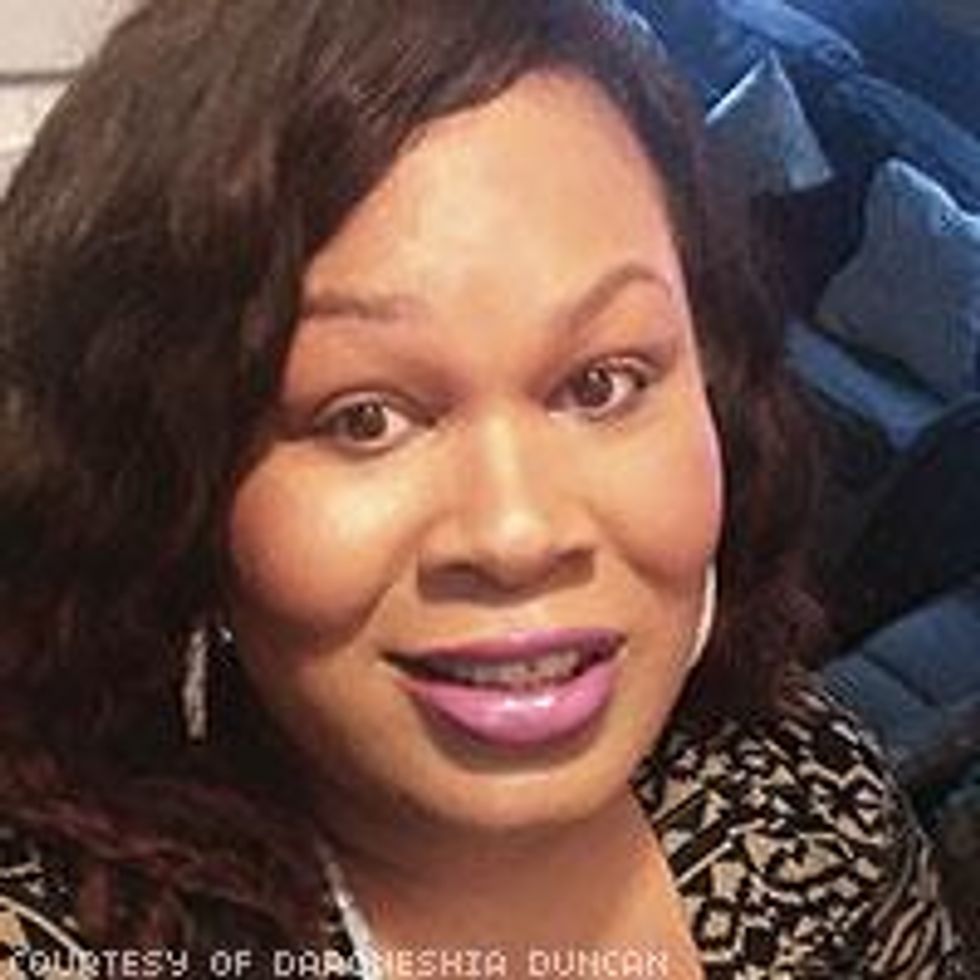 Daroneshia Duncan is the founder and executive director of Transgender Advocates Knowledgeable Empowering (TAKE), which provides support for trans women of color, helping them with jobs, housing, IDs, and HIV-related services. For her, being a champion means going "above and beyond" for people in need, "no matter how a person identifies."
Alaska
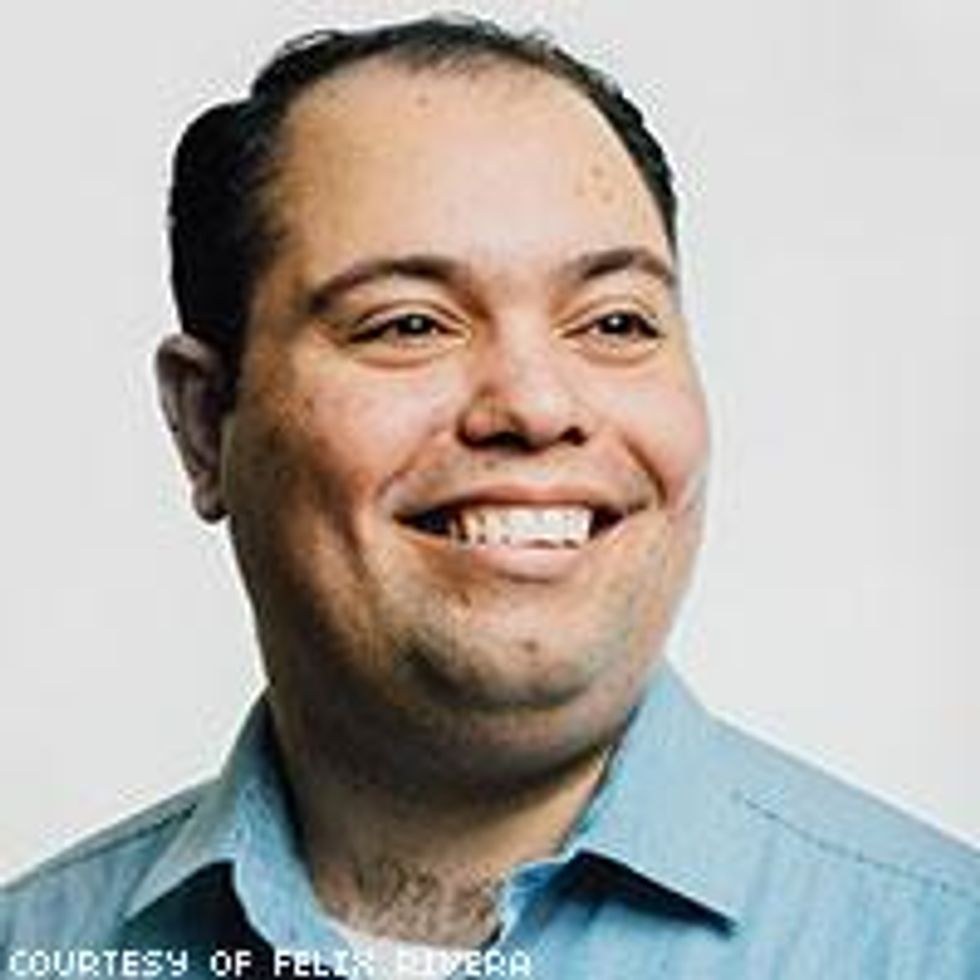 As Anchorage voters become the first in the country to uphold transgender protections on a ballot measure, it's a good time to honor two of the state's first LGBT elected officials who won seats in the Anchorage Assembly, despite homophobic attack ads. In addition to serving on the city council, Felix Rivera (top) sits on the boards of Alaska Institute for Justice (serving immigrants), Public Transit Advisory Board, and Anchorage Youth Court. Earlier, as the mayor's constituent liaison and special assistant, Rivera tackled issues like chronic homelessness.
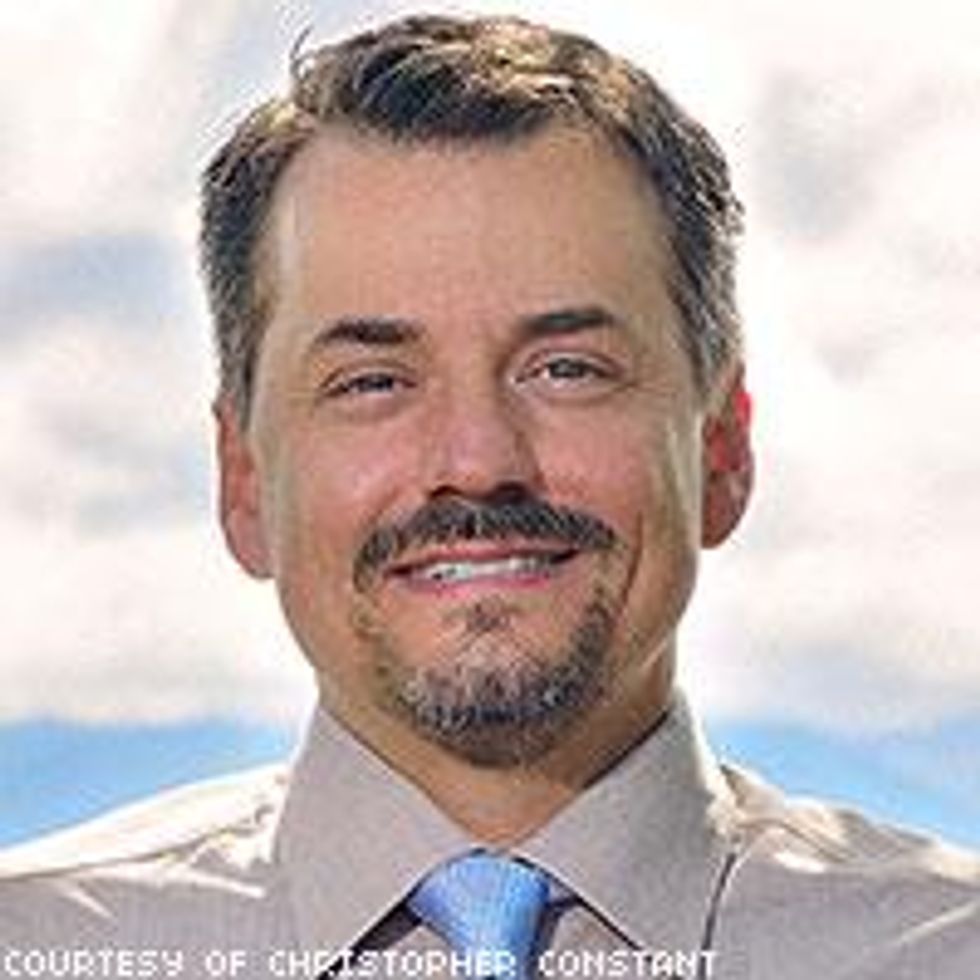 Before Christopher Constant won a seat in the assembly, the activist had worked for one of the state's leading mental health and substance abuse agencies, and served on boards for organizations like the Fairview Business Association and Fairview Community Council. In Alaska, Constant says, "LGBT people have historically been underrepresented, if not omitted completely from the debate. We have kept up the fight and now we have won a seat at the table -- two in fact."
Arizona
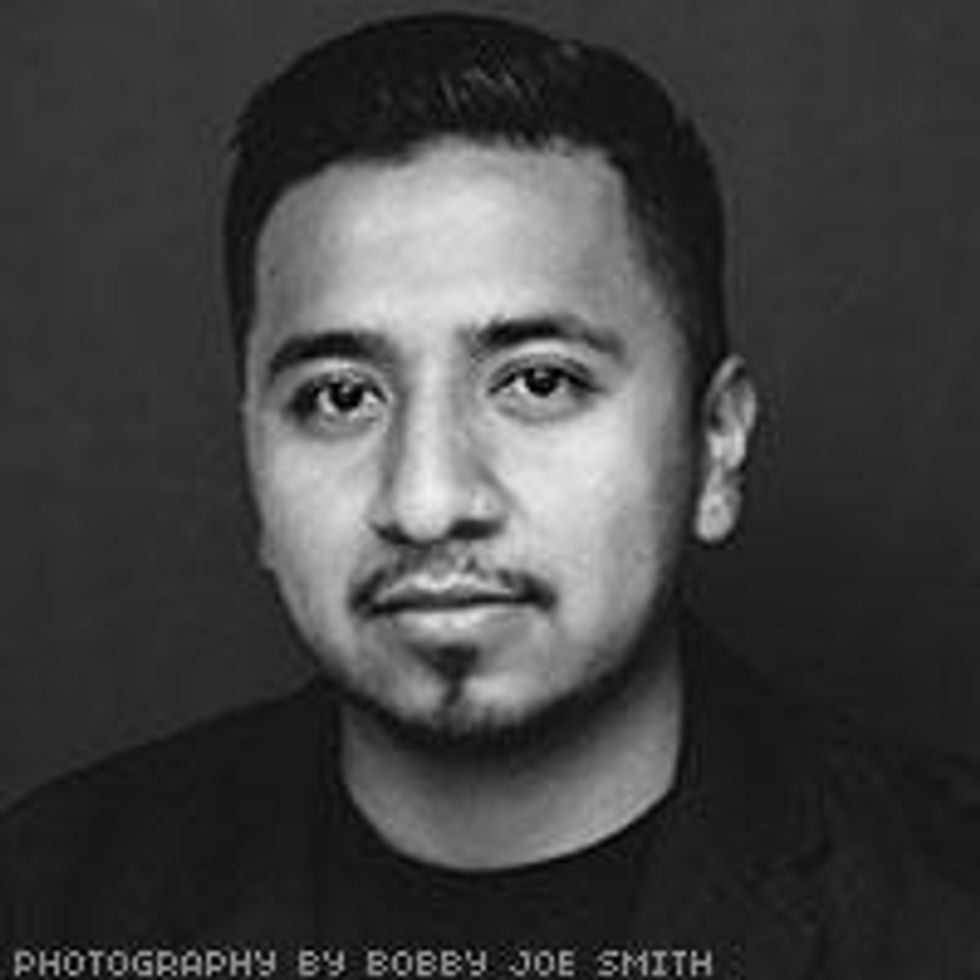 As cofounder of Trans Queer Pueblo (a LGBTQ+ migrant community of color) and chair of Arizona's Queer Undocumented Immigrant Project, Dago Bailon is shining a light on the unique difficulties facing migrant and undocumented LGBT Latinos. Born in Mexico, Bailon immigrated to the Phoenix area at 6 to be reunited with his parents. Witnessing the bigotry his trans uncle suffered in Mexico, Bailon now works to ensure that queer and trans Latin youth have access to services in the U.S.
Arkansas
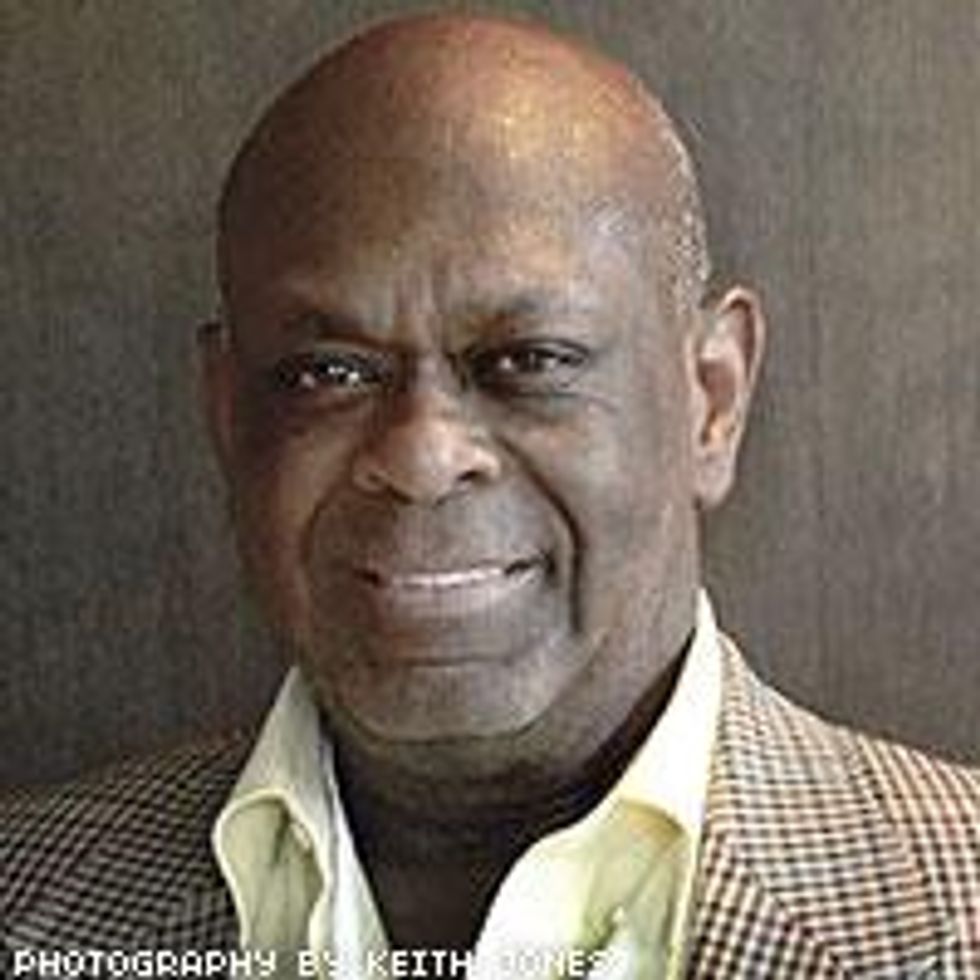 While serving as the first black president of Arkansas Gay Rights, Cornelius Mabin testified before the Arkansas state legislature to encourage diversity programming on all state college campuses. The HIV-positive activist has also served on the boards of Black and White Men Together and Arkansas AIDS Foundation, and has addressed state lawmakers regarding needed HIV resources. "Being a champion takes courage, commitment, and a crusader who believes that their cause ... will increase the quality [of life for] all those it is designed to impact," Mabin says. "The ultimate champion is not just talking about doing something, but spends time doing something about the problem."
California
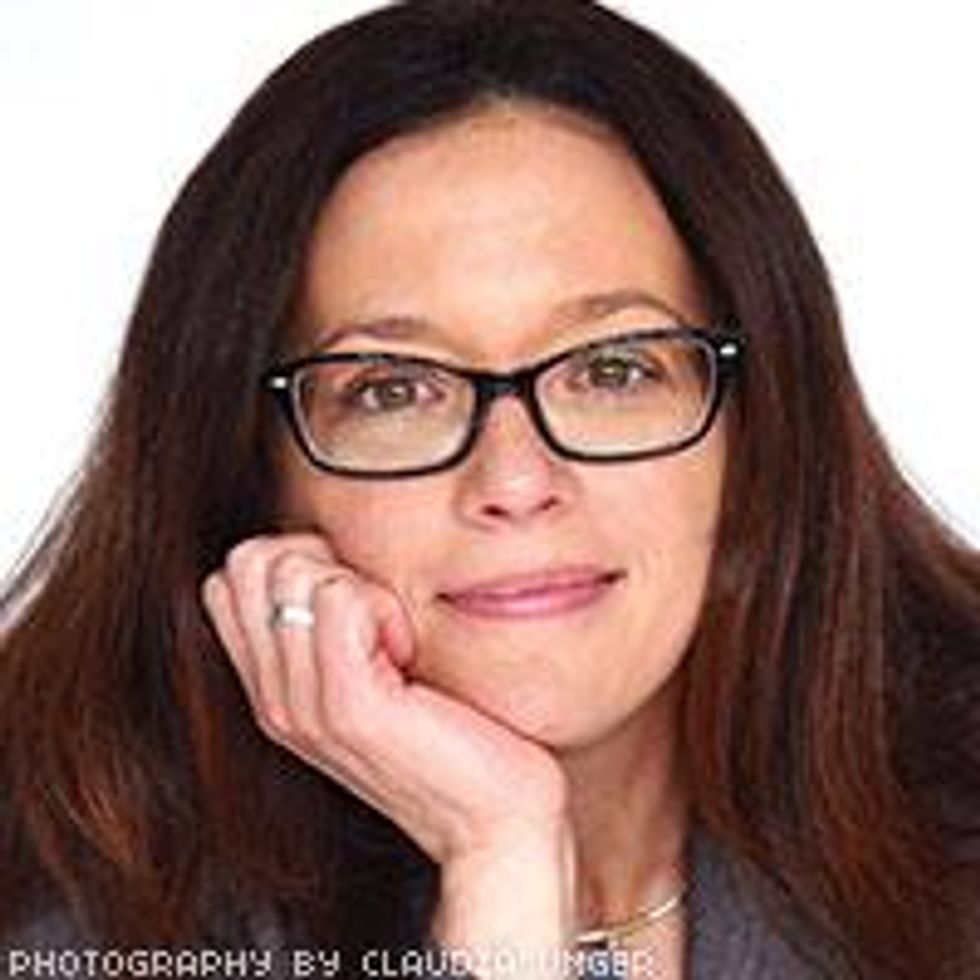 For nearly two decades, Sarah Boone has had leadership roles in foster care, adoption, and child welfare policy. She's played a key role in developing practices and initiatives, that have kept dozens of LGBT families intact. As CEO of Extraordinary Families, she helps improve the lives -- and long-term outcomes -- of youth in foster care. "With our families, what we ask of them is to love and care and attach to a child, while simultaneously preparing for the fact that the child may be reunified with their birth parents," Boone said in a statement with ToFosterChange.org. "For a parent to do that is nothing less than extraordinary."
Colorado
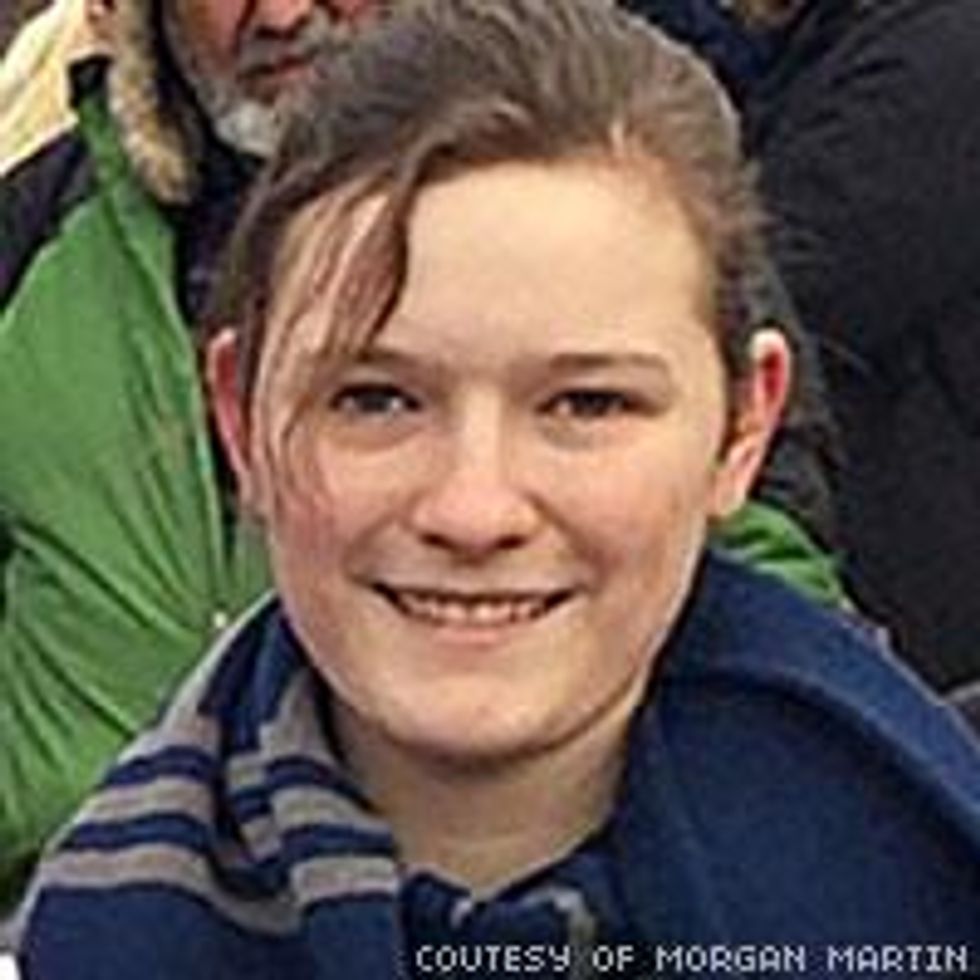 In 2014, when the Denver-based 10th U.S. Circuit Court of Appeals heard oral arguments regarding Colorado's ban on same-sex marriage, supporters based their case on families, arguing that children belonged in homes with both a father and mother. A bright 13-year-old Morgan Martin, the daughter of two lesbians, became a shining example of what families led by same-sex parents truly reflect -- love, unity, and partnership -- like any other family. "I want my parents to get married," Martin pleaded to The Denver Post in the midst of aspiring to be Colorado's spelling-bee champion. Her message resonated across the state, ultimately striking a nerve among lawmakers and small communities alike. Today at 16, Martin continues to lead by example both locally and statewide, advocating for equal benefits for LGBT families. "Being a champion means standing up for others and celebrating both what binds us together and what makes us unique," she tells The Advocate. "It means being a voice for those who have been marginalized and refusing to accept what you know is unjust."
Connecticut
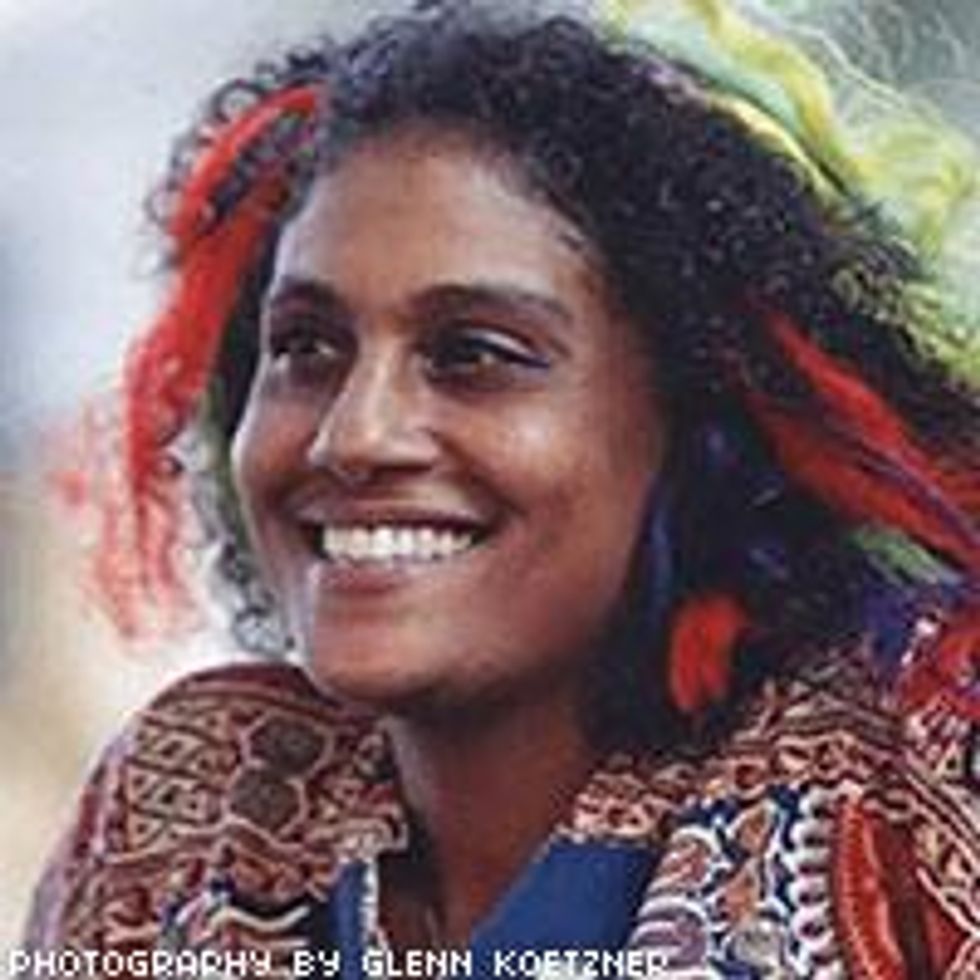 For over 20 years, Kamora Le'Ella Herrington has been building bridges among LGBT youth and their families. For True Colors, an organization that serves sexual and gender minority youth, she coordinates the state's only LGBT mentoring program. She serves on the Leadership Advisory Council of the National Black Justice Coalition, an organization for LGBT people of color. Herrington has appeared on The Tyra Banks Show as well as CNN, educating viewers on the importance of inclusion. For many, she's considered a local hero, but she argues that she "had no choice" but to step up. "I've lived a life that has placed me in positions where I could either uphold the status quo, or share truths that may not be pleasant, but are necessary," she says. "Heroes ... [have] an understanding that 'we are the ones we've been waiting for.' Heroes are willing to step in when necessary and step out when it's time."
Delaware
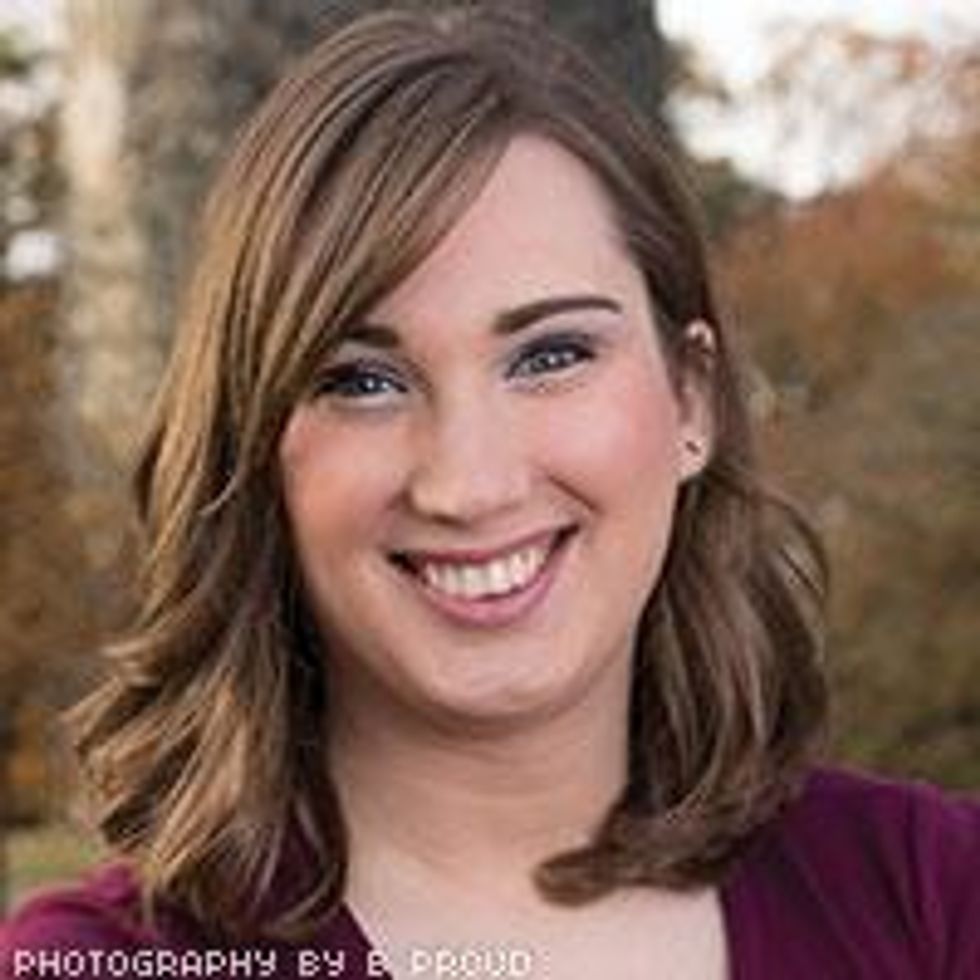 Sarah McBride was her university's first transgender student body president, then successfully lobbied Delaware for state legislation that bans discrimination on the basis of gender identity. At 25, while serving as the national press secretary of the Human Rights Campaign, she became the first out trans person to speak before a major party convention. In her speech at the 2016 Democratic convention, she said, "I have seen that change is possible. I witnessed history while interning in the White House and helping my home state of Delaware pass protections for transgender people. Today, I see this change in the work of the LGBT Caucus and in my own job at the Human Rights Campaign." Her memoir Tomorrow Will Be Different: Love, Loss, and the Fight for Trans Equality has a foreword written by former Vice President Joe Biden.
District of Columbia
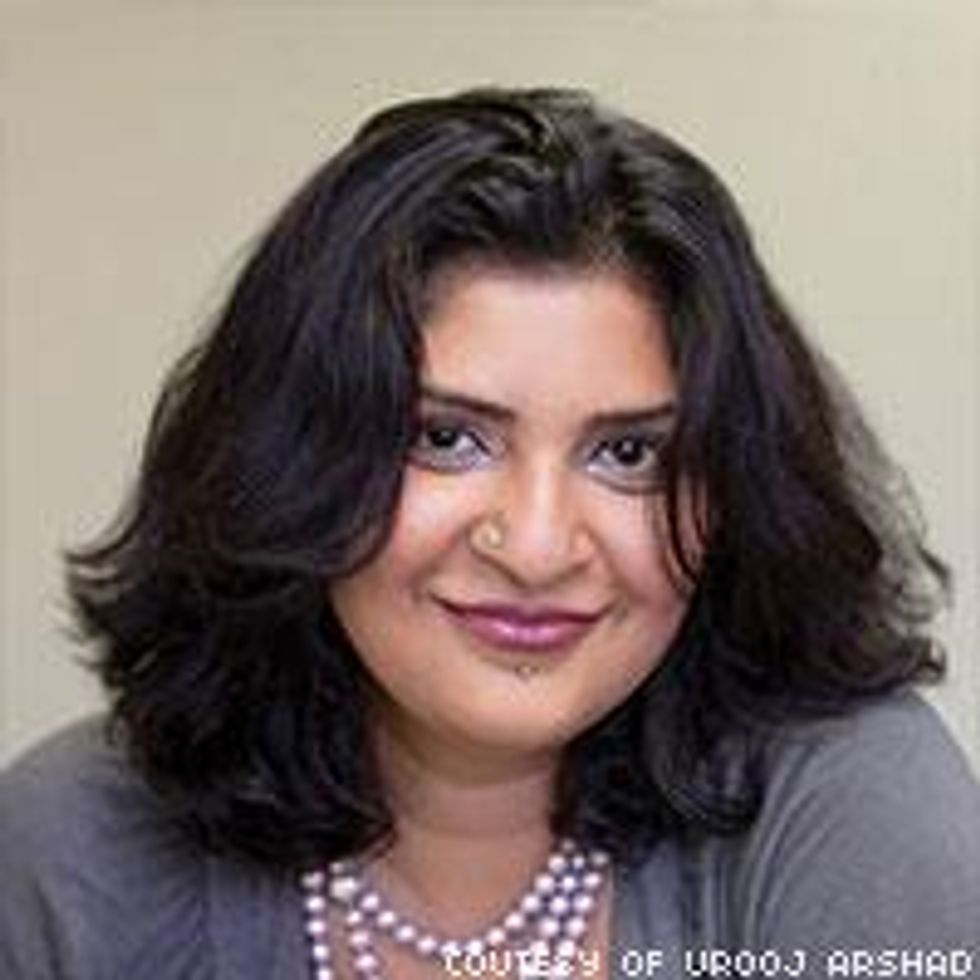 A queer Muslim immigrant woman, Urooj Arshad is a cofounder of the Muslim Alliance for Sexual and Gender Diversity, and director of international LGBTQ youth health and rights programs at the D.C.-based Advocates for Youth, where she helps center queer youth in Global South LGBT organizations. "They deserve to be recognized and be resourced in the movements that they are already part of." A lot of Arshad's work revolves around reproductive health: "Lesbian and bisexual women -- or let's say folks who can get pregnant -- are more likely to experience an unintended pregnancy than non-LGBT [folks]," she says. "They are kind of falling through the cracks." That this award-winning Pakistani-American activist has been honored by the Latino GLBT History Project, the National Queer Asian Pacific Islander Alliance, and the Young Women of Color HIV/AIDS Coalition points to her ability to see the intersectionality of our causes.
Florida
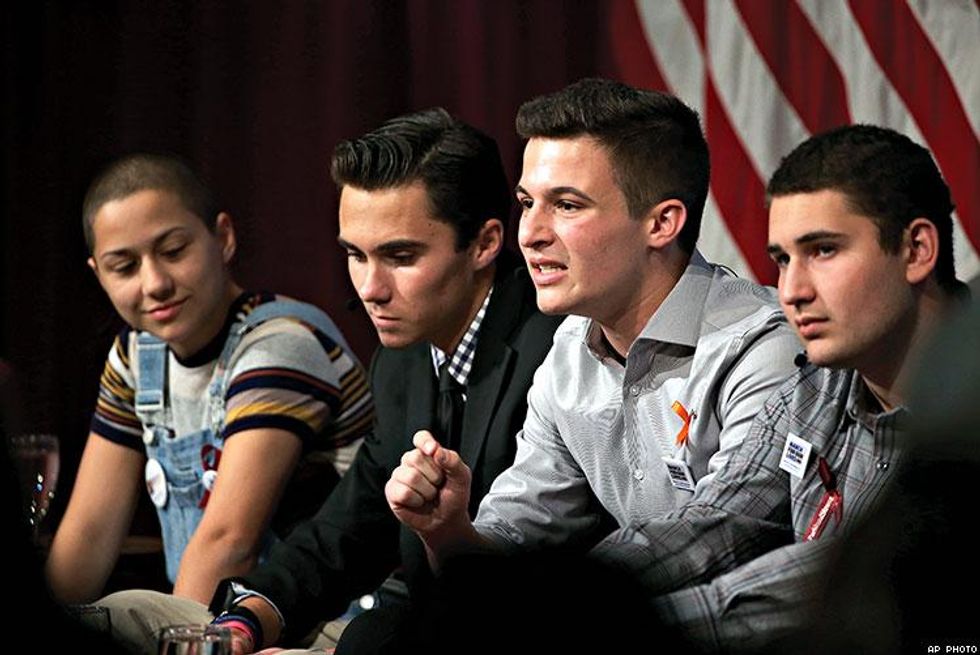 The Parkland Survivors: In the days and weeks following yet another horrific and senseless mass shooting in an American school, the survivors of the February 14 massacre at Marjory Stoneman Douglas High School emerged as outspoken activists--demanding an end to the violence and tighter gun control laws. Some of the students on the forefront of this youth-led movement, and thrust onto the front lines of a heated national debate, are David Hogg, Alex Wind, Cameron Kasky, and Emma Gonzalez, who heads the school's Gay-Straight Alliance. They, among others, have since debated detractors on cable news, appeared on the cover of Time magazine, given history-making speeches, and organized marches attended by hundreds of thousands. Despite being barraged by insults, physical threats, and conspiracy theories (including from conservative politicians, the far right, and Fox news propagandists) -- all while trying to mourn for their 17 friends and classmates who were murdered -- these students have proven themselves to be fastidious, intelligent, mature, charming, and laser-focused on the issue at hand. "Here's a time to talk about gun control, March 24. My message for the people in office is: You're either with us or against us," Kasky told CNN when the students announced their March for Our Lives demonstration. "We are losing our lives while the adults are playing around.... This isn't about the GOP, this isn't about the Democrats. This is about creating a badge of shame for any politicians who are accepting money from the NRA -- and using us as collateral."
Georgia
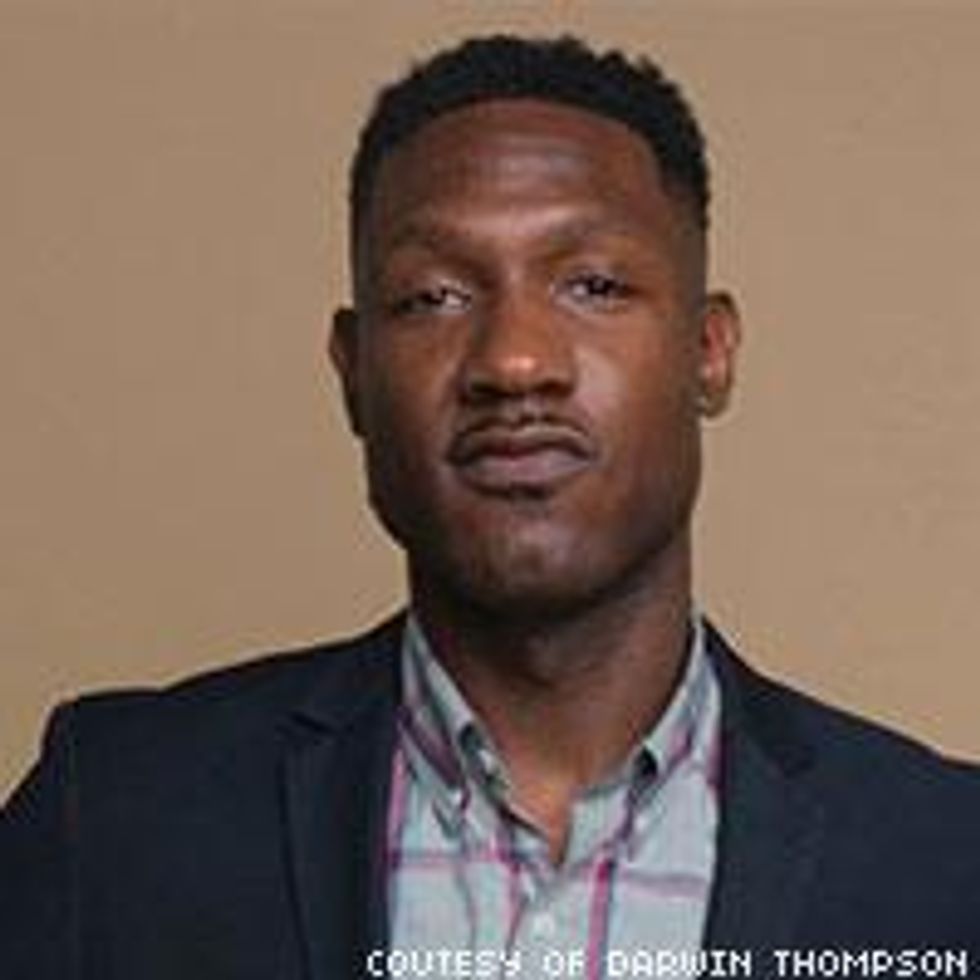 Both of Darwin Thompson's birth parents were HIV-positive, and though he's not, he's been a life-long HIV activist, dedicating himself to HIV prevention, particularly among LGBT people of color in the South. After working as an after-school program coordinator in Washington, D.C., he felt the call to return to Atlanta and continue advocating for the young gay and trans black youth there. The former executive director of National AIDS Education & Services for Minorities, he's an accomplished scholar, federal grant writer, and developer of youth programs -- but knows there's more work to do. "We still are a population that is seeing an increase in HIV among our younger members, and as we are seeing less funding for programs," Thompson told HIVequal.org. "We still need to advocate for ourselves to really get to zero."
Hawaii
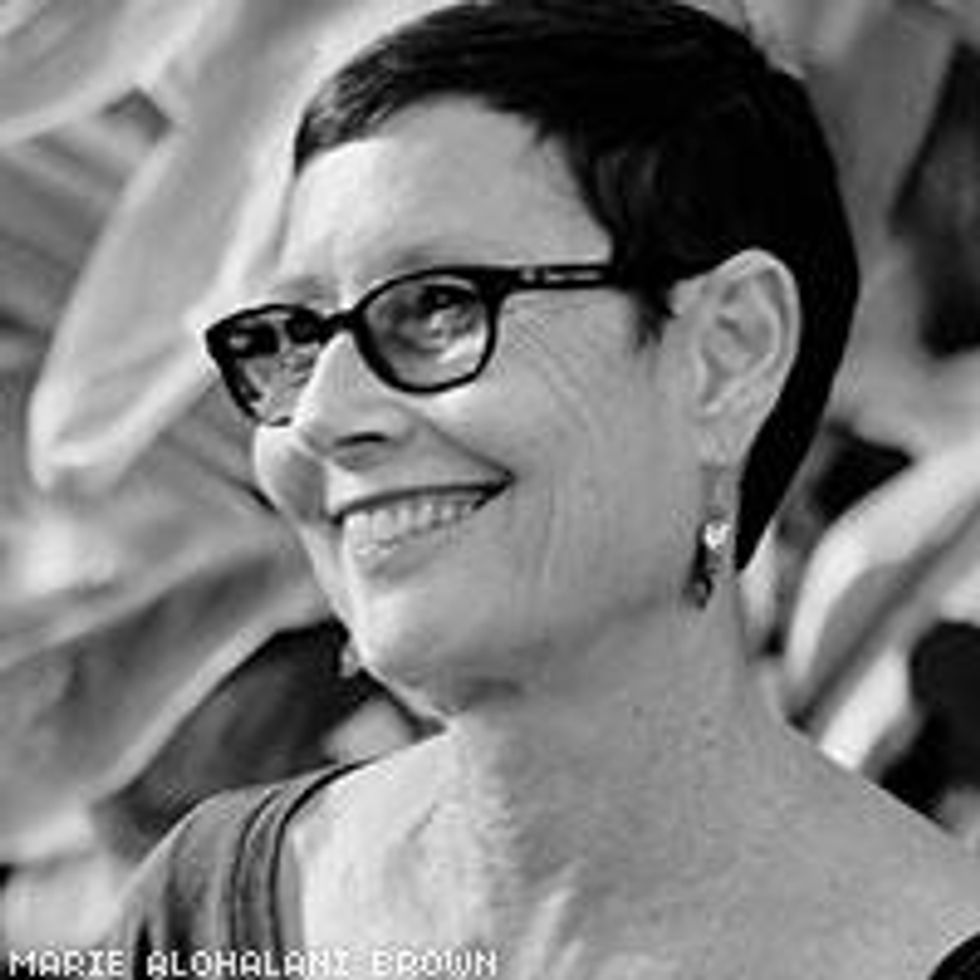 One of the Pacific islands' foremost experts on indigenous Hawaiian culture, languages, and sexuality, Noenoe Silva cofounded the gay and lesbian group Kanaka Maoli ("true people") over 25 years ago in order to testify about traditional Hawaiian practices at the state's hearings on same-sex marriage. Silva is now professor of political science at the University of Hawaii at Manoa, and author of Aloha Betrayed: Native Hawaiian Resistance to American Colonialism and The Power of the Steel-tipped Pen: Reconstructing Native Hawaiian Intellectual History. "Our freedom to live in our land is linked to our freedom to determine how we live in our bodies, our freedom to live in relationships that may be different from American culture," Silva stated in a blog post. "Before colonization we lived in a society that accepted diversity, and now we want ... [to stop] discrimination against lesbians, gays, and bisexuals."
Idaho
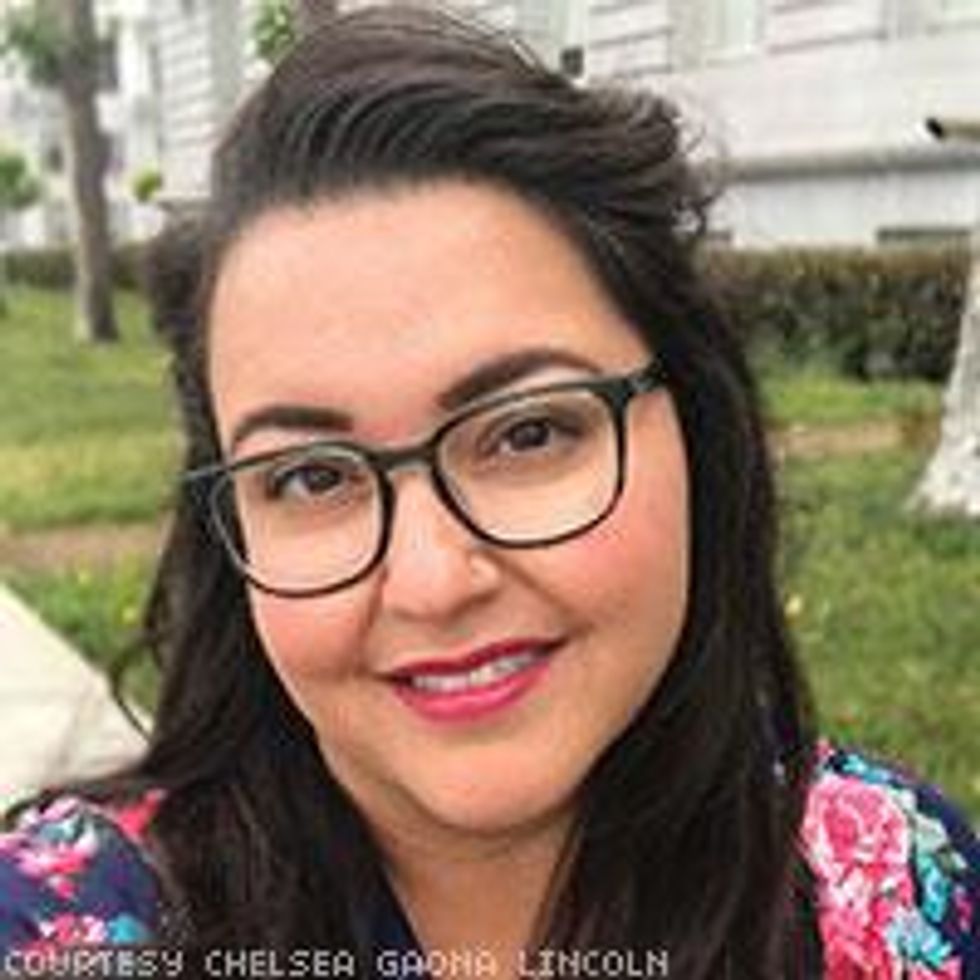 Queer biracial activist Chelsea Gaona-Lincoln is a founding member and current vice chair of the LGBTA Democratic Caucus of Idaho, and the acting executive director of Add the Words, Idaho, who is running for a seat in the Idaho House of Representatives. She sees LDCI's primary goal as "a long-arch culture change we are building at a grassroots level, with the acknowledgment of an existing dichotomy: folks shouldn't wait for justice to live their best lives." Still hoping to get the Idaho legislature to establish protections for LGBT people, Lincoln says Add the Words has begun working with other marginalized communities. Her motto: "Always center the impacted, learn from those living in oppression, leverage your privilege, yield the floor."
Illinois
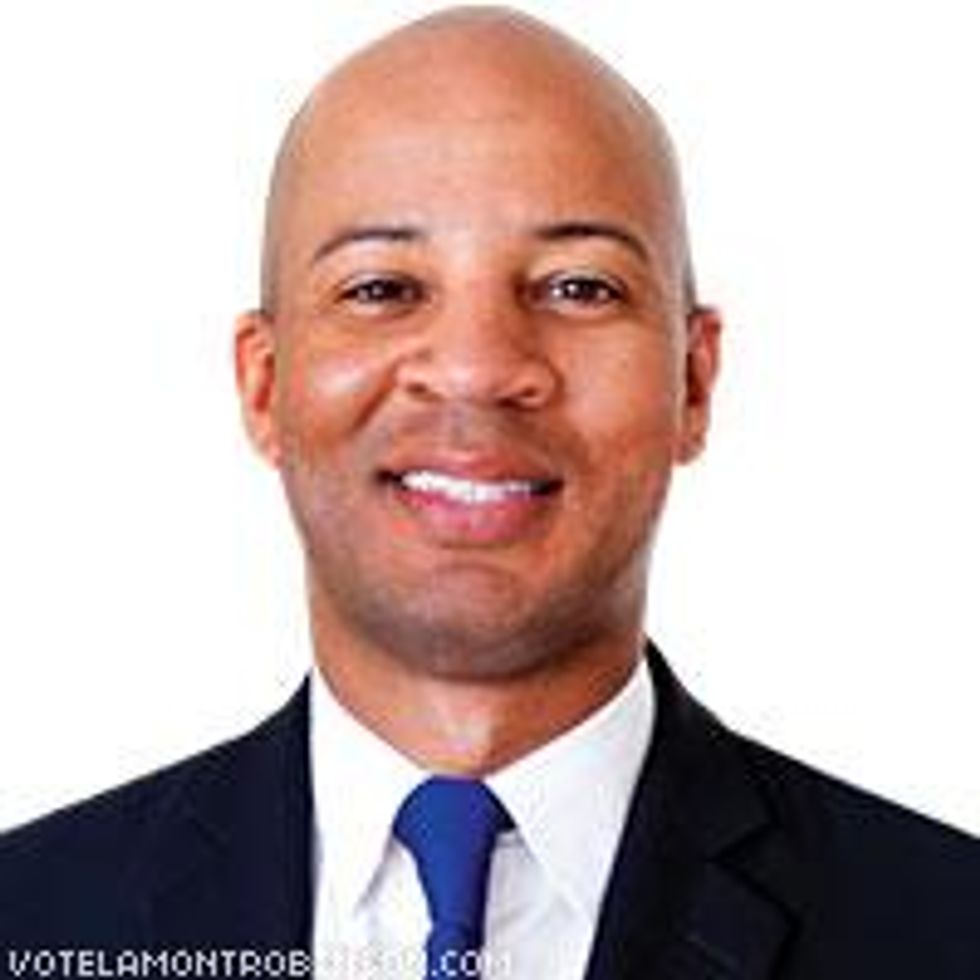 This spring, Lamont Robinson made history as the first out gay black person to win a primary for the Illinois General Assembly. Having grown up on Chicago's South Side, the son of a public school teacher and a city inspector, the lifelong Chicagoan ran to provide citizens an "environment for them to live healthy, happy, and productive lives," as his campaign website states.
Indiana
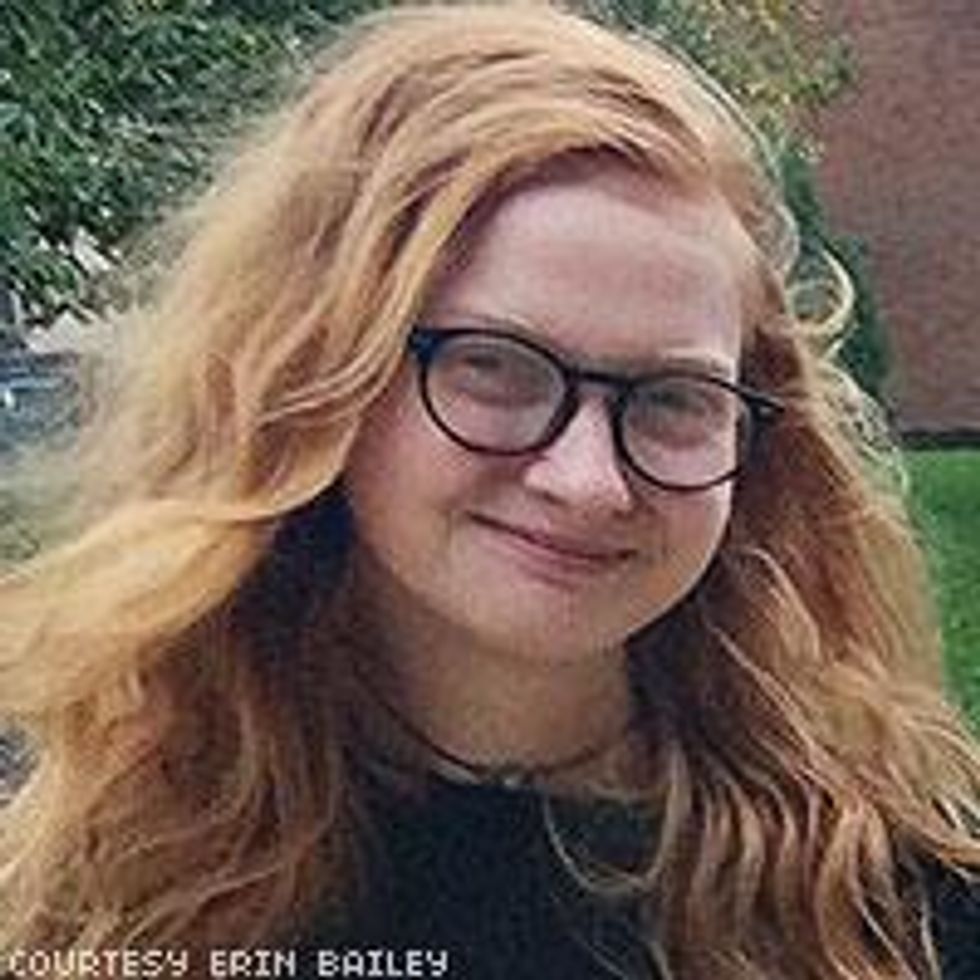 As an act of protest (and brilliance), 18-year-old Erin Bailey decided to throw an LGBT Pride festival in Vice President Mike Pence's hometown of Columbus, Ind. As governor of Indiana, Pence signed the Religious Freedom Restoration Act, which allowed businesses to discriminate against LGBT people (it was later amended). What started off as a school project led to a citywide effort to display locals' hunger for social progress and disdain for Pence. "To me, being a champion means going above and beyond what an average person would do." Bailey says. "It's about finding a way to accomplish set goals."
Iowa
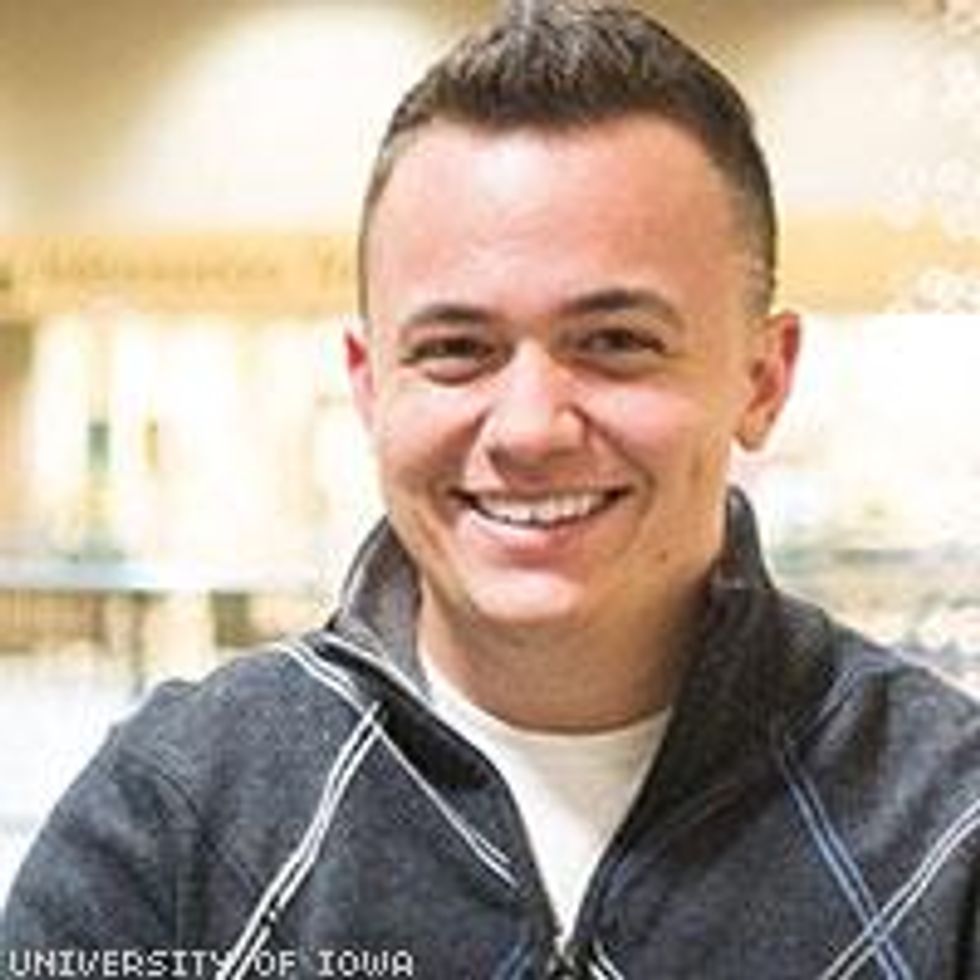
Sean Finn -- who courageously came out as transgender during his sophomore year in his hometown of Marshalltown, Iowa -- first gained national attention in 2016, when he spoke out about the difficulties trans teens face trying to navigate through high school. (At the time, North Carolina's controversial bathroom bill was being introduced, which prohibited people from using restrooms that did not match the gender assigned at birth). So, after Finn graduated and began attending the University of Iowa, he formed the Trans Alliance, a social and activism group for transgender students.
Finn told the Iowa City Press-Citizen that he formed the group because many young trans people "don't necessarily feel comfortable acknowledging they're trans in public spaces... So, it's still really difficult to bring people together."
Since starting the group, Finn has worked with other UI Trans Inclusivity Taskforce members to increase the number of gender neutral restrooms on the UI campus by close to 100; created Trans@Iowa, a resource website; has educated over 1,000 students, staff, and community members through trans awareness trainings and workshops; helped create the Trans Student Support Fund through the Dean of Students office, which provides trans students with funds to change their name and gender marker on legal documents; and created QUEERnival -- the school's first LGBTQ+ resource and information fair.
In addition to Finn's work with the university, he co-authored a policy brief recommending ways to improve LGBTQ student experiences to the Iowa City Community School District and generated new and improved ways for trans business owners in the U.S. to become certified LGBT Business Enterprises, as an intern for the National LGBT Chamber of Commerce (NGLCC).
"I could pass, but my passion is advocacy and activism, and to not identify myself as trans would sort of fly in the face of the [that]," Finn told the Register. "Introducing cis people to trans people is what is going to change public opinion. ... I own who I am. I am not ashamed to be trans."
Kansas
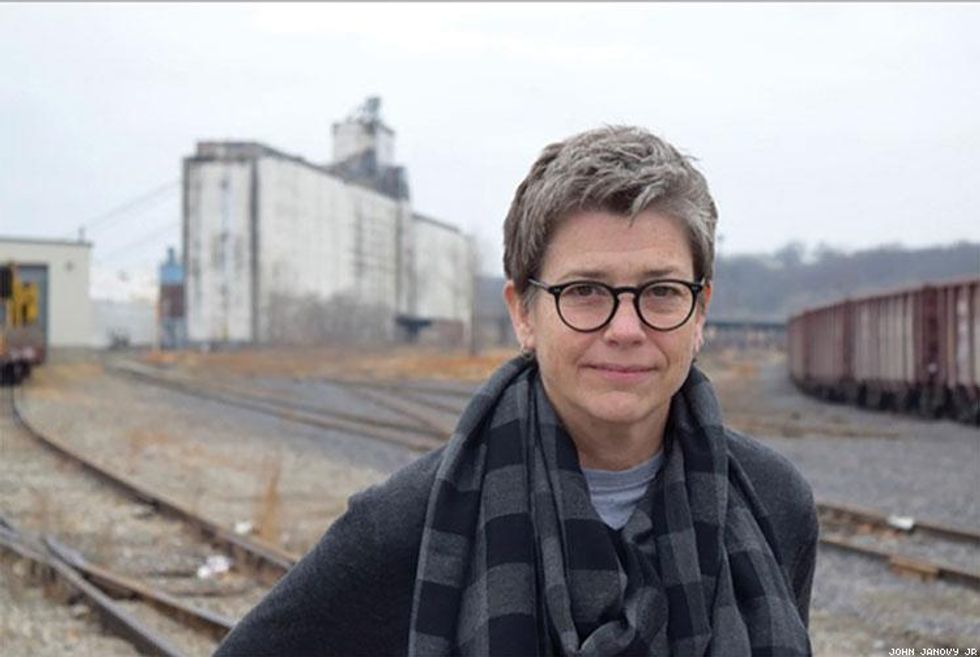 With her new book, No Place Like Home: Lessons in Activism From LGBT Kansas, activist and author C.J. Janovy hopes to inspire other queer folk in rural areas, small towns, or conservative states to stand up and speak up. No Place Like Home explores the reasons LGBT people stay in places like Kansas, even when they face discrimination. Earlier this year, Janovy told The Pitch -- where she'd served as editor in chief from 2000 to 2010 -- that activists in these areas must "prepare to lose. In many of these stories, people lose twice or three times before they get a win." She advises activists to "be gentle with your allies. They're humans, they'll say stupid stuff, but fighting with them takes energy away from fighting the real fight." And she says, the most important thing, no matter how big or small your community, is: "Do something. Trying to make a positive change takes everything. It takes organizers. It takes big personalities ... [but] lemon bars make a huge difference too."
Kentucky
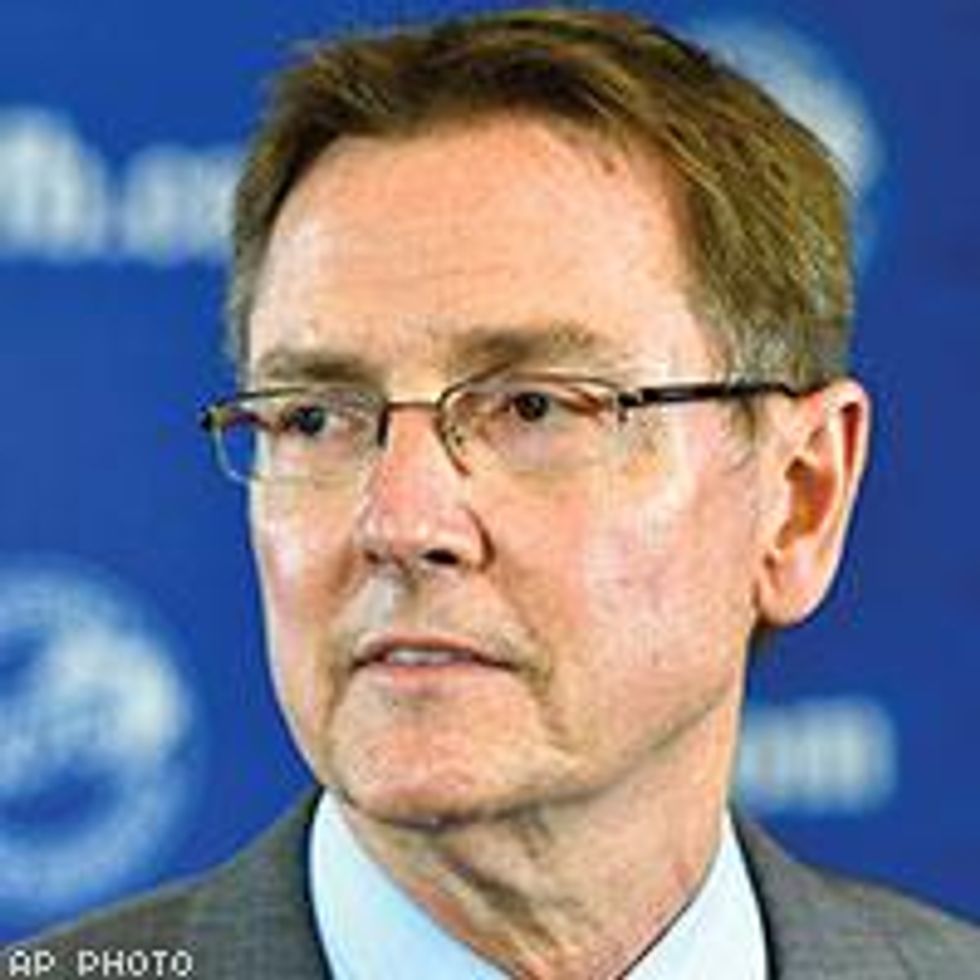 In 2016, Jim Gray made history as the first out gay man to win a major party's nomination for the U.S. Senate, with nearly 60 percent of the Democratic primary vote. In the general election, he lost to Rand Paul. As mayor of Lexington, Ky., Gray's leadership helped rank Lexington the sixth "best run" city in the country by WalletHub. Now he's running to represent Kentucky's Sixth Congressional District.
Louisiana
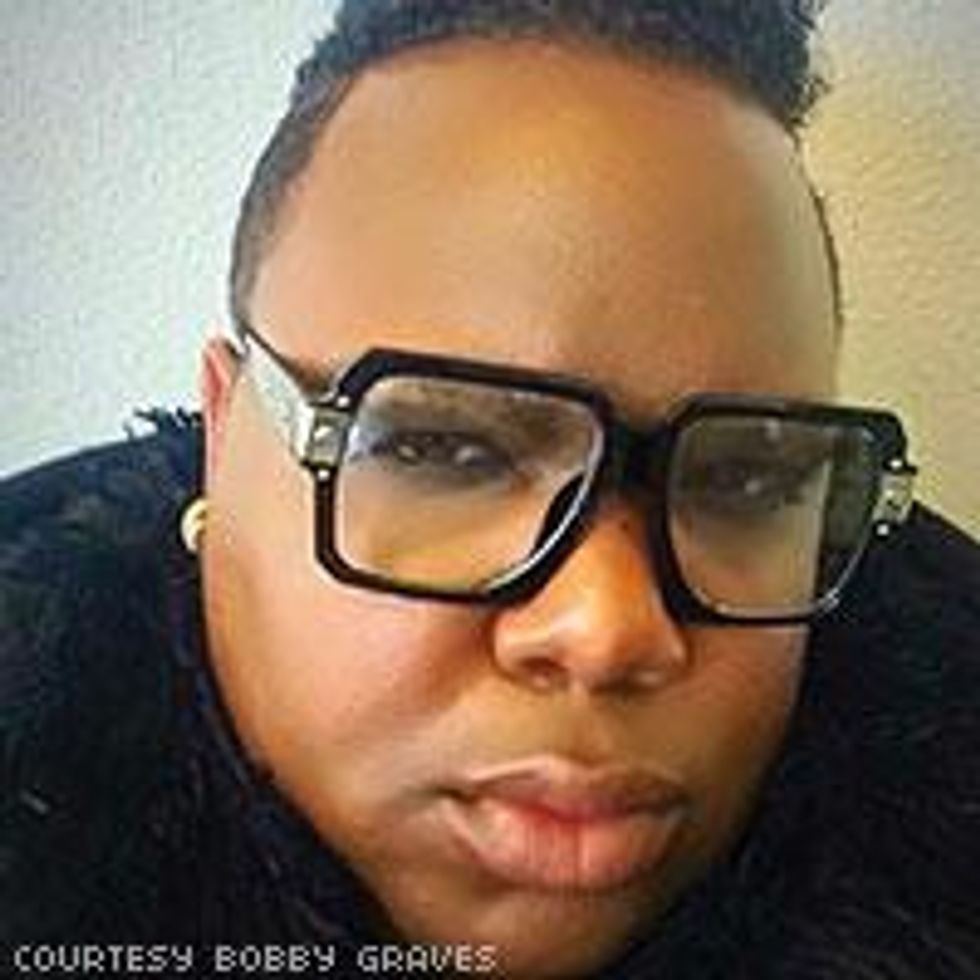 In Baton Rouge, party promoter Bobby J. Graves (a.k.a. Bobby Beautiful) works to combat the rising rates of HIV in the state of Louisiana. The 34-year-old gender-nonconforming advocate is a recruitment specialist at Capital Area Reentry Program (an organization helping underserved and disenfranchised populations in Baton Rouge), where Graves also plays a role in CARP's needle exchange program. They say it "is a challenge working in this field of HIV prevention due to the lack of education our community has on the subject, and lack of resources and funds the state puts into the programs. ... I've vowed to give my all to fight for the state of Louisiana and my city of Baton Rouge, but one soldier can't win the war."
Maine
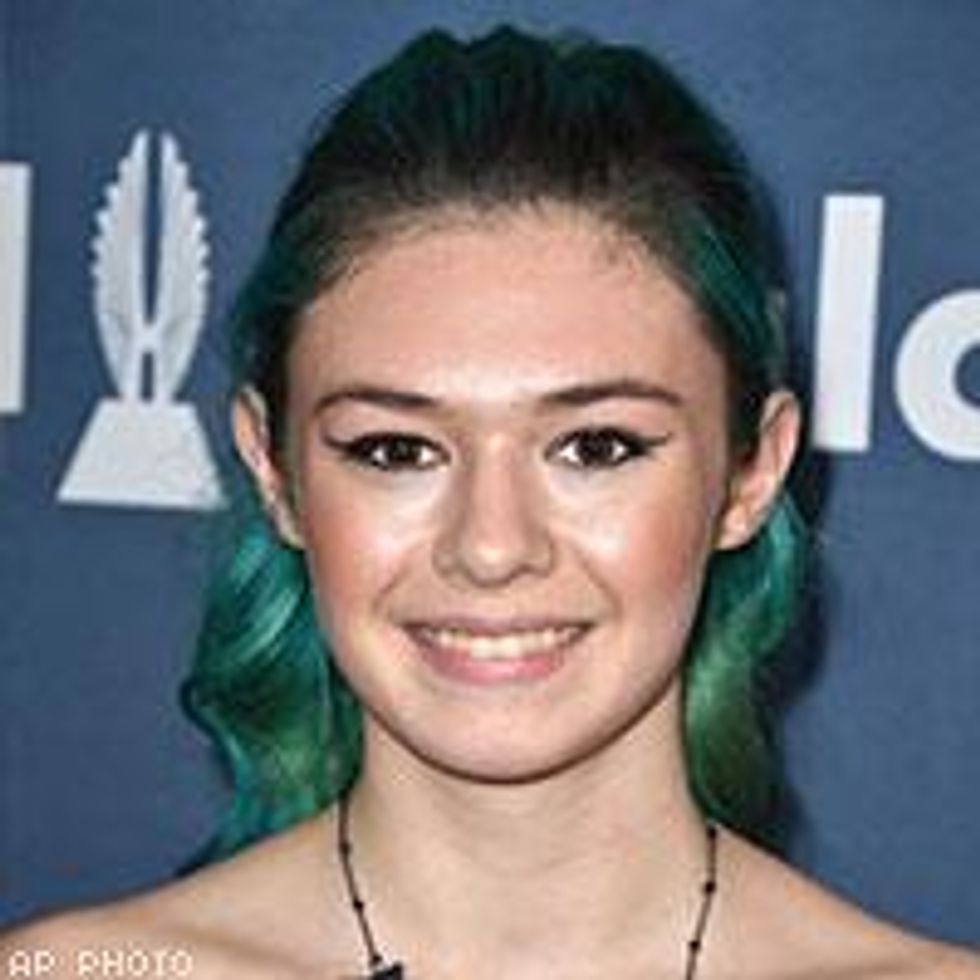 At 15, Nicole Maines gained national attention when the transgender teen sued her school district, eventually bringing the case all the way to the Maine Supreme Judicial Court, which ruled in her favor. It was the first time any court in the nation ruled it unlawful to force a transgender student to use the school bathroom designated for the sex they were assigned at birth. Since winning the case, Maines has been a vocal advocate, not only in her state, but nationwide. In her recent memoir, Becoming Nicole, she opens up about being an identical twin with her brother Jonas (who is not trans) -- and her family's support. Maines's victory earned her a Maine Women's Fund Award for "marking a historic and landmark victory for transgender rights in the U.S."
Maryland
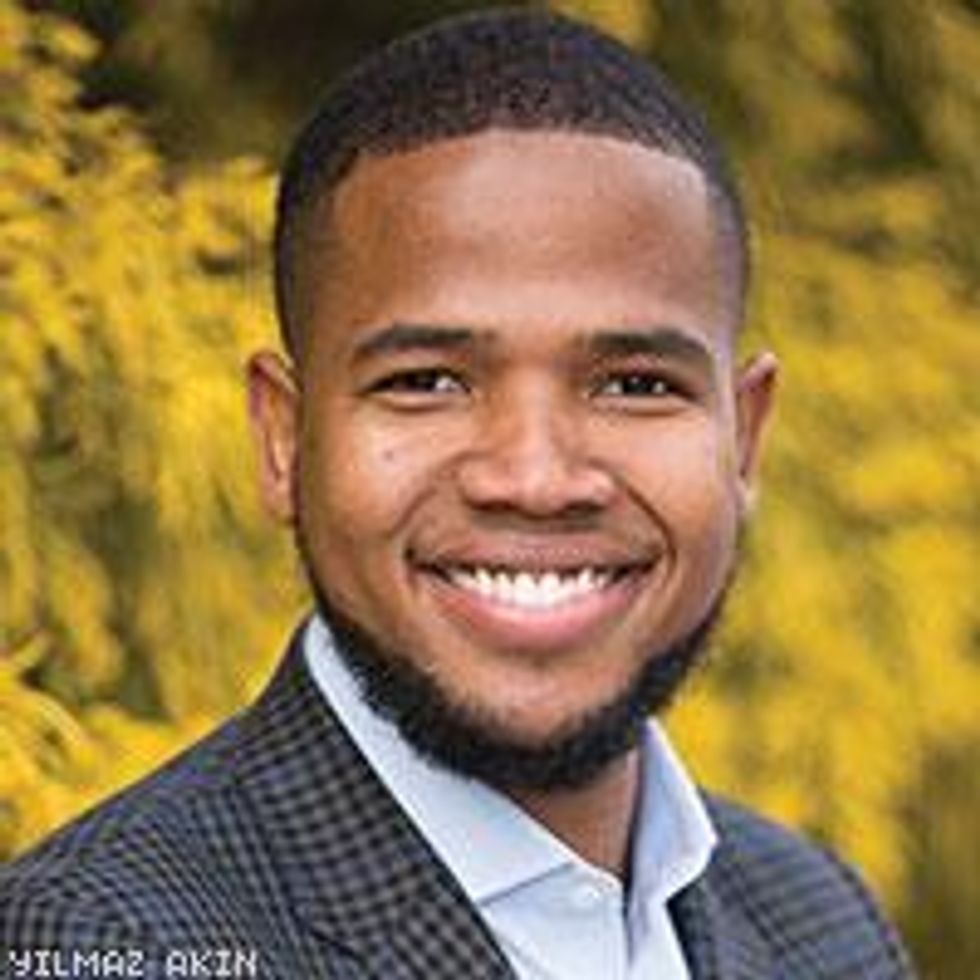 "I'm running because we need to expand opportunity," Gabriel Acevero told the Washington Blade in February, of his decision to run for a seat in the Maryland General Assembly. "In my district, there are a lot of hard working families who are struggling to make ends meet." At 27, Acevero has already amassed an impressive history as a union organizer and fierce LGBT and immigrant advocate. He worked on Maryland's campaigns supporting same-sex marriage and transgender rights. The National Black Justice Coalition named him one of its "100 Black LGBTQ Emerging Leaders to Watch," for his advocacy for homeless LGBT youth and efforts to reform Maryland's criminal justice system. If Acevero wins in November, he'll become the first out gay man of Afro-Latino descent (and one of the youngest) elected to the Maryland General Assembly. "My hope is that I won't be the last," says Acevero. "We need more LGBTQ+ representation at every level of government."
Massachusetts
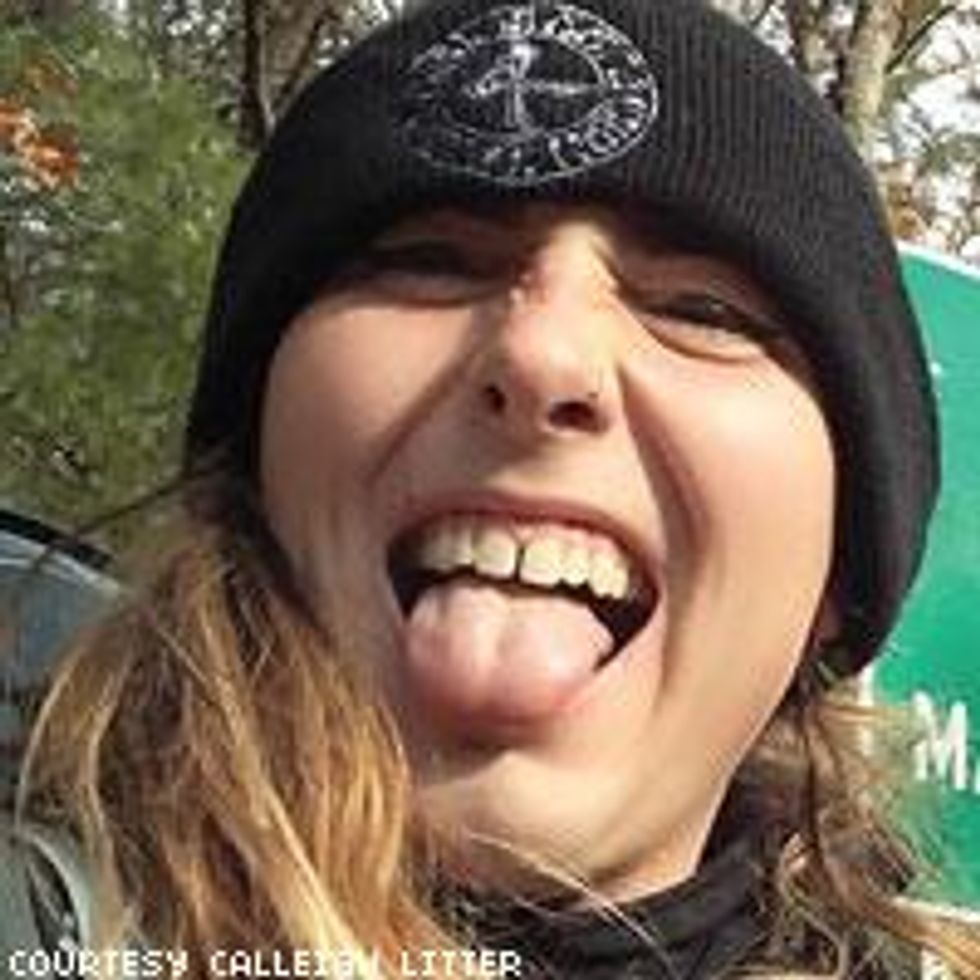 In 2017, transgender skateboarder Calleigh Little placed first at Central Mass Skate Festival 8 in Harvard, Mass., and ranked second in the women's contest at The Homestead-Miami 24-hour Ultra Skate 2017 (she skated 215 miles in 24 hours). Then, the 26-year-old decided to skateboard solo across the United States, becoming the first woman and first trans person to make the attempt. Her grueling mountainous cross-country trek from Oregon to Massachusetts took her through 15 states, gaining a total of 100,000 feet in elevation; in winter, no less.
Eventually, she made it to Boston in time to successfully end her 48-day journey by crossing the Boston Marathon finish line. At the time she told BuzzFeed, "I just kept thinking, One more push, one more push. If I make it to the end I don't have to [push] anymore." It's that perseverance that Little says she's most proud of, "A champion, to me, is someone who consistently faces a challenge head-on when everything is stacked against them. It's rising up when nobody wanted you to. You're a champion when you succeed in one thing, and find thrill in doing it again and again, in a hundred different ways."
Michigan
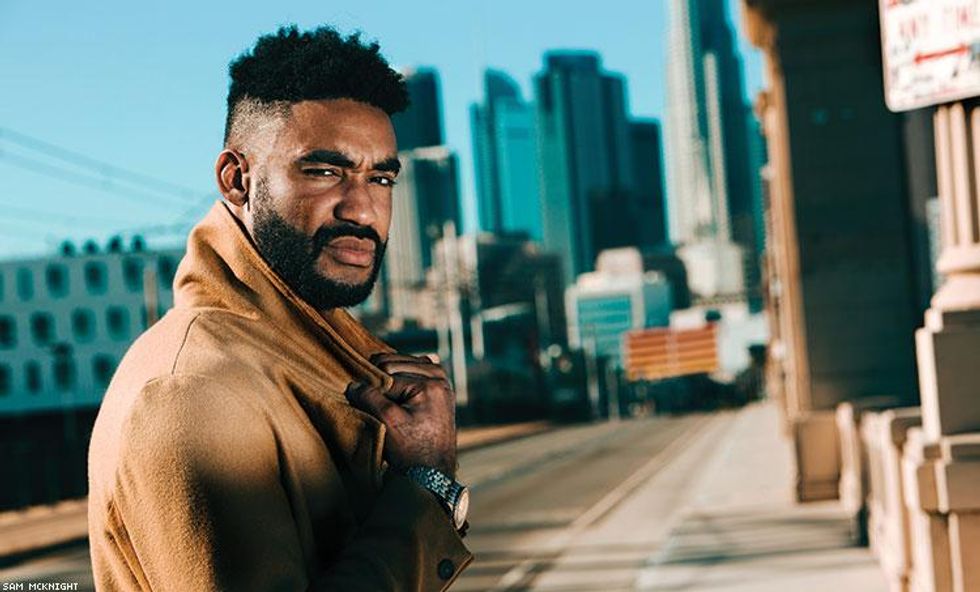 When Zeke Thomas shared the story of his sexual assault with Robin Roberts on ABC's Good Morning America, he became one of the first out gay men to do so publicly. Since then, the Detroit native has encouraged other men to tell their stories. "It's definitely a healing process and something that you have to come to terms with," Thomas says. "But we have to stop allowing people to blame themselves: 'I could have done this, I could have done that.' No, this person took advantage of you. We have to stop making excuses for the bad people." The son of basketball legend Isiah Thomas, Zeke has become the first male ambassador for the National Sexual Violence Resource Center. Moving forward, he hopes to help shape the narratives for those who've dealt with sexual violence.
Minnesota
 In 2012, Representative Susan Allen made history as the first Native American woman elected to the Minnesota Legislature, the second lesbian elected to the statehouse, and the first out lesbian Native American woman elected in the nation. Since then, three more Native women have joined Allen -- Reps. Jamie Becker-Finn, Peggy Flanagan, and Mary Kunesh-Podein -- forming Minnesota's first-ever caucus of Native women. Allen was also a founding member of the People of Color and Indigenous Caucus in the state's House. Allen announced last year that she will not be seeking reelection this November. "It was never my intent to serve in the Legislature forever, but rather to answer a call to public service at a time when racial minorities were severely underrepresented," Allen told MinnPost.com. "When I got here the Legislature was 98 percent white. I wanted to be a voice for the people that were left out."
Mississippi
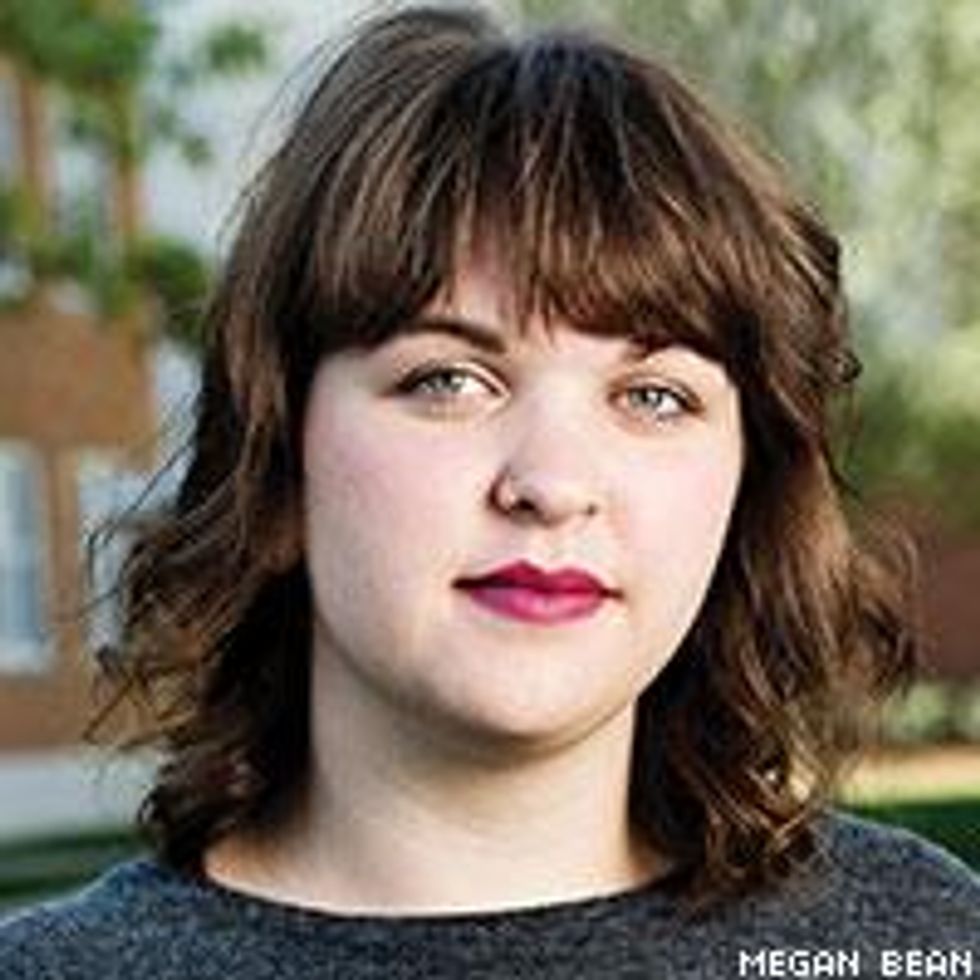 While attending Mississippi State University, Bailey McDaniel planned and organized the first ever Pride parade in Starkville, Miss. The 22-year-old had gotten approvals of the mayor and the police and fire departments -- the latter even offered use of the town's pink fire truck. But everything changed when she presented it to the city's Board of Aldermen, which has final say on what events can be held in the city. At their meeting (which traditionally begins with lengthy opening prayers) held February 20, the board voted 4-3 to deny the parade. McDaniel said she felt a mix of shock, hurt, disappointment, and anger.
As a cisgender white woman, she acknowledges her privilege, but says no LGBT person really feels "safe" in the ultra-religious and conservative Southern town. "It's dangerous to be LGBT anywhere -- but it's super dangerous here because we actually have a law on the books that says we're allowed to be discriminated against," McDaniel explains, referencing Mississippi's H.B. 1523 that allows religious justifications for discrimination against LGBT people. Still, the denial of the parade was particularly notable for occurring in Starkville: After all, in 2014, the college town became the first in the state to explicitly name sexual orientation and gender identity and expression in a resolution supporting equality, which declares discrimination "anathema to the public policy of the City."
Although stunned by the decision, McDaniel says she "knew that we had people in places of power that we could talk to -- so I knew I wasn't going to go down without a fight, that was for fucking sure." Indeed, the next day she was contacted by the Campaign for Southern Equality's founding executive director, Rev. Jasmine Beach-Ferarra, and famed civil rights attorney, Roberta "Robbie" Kaplan. Their message: "Let's fight 'em."
Armed with community support and a slew of media attention, McDaniel and her partner, Emily Turner, filed a federal lawsuit against the Aldermen. The added heat ultimately proved too hot for the board, who held a re-vote on March 6 and approved the event. On March 17, with a crowd of over 2,500, the city of Starkville held its very first LGBT Pride parade.
Missouri
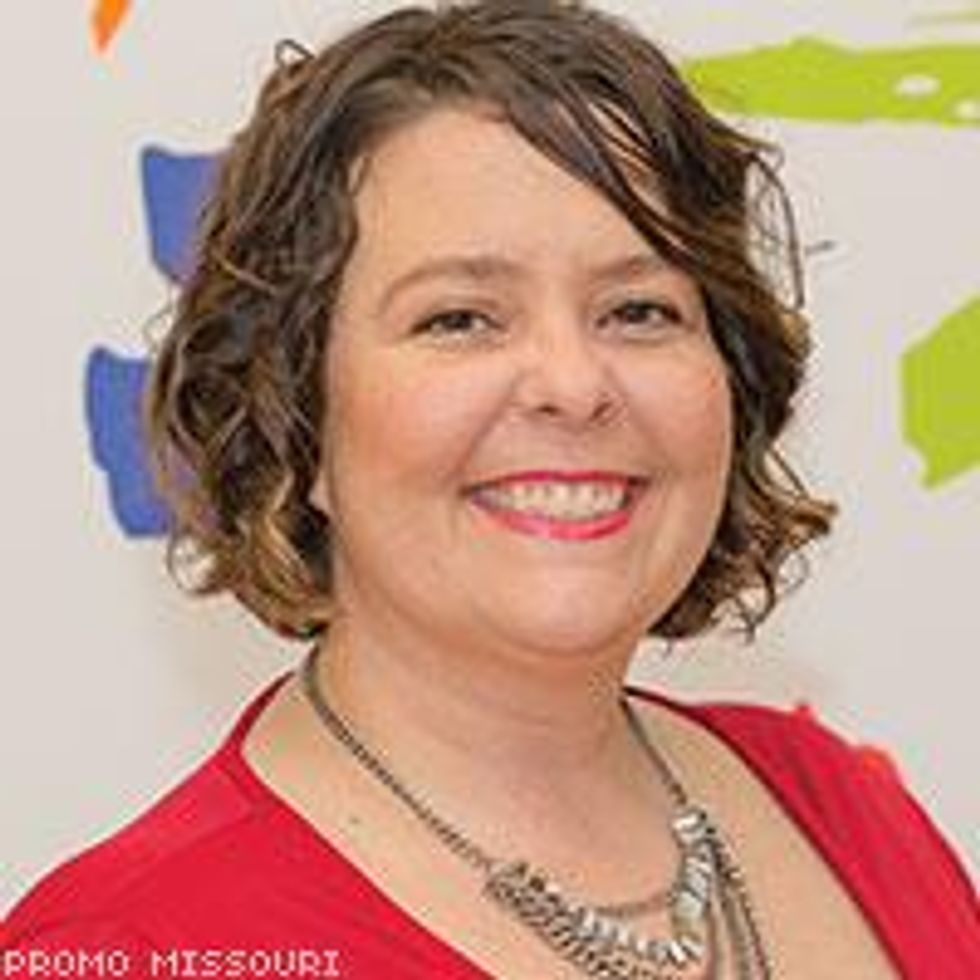 Elizabeth Fuchs is the manager of public policy at PROMO, a statewide organization advocating for LGBT equality. The lesbian advocate has been fighting for the rights of the St. Louis LGBT community for over 15 years. While pursuing a master's degree in social work, at the University of Missouri, St. Louis, she interned at SAGE, the country's largest organization dedicated to improving the lives of older LGBT adults. Upon graduation, she went to work for Saint Louis Effort for AIDS, where she focused on the intersectionality of HIV and those on the gender spectrum and worked to identify and meet the specific needs of HIV-positive transgender folks. At PROMO, Fuchs is now advocating for LGBT equality through legislative action, electoral politics, grassroots organizing, and community education.
Montana
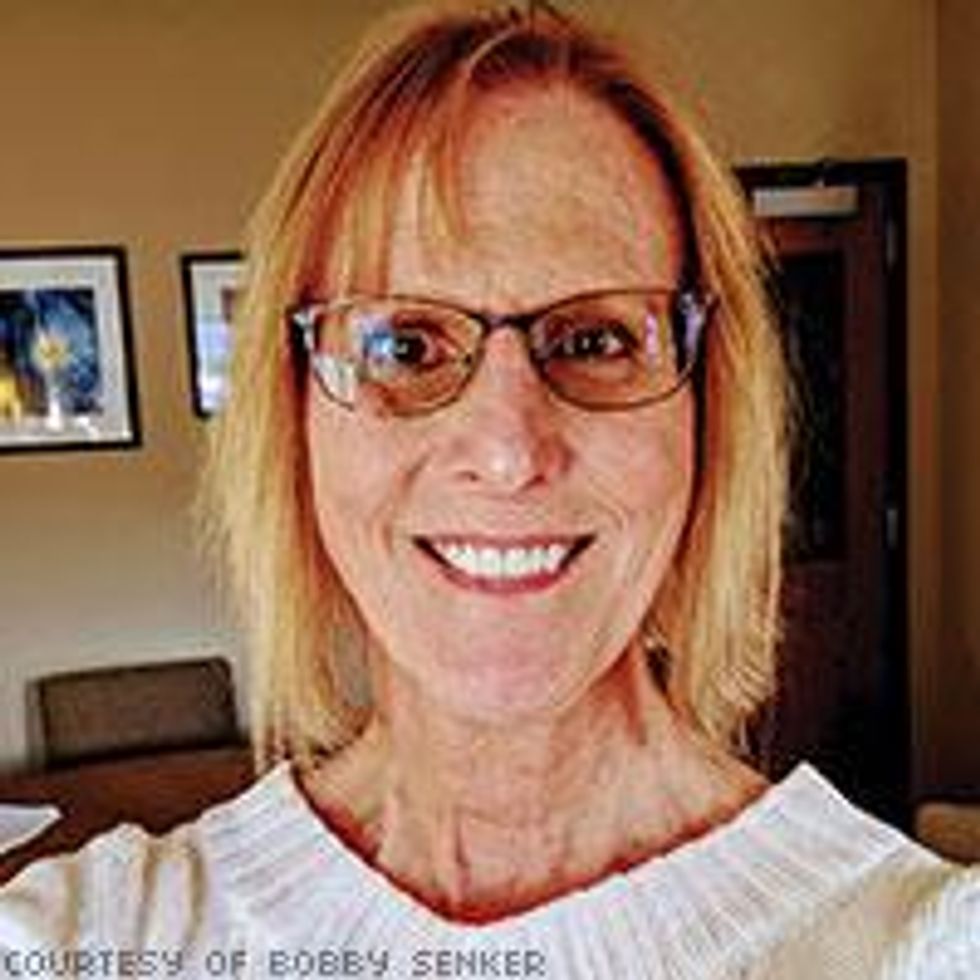 Roberta Zenker is one of 10 Montanans who have joined the American Civil Liberties Union of Montana in fighting I-183, a statewide ballot initiative that would force people to use only public restrooms that correspond with their birth certificate. The initiative is sponsored by the Montana Family Foundation, which lobbied for a similar bill last year (which failed to get widespread support in the legislature), arguing that it offered "compassionate solutions," such as single-stall changing facilities for "individuals who may not feel comfortable in the locker room for their own sex."
Zenker, herself an attorney for Disability Rights Montana, argues the initiative is not only discriminatory but downright dangerous. "There are many cases across the country, where trans women are assaulted in restrooms," Zenker explains. "And it becomes a matter of safety for me."
The 60-year-old mother, photographer, and author of TransMontana: A Memoir of Transformation in Body, Mind & Spirit, also argues, "I-183 challenges my integrity as a human being and makes certain assumptions about trans people that are offensive and not true." Recognizing that bathroom bills are about far more than bathrooms, Zenker says, "the suggestion is there is not a place in our society, in our culture, for trans people. You don't want them in public places." Preventing trans people from meeting a biological imperative in public spaces forces them to stay home. Zenker is proud to be one of the Montanans "challenging an unjust piece of proposed legislation that is so demeaning and degrading and frankly, not necessary."
Nebraska
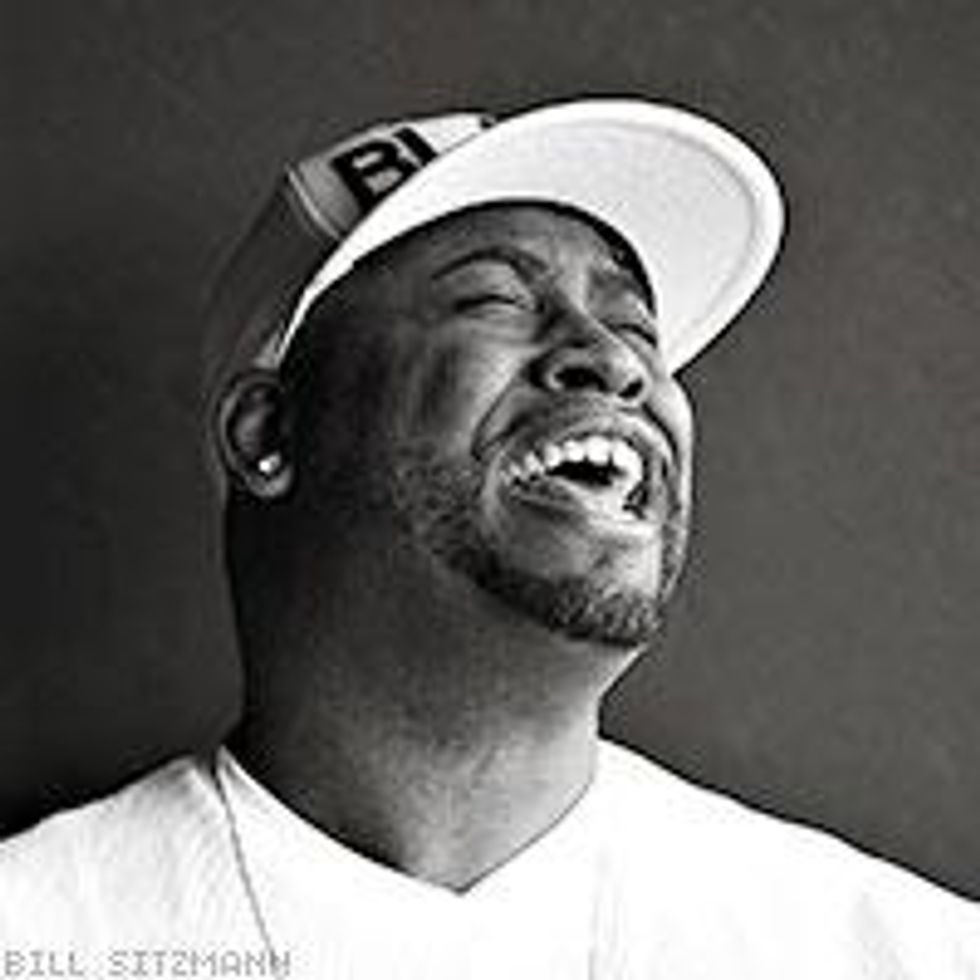 Dominique Morgan knows the power of using art as a form of activism. The gay R&B singer, educator, and activist, has used his talents to push for LGBT issues, prisoner rights, and people affected by addiction. Morgan is a founder of Queer People of Color Nebraska, a group whose mission statement on Facebook argues, "Any recognition of racism must necessarily recognize sexism and homophobia at the same time." Morgan is also a health educator at the Charles Drew Health Center where he speaks with young people about practicing safer sex. He became an advocate for social justice after serving a prison sentence from 2001 to 2009 -- the first 18 months of which he was confined to his cell most of the day, according to Omaha.com, segregated from other prisoners because he was gay. In 2016, he was awarded the NAACP Freedom Fighter Award; at the time, he told Omaha.com, "Because I've been given grace, it's my job to pay that forward." The singer, who wrote more than 300 songs in prison, recently opened for Grammy-nominated R&B artist Ginuwine.
Nevada
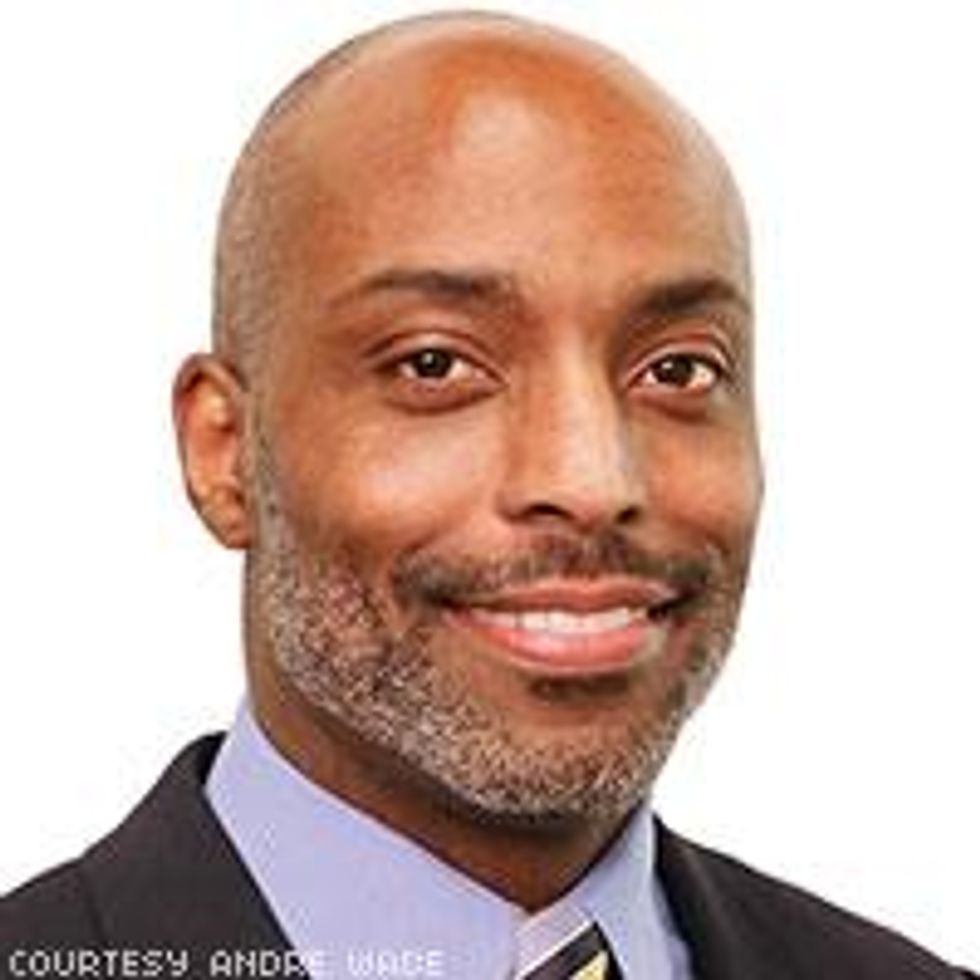 Las Vegas native Andre Wade has been a diehard activist for nearly 20 years, first as a policy analyst for a national homelessness think-tank in Washington, D.C., where Wade advocated for LGBT youth and survivors of sexual exploitation. Last year, he played a pivotal role in the passage of AB 99, a Nevada state law that mandates certain agencies treat "a child as having the gender with which the child identifies," and requires training for staff and caregivers of LGBT (and questioning) youth in foster care. Now executive director of the Gay and Lesbian Community Center of Southern Nevada, Wade says he "would never consider myself to be a champion or a hero, but I do consider myself to be an advocate -- which means having difficult conversations in challenging times, and fighting and pushing for what you believe in your heart is right and true. It means doing what needs to be done to make my home state of Nevada one of the most welcoming and inclusive in the U.S. by making changes in how the LGBTQ community is perceived and accepted in local communities, and by making changes to state-wide systems of care."
New Hampshire
 Emily Fishbaugh has been leading by example since the fourth grade, when she began living as her preferred gender -- pushing forward a much-needed dialogue in her North Hampton, N.H., community. She bravely testified with other trans teens and their families before the state's House Judiciary Committee in favor of the 2017 bill, HB 478, which would have prohibited discrimination based on gender identity, had it passed. Rather than give up, Fishbaugh, now 16, has become a visible presence in her state, advocating for a 2018 version of the legislation. At a rally earlier this year, she spoke about being miserable before coming out. Her school was supportive of her social transition, and as SeaCoastOnline.com reported, Fishbaugh now says she's "just like any other girl. I'm just living my life and I'm happy."
New Jersey
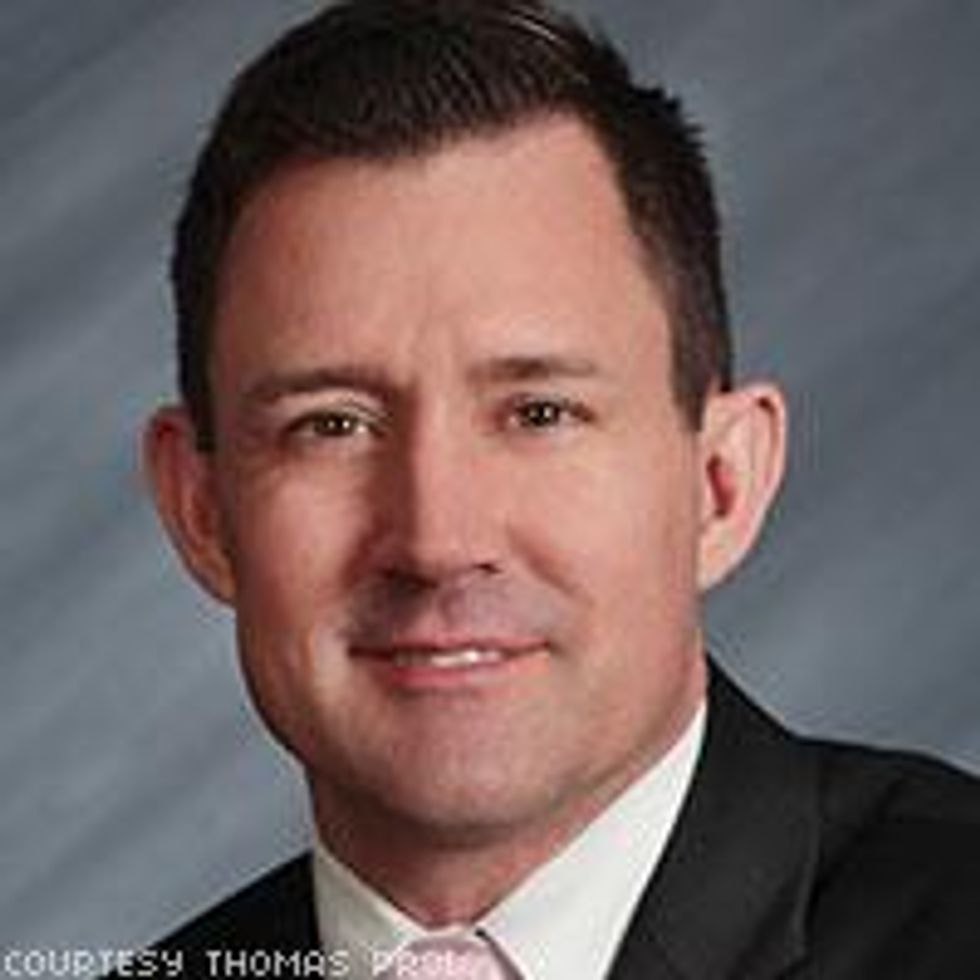 In 2016, Thomas H. Prol became the first out gay president of the New Jersey State Bar. During his tenure he's spearheaded efforts to ratify the Equal Rights Amendment to the Constitution, and promoted diversity and inclusion in the legal system. A frequent lecturer for the New Jersey Institute for Continuing Legal Education, he's also served as an adjunct professor at both New York Law School and Rutgers University. For over a decade, Prol has been a vocal advocate on civil rights issues, and was a prominent voice pushing for marriage equality in New Jersey as well as the state's antibullying legislation. He's also served as a vice chairman of the board of Garden State Equality, New Jersey's leading LGBT rights organization.
"Being a champion means advocating for what is right, just, and fair, no matter how unpopular," Prol says. "Everyone gets 70 or so years on this ball of dirt and water, flying around a big ball of fire in the sky. I think a champion is the person who uses that time to take up the mantle of empathy, compassion, and respect to make the world a better place than when they got here."
New Mexico
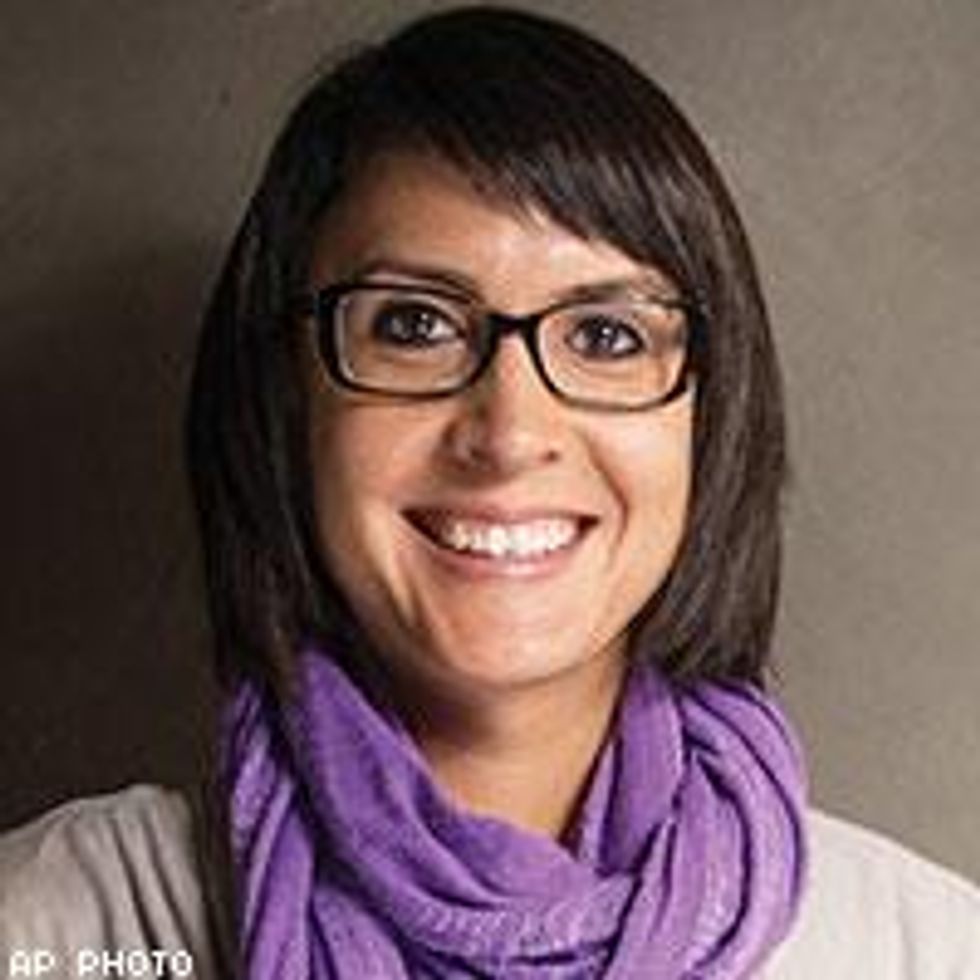 When her hometown Navajo reservation in Gallup, N.M., was derisively referred to as "Drunk Town USA" on national television, Native American writer and director Sydney Freeland felt compelled to respond. Her documentary, Drunktown's Finest, is an attempt to honestly, yet compassionately, portray the complexity of tribal life on the reservation. The 2014 film is a coming-of-age anthology about three teens -- one of whom is Felixia, a trans girl with dreams of becoming a model. In 2017, Freeland, a trans Navajo woman herself, received the Special Recognition Award at the 28th GLAAD Media Awards for Her Story, a dramatic web series she helped write and produce about two successful trans women, one a civil rights attorney and the other founder of a tech company. The series also garnered a Primetime Emmy nomination for Outstanding Short Form Comedy or Drama. Freeland is a 2004 Fulbright scholar and a 2009 Sundance Institute Native Lab fellow with an MFA in film and a BA in computer animation.
New York
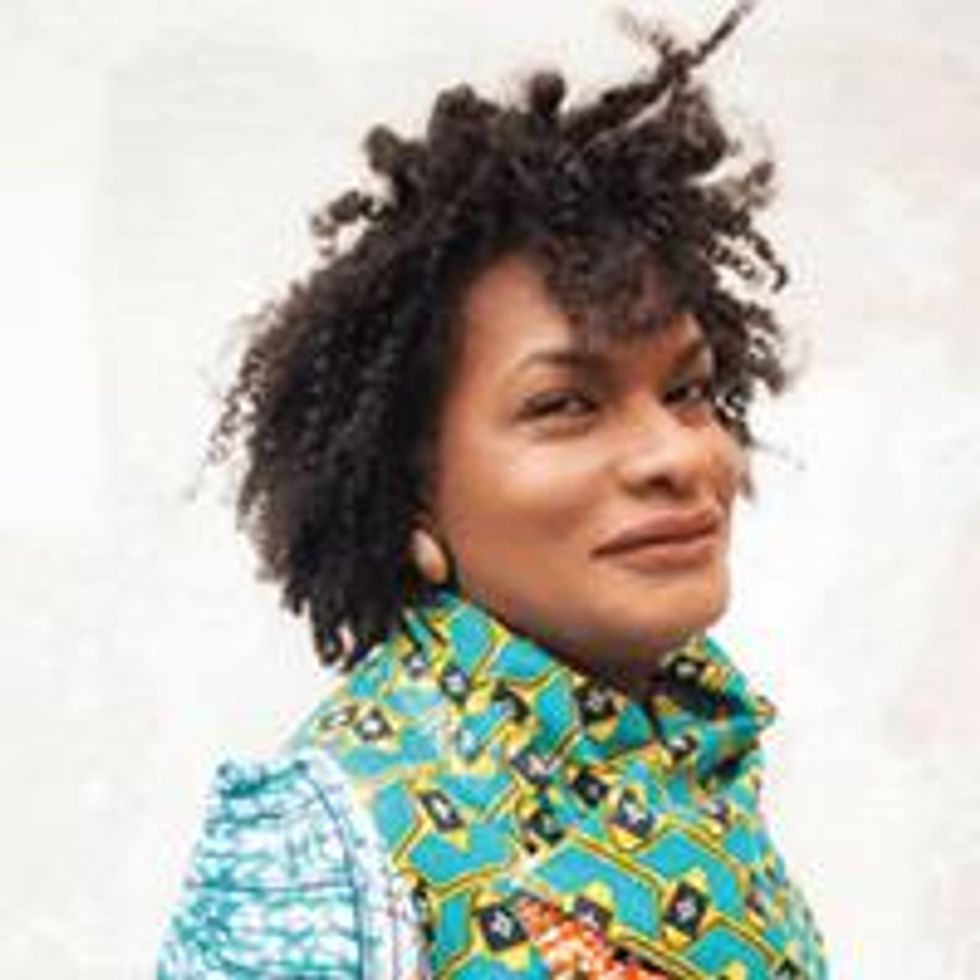 Activist, political journalist, and media maven Imara Jones launched The Last Sip, a news show on Free Speech TV, to get to the bottom of things and "explore issues that affect all of us." Jones, who used to work for Viacom, says there's a huge gap in news programming, which started with the rise of cheaper-to-produce reality shows, when many youth-based networks, like MTV and BET, "nixed their news."
"I also do a lot of television and I spent a lot of time in newsrooms," Jones explains, "One of the things that I noticed in most mainstream newsrooms is how non-representative of the country they are, and how nonrepresentative they are of the largest generation in American history -- that's millennials -- who are increasingly the future and in whose hands our country lies. That, to me, was a fundamental disconnect." She positions her "News for Social Change" as the answer, offering programming geared toward millennials and marginalized populations.
It's something she says she couldn't do before Trump took office -- because even LGBT networks said a program like The Last Sip was no longer really necessary. "I think what I was astounded by, and what I continue to be astounded by, is the degree to which a lot of LGBTQ people had also a false sense of security," she says. "Everyone thought that because symbolically, and policy-wise, we'd had ... real wins, that somehow, the game was over. I think we know now that the game is far from over. If we're going to have better outcomes that reflect all of us, we need to have different people in the news and deciding what is news."
As a trans woman of color, Jones says Pride is "about manifesting my truth. I think Pride is very important. You can be in your bubble and you can feel as if you know what LGBTQ is, but every year you see ... the range of our community, the power of our community, and the beauty of our community. That sense of strength that comes from that is something that I carry throughout the year."
North Carolina
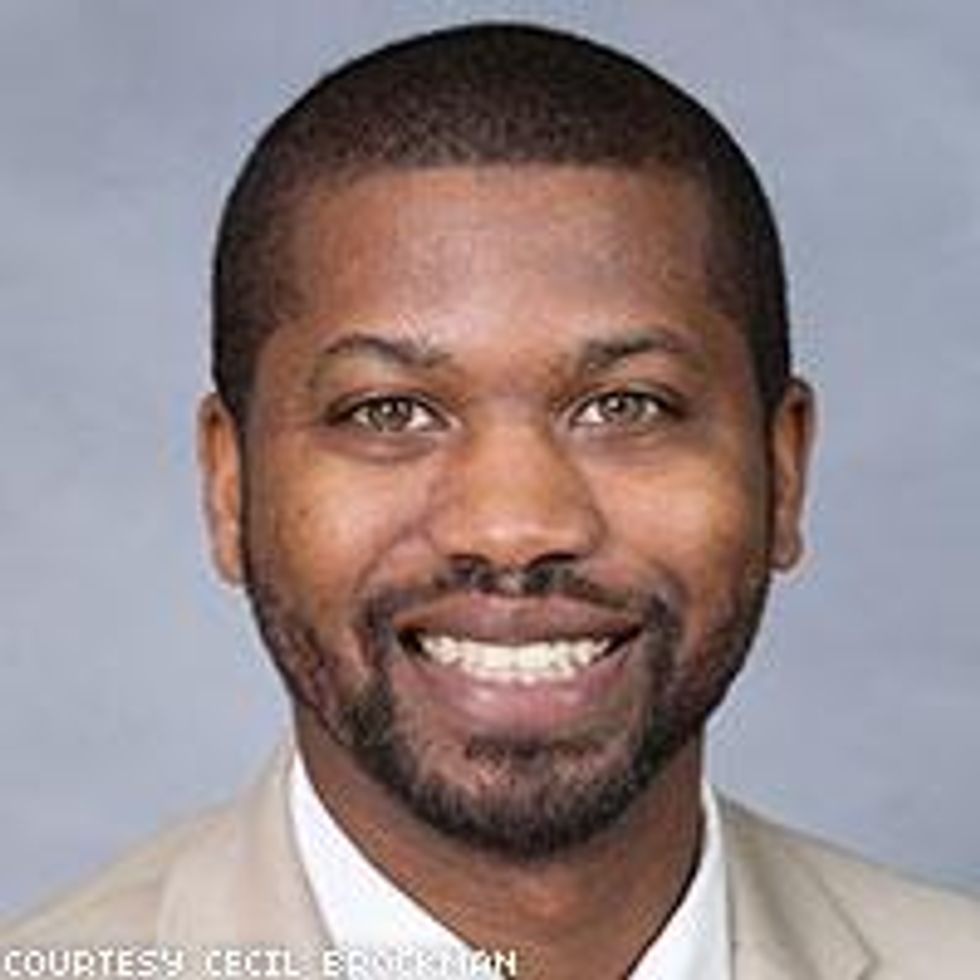 When state representative Cecil Brockman came out as bisexual in 2016, he became the North Carolina General Assembly's only out LGBT member, following the departure of Rep. Chris Sgro of Greensboro. His move occurred on the heels of the governor's veto of the state Senate Bill 2, which would allow magistrates to refuse to perform marriage ceremonies for same-sex couples. Brockman, who wasn't out at that time, stood and apologized to same-sex couples in North Carolina before being gaveled down by House Speaker Tim Moore. "I always felt that I tried to stick up for the LGBT community, even when I wasn't out," he told Greensboro.com. "I want to do more of my part, to be stronger and admit to the world that I'm actually a member of this community as well."
As campaign manager to Marcus Brandon, the first out gay N.C. representative, Brockman said he saw firsthand what it was like to get bullied by members of your own caucus. "I've heard what people say about LGBT people when they think they're talking to a room full of straight people," he said. "I saw the things Marcus went through, and that made me even more fearful of what the reaction might be for me." Since then, Brockman has stood his ground amidst homophobia -- and used his experience as a catalyst for educating North Carolinians.
North Dakota
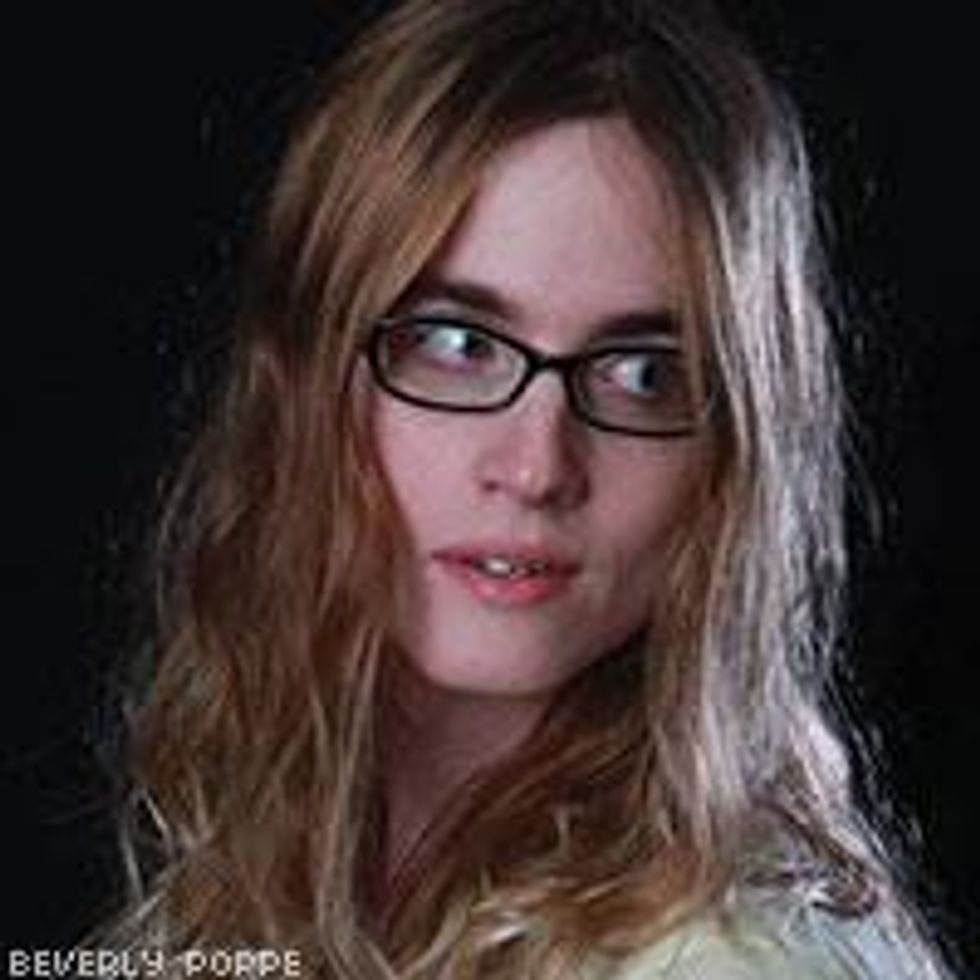 After launching a federal lawsuit against her former employer, Sanford Health, for discriminating against her based on her gender identity, Fargo native Faye Seidler has become a staunch activist for pro-trans legislation. She's testified in front of the North Dakota House of Representatives about LGBT rights while advocating for better health care for trans people. She says she's motivated by a "desire to make the world a better place, not just for [my]self, but for everyone. ... There are people like me who cannot abide by injustice and no matter how drained I feel, I get up again and again, because I believe wholeheartedly that people are better than they are worse. I believe in the future, not as an optimist who expects magic, but as a realist who will fight step by step to make this world a better place."
But ordinary people can be heroes too, Seidler believes, "A trans person who lives their identity and found happiness is a champion to me, because that person stands as hope for people who are not yet there. A trans ally who does nothing more than educate their own family and friends is a champion to me, because enough allies having those intimate conversations will create a systematic change that my activism alone will never do."
Additionally, Seidler says, we all must acknowledge the "privileges we have and make sure that all voices are lifted up. I'm given opportunities as a white, cis-passing, trans woman that [few] under the trans umbrella [are]. Being a champion also means stepping aside to let other people be champions. It means promoting other people's voices. It means actively working for equality for all marginalized communities, and not just the ones that impact your set of identities."
Ohio
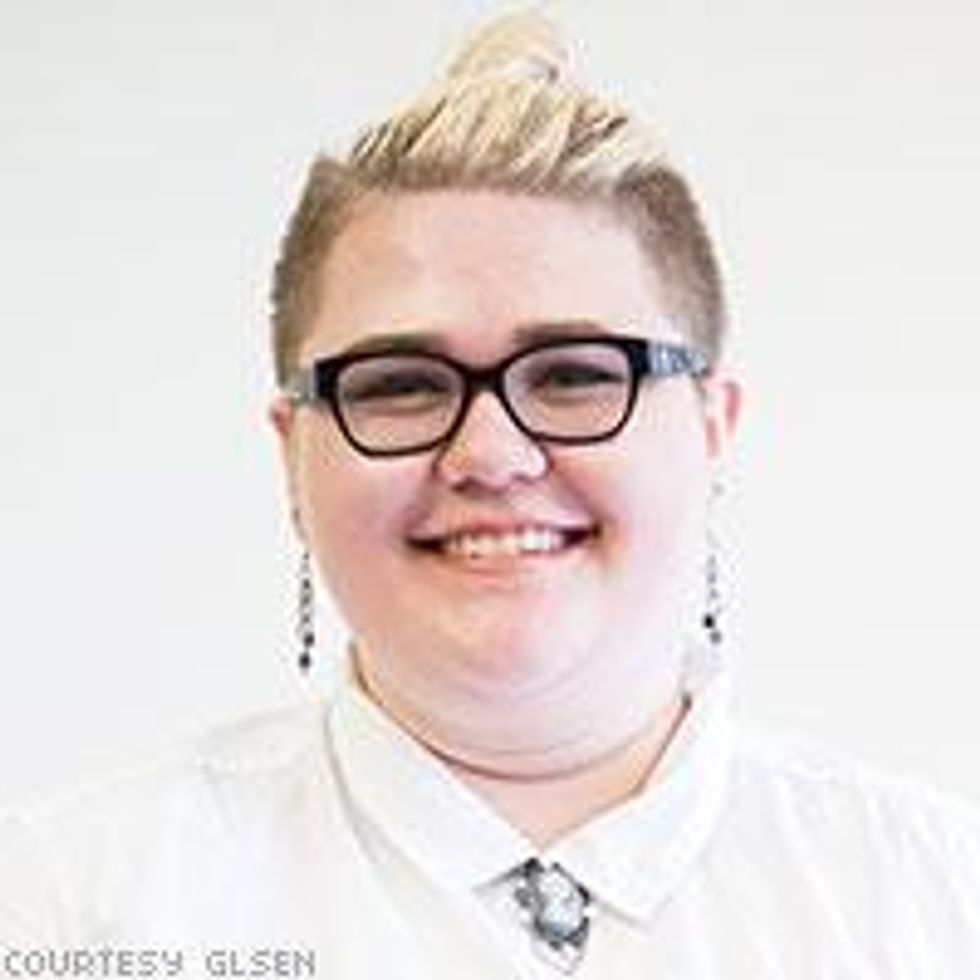 Last year, Keress Weidner, now a senior at Kettering Fairmont High School in Dayton, Ohio, was named to the LGBT youth advocacy group GLSEN's National Student Council for founding an "Inclusive Queer Alliance" at her school. Every year, GLSEN selects 18 high school students to be part of their national student leadership team, the National Student Council. Chosen from over 700 applicants, winners are safe-schools advocates, LGBT group leaders, and passionate activists committed to social justice, and equality.
Weidner -- a fierce activist for LGBT equality, especially trans rights, and a supporter of gender-neutral public bathroom facilities -- said upon her induction into the council, "I'm bigender and polysexual. I use they/them pronouns but prefer no pronouns. I'm an intersectional activist and artist who focuses on the rights of nonbinary and neurodiverse people as well as queer victims of abuse, religious persecution, and racism."
Oklahoma
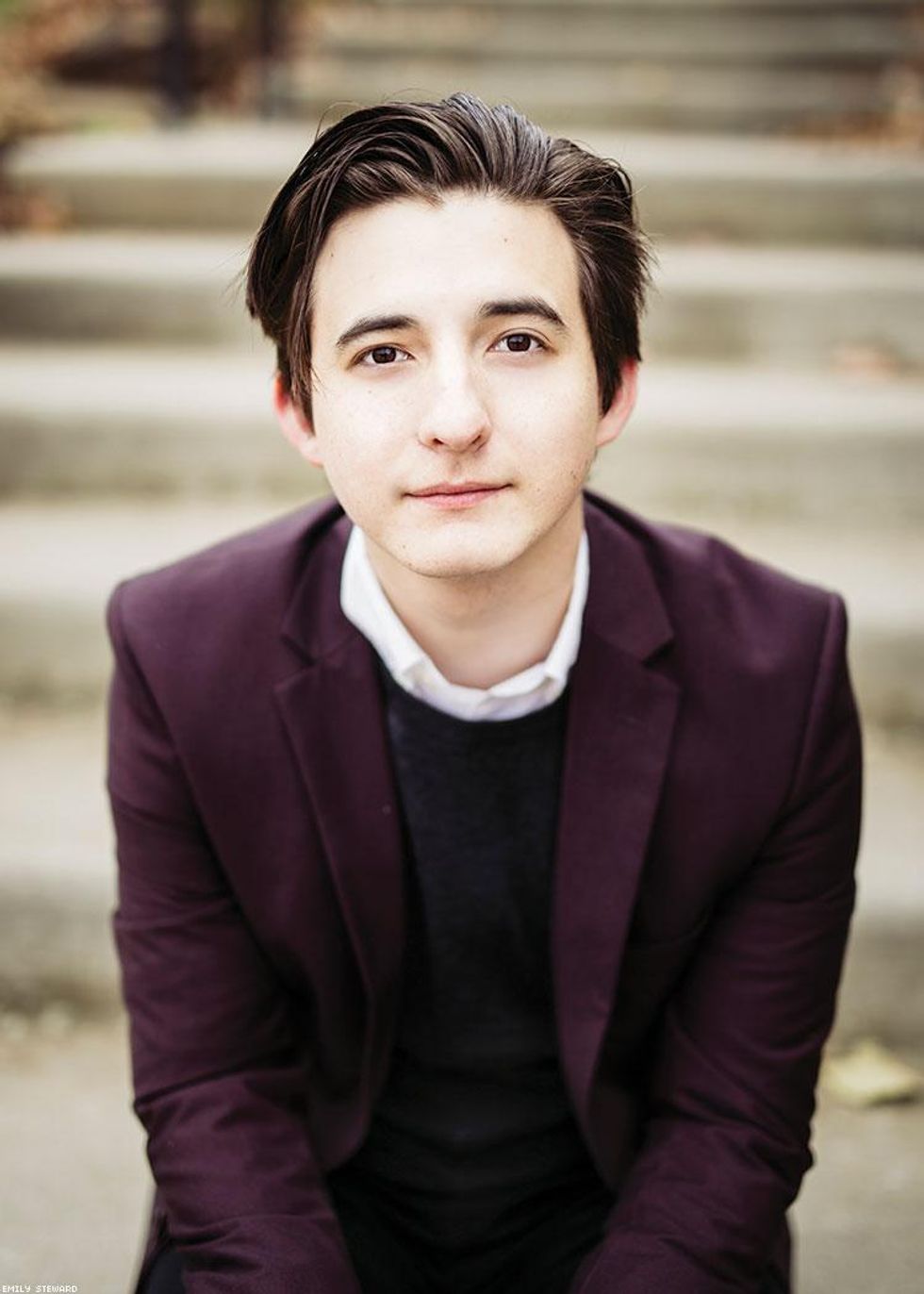 Native American Henry Roanhorse Gray is an LGBT activist from Tulsa and cofounder of the group Osage Citizens for Marriage Equality. The 24-year-old played a prominent role in the successful battle to gain legal recognition of same-sex marriages in the Osage Nation -- one of Oklahoma's largest Native American tribes. The measure passed last year with 52 percent voting in favor, although only 10 percent of eligible tribal members cast their ballots. While the U.S. Supreme Court recognized marriage equality in 2015, the ruling didn't apply to Native Americans in legally sovereign nations. Gray is optimistic that the Osage Nation decision could be a catalyst for marriage equality throughout Native nations (the Cherokee Nation and the Cheyenne and Arapaho Tribes already recognize same-sex marriages). As the vice president of the Tulsa Young Democrats, Gray is also active in other areas of local politics that impact the LGBT community, including supporting the Oklahoma teacher strike.
Oregon
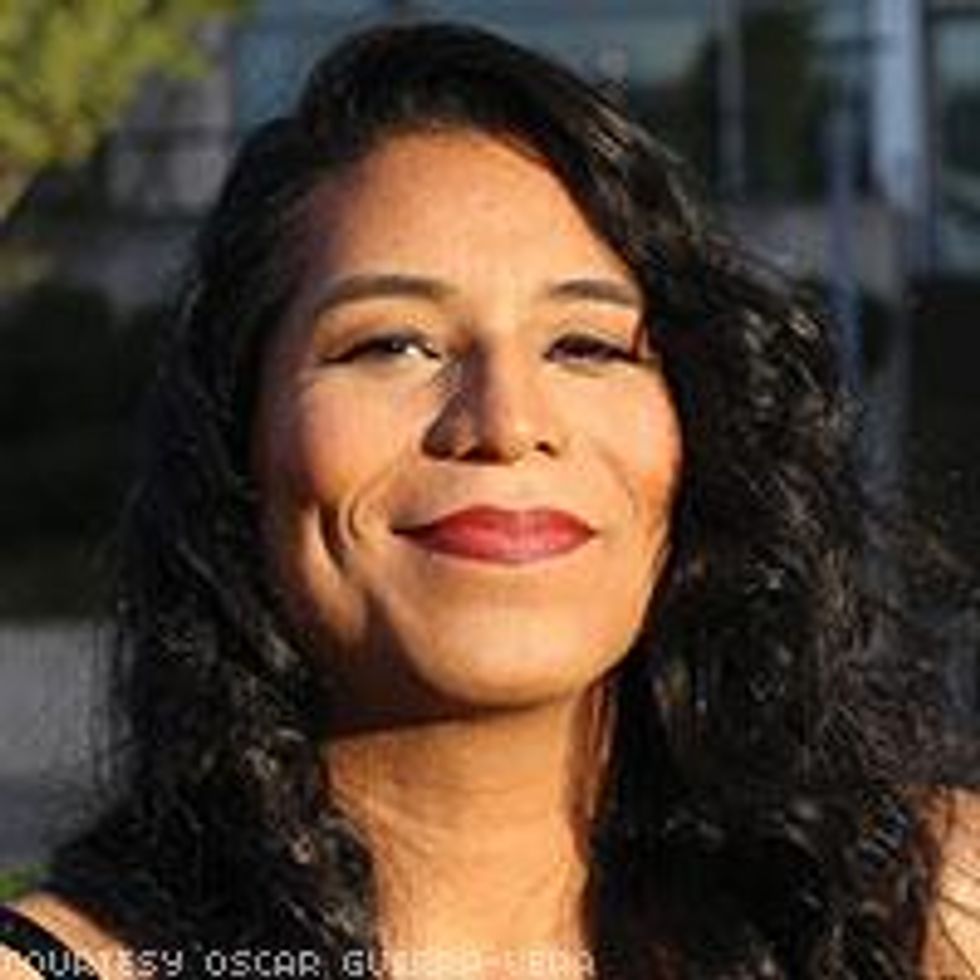 Oscar Guerra-Vera is the executive director at Portland, Ore.'s Q Center and previously served as the End Profiling legislative campaign director at Unite Oregon, an organization dedicated to building a unified movement of people of color, immigrants, rural communities, and people experiencing poverty. Guerra-Vera also cofounded the Oregon Student Equal Rights Alliance board, to testify in support of tuition equity and student rights campaigns. The child of Mexican immigrants and a descendant of O'dami (Tepehuan) Indigenous peoples, Guerra-Vera continues to fight tirelessly for individuals at the intersections of multiple struggles.
Pennsylvania
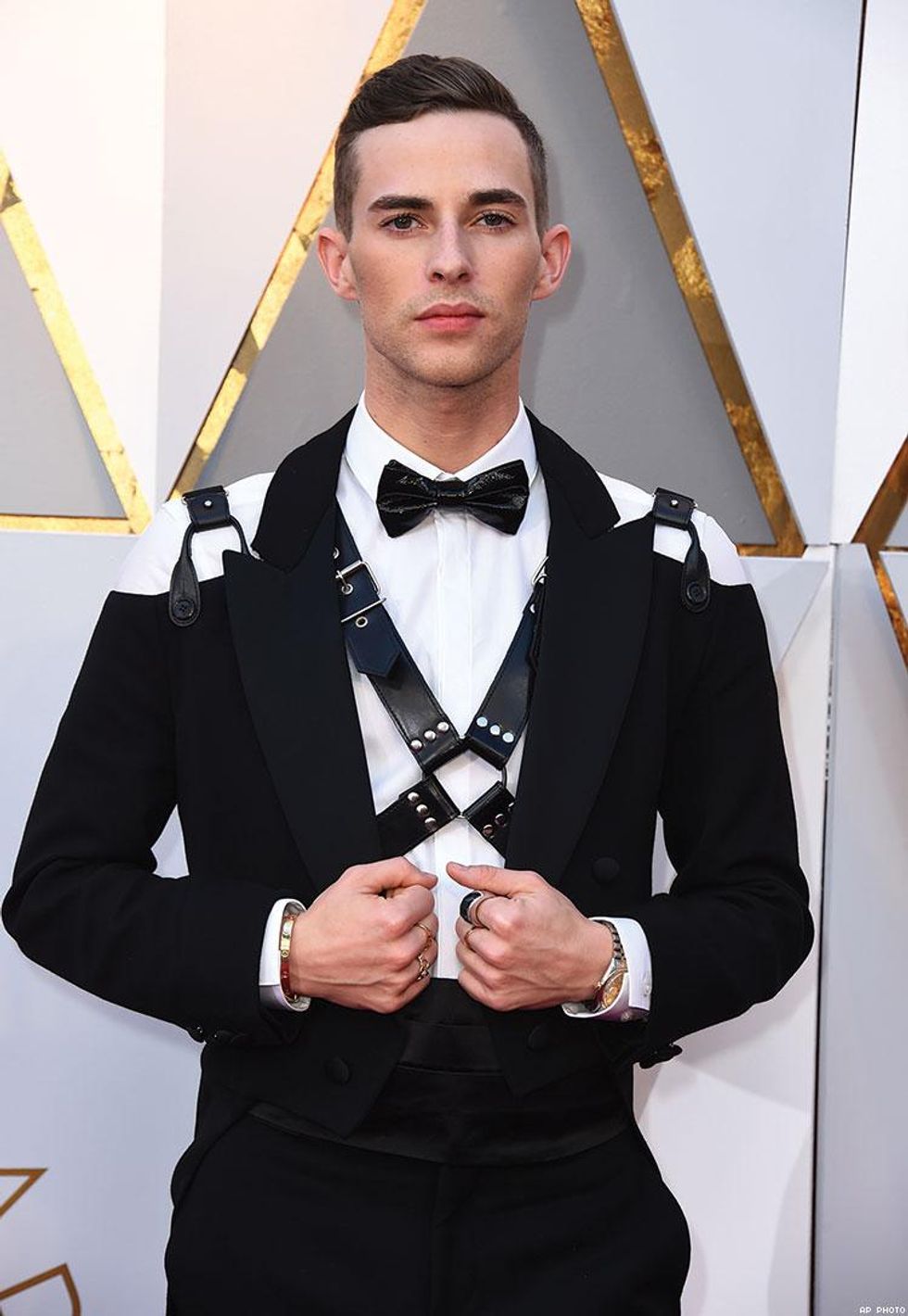 It's been a life-changing (and affirming) year for Olympic figure skater Adam Rippon. The out athlete won a bronze medal -- and fans around the world -- this year at the 2018 Winter Olympics, becoming the first out gay U.S. male athlete to medal at a Winter Games. His charisma, confidence, and larger-than-life performances quickly turned him into a fan favorite. In many ways, his new spotlight is where he was destined to be all along. "I don't want to be recognized for being an athlete anymore," he said to InStyle. "I've always loved skating, but on some level I've always known that entertaining is what I'm better at." Rippon grew up in Scranton, Pa., where "for so long I was so ashamed of who I was." Skating brought him out of his shell and allowed him to be the person he really is. "There is a huge difference in the way I used to skate and the way I skate now," he said. "I used to mainly try to impress the judges, and for me that meant being perfect, and that meant holding back. And now I'm like, 'Fuck 'em.' It's a really liberating experience to just be yourself."
Rhode Island
 Like many of us, Nika Lomazzo watched last year's elections with a sense of pride, and an epiphany soon followed. The election of trans activist Danica Roem into Virginia's House of Delegates inspired the young trailblazer to run for Rhode Island state representative in District 8, where she is facing longtime state Rep. John Lombardi. If she wins, she'll be the first out trans person to serve in the Rhode Island government -- and it's something she says is long overdue. "Let us be clear that every day a trans person steps out of their house, that is an act of not only bravery, but revolution," Lomazzo said at a protest last summer against Trump's proposed ban on trans people serving in the military. Running on the slogan "Transitioning for Change," the activist, who has worked with leaders in Rhode Island's LGBT community for several years, thinks it's time for lesbians and gay men to support her. "Trans people in general, we're just left behind and forgotten about," she told the Providence Journal in 2017. "We've been supporting gay men and women for decades without their support ... now it is our turn."
South Carolina
 Nijeeah Richardson (who uses they/them pronouns) is the director of support programs with We Are Family Charleston -- an organization that seeks to empower LGBT and straight ally youth to succeed within their families, the community at large, and life itself. It sponsors Charleston's Queer Youth Prom, open to middle and high school LGBT and straight allies.
Richardson, a 24-year-old Charleston, S.C., resident is a licensed social worker and LGBT activist, who says being a champion "isn't just about winning -- when we know the race is rigged. Rather, it's the spirit that compels us to keep fighting for the liberation of all people."
While pursuing social work degrees, Richardson interned at Time Out Youth Center, which serves LGBTQ youth in Charlotte, N.C., and for the Freedom Center for Social Justice, which is committed to the growth, safety and empowerment of the LGBTQ community. Richardson also cofounded the Transformative Teaching Collective, a Charleston-based cooperative that works with local schools, community groups and nonprofits, as well as government organizations, to provide social justice education.
South Dakota
 Small-town life can be difficult for LGBT youth. Nobody knows this better than Bryce Fehringer, a member of the University of South Dakota swim team, who inspired queer youth everywhere when he shared his story in an essay for Outsports that went viral.
Growing up in a town of 1,500 in rural Colorado, Fehringer was taunted and bullied, not for his sexuality but for his devotion to swimming. In a school where swimming was considered a "gay" sport he was the subject of homophobic slurs on a daily basis; as a result, Fehringer had been suffering from depression and crippling anxiety attacks since the age of 14 -- which only worsened as he realized he was gay. "The darkest moments of my life came when I laid in bed at night and asked God to take my life because of the amount of self-hatred I felt towards myself," he wrote for Outsports. After his freshman year in college, Fehringer was moved by the death of a cousin who committed suicide. Her passing helped him seek counseling. Eventually he came to terms with his sexuality, and inspired by Jesse Taylor, who three years prior, had become the first college athlete in South Dakota to come out publicly -- Fehringer decided to follow suit. His coach, Jason Mahowald, shrugged it off, replying, "Well, that's OK -- just as long as you invite my wife and me to your wedding someday." Fehringer's announcement was met with acceptance and support at USD. Out and proud now, Fehringer hopes he can be an inspiration to other young gay athletes, as Taylor was an inspiration to him. Mahowald told The Volante, a campus newspaper, "I hope at some point, we get to the point of society where it's not a news story that a Division I athlete came out and said they were gay."
Tennessee
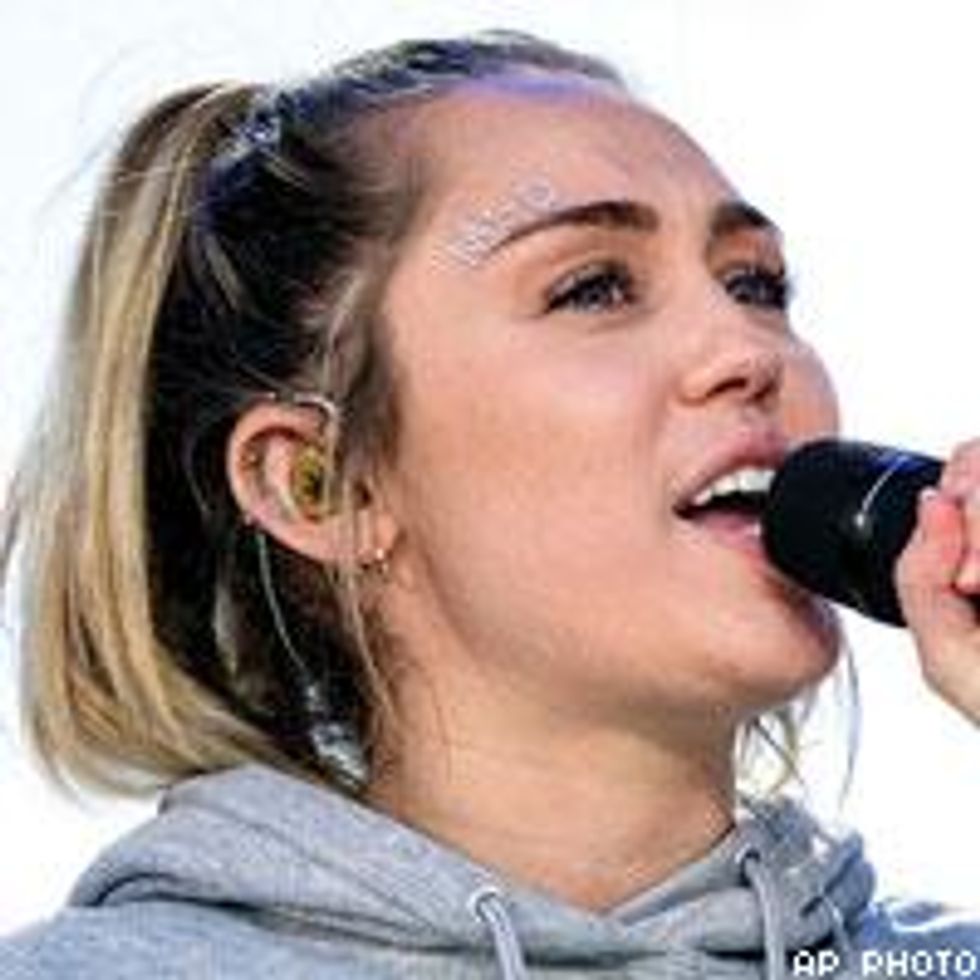 Miley Cyrus is much more than the straight-washed star the media often tries to make her out to be. The 25-year-old Tennessee native and onetime Disney star came out as pansexual in 2016 and has long been a staunch advocate for LGBT issues. The singer-songwriter learned well from her philanthropist godmother, Dolly Parton, and launched the Happy Hippie Foundation (HappyHippies.org) in 2014 to engage other young people in combating the injustices faced by homeless and LGBTQ youth, and other vulnerable populations. That same year, at the MTV Video Music Awards, when Cyrus's "Wrecking Ball" was named Video of the Year, the singer sent a homeless kid, Jesse, on stage to accept the award for her and drew attention to the "1.6 million runaways and homeless youth in the United States who are starving, lost, and scared for their lives." As a result, of that publicity, the Los Angeles organization My Friend's Place raised over $200,000 in just 24 hours. "All humans have valid feelings and rights!" Cyrus said in a statement. "I want to use my voice as a megaphone to young people everywhere and encourage human evolution."
Texas
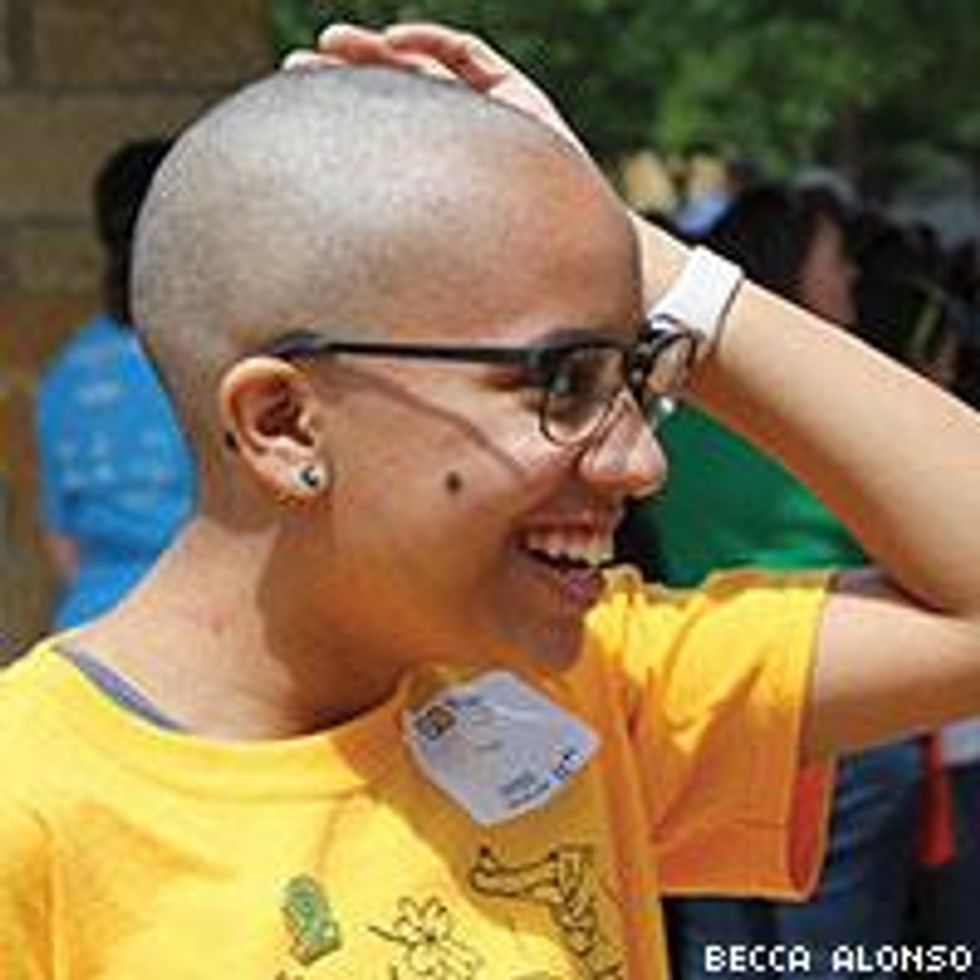 Ezra Morales is a queer, trans, gender-nonconforming youth activist from the Austin area who uses the pronouns "ey/em" in addition to he/him. As a freshman in high school, Morales became even more involved in queer activism after the LGBT youth organization GLSEN named them as one of 2017's National Student Council members. Only 17, Morales has already worked with major LGBT organizations including the Trans Student Educational Resources, the Human Rights Campaign, and Out Youth. Earlier this year, Morales spoke at the National LGBTQ Task Force's Creating Change conference. Ey have also led and coordinated numerous workshops to bring awareness and action to problems facing the queer community. Morales's activism also includes partnering with Conquer Childhood Cancers on a fundraising campaign to find a cure and participating in the SXSW EDU Conference & Festival to impact the future of education. Morales's own plans for the future involve getting a degree in gender and sexuality studies, and eventually teaching a whole new generation.
Utah
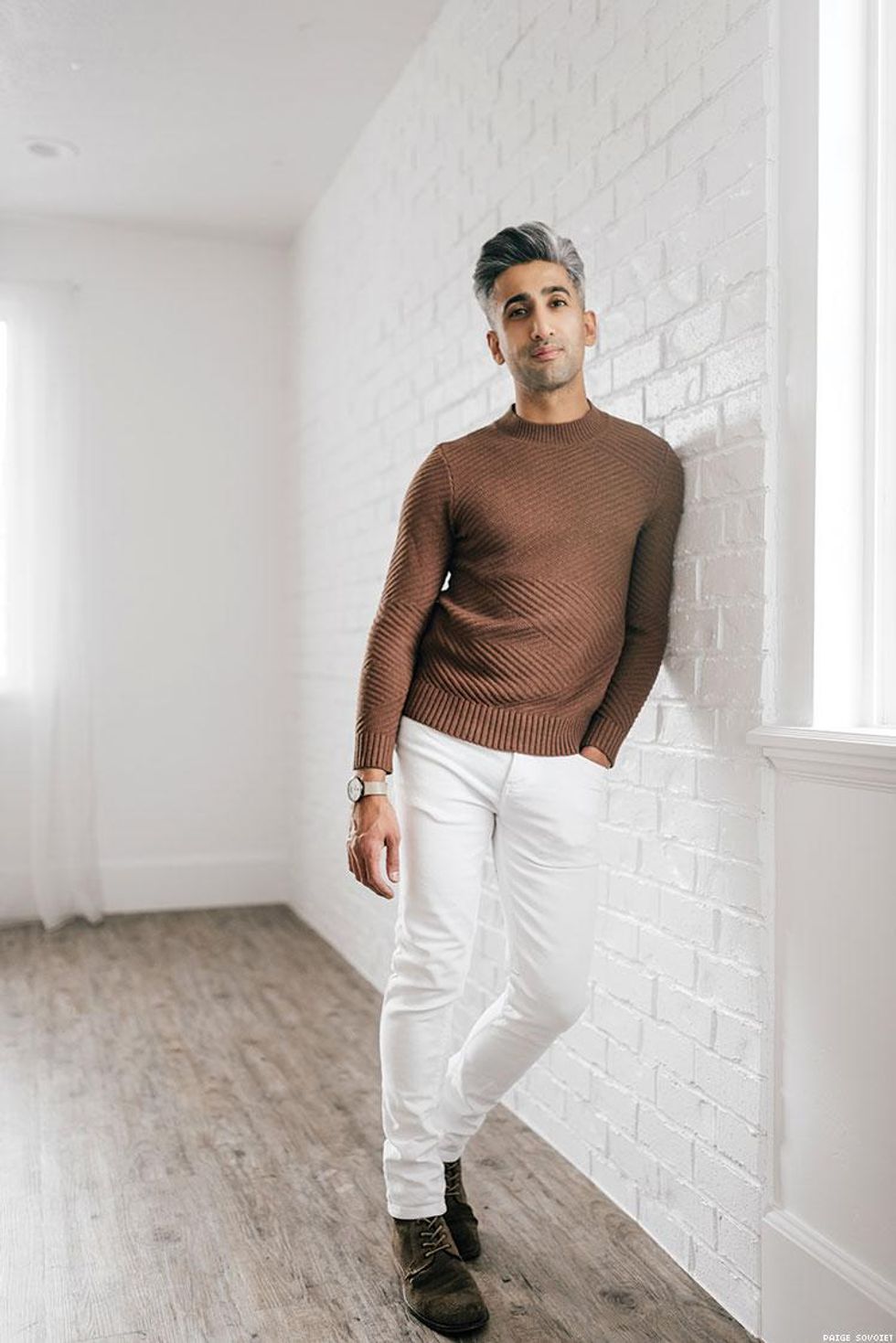 Tan France is the British-Pakistani fashionista leading the reboot of Queer Eye (formerly Queer Eye for the Straight Guy). When the show first launched on Bravo in 2003, it was a sign that LGBT audiences were looking for authenticity, for real queer folks to carry the torch. It was also revolutionary for presenting queer men as role models for straight men. Now a new Fab Five is taking their message to Trump's America, into the lives of working- and middle-class families in the South, giving them, France says, a chance to "talk about things we've never talked about on TV before." Born in England to Pakistani parents, France had only seen the British version of Queer Eye but binge-watched the original when he was asked to audition. He realized the original cast "were trailblazers, and I found it pioneering."
France sees the new Queer Eye's mission as personal. Describing his family as "very Middle Eastern," he says there were only "two options for any Middle Eastern boy -- and that is you either become a doctor or a lawyer. Nothing else is OK." Although France's passion for fashion had already blossomed, he agreed to go to college: But secretly dropped out and enrolled in fashion school instead. He didn't tell his family for nearly a year. "They cried as if somebody had died," France remembers. "They thought it was a missed opportunity," both financially and socially (in terms of attracting a wife). "I told them I was going to be miserable if I did that for a living," France says, recalling that he promised he would be successful in fashion -- and he has been. He's the creative mind behind the successful brands Kingdom & State and Rachel Parcell Inc., which turned a $1 million profit in a mere six months. "Until my businesses really took off, my family, I think, just assumed I was selling printed T-shirts out of the back of my car," France jokes now. "They just couldn't wrap their head around how fashion could be profitable."
After Queer Eye premiered, the first thing he did was "call my mom to see if I made her proud. It's really important to me." The fact she is proud may be one of the reasons he's received messages from around the world--particularly from the Middle East, South Asia, China, Japan, and Malaysia -- saying, "We've never seen a version of this before on TV, and so we would love to know how we can handle this with our families."
France adds that he also gets lots of messages from parents, thanking him for allowing them to understand their children's experiences. "Our show is a really great way of showing these parents that nothing has to change, just because your child told you that they're gay."
France lives in Salt Lake City with his husband of nearly a decade. Of his Mormon in-laws from Wyoming, he jokes, "If I can convince them to see my side of the street and understand who I am without any prejudice, then I can do it for people in the South too." France believes "We just need to have these conversations with people. ... [Our clients] don't have to hate their ... neighbors. They just need to talk to them and find out what they're all about, and that can help them build relationships ... God, that sounds really sappy, I know," he laughs. "But it really is true."
Vermont
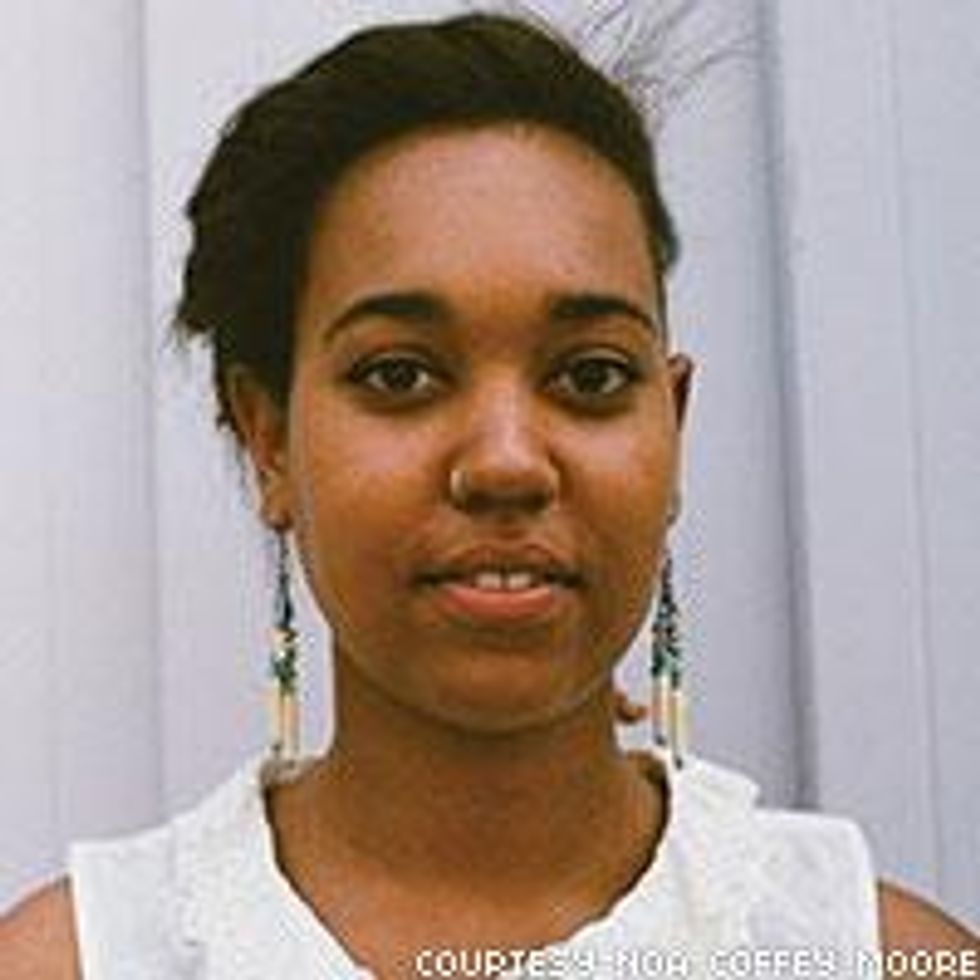 Noa Coffey-Moore (who identifies as queer and nonbinary) says they're "very excited" to be the new director of programs for Outright Vermont, an organization that's been building safe, healthy, and supportive environments for LGBTQ youth for nearly 30 years. The quirky and artistic Hampshire College graduate, who admits to once trading an iPhone for a guitar, is a budding expert on black feminist theory and social justice education.
Coffey-Moore authored Black Femme Survival Guide, which they describe as "a workbook" dedicated to developing a community of "black and brown femme care." The book is just one component of a larger effort launched by Coffey-Moore -- with the help of a grant from Hampshire College's Ethics and the Common Good Project -- to "support black and brown queer femmes in learning, healing, and thriving together." In their Black Femme Survival project statement, Coffey-Moore wrote they "hope this multi-media approach will increase access to crucial resources for young femmes of color, in need of supportive and resilient community."
Virginia
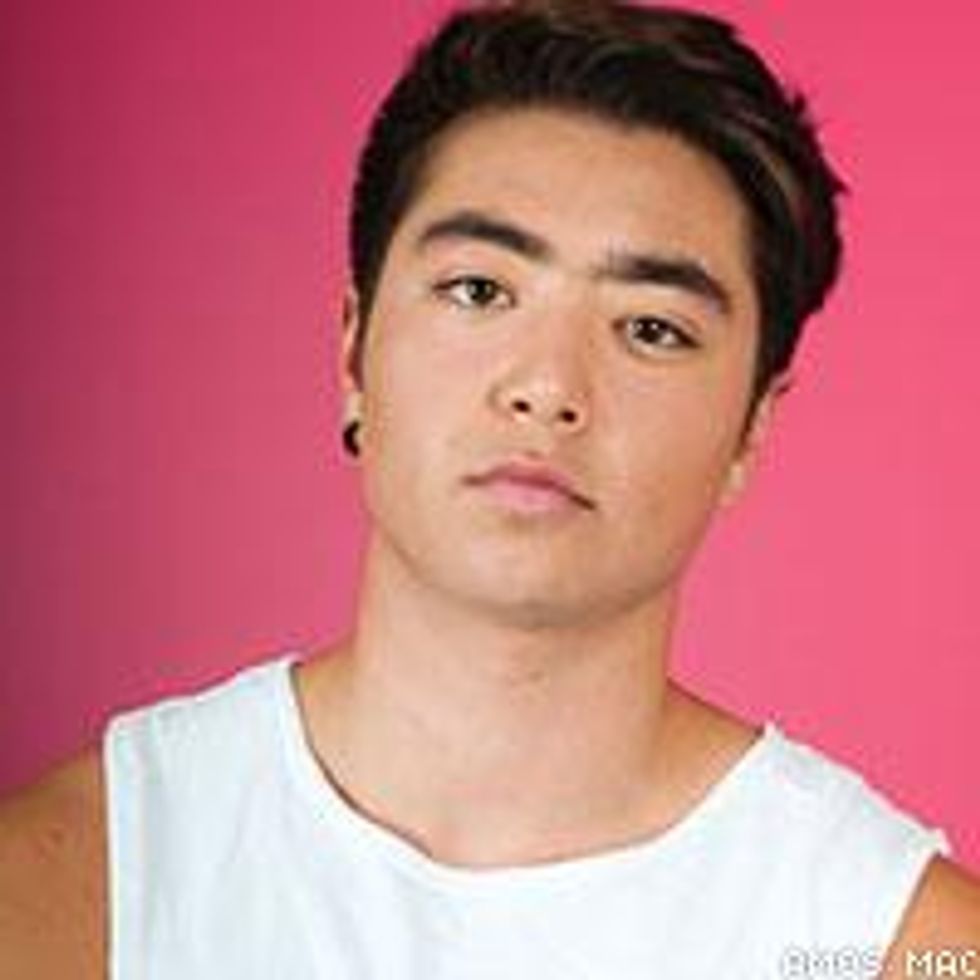 Harvard University swimmer Schuyler Bailar is smashing stigma and breaking barriers as the first out transgender athlete to compete on an NCAA Division I men's team. Bailar was a star competitor on his Virginia high school girls' swim team before breaking his back during a mountain biking trip. After the accident, he could no longer swim. "Breaking my back broke me," Bailar told NBC News's OutFront series that profiles LGBT people and allies. "Until then, swimming was my entire life." Without it -- during the dark, painful, bedridden months that followed -- Bailar fell into a deep depression. "I developed an eating disorder, and I developed a lot of self-harm issues."
After spending 131 days in treatment to deal with these issues, Bailar also came to terms with his gender identity. The problem was, Harvard had already recruited the high school junior to swim for the women's team. Although he'd recovered physically, Bailar was terrified coming out transgender would rescind the invitation. To his surprise, he was encouraged by both Harvard's men's and women's team coaches to compete on the men's team.
"I really just want to be visible so people know this is possible, that I exist," said Bailar, who made a guest appearance on The Ellen Show earlier this year. He clarified, "not 'I' as in Schuyler but 'I' as in a trans athlete. I mean, 'me' as a trans athlete, who's healthy, who's happy, who's out there, who's succeeding, who's doing what he loves, who gets to be who he is -- I want kids to see that."
Washington
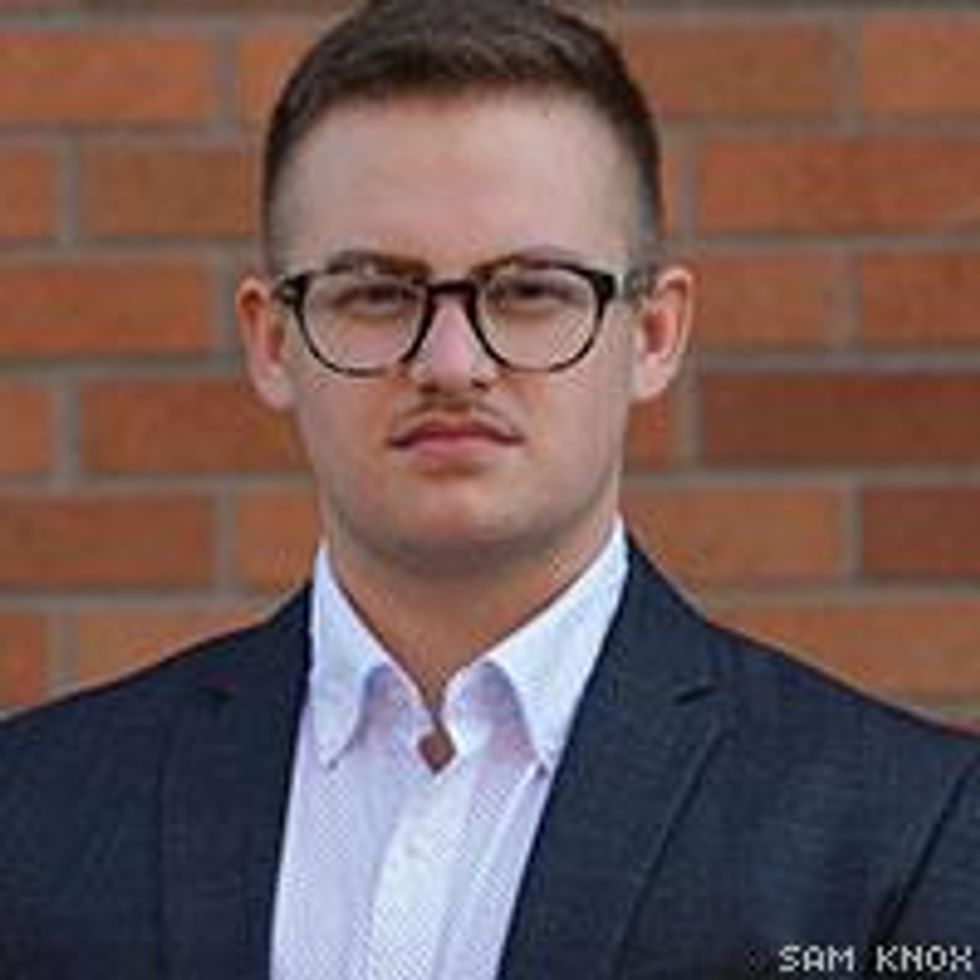 Ryan Karnoski is a social worker from Edmonds, Wash., who filed suit in federal court challenging President Trump's ban on transgender people serving in the military. While Karnoski v. Trump is still proceeding (along with other challenges to the ban), the suit was already successful in winning a preliminary injunction against the ban, pending the outcome of the case. Karnoski is a vocal advocate for a wide range of social justice and LGBT issues. Karnoski's activism started locally, when he led his high school's gay-straight alliance, and continued through his undergraduate and graduate education at the University of Washington, where he earned his Masters of Social Work in Children Youth and Family social work. He currently lives in Seattle, Washington with his two lovely cats and his wife, Ester.
West Virginia
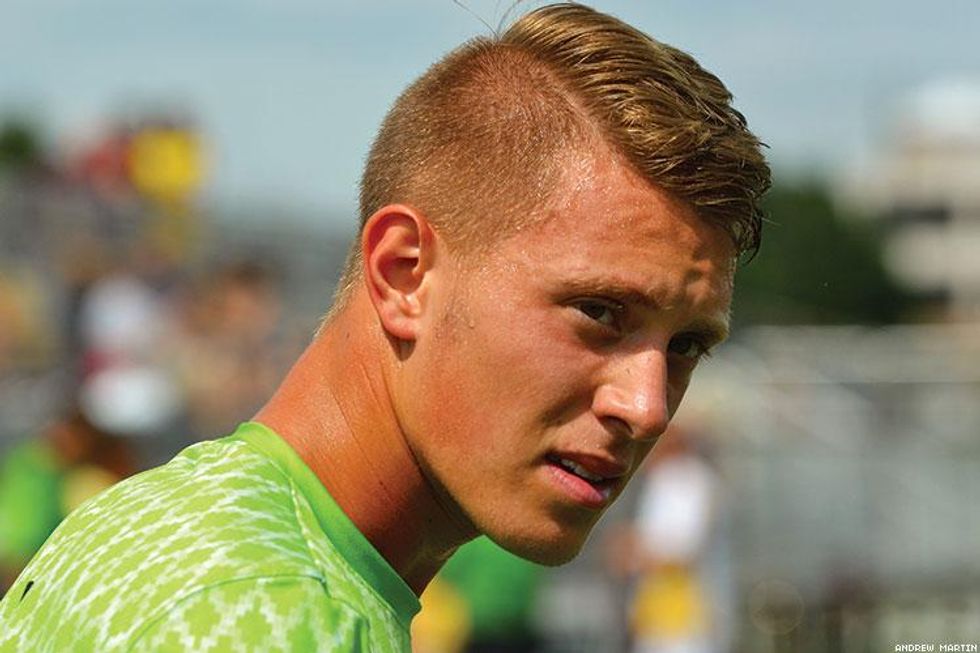 In 2014 Michael Martin was an 18-year-old senior at Musselman High School in the town of Inwood, W.Va., when he came out by dancing with the prom king and writing a column for Outsports. The talented all-state soccer goalie took a huge risk in a state that has been intolerant on issues of gender and sexuality. Martin was, however, welcomed with open arms by his classmates, his community, and his state -- garnering praise even from government officials and inspiring other LGBT student athletes.
Now a 21-year-old student at Wilson College in Chambersburg, Pa., Martin is making his mark on the school's soccer and volleyball teams. He's also continuing his activism -- which earned him the honor of being the school's first Newman Civic Fellow (the fellowship supports students who are "finding solutions for challenges facing communities throughout the country"). Martin also participates in Go! Athletes (a mentoring group for high school and collegiate LGBTQA athletes), is a member of Wilson College's student-athlete mentoring program, and represents the school at the APPLE Training Institute, an NCAA-funded student-athlete health and substance abuse prevention conference.
Wisconsin
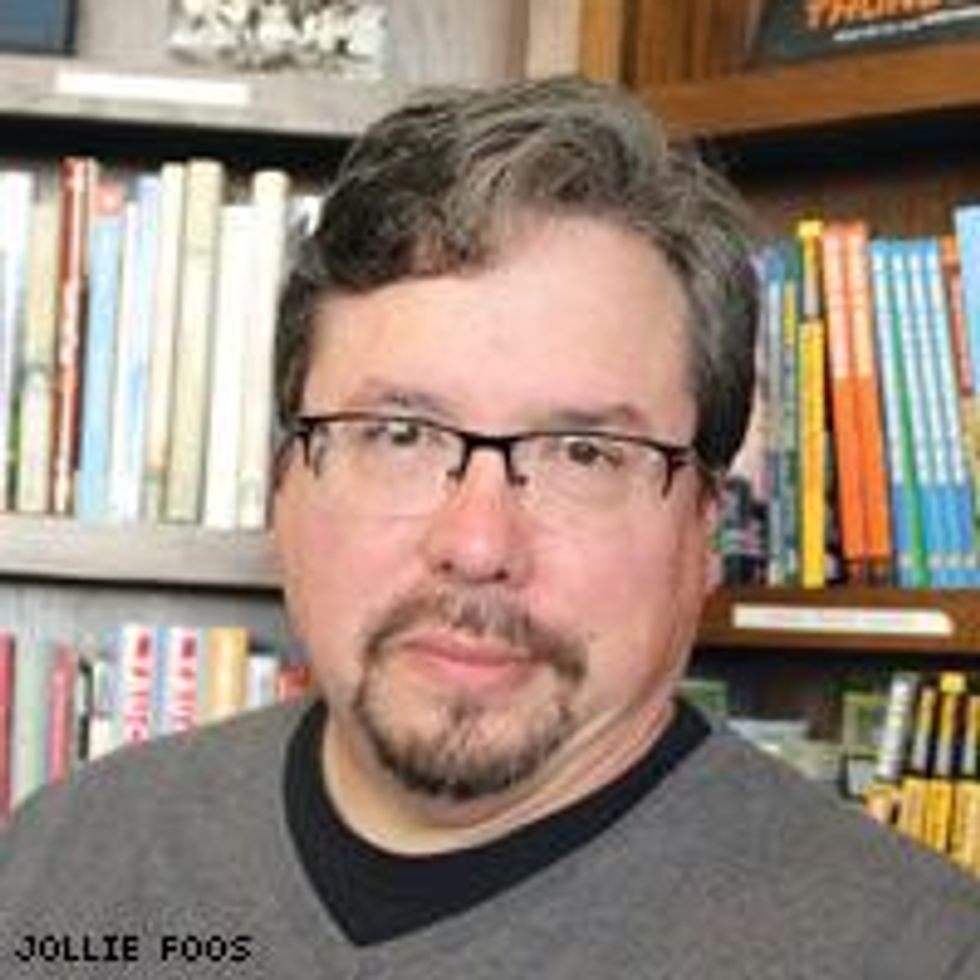 As a former board member of BiNet USA and founding committee member of the BECAUSE Bisexual Empowerment Conference, Victor J. Raymond has been fighting for bisexual visibility for over two decades. In 1993, he testified as an out bisexual mixed-race person (white-Native American) before lawmakers considering protections from discrimination on the basis of sexual orientation. The activist, who also identifies as Two Spirit, testified that his people, the Lakota Sioux, didn't have the same limited understanding of sexuality and gender as the white majority. Raymond says being an LGBT hero "means putting yourself on the line when your community matters, and doing necessary or needed work, even when it costs you, and especially when there is nobody else to do it. You don't do it for yourself, you do what's needed for others.
Wyoming
 Jordan Ostrum is a 22-year-old gay activist, and coordinator of Wyoming Equality's Gay-Straight Alliance Network, designed to empower LGBTQ and allied students to combat bullying in their schools. Originally from Yoder, Wyo., Ostrum has lived in various small towns throughout the area, cultivating his leadership skills along the way. At his high school in Newport, Ore., he really blossomed. He was president of the Gay-Straight Alliance and wrote "Queer Studies," a regular column in his school newspaper. President of the drama club, Ostrum wrote and directed a school play about transphobia. As class valedictorian, Ostrum used his speech to discuss the need for LGBT acceptance. His activism continued in college, where he helped create the Rainbow Resource Center and addressed the disproportionate rates of violence toward black trans women by developing ties between the LGBTQ and Black Student Unions.
Ostrum, who graduated with degrees in Spanish and gender studies, is now designing and implementing a Youth Leadership Council for Wyoming Equality, with the intent of providing queer and trans youth of color leadership skills. He foresees the project involving fun group activities such as wilderness camping and a "traveling theater troupe of drag monarchs and drama geeks, performing queer-centered plays at rural high schools."