'%3E%3Cpath d='M16.3574 35.6519H12.9537L15.0491 18.8873L16.3574 35.6519ZM30.4229 54.0093L22.309 0.994385H7.91795L0 54.0093H10.6634L11.5802 46.3855H17.4014L17.9914 54.0093H30.4229Z' fill='%23971B20'/%3E%3Cpath d='M48.2073 41.8813C48.2073 43.4049 47.4892 44.0011 46.1144 44.0011H43.7595V11.0687H46.1144C47.4892 11.0687 48.2073 11.6636 48.2073 13.1885V41.8813ZM59.5273 43.6695V11.3326C59.5273 3.71323 53.5729 0.994385 47.8157 0.994385H31.7213V54.0093H47.8157C53.5729 54.0093 59.5273 51.29 59.5273 43.6695Z' fill='%23971B20'/%3E%3Cpath d='M90.183 0.994385H78.6039L75.0711 30.6157L71.9955 0.994385H59.4346L69.2474 54.0093H80.373L90.183 0.994385Z' fill='%23971B20'/%3E%3Cpath d='M107.063 42.3448C107.063 43.7359 105.951 44.5974 104.643 44.5974C103.269 44.5974 102.157 43.7359 102.157 42.3448V12.658C102.157 11.2676 103.269 10.4058 104.643 10.4058C105.951 10.4058 107.063 11.2676 107.063 12.658V42.3448ZM119.233 43.2723V11.7312C119.233 6.36384 112.952 -3.8147e-06 104.643 -3.8147e-06C96.2667 -3.8147e-06 89.9867 6.36384 89.9867 11.7312V43.2723C89.9867 48.6393 96.2667 55 104.643 55C112.952 55 119.233 48.6393 119.233 43.2723Z' fill='%23971B20'/%3E%3Cpath d='M150.976 43.9349V33.7309H139.069V42.3448C139.069 43.7359 137.957 44.5974 136.582 44.5974C135.076 44.5974 133.964 43.7359 133.964 42.3448V12.658C133.964 11.2676 135.076 10.4058 136.582 10.4058C137.957 10.4058 139.069 11.2676 139.069 12.658V21.2723H150.976V11.0687C150.976 5.70107 145.283 -3.8147e-06 136.582 -3.8147e-06C127.75 -3.8147e-06 121.796 5.70107 121.796 11.0687V43.9349C121.796 49.3022 127.75 55 136.582 55C145.283 55 150.976 49.3022 150.976 43.9349Z' fill='%23971B20'/%3E%3Cpath d='M167.478 35.6519H164.076L166.17 18.8873L167.478 35.6519ZM181.544 54.0093L173.432 0.994385H159.037L151.123 54.0093H161.785L162.704 46.3855H168.523L169.114 54.0093H181.544Z' fill='%23971B20'/%3E%3Cpath d='M205.412 10.4058V0.994385H177.081V10.4058H185.392V54.0093H197.428V10.4058H205.412Z' fill='%23971B20'/%3E%3Cpath d='M230.002 54.0093V43.9349H218.914V31.8746H226.635V21.8028H218.914V10.4058H230.002V0.994385H206.875V54.0093H230.002Z' fill='%23971B20'/%3E%3C/g%3E%3Cdefs%3E%3CclipPath id='clip0_260_7080'%3E%3Crect width='230' height='55' fill='white'/%3E%3C/clipPath%3E%3C/defs%3E%3C/svg%3E)
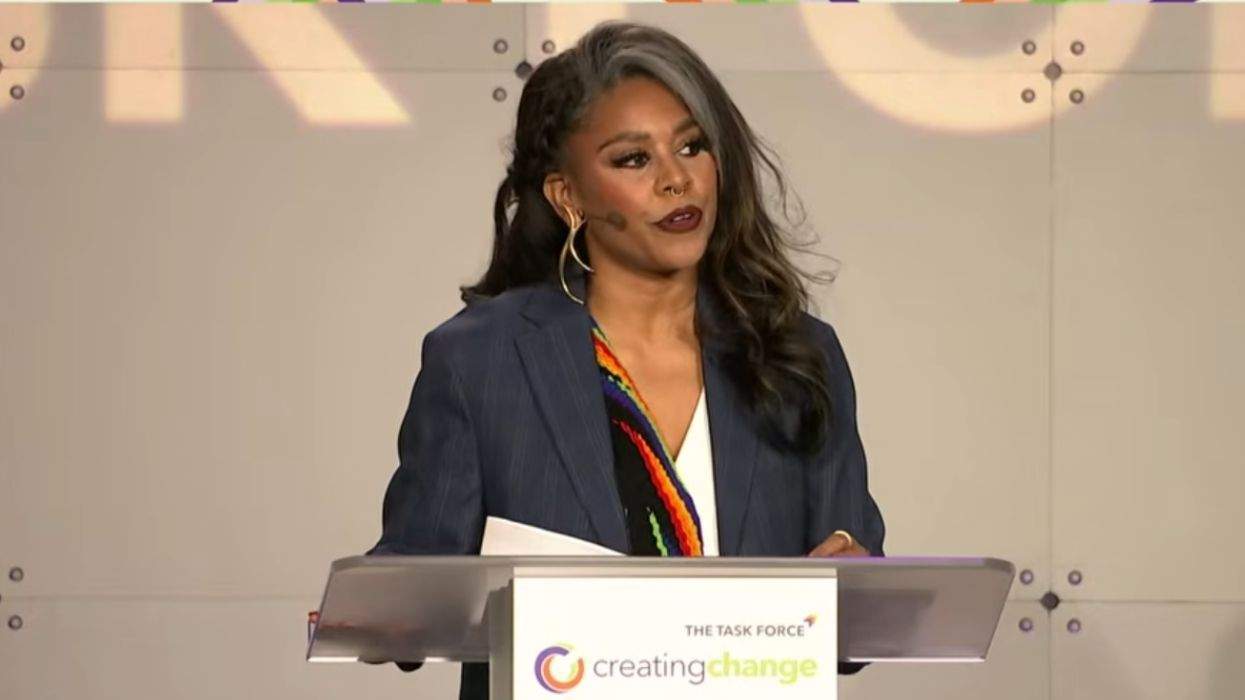
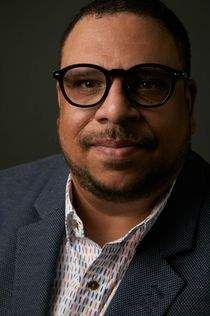
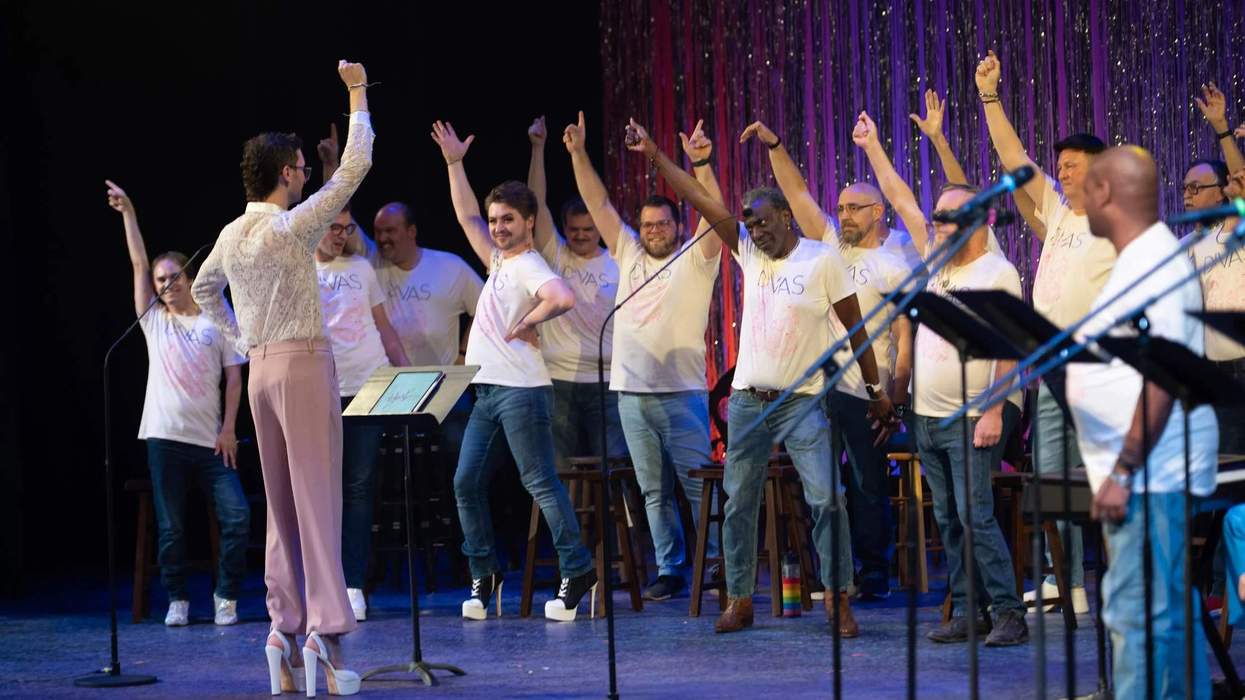
About 2,000 activists, organizers, and supporters of LGBTQ+ rights from across the country gathered in Washington, D.C., last week for Creating Change 2026, the National LGBTQ Task Force’s flagship annual conference.
Keep up with the latest in LGBTQ+ news and politics. Sign up for The Advocate's email newsletter.
Held Wednesday through Sunday at the Washington Hilton, the iconic property where President Ronald Reagan was shot in 1981 and which hosts the annual White House Correspondents’ Dinner and other marquee Washington events, the gathering unfolded amid intensifying political repression, disinformation, and fear, and around a refrain that echoed across plenaries, workshops, and hallway conversations alike: “We keep us safe.”
Related: Creating Change Returns to Washington D.C. for 38th Convening for LGBTQ Advocacy
Related: Creating Change Conference 2025: A look back at a movement in motion
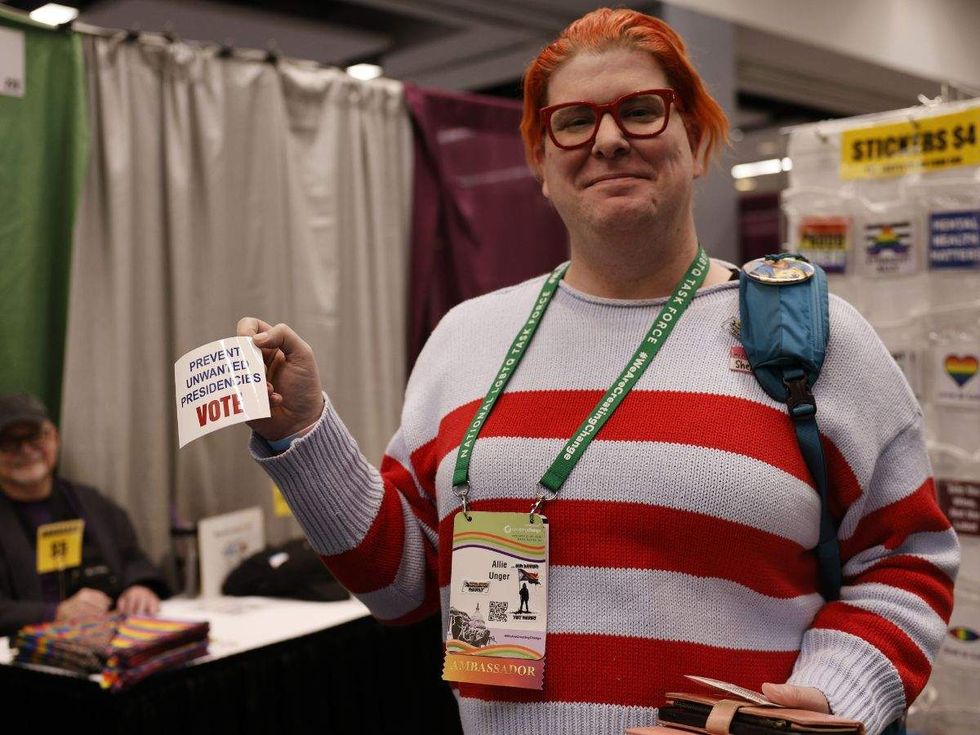
The message was not offered as comfort, but as a mandate. That tone was set during the opening plenary, State of the Movement, when Task Force senior strategist and Creating Change director Fernando Z. López addressed the moment.
 Courtesty National LGBTQ Task Force
“Shit’s fucked up,” López told the crowd. “But we’re still here.” López described the conference as part of a longer continuum of survival and resistance, emphasizing that movements do not improvise their way through crisis. The ability to respond, they said, is built through relationships, infrastructure, and shared accountability long before emergencies arrive.
Washington’s role as host city carried added resonance following WorldPride 2025, which took place May 23 through June 8 and made the District only the second U.S. city to host the global event. The celebration drew participants from around the world, including more than 300 parade contingents and roughly 35,000 marchers, and coincided with the 50th anniversary of Pride celebrations in the nation’s capital.
Former Minneapolis City Council President Andrea Jenkins issued a warning rooted in her city’s experience. Masked federal agents shooting and killing innocent residents, militarized deployments, and pervasive fear, she said, have transformed daily life, and Minneapolis should not be viewed as an outlier.
Related: D.C. bar owners say Trump’s federal law enforcement crackdown is killing their business
“This is not just a Minneapolis problem,” Jenkins, the first Black out transgender woman elected to public office in the U.S., told attendees. “It’s a United States problem. Fascism is running rampant all over the world, and it’s up to us to fight it.” Since President Donald Trump took office again in January 2024, his administration has rolled back protections for transgender people nationwide, going so far as to erase their identities from federal agencies.
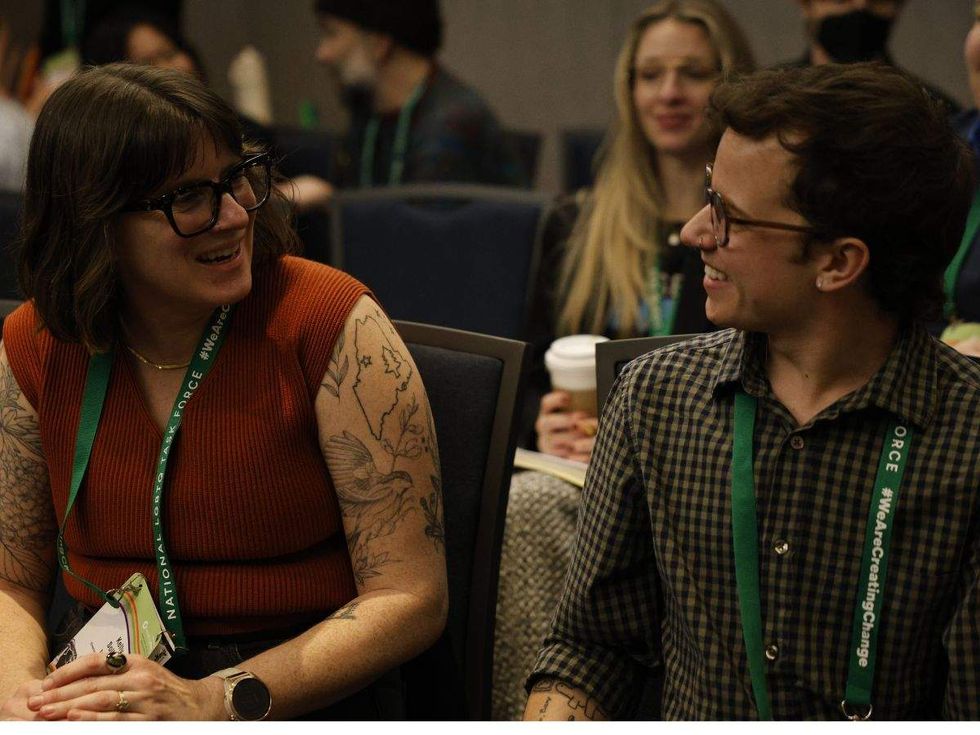 Courtesty National LGBTQ Task Force
Task Force Executive Director Kierra Johnson closed the plenary by reframing the backlash itself. LGBTQ+ communities, she argued, are not facing repression because they failed, but because they succeeded. “Winning invigorates the opposition,” Johnson said, warning that proximity to power can breed complacency if it is not matched by deep organizing. “If you don’t have the people, you don’t have power.”
That emphasis on community as a strategy carried over into Friday’s plenary, “Leaving Extremism,” moderated by journalist Laura Flanders. “We have bombings and kidnappings, ICE killings. We have militarization and occupation,” Flanders said, describing a moment in which impunity increasingly defines governance.
Nadine Smith, formerly of Equality Florida and now with Color of Change, described extremism as a deliberate effort to keep people in a constant state of fear and disequilibrium. Drawing on Florida’s experience, Smith warned that conditions are likely to worsen, particularly as artificial intelligence accelerates disinformation campaigns. “The goal is to create terror and to disempower us,” Smith said, adding that resistance depends on sustained community building before a crisis hits. She pointed to Minneapolis as evidence that rapid mobilization is only possible when relationships already exist.
After the police murder of George Floyd in 2020, the community formed support networks that have been expanded since masked ICE agents began roaming the streets and grabbing people they deem to be in the country illegally. Citizens have adopted whistles to warn of operations in their communities and developed food pantries and delivery services for their neighbors who are too afraid to leave their homes.
Related: Gay business owners brace for Donald Trump’s return to Washington, D.C.
Related: WorldPride 2025 expects huge ‘visibility’ march & rally in D.C. amid Trump’s anti-LGBTQ+ agenda
Smith argued that solidarity must extend beyond rhetoric to material support, where mutual aid meets people’s basic needs, and to creating a “road back” for those emerging from extremist movements rather than writing them off entirely.
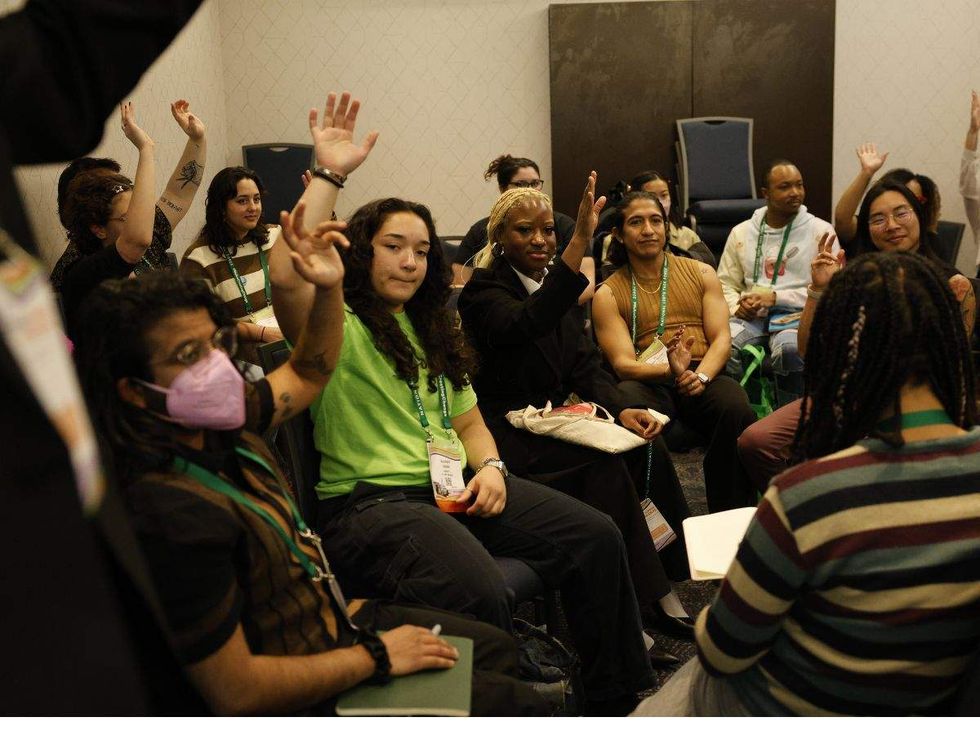 Courtesty National LGBTQ Task Force
Kris Hayashi, director of transgender justice national campaigns with the American Civil Liberties Union LGBT & HIV Project, grounded the conversation in the lived reality of transgender and nonbinary communities. Violence and discrimination, Hayashi said, are not new — but the scale and coordination of attacks are. “In the last decade, we’ve seen hundreds and hundreds of bills,” Hayashi said, citing losses in access to health care, education, and legal recognition alongside escalating threats to immigrant communities. Those attacks, Hayashi emphasized, are interconnected and strategic, not coincidental.
Hayashi also pointed to public polling showing that more people support transgender rights than oppose them, arguing that the challenge lies in translating that support into durable power while centering joy and community as tools of survival.
The conference unfolded as Winter Storm Fern loomed over the East Coast. By Saturday evening, flight and Amtrak cancellations forced some attendees to leave early, while others remained stranded in Washington as the storm ushered in some of the coldest weather the region had seen in years. The Washington Hilton offered extended discounted room rates to participants who were unable to depart as scheduled.
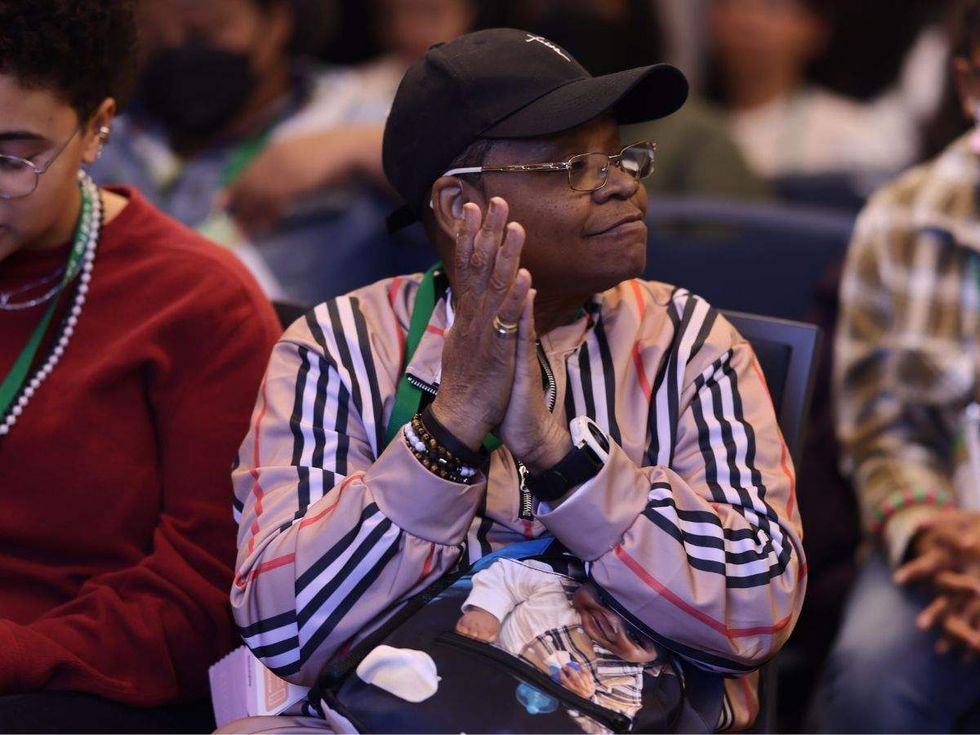 Courtesty National LGBTQ Task Force
During the conference, The Advocate, whose parent company, equalpride, was a conference media sponsor, received complimentary accommodations across the street from the Hilton at the Generator, a former Marriott property now operating as a boutique hostel. Despite its hostel designation, the modern room was spacious and comfortable, comparable to those at the Hilton, and offered a sweeping view down Connecticut Avenue, with the Washington Monument visible in the distance. An unfortunate mechanical failure during the stay left guests without hot water, complicating basic comfort amid the cold snap, but staff at the Generator were upfront and apologetic.
Outside formal programming, attendees immersed themselves in Washington’s LGBTQ+ community. The District has the highest percentage of LGBTQ+ representation in the United States. An estimated 14.3 percent of adults in D.C. identify as LGBTQ, according to a recent analysis by the Williams Institute at UCLA’s Law School, and the nation’s capital is the headquarters to 36 national and international LGBTQ+ organizations, according to Destination DC.
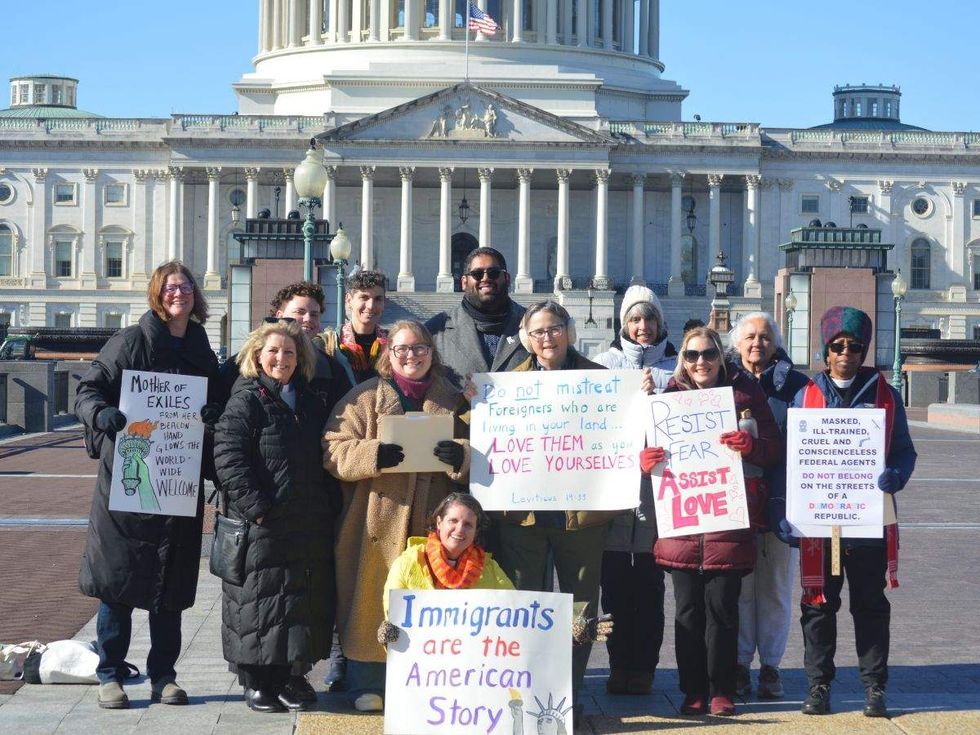 Courtesty National LGBTQ Task Force
The District is also home to dozens of LGBTQ+-owned bars, restaurants, bookstores, fitness spaces, cultural institutions, and other small businesses, many clustered around Dupont Circle, Logan Circle, Shaw, and U Street. Conference-goers filled those spaces throughout the week, reinforcing a recurring theme of the gathering: that joy, connection, and physical presence are not distractions from resistance, but part of it.
As participants returned home, some later than planned, organizers urged them to follow up with new connections, share lessons learned, and practice care and rest as political necessities.
Creating Change will convene next in Louisville, Kentucky, from January 27 to 31, 2027.