'%3E%3Cpath d='M16.3574 35.6519H12.9537L15.0491 18.8873L16.3574 35.6519ZM30.4229 54.0093L22.309 0.994385H7.91795L0 54.0093H10.6634L11.5802 46.3855H17.4014L17.9914 54.0093H30.4229Z' fill='%23971B20'/%3E%3Cpath d='M48.2073 41.8813C48.2073 43.4049 47.4892 44.0011 46.1144 44.0011H43.7595V11.0687H46.1144C47.4892 11.0687 48.2073 11.6636 48.2073 13.1885V41.8813ZM59.5273 43.6695V11.3326C59.5273 3.71323 53.5729 0.994385 47.8157 0.994385H31.7213V54.0093H47.8157C53.5729 54.0093 59.5273 51.29 59.5273 43.6695Z' fill='%23971B20'/%3E%3Cpath d='M90.183 0.994385H78.6039L75.0711 30.6157L71.9955 0.994385H59.4346L69.2474 54.0093H80.373L90.183 0.994385Z' fill='%23971B20'/%3E%3Cpath d='M107.063 42.3448C107.063 43.7359 105.951 44.5974 104.643 44.5974C103.269 44.5974 102.157 43.7359 102.157 42.3448V12.658C102.157 11.2676 103.269 10.4058 104.643 10.4058C105.951 10.4058 107.063 11.2676 107.063 12.658V42.3448ZM119.233 43.2723V11.7312C119.233 6.36384 112.952 -3.8147e-06 104.643 -3.8147e-06C96.2667 -3.8147e-06 89.9867 6.36384 89.9867 11.7312V43.2723C89.9867 48.6393 96.2667 55 104.643 55C112.952 55 119.233 48.6393 119.233 43.2723Z' fill='%23971B20'/%3E%3Cpath d='M150.976 43.9349V33.7309H139.069V42.3448C139.069 43.7359 137.957 44.5974 136.582 44.5974C135.076 44.5974 133.964 43.7359 133.964 42.3448V12.658C133.964 11.2676 135.076 10.4058 136.582 10.4058C137.957 10.4058 139.069 11.2676 139.069 12.658V21.2723H150.976V11.0687C150.976 5.70107 145.283 -3.8147e-06 136.582 -3.8147e-06C127.75 -3.8147e-06 121.796 5.70107 121.796 11.0687V43.9349C121.796 49.3022 127.75 55 136.582 55C145.283 55 150.976 49.3022 150.976 43.9349Z' fill='%23971B20'/%3E%3Cpath d='M167.478 35.6519H164.076L166.17 18.8873L167.478 35.6519ZM181.544 54.0093L173.432 0.994385H159.037L151.123 54.0093H161.785L162.704 46.3855H168.523L169.114 54.0093H181.544Z' fill='%23971B20'/%3E%3Cpath d='M205.412 10.4058V0.994385H177.081V10.4058H185.392V54.0093H197.428V10.4058H205.412Z' fill='%23971B20'/%3E%3Cpath d='M230.002 54.0093V43.9349H218.914V31.8746H226.635V21.8028H218.914V10.4058H230.002V0.994385H206.875V54.0093H230.002Z' fill='%23971B20'/%3E%3C/g%3E%3Cdefs%3E%3CclipPath id='clip0_260_7080'%3E%3Crect width='230' height='55' fill='white'/%3E%3C/clipPath%3E%3C/defs%3E%3C/svg%3E)


A doctor from California is the first to be sued under a Texas law that allows private citizens to go after healthcare practitioners who provide abortion medication.
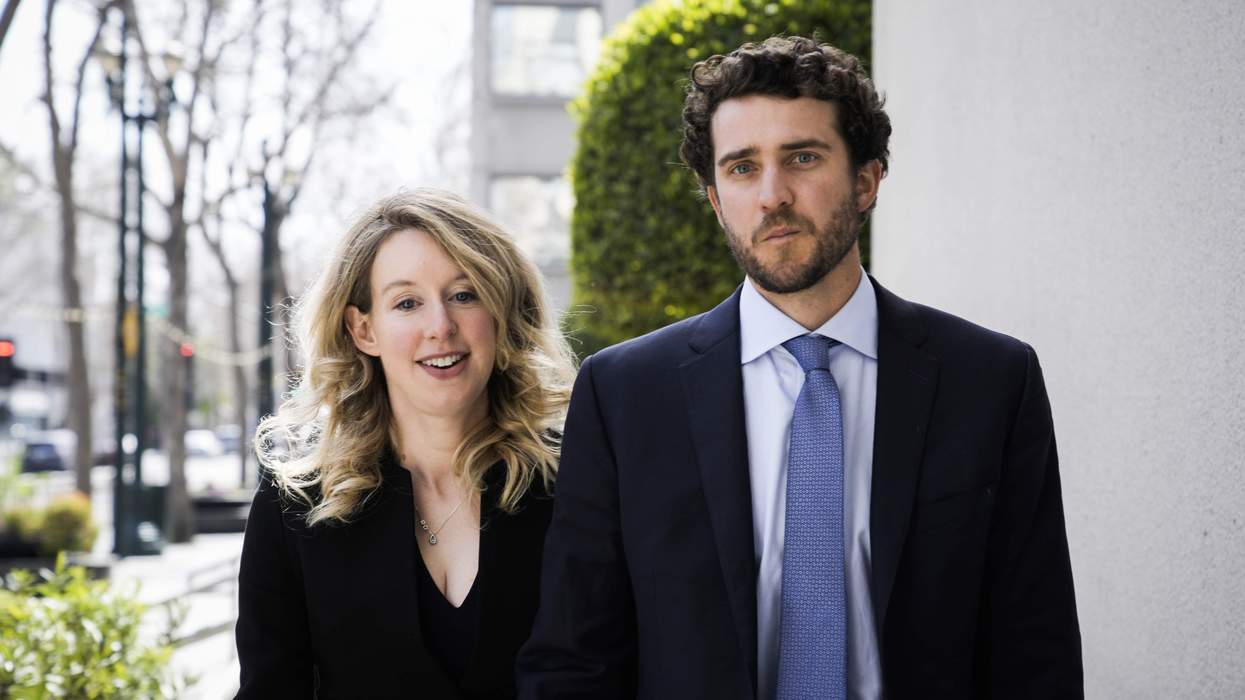
Jerry Rodriguez, a Texas resident, filed a lawsuit Sunday against Remy Coeytaux, a family practice physician from California, accusing him of allegedly prescribing abortion pills to his supposed sexual partner. He seeks to prevent the doctor from distributing the medication, and intends to sue for financial damages if he uncovers evidence that Coeytaux violated the law.
Related: Texas passes bill banning abortion pills from being mailed to the state
"This law goes against everything Texans value. It’s anti-freedom, anti-privacy, and anti-family,” Marc Hearron, Associate Litigation Director at the Center for Reproductive Rights, which is representing Coeytaux, said in a statement. “But these lawmakers are relentless in their attempts to scare doctors and patients from prescribing and accessing abortion pills – exactly because they are so safe, effective, and widely used across the United States.”
Texas passed House Bill 7 in September, which allows privates citizens to sue anyone who "manufactures, distributes, mails, transports, delivers, prescribes, or provides" abortion medication for at least $100,000 in damages. Such laws are colloquially known as "bounty hunter" bills, as they encourage civilians to engage in vigilantism across state lines.
Not only is abortion legal in California, but the state has a shield law prohibiting states that have banned the care from punishing California providers and their patients. Signed into law by Democratic Gov. Gavin Newsom in 2022, the law prevents the release of information or the arrest and extradition of someone based on another state's court orders, and prevents law enforcement from aiding other jurisdictions in their attempts to prosecute Californians.
Texas and Florida filed a joint lawsuit against the Food and Drug Administration in December over its approval of mifepristone, joining two other lawsuits filed by Missouri and Louisiana in 2025. The suits challenge not only the FDA's approval of the abortion medication but also its policies allowing the pill to be delivered via mail.
Related: Florida and Texas launch 'legal attack' in push to restrict abortion medication nationally
Mifepristone is used in two-thirds (63 percent) of U.S. abortions, according to a 2024 study from the Guttmacher Institute. A separate report from the Society of Family Planning found that as of June 2025, more than one-fourth (27 percent) of abortions in the U.S. were provided through telemedicine using mifepristone.
“Texas officials have already been going after doctors outside their borders, and now they’ve incentivized private citizens to do their bidding,” said Nancy Northup, President and CEO of the Center for Reproductive Rights. “This law is one of many meant to cut off access to abortion pills, which are a lifeline for women in post-Roe America. Abortion opponents have launched a full-scale attack on abortion pills—in the courts, in legislatures, and inside the FDA. People need to wake up to the fact that the anti-abortion movement is trying everything possible to have mifepristone taken off the market nationwide or become much harder to get.”