'%3E%3Cpath d='M16.3574 35.6519H12.9537L15.0491 18.8873L16.3574 35.6519ZM30.4229 54.0093L22.309 0.994385H7.91795L0 54.0093H10.6634L11.5802 46.3855H17.4014L17.9914 54.0093H30.4229Z' fill='%23971B20'/%3E%3Cpath d='M48.2073 41.8813C48.2073 43.4049 47.4892 44.0011 46.1144 44.0011H43.7595V11.0687H46.1144C47.4892 11.0687 48.2073 11.6636 48.2073 13.1885V41.8813ZM59.5273 43.6695V11.3326C59.5273 3.71323 53.5729 0.994385 47.8157 0.994385H31.7213V54.0093H47.8157C53.5729 54.0093 59.5273 51.29 59.5273 43.6695Z' fill='%23971B20'/%3E%3Cpath d='M90.183 0.994385H78.6039L75.0711 30.6157L71.9955 0.994385H59.4346L69.2474 54.0093H80.373L90.183 0.994385Z' fill='%23971B20'/%3E%3Cpath d='M107.063 42.3448C107.063 43.7359 105.951 44.5974 104.643 44.5974C103.269 44.5974 102.157 43.7359 102.157 42.3448V12.658C102.157 11.2676 103.269 10.4058 104.643 10.4058C105.951 10.4058 107.063 11.2676 107.063 12.658V42.3448ZM119.233 43.2723V11.7312C119.233 6.36384 112.952 -3.8147e-06 104.643 -3.8147e-06C96.2667 -3.8147e-06 89.9867 6.36384 89.9867 11.7312V43.2723C89.9867 48.6393 96.2667 55 104.643 55C112.952 55 119.233 48.6393 119.233 43.2723Z' fill='%23971B20'/%3E%3Cpath d='M150.976 43.9349V33.7309H139.069V42.3448C139.069 43.7359 137.957 44.5974 136.582 44.5974C135.076 44.5974 133.964 43.7359 133.964 42.3448V12.658C133.964 11.2676 135.076 10.4058 136.582 10.4058C137.957 10.4058 139.069 11.2676 139.069 12.658V21.2723H150.976V11.0687C150.976 5.70107 145.283 -3.8147e-06 136.582 -3.8147e-06C127.75 -3.8147e-06 121.796 5.70107 121.796 11.0687V43.9349C121.796 49.3022 127.75 55 136.582 55C145.283 55 150.976 49.3022 150.976 43.9349Z' fill='%23971B20'/%3E%3Cpath d='M167.478 35.6519H164.076L166.17 18.8873L167.478 35.6519ZM181.544 54.0093L173.432 0.994385H159.037L151.123 54.0093H161.785L162.704 46.3855H168.523L169.114 54.0093H181.544Z' fill='%23971B20'/%3E%3Cpath d='M205.412 10.4058V0.994385H177.081V10.4058H185.392V54.0093H197.428V10.4058H205.412Z' fill='%23971B20'/%3E%3Cpath d='M230.002 54.0093V43.9349H218.914V31.8746H226.635V21.8028H218.914V10.4058H230.002V0.994385H206.875V54.0093H230.002Z' fill='%23971B20'/%3E%3C/g%3E%3Cdefs%3E%3CclipPath id='clip0_260_7080'%3E%3Crect width='230' height='55' fill='white'/%3E%3C/clipPath%3E%3C/defs%3E%3C/svg%3E)

This story was originally reported by Kate Sosin of The 19th. Meet Kate and read more of their reporting on gender, politics and policy.
It was likely one of the last pieces of city policy passed that winter, just before the New Year, a parting gift from a progressive city council.
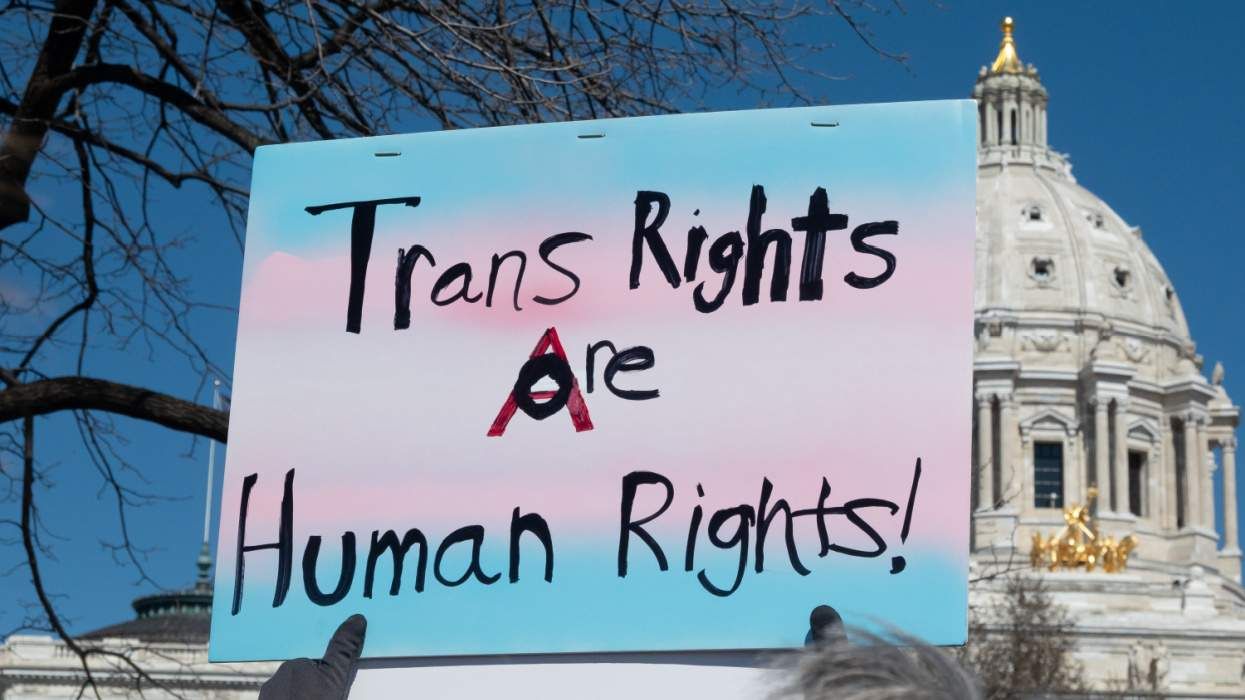
On December 30, 1975, Minneapolis became the first city to adopt a trans-inclusive LGBTQ+ non-discrimination ordinance. Fifty years later, the United States still lacks similar protections on a federal level.
Minneapolis was special in that the right people were there at the right time, said Seth Goodspeed, director of development and communications at OutFront Minnesota, the state’s largest LGBTQ+ rights organization.
“Minneapolis, since the early ’70s, has really been a leader in the gay rights movement,” he said. “That comes out of a lot of the student organizing at the University of Minnesota in the late 60s.”
It was home to Jack Baker and Michael McConnell, two men who, in 1971, figured out how to legally marry, the first recorded same-sex marriage in history. It was also the stomping ground of Steve Endean, who founded the nation’s largest LGBTQ+ rights organization, the Human Rights Campaign.
Endean started lobbying a city alderman, Earl Netwal, in 1973 to pass a gay rights ordinance. His timing was just right. In 1974 progressives won the mayoral race and the city council. That year they voted 10-0 to ban discrimination on the basis of “sexual preference.”
The next year, Tim Campbell, a local activist and publisher of the GLC Voice in Minneapolis, penned a trans-inclusive policy.
The council passed the ordinance on December 30, right before their term ended and a more conservative council was sworn in — one that would unsuccessfully threaten the ordinance later.
“I think it was a pendulum,” Goodspeed said. “The pendulum was sort of swinging back toward a more conservative mayor and a conservative city council.”
But despite that pendulum, Minneapolis changed minds, Goodspeed said, if only because it showed that non-discrimination protections actually didn’t change much for straight or cisgender people.
“You're able to say, ‘We passed this two years ago, last year, in the past five years, and nothing's really changed, there is no boogeyman under the bed,’” he said. “We've had these protections since the 1970s and all these fears that they might have … just never came to fruition.”