'%3E%3Cpath d='M16.3574 35.6519H12.9537L15.0491 18.8873L16.3574 35.6519ZM30.4229 54.0093L22.309 0.994385H7.91795L0 54.0093H10.6634L11.5802 46.3855H17.4014L17.9914 54.0093H30.4229Z' fill='%23971B20'/%3E%3Cpath d='M48.2073 41.8813C48.2073 43.4049 47.4892 44.0011 46.1144 44.0011H43.7595V11.0687H46.1144C47.4892 11.0687 48.2073 11.6636 48.2073 13.1885V41.8813ZM59.5273 43.6695V11.3326C59.5273 3.71323 53.5729 0.994385 47.8157 0.994385H31.7213V54.0093H47.8157C53.5729 54.0093 59.5273 51.29 59.5273 43.6695Z' fill='%23971B20'/%3E%3Cpath d='M90.183 0.994385H78.6039L75.0711 30.6157L71.9955 0.994385H59.4346L69.2474 54.0093H80.373L90.183 0.994385Z' fill='%23971B20'/%3E%3Cpath d='M107.063 42.3448C107.063 43.7359 105.951 44.5974 104.643 44.5974C103.269 44.5974 102.157 43.7359 102.157 42.3448V12.658C102.157 11.2676 103.269 10.4058 104.643 10.4058C105.951 10.4058 107.063 11.2676 107.063 12.658V42.3448ZM119.233 43.2723V11.7312C119.233 6.36384 112.952 -3.8147e-06 104.643 -3.8147e-06C96.2667 -3.8147e-06 89.9867 6.36384 89.9867 11.7312V43.2723C89.9867 48.6393 96.2667 55 104.643 55C112.952 55 119.233 48.6393 119.233 43.2723Z' fill='%23971B20'/%3E%3Cpath d='M150.976 43.9349V33.7309H139.069V42.3448C139.069 43.7359 137.957 44.5974 136.582 44.5974C135.076 44.5974 133.964 43.7359 133.964 42.3448V12.658C133.964 11.2676 135.076 10.4058 136.582 10.4058C137.957 10.4058 139.069 11.2676 139.069 12.658V21.2723H150.976V11.0687C150.976 5.70107 145.283 -3.8147e-06 136.582 -3.8147e-06C127.75 -3.8147e-06 121.796 5.70107 121.796 11.0687V43.9349C121.796 49.3022 127.75 55 136.582 55C145.283 55 150.976 49.3022 150.976 43.9349Z' fill='%23971B20'/%3E%3Cpath d='M167.478 35.6519H164.076L166.17 18.8873L167.478 35.6519ZM181.544 54.0093L173.432 0.994385H159.037L151.123 54.0093H161.785L162.704 46.3855H168.523L169.114 54.0093H181.544Z' fill='%23971B20'/%3E%3Cpath d='M205.412 10.4058V0.994385H177.081V10.4058H185.392V54.0093H197.428V10.4058H205.412Z' fill='%23971B20'/%3E%3Cpath d='M230.002 54.0093V43.9349H218.914V31.8746H226.635V21.8028H218.914V10.4058H230.002V0.994385H206.875V54.0093H230.002Z' fill='%23971B20'/%3E%3C/g%3E%3Cdefs%3E%3CclipPath id='clip0_260_7080'%3E%3Crect width='230' height='55' fill='white'/%3E%3C/clipPath%3E%3C/defs%3E%3C/svg%3E)
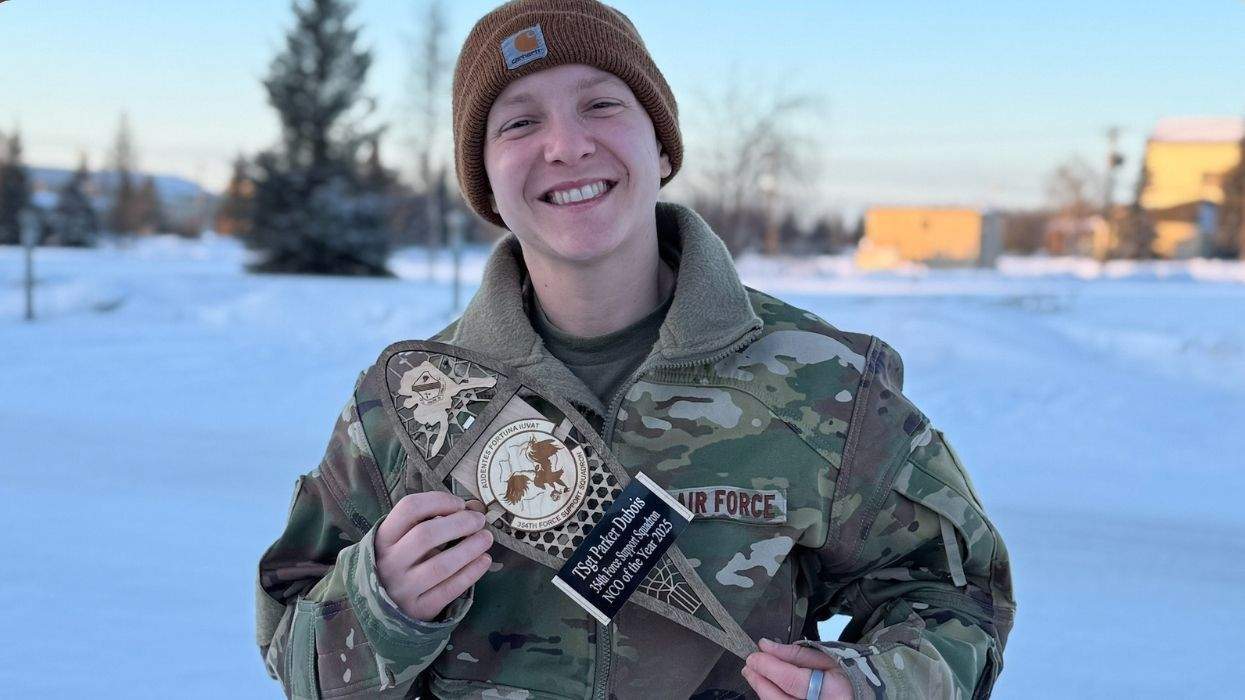
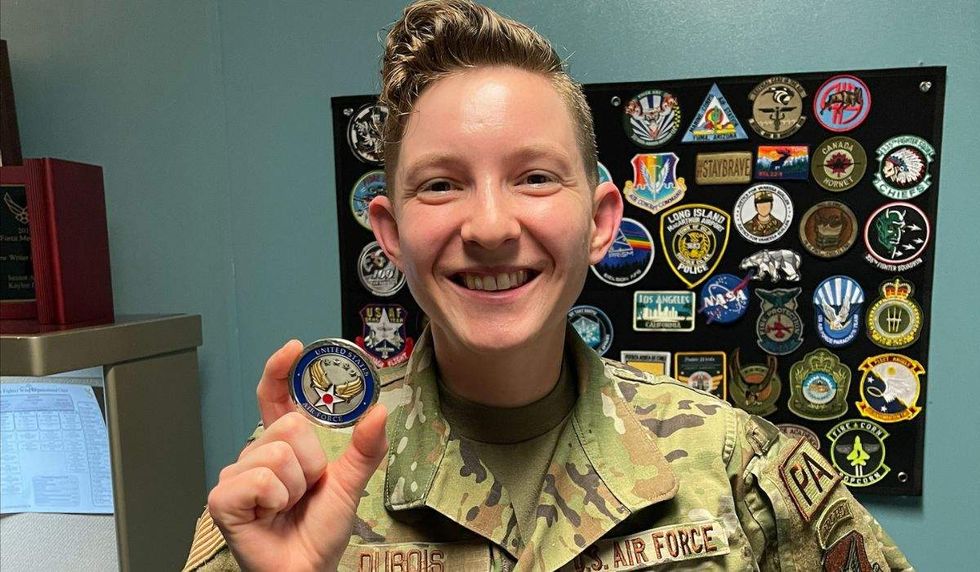
Retired U.S. Air Force Tech. Sgt. Parker Dubois used to have a ready answer when someone thanked them for their military service: “Thank you for your taxes.”
The nonbinary veteran spent 11 years in the Air Force and taught the next generation of airmen how to lead. They canceled their wedding to deploy to Afghanistan.
This Veterans Day, the familiar exchange carries a harder question. Dubois served a country whose president has declared transgender people incompatible with military service. They spent 2025 preparing others for military careers while confronting the end of their own.
Now 34 and attending Harvard Kennedy School, Dubois is learning to imagine another future. But in a November 9 interview with The Advocate, they described a loss that admission to an elite university cannot simply erase: their community, their anticipated career, and their confidence that doing the job well would be enough.
Related: Air Force veteran stripped of retirement under Trump's transgender purge
“Every day is a little bit of a challenge waking up and not immediately putting on a uniform,” they said.
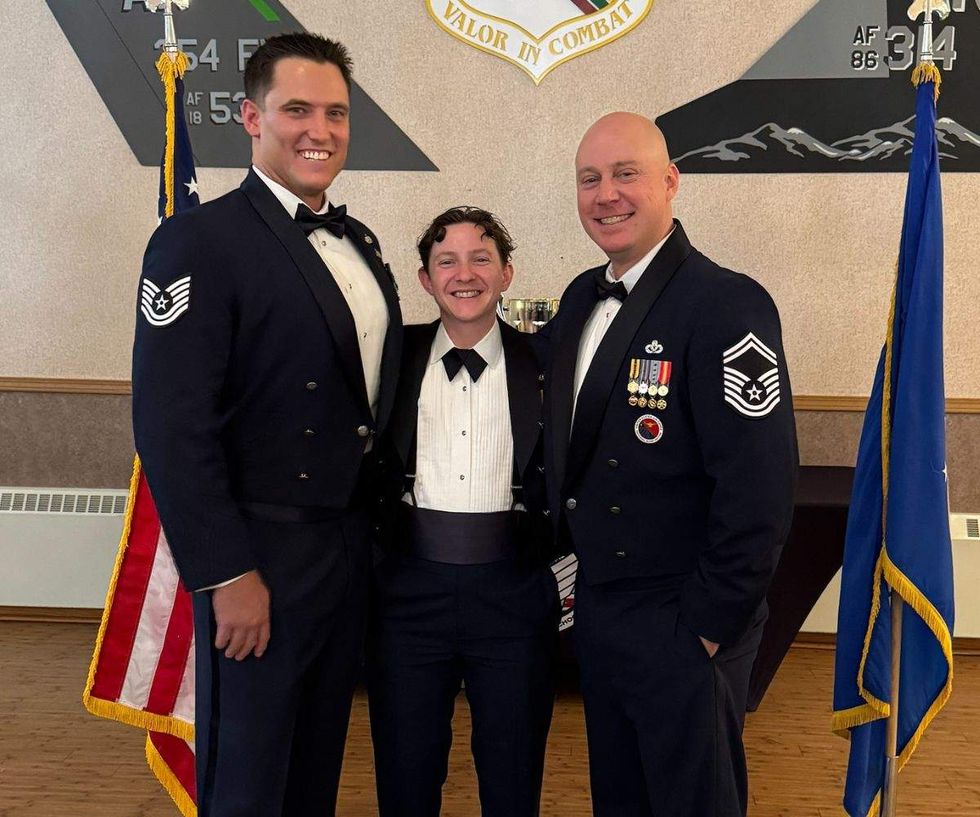 Parker Dubois
Teaching values while living the contradiction
Dubois had expected to serve for 30 years. Their work centered on becoming the kind of leader other people could depend on, and their performance earned recognition: In 2025, they were named their squadron’s noncommissioned officer of the year for 2024, they told The Advocate.
President Donald Trump’s January 2025 executive order portrayed transgender identity as incompatible with military readiness and asserted that a gender identity inconsistent with sex conflicts with an “honorable, truthful, and disciplined lifestyle.” The administration’s stated rationale cast doubt on the character of people already serving.
Dubois experienced that judgment while continuing to teach leadership.
They said they could meet standards associated with their sex assigned at birth and were required to keep working throughout 2025, without time away to search for jobs or prepare for civilian life.
Related: Trans service members have always been part of U.S. history
“The worst part about all of that is that my job was to teach leadership to the next generation of military leaders,” they said.
The contradiction followed them into the classroom. How could they teach integrity, service before self, and excellence while feeling the institution that invoked those values had abandoned them?
“It was the worst year of my life,” Dubois said.
They described worsening depression, returning to therapy, resuming medication, and drinking heavily. They struggled to envision a future beyond the military. Eventually, they said, leaders acknowledged that their focus on keeping an effective instructor working had eclipsed concern for the person doing that work.
Dubois ultimately received a medical retirement based on earlier mental health conditions, they said. They understood that outcome as a protection many transgender peers did not receive, which brought guilt alongside relief.
They had spent their formative years in uniform. Now their career had ended. But their belief in service had not.
“I truly believe that the military made me the person I am today,” they said.
In Alaska, building a place to belong
 Parker Dubois
Originally from Rhode Island, Dubois spent five years at Eielson Air Force Base in Alaska. There, amid bitter cold and long summer daylight, they found some of the strongest LGBTQ+ support of their military career.
They came out as nonbinary during a workplace presentation about LGBTQ+ representation in media. Their teammates responded warmly. But Dubois soon realized that acceptance varied across the installation.
They wanted a place where people could talk, find support, and build relationships. Their wife, they joked, had already heard plenty about what being nonbinary meant.
Related: The Trump administration is paying trans troops not to work
So Dubois built an LGBTQ+ organization.
It began with four people and grew to nearly 170 within a year, they said. Members included service members, allies, and parents of LGBTQ+ children. Commanders attended Pride events. People came because they needed company and knew they would be welcome.
When diversity cuts ended the organization’s presence on the installation, Dubois said, they continued it as PRISM Alaska.
The group’s growth helped shape their understanding of leadership. By creating a place for LGBTQ+ people, Dubois had also built something that parents, allies, and others across the installation wanted to join.
They brought that approach into the classroom, too. At the beginning of a course, Dubois would introduce themselves, explain their pronouns, and tell students that this was a learning environment.
Some students rolled their eyes, “on day one,” they recalled. By the end of the six-week course, some initially skeptical students were in their office expressing respect for their leadership.
“And I would lead everyone the same exact way,” Dubois said. “It didn’t matter who they were.”
An application, then a different future
 Parker Dubois
The opening arrived on LinkedIn.
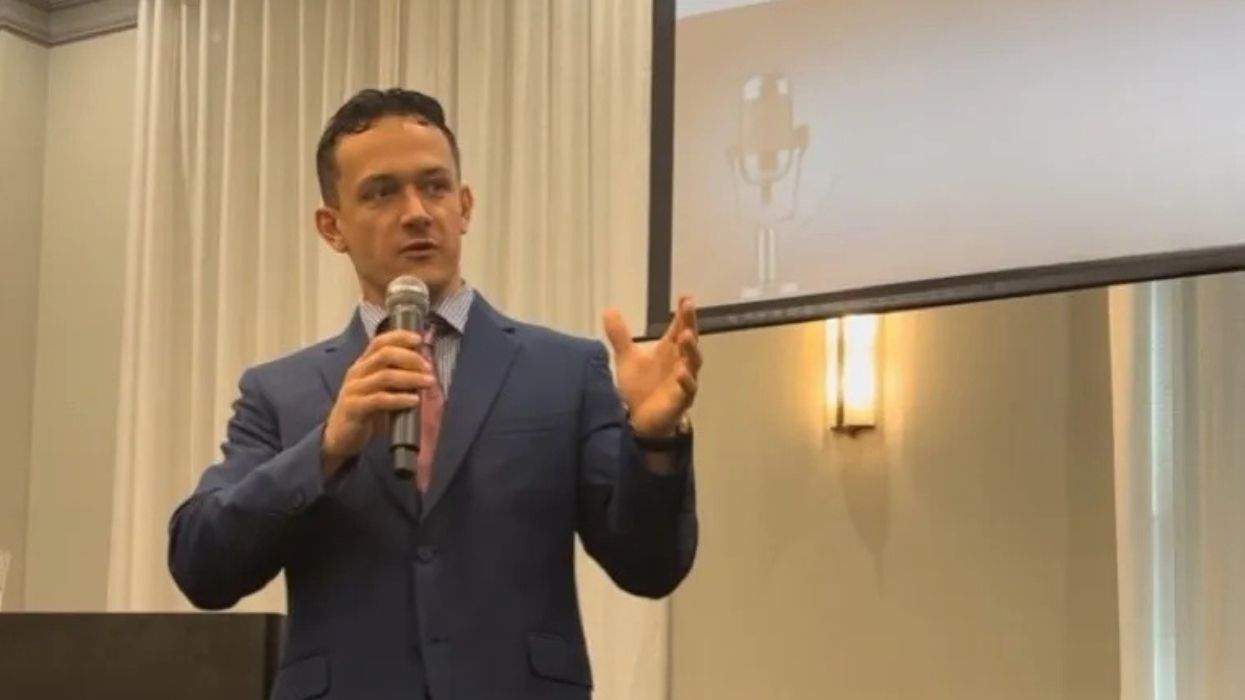
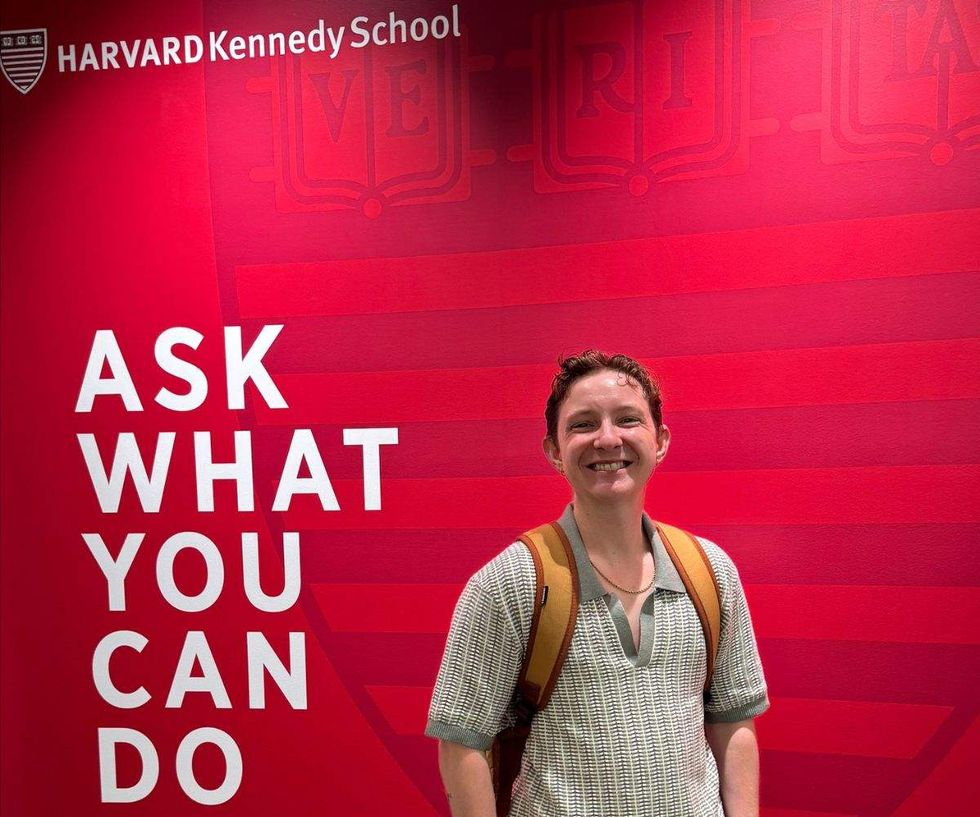
In September 2025, Dubois saw Space Force Col. Bree Fram, who is trans, share information about Harvard’s American Service Fellowship. The program provides a full scholarship and a stipend for a one-year master’s degree in public administration.
“I never thought that I was Harvard material ever,” Dubois said.
But they applied. Colleagues reviewed five essays. The organization Service to School helped with the application. Dubois asked leaders who had acknowledged failing them to write recommendations.
About a month after leaving the military, they learned they had been admitted.
Arriving at Harvard, Dubois wondered whether the school had chosen the wrong person. Finding that accomplished classmates shared similar insecurities helped.
More consequential was finding a community that understood service as something that could continue beyond a uniform.
 Parker Dubois
Dubois now imagines serving on a town council or working as a town or city manager. They remain in therapy and participate in a support group. Their recovery is ongoing, alongside the practical work of deciding where their experience can matter most.
The fellowship, Dubois said, “gave me my purpose back.”
Harvard has not replaced the military career they expected. It has given them people who recognize what they brought to that career and opportunities to put those skills to work elsewhere.
For Veterans Day, Dubois has a challenge for people who oppose transgender military service but celebrate veterans: Consider whose service you are willing to recognize.
“They have to come to terms with the fact that I am a veteran,” they said.