'%3E%3Cpath d='M16.3574 35.6519H12.9537L15.0491 18.8873L16.3574 35.6519ZM30.4229 54.0093L22.309 0.994385H7.91795L0 54.0093H10.6634L11.5802 46.3855H17.4014L17.9914 54.0093H30.4229Z' fill='%23971B20'/%3E%3Cpath d='M48.2073 41.8813C48.2073 43.4049 47.4892 44.0011 46.1144 44.0011H43.7595V11.0687H46.1144C47.4892 11.0687 48.2073 11.6636 48.2073 13.1885V41.8813ZM59.5273 43.6695V11.3326C59.5273 3.71323 53.5729 0.994385 47.8157 0.994385H31.7213V54.0093H47.8157C53.5729 54.0093 59.5273 51.29 59.5273 43.6695Z' fill='%23971B20'/%3E%3Cpath d='M90.183 0.994385H78.6039L75.0711 30.6157L71.9955 0.994385H59.4346L69.2474 54.0093H80.373L90.183 0.994385Z' fill='%23971B20'/%3E%3Cpath d='M107.063 42.3448C107.063 43.7359 105.951 44.5974 104.643 44.5974C103.269 44.5974 102.157 43.7359 102.157 42.3448V12.658C102.157 11.2676 103.269 10.4058 104.643 10.4058C105.951 10.4058 107.063 11.2676 107.063 12.658V42.3448ZM119.233 43.2723V11.7312C119.233 6.36384 112.952 -3.8147e-06 104.643 -3.8147e-06C96.2667 -3.8147e-06 89.9867 6.36384 89.9867 11.7312V43.2723C89.9867 48.6393 96.2667 55 104.643 55C112.952 55 119.233 48.6393 119.233 43.2723Z' fill='%23971B20'/%3E%3Cpath d='M150.976 43.9349V33.7309H139.069V42.3448C139.069 43.7359 137.957 44.5974 136.582 44.5974C135.076 44.5974 133.964 43.7359 133.964 42.3448V12.658C133.964 11.2676 135.076 10.4058 136.582 10.4058C137.957 10.4058 139.069 11.2676 139.069 12.658V21.2723H150.976V11.0687C150.976 5.70107 145.283 -3.8147e-06 136.582 -3.8147e-06C127.75 -3.8147e-06 121.796 5.70107 121.796 11.0687V43.9349C121.796 49.3022 127.75 55 136.582 55C145.283 55 150.976 49.3022 150.976 43.9349Z' fill='%23971B20'/%3E%3Cpath d='M167.478 35.6519H164.076L166.17 18.8873L167.478 35.6519ZM181.544 54.0093L173.432 0.994385H159.037L151.123 54.0093H161.785L162.704 46.3855H168.523L169.114 54.0093H181.544Z' fill='%23971B20'/%3E%3Cpath d='M205.412 10.4058V0.994385H177.081V10.4058H185.392V54.0093H197.428V10.4058H205.412Z' fill='%23971B20'/%3E%3Cpath d='M230.002 54.0093V43.9349H218.914V31.8746H226.635V21.8028H218.914V10.4058H230.002V0.994385H206.875V54.0093H230.002Z' fill='%23971B20'/%3E%3C/g%3E%3Cdefs%3E%3CclipPath id='clip0_260_7080'%3E%3Crect width='230' height='55' fill='white'/%3E%3C/clipPath%3E%3C/defs%3E%3C/svg%3E)
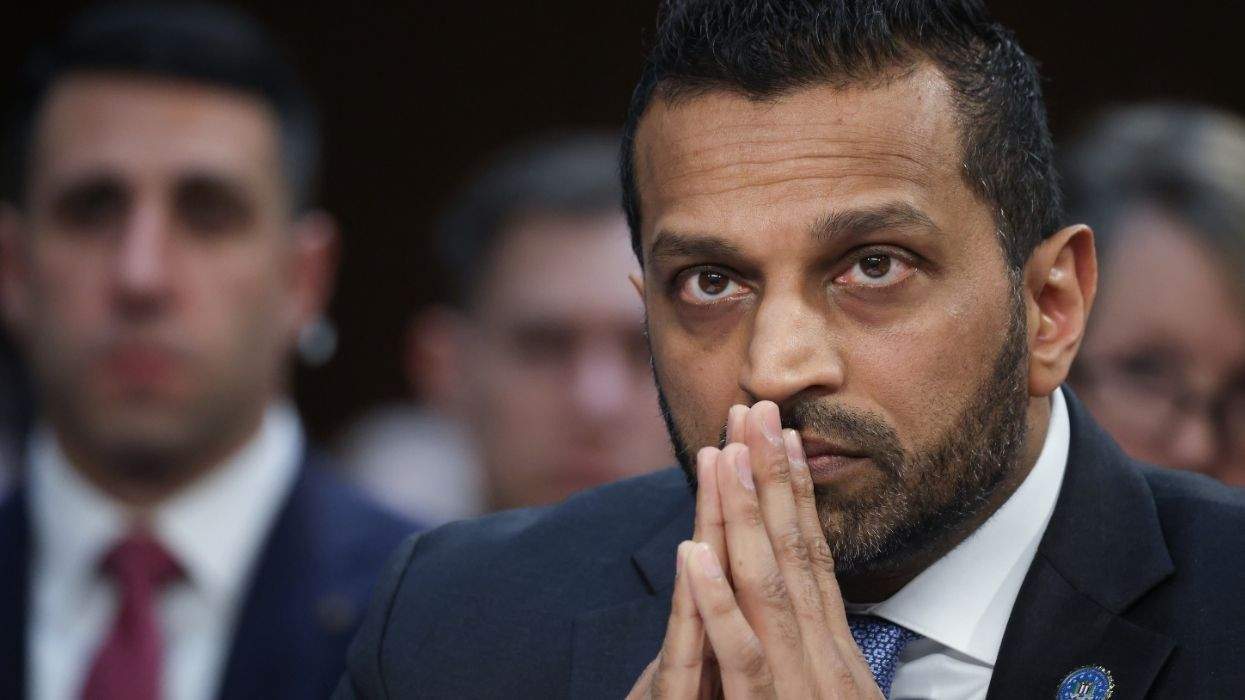
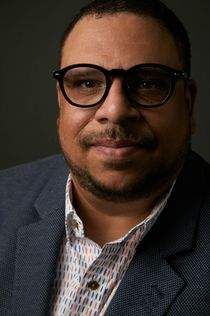
If digital sleuths are right, FBI Director Kash Patel had so much school spirit for his Virginia alma mater that he carried it over into his username on dozens of websites. But after last week’s hack of Patel’s private email address, digital security experts say that may have left him vulnerable to online attacks.
Keep up with the latest in LGBTQ+ news and politics. Sign up for The Advocate's email newsletter.
Iran-linked hackers known as the Handala Hack Team released more than 300 emails and personal photos from Patel’s private account on Friday, according to Reuters. U.S. officials say the material appears to date largely from 2010 to 2019 and does not involve classified government information or active FBI operations.
The FBI told The Advocate it is “aware of malicious actors targeting Director Patel’s personal email information” and said it has taken steps to reduce any risk. The bureau emphasized that the material is “historical in nature and involves no government information” and noted that the State Department is offering a reward of up to $10 million for information leading to the group’s identification.
Online investigators began zeroing in on Patel's alleged username, “spiderkash,” that they said was linked to accounts across multiple platforms. A cybersecurity-focused X account, International Cyber Digest, circulated screenshots without independent verification, claiming that the same alleged username appeared across email, shopping, and adult-content platforms. Screenshots of the account went viral.
The Advocate has not confirmed that the handle belongs to Patel, but when asked, the FBI did not deny that it was the director’s username.
Related: This week, Pete Hegseth and Kash Patel started the frightening return of the Lavender Scare
Related: Gay former FBI official sues Kash Patel & Pam Bondi for Pride flag firing
But cybersecurity experts say the attention reflects a broader and well-understood risk tied to how people manage their digital identities.
The attack is part of a broader strategy known as open-source intelligence gathering, or OSINT, according to Dave Levin, an associate professor of computer science at the University of Maryland and a researcher affiliated with the Maryland Cybersecurity Center, which studies online threats and digital security.
“It’s extremely common and targets both high-profile government officials and everyday people," Levin told The Advocate in an interview.
Levin noted that interest in OSINT has grown to the point that students at Maryland are now studying it directly. One grad student is teaching a course focused on how publicly available information can be used to identify and link accounts across platforms — the same techniques attackers use in cases like this.
Levin said that reusing usernames across platforms can allow attackers to link accounts and build a more complete picture of a person’s life, even when each account appears harmless on its own.
“If somebody can link two different accounts together, say your professional account and your personal account, then they can start learning things about you that you didn’t realize could be connected,” he said.
But other experts say the more significant vulnerabilities often lie elsewhere, particularly in how people manage passwords.
Anton Dahbura, executive director of the Johns Hopkins University Information Security Institute and co-director of the Johns Hopkins Institute for Assured Autonomy, told The Advocate that while reusing usernames can help attackers conceptually link accounts, it is not typically a primary security weakness.
“Using the same username across platforms can make it easier for hackers to conceptually link a person to multiple accounts, although it’s not guaranteed,” Dahbura said, noting that common usernames may be used by different people across platforms.
Instead, Dahbura emphasized that password practices, not usernames, are far more consequential in real-world attacks.
“Common password hashing across different platforms combined with dictionary attacks on passwords would seem to be a more meaningful attack,” he said. “People should not use passwords that have been successfully cracked elsewhere, and should not use the same password for different platforms.”
He added that security questions, such as those based on personal details that may be visible on social media, can also expose users to compromise.
Federal digital identity guidance from the National Institute of Standards and Technology recommends that account identifiers be unique and, where possible, randomly generated rather than derived from personal details, to reduce the risk of accounts being linked or traced across platforms. The agency’s July 2025 Digital Identity Guidelines warn that online identities can be reused or correlated across services, especially when they rely on recognizable personal references, creating openings for tracking, impersonation, or compromise.
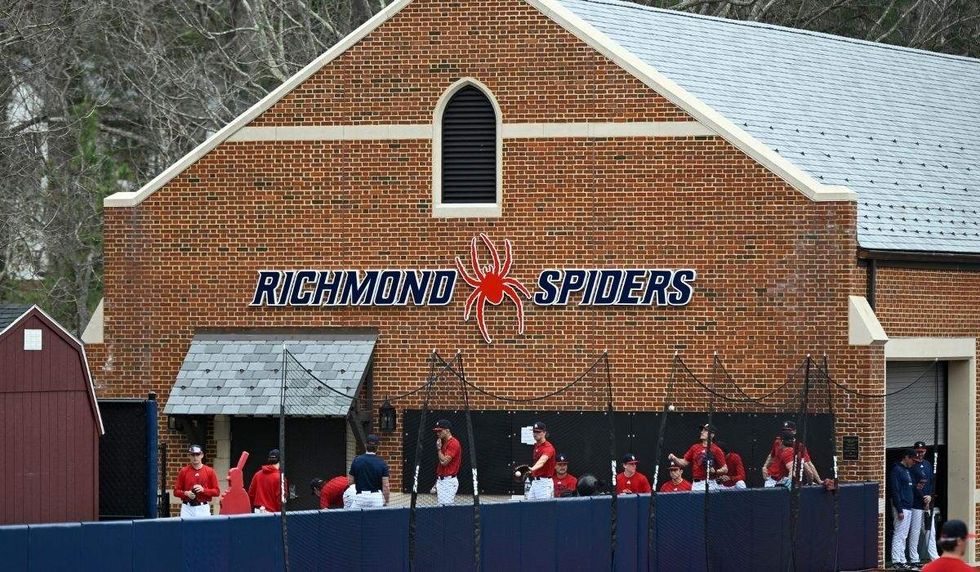
Members of the University of Richmond Spiders pitching staff gather in the bullpen prior to a game against the Binghamton University Bearcats at Pitt Field on March 7, 2026, in Richmond, Virginia.
Diamond Images via Getty Images
Still, the name spread quickly, and it appears to point to real elements of the FBI director’s life, like his apparent fondness for his undergraduate alma mater.
Patel graduated from the University of Richmond in 2002 with a degree in history and criminal justice, and his rise to FBI director was closely followed by his alma mater. The university’s student newspaper, The Collegian, noted his confirmation in 2025 as both historic and controversial, describing him as a “staunch Trump loyalist” who secured the role in a narrow Senate vote.
Related: Angry Democratic lawmakers slam ‘despicable’ Kash Patel for firing FBI agent over LGBTQ+ Pride flag
The Collegian recently reported that Patel’s connection to Richmond went beyond academics. Archive clippings and photos show he was an executive member of the Richmond Rowdies, a student spirit group known for its loud, choreographed presence at athletic events
The University of Richmond is a highly selective private university recognized for its rigorous academics and picturesque collegiate Gothic campus, set on hundreds of acres just outside the city of Richmond. U.S. News & World Report consistently ranks UR among the top schools in the country. The university is known for blending a traditional liberal arts education with specialized programs, including the Robins School of Business, the Jepson School of Leadership Studies, and the School of Law.
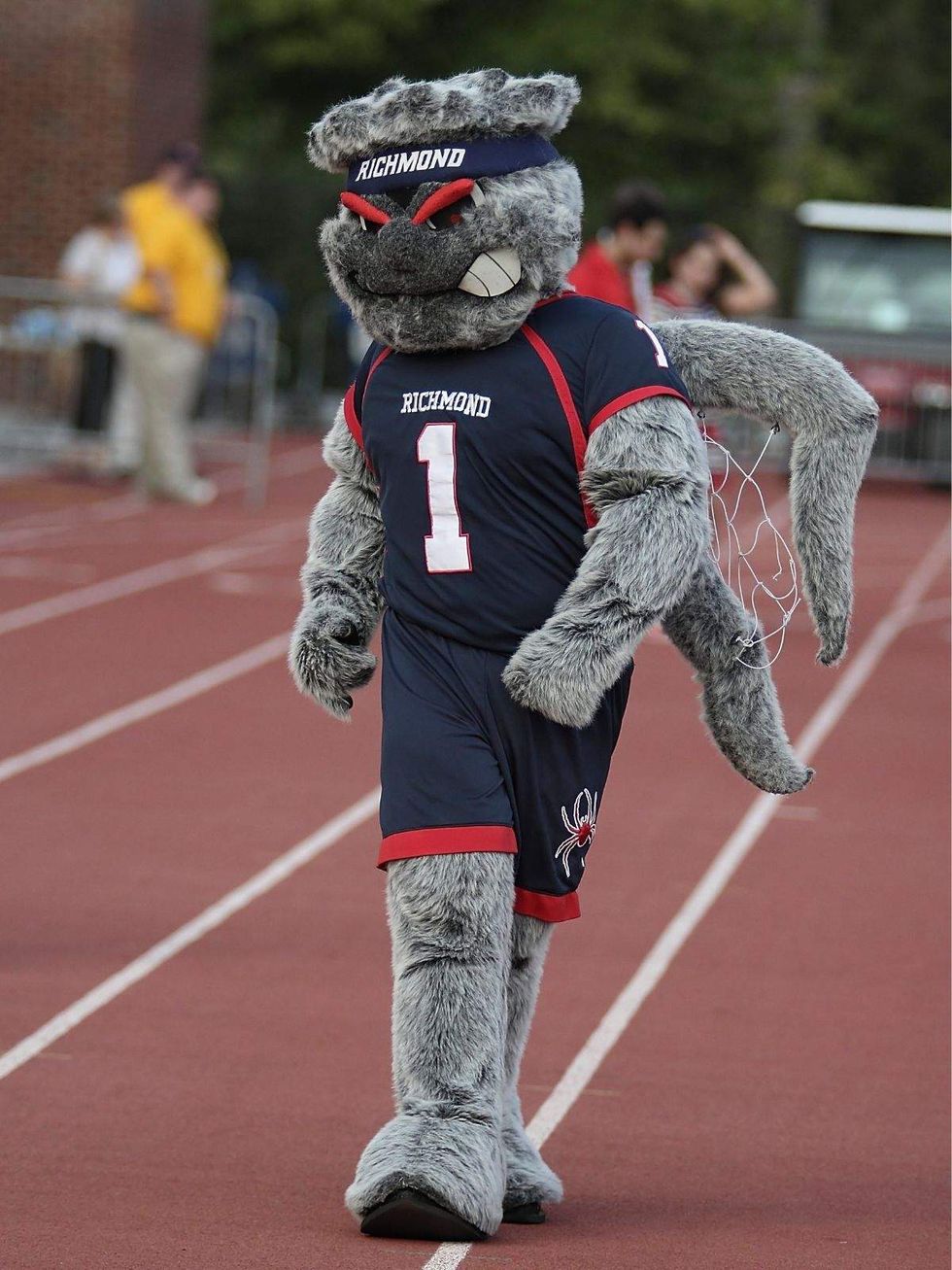
University of Richmond mascot Webster embodies the Richmond Spiders in Richmond, VA.
Gary Brittain/ Icon Sportswire/Corbis/Icon Sportswire via Getty Images
And then there’s the mascot.
Richmond is the only university in the country to boast an arachnid as its official mascot, the Spiders, a symbol students and alumni enthusiastically embrace as part of their identity. At Richmond, school pride shows up everywhere, from chants and nicknames to vanity license plates with stylized spellings like “Spydr.” In other words, the school spirit piece is real, even if the username itself remains unverified.
That context has made the alleged username seem plausible to some online observers, even as experts caution that plausibility is not proof.
“If you just see a username like that, no serious analyst would say that’s definitive,” Levin said. “It’s a step in the right direction, but you would need to combine it with many other pieces of evidence.”
Even so, he added, it would not be unusual for someone who rose to high office later in life to have left behind a trail of less-secure digital habits.
“It’s not a part of normal people’s hygiene to create random usernames,” Levin said. “So would I be surprised if a high-profile government official had accounts that could be tied back to them from earlier in life? No.”
But the attention on Patel’s personal life and behavior didn’t start with the hack. In recent months, Patel has faced scrutiny over a series of controversies, including criticism for using a private government jet for personal travel and for blurring the line between official duties and private activity.
He also drew backlash after appearing in viral footage celebrating with the U.S. men’s hockey team following their Olympic victory in February, at one point chugging beer in the locker room in Italy. The New York Times reported that the trip itself raised concerns, both inside and outside government, about the blurred lines between personal recreation and professional responsibility.
Levin said the most effective defense against these risks is “compartmentalization," separating identities across platforms and limiting how easily accounts can be linked. For public officials, he added, that kind of digital hygiene is not just best practice but essential.
The University of Richmond did not respond to The Advocate’s request for comment.
Editor’s note: The writer of this article also attended the University of Richmond at the same time as FBI Director Kash Patel.