'%3E%3Cpath d='M16.3574 35.6519H12.9537L15.0491 18.8873L16.3574 35.6519ZM30.4229 54.0093L22.309 0.994385H7.91795L0 54.0093H10.6634L11.5802 46.3855H17.4014L17.9914 54.0093H30.4229Z' fill='%23971B20'/%3E%3Cpath d='M48.2073 41.8813C48.2073 43.4049 47.4892 44.0011 46.1144 44.0011H43.7595V11.0687H46.1144C47.4892 11.0687 48.2073 11.6636 48.2073 13.1885V41.8813ZM59.5273 43.6695V11.3326C59.5273 3.71323 53.5729 0.994385 47.8157 0.994385H31.7213V54.0093H47.8157C53.5729 54.0093 59.5273 51.29 59.5273 43.6695Z' fill='%23971B20'/%3E%3Cpath d='M90.183 0.994385H78.6039L75.0711 30.6157L71.9955 0.994385H59.4346L69.2474 54.0093H80.373L90.183 0.994385Z' fill='%23971B20'/%3E%3Cpath d='M107.063 42.3448C107.063 43.7359 105.951 44.5974 104.643 44.5974C103.269 44.5974 102.157 43.7359 102.157 42.3448V12.658C102.157 11.2676 103.269 10.4058 104.643 10.4058C105.951 10.4058 107.063 11.2676 107.063 12.658V42.3448ZM119.233 43.2723V11.7312C119.233 6.36384 112.952 -3.8147e-06 104.643 -3.8147e-06C96.2667 -3.8147e-06 89.9867 6.36384 89.9867 11.7312V43.2723C89.9867 48.6393 96.2667 55 104.643 55C112.952 55 119.233 48.6393 119.233 43.2723Z' fill='%23971B20'/%3E%3Cpath d='M150.976 43.9349V33.7309H139.069V42.3448C139.069 43.7359 137.957 44.5974 136.582 44.5974C135.076 44.5974 133.964 43.7359 133.964 42.3448V12.658C133.964 11.2676 135.076 10.4058 136.582 10.4058C137.957 10.4058 139.069 11.2676 139.069 12.658V21.2723H150.976V11.0687C150.976 5.70107 145.283 -3.8147e-06 136.582 -3.8147e-06C127.75 -3.8147e-06 121.796 5.70107 121.796 11.0687V43.9349C121.796 49.3022 127.75 55 136.582 55C145.283 55 150.976 49.3022 150.976 43.9349Z' fill='%23971B20'/%3E%3Cpath d='M167.478 35.6519H164.076L166.17 18.8873L167.478 35.6519ZM181.544 54.0093L173.432 0.994385H159.037L151.123 54.0093H161.785L162.704 46.3855H168.523L169.114 54.0093H181.544Z' fill='%23971B20'/%3E%3Cpath d='M205.412 10.4058V0.994385H177.081V10.4058H185.392V54.0093H197.428V10.4058H205.412Z' fill='%23971B20'/%3E%3Cpath d='M230.002 54.0093V43.9349H218.914V31.8746H226.635V21.8028H218.914V10.4058H230.002V0.994385H206.875V54.0093H230.002Z' fill='%23971B20'/%3E%3C/g%3E%3Cdefs%3E%3CclipPath id='clip0_260_7080'%3E%3Crect width='230' height='55' fill='white'/%3E%3C/clipPath%3E%3C/defs%3E%3C/svg%3E)

A New York judge has come under fire for repeatedly declining to seal records for transgender people legally changing their names.
Keep up with the latest in LGBTQ+ news and politics. Sign up for The Advocate's email newsletter.
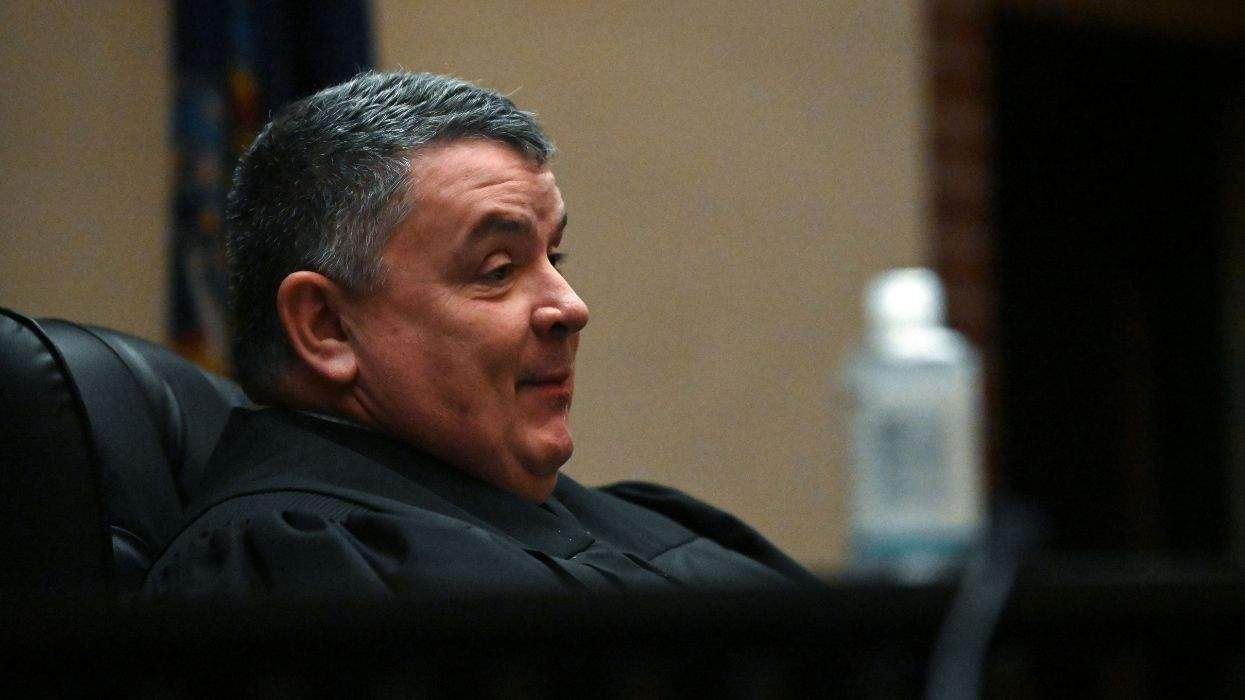
New York State Supreme Court Justice James Walsh has, over the past two years, declined to seal records, including once for a 13-year-old, only to see appellate courts overrule his decision, according to the Times Union in Albany.
The judge, who declined to speak on cases to the newspaper, in court proceedings offered reasoning that “public interest concerns” such as background checks and genealogy records outweighed fears of online harassment, work discrimination, or the risk of hate crimes.
Related: Judge nixes Justice Department subpoena of telehealth trans health care provider
Related: Federal court rejects Trump Justice Department’s effort to access trans kids’ medical records
An appellate judge, in a February decision overturning Walsh, noted the history of his rulings. “We are once again confronted with the denial of a sealing request in a Civil Rights Law article 6 proceeding — by the same Supreme Court justice — predicated on amorphous ‘public interest concerns,’” wrote Appellate Judge Eddie J. McShan in a ruling.
The habit of denying privacy concerns for transgender New Yorkers drew media attention last year, when Them noted the Supreme Court Appellate Division, on the same day, overturned three rulings by Walsh denying record seals on name changes.
“In a ‘customary’ case like this one, protecting the applicant from the threat of harm posed by an open court record of a name change proceeding necessarily takes priority over the public’s ability to access that court record,” wrote Appellate Justice Sharon A.M. Aarons in a decision at the time.
Walsh did not deny requests to change the people’s names, but repeatedly declined to seal records from public scrutiny.
Sealing of records happens automatically in New York for divorce proceedings, adoptions, and other legal matters involving the changing of legal names, but it must be requested when an individual elects to change their legal name for another purpose, such as gender transitioning.