'%3E%3Cpath d='M16.3574 35.6519H12.9537L15.0491 18.8873L16.3574 35.6519ZM30.4229 54.0093L22.309 0.994385H7.91795L0 54.0093H10.6634L11.5802 46.3855H17.4014L17.9914 54.0093H30.4229Z' fill='%23971B20'/%3E%3Cpath d='M48.2073 41.8813C48.2073 43.4049 47.4892 44.0011 46.1144 44.0011H43.7595V11.0687H46.1144C47.4892 11.0687 48.2073 11.6636 48.2073 13.1885V41.8813ZM59.5273 43.6695V11.3326C59.5273 3.71323 53.5729 0.994385 47.8157 0.994385H31.7213V54.0093H47.8157C53.5729 54.0093 59.5273 51.29 59.5273 43.6695Z' fill='%23971B20'/%3E%3Cpath d='M90.183 0.994385H78.6039L75.0711 30.6157L71.9955 0.994385H59.4346L69.2474 54.0093H80.373L90.183 0.994385Z' fill='%23971B20'/%3E%3Cpath d='M107.063 42.3448C107.063 43.7359 105.951 44.5974 104.643 44.5974C103.269 44.5974 102.157 43.7359 102.157 42.3448V12.658C102.157 11.2676 103.269 10.4058 104.643 10.4058C105.951 10.4058 107.063 11.2676 107.063 12.658V42.3448ZM119.233 43.2723V11.7312C119.233 6.36384 112.952 -3.8147e-06 104.643 -3.8147e-06C96.2667 -3.8147e-06 89.9867 6.36384 89.9867 11.7312V43.2723C89.9867 48.6393 96.2667 55 104.643 55C112.952 55 119.233 48.6393 119.233 43.2723Z' fill='%23971B20'/%3E%3Cpath d='M150.976 43.9349V33.7309H139.069V42.3448C139.069 43.7359 137.957 44.5974 136.582 44.5974C135.076 44.5974 133.964 43.7359 133.964 42.3448V12.658C133.964 11.2676 135.076 10.4058 136.582 10.4058C137.957 10.4058 139.069 11.2676 139.069 12.658V21.2723H150.976V11.0687C150.976 5.70107 145.283 -3.8147e-06 136.582 -3.8147e-06C127.75 -3.8147e-06 121.796 5.70107 121.796 11.0687V43.9349C121.796 49.3022 127.75 55 136.582 55C145.283 55 150.976 49.3022 150.976 43.9349Z' fill='%23971B20'/%3E%3Cpath d='M167.478 35.6519H164.076L166.17 18.8873L167.478 35.6519ZM181.544 54.0093L173.432 0.994385H159.037L151.123 54.0093H161.785L162.704 46.3855H168.523L169.114 54.0093H181.544Z' fill='%23971B20'/%3E%3Cpath d='M205.412 10.4058V0.994385H177.081V10.4058H185.392V54.0093H197.428V10.4058H205.412Z' fill='%23971B20'/%3E%3Cpath d='M230.002 54.0093V43.9349H218.914V31.8746H226.635V21.8028H218.914V10.4058H230.002V0.994385H206.875V54.0093H230.002Z' fill='%23971B20'/%3E%3C/g%3E%3Cdefs%3E%3CclipPath id='clip0_260_7080'%3E%3Crect width='230' height='55' fill='white'/%3E%3C/clipPath%3E%3C/defs%3E%3C/svg%3E)
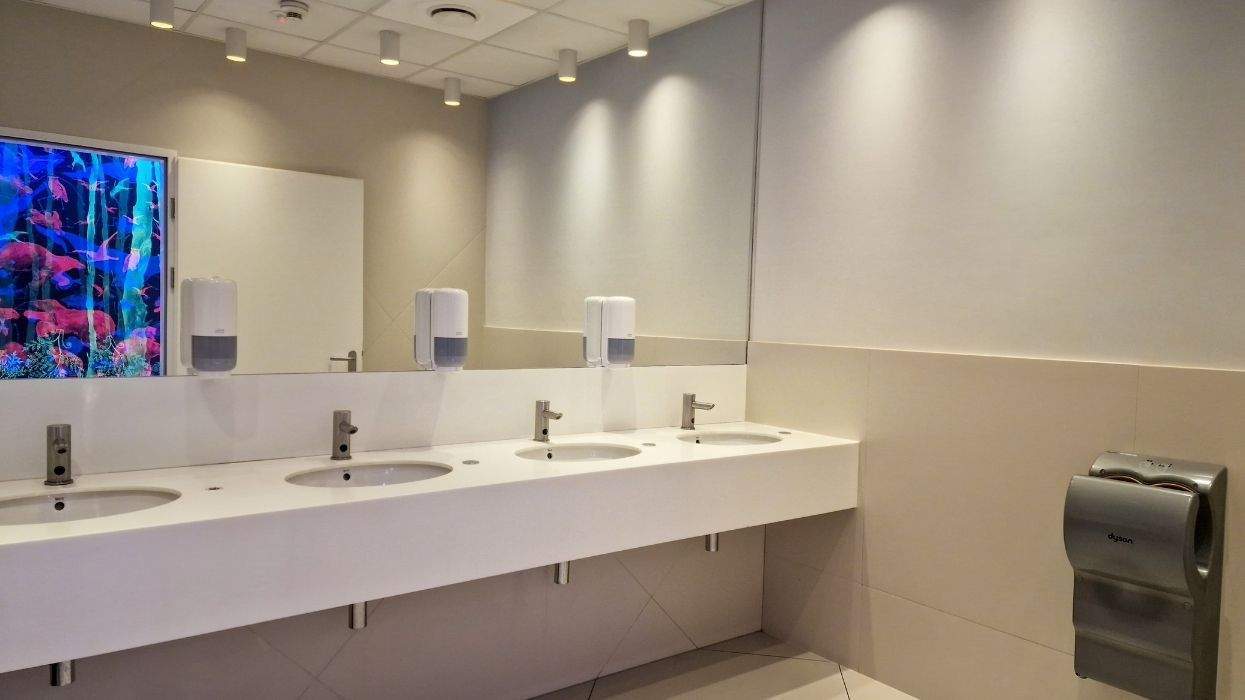
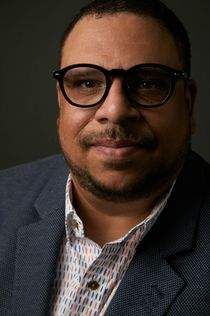
Diego Fable has called Idaho home for more than a decade. He is leaving because he needs to use the bathroom.
The choice created by House Bill 752 is not a dramatic confrontation or a courtroom argument. It is a decision made before walking out the front door. Where will he go if he needs to use the restroom? What will happen when he gets there? For Fable, a transgender man, those questions have become unbearable.
"With this new law, I've decided I have no choice but to relocate to a different state to protect myself," he said at a press conference announcing a federal lawsuit challenging the measure. "This is heartbreaking because I consider Idaho my home, and I'd be leaving behind a close-knit community I've developed while living here."
Related: Transgender Idahoans sue to block criminal bathroom law
The legal challenge, filed in the U.S. District Court for the District of Idaho, targets a law that makes it a crime to use public restrooms that do not align with a person’s sex assigned at birth.
The measure applies to government buildings and many places of public accommodation, including private businesses, and carries penalties of up to one year in jail for a first offense and up to five years in prison for repeat violations.
But the law’s substance is only part of the story. Its speed has become part of the argument. Introduced, debated, and passed within weeks, the bill cleared the Idaho House on March 16 and the Senate on March 27 before reaching Republican Gov. Brad Little’s desk, where it was signed on March 31.
Lambda Legal attorney Kell Olson, who represents six transgender plaintiffs in the case, said the law creates a situation with no workable path. "Transgender people do not want to be subject to violence or harassment," Olson told The Advocate in an interview. "And so the choice is either to forego restroom use or to walk into a restroom where you know you are going to be perceived to be violating the law."
Related: Idaho governor signs law making transgender bathroom use a felony
Related: Idaho Republicans pass bill making it a felony for transgender people to use public bathrooms
He said the premise that people can simply use a different restroom does not reflect how gender is perceived and enforced in public spaces. "By complying with the law,” Olson said, “it looks like you’re violating the law.” For transgender people, being perceived in a bathroom could nearly guarantee a police interaction, Olson explained.
Fable described that contradiction in practical terms. As a transgender man, walking into a women’s restroom — the one the law requires him to use — would make him visibly out of place. “Since I look like a man, using the women’s restroom would only invite suspicion, questions, harassment, and potentially violence,” he said. “Or do I avoid going out altogether, missing time with my family, with my friends, and impacting my employment?”
Fable said he sees no safe option.
For Amelia Milette, a lifelong Idaho resident, the law’s damage is cumulative.
Related: Idaho Senate takes up bill to jail trans people for using public bathrooms
Related: Idaho’s governor forces doctors & teachers to out trans youth despite abuse risks
“I can no longer assume I’ll have access to a safe restroom when I am simply doing my job," she said during the press conference. "It forces me to compromise my privacy and safety by using a facility that doesn’t align with how I present myself in my daily life. I now also have to evaluate every social activity I participate in against the risk I’ll experience if I simply need to use the restroom.”
The result is an accumulation of small withdrawals from work, from community, from public space itself.
“This new law will inevitably keep me from engaging with my community and being in public,” Milette said. "It does not protect anyone. It only puts people like me in danger."
Attorneys behind the lawsuit argue the law is unconstitutional on multiple grounds, including violations of equal protection, due process, and privacy rights. "None of us can predict when we're going to have an urgent need," he said, "and that's going to become necessary even if you try to avoid it."
Olson said the law effectively turns a basic bodily need into a legal risk.
Related: The Idaho legislature isn’t governing. It’s hunting transgender people
"Even if every place had gender-neutral options, which clearly they don’t," Olson said, “it makes it functionally impossible to get through your daily life and be able to use a restroom that is not going to both be legal under this law and not cause a major disruption, to say the least."
The plaintiffs are asking the court to block the law before it takes effect on July 1.
"This law is forcing me to leave my treasured friends and community behind,” Fable said.