'%3E%3Cpath d='M16.3574 35.6519H12.9537L15.0491 18.8873L16.3574 35.6519ZM30.4229 54.0093L22.309 0.994385H7.91795L0 54.0093H10.6634L11.5802 46.3855H17.4014L17.9914 54.0093H30.4229Z' fill='%23971B20'/%3E%3Cpath d='M48.2073 41.8813C48.2073 43.4049 47.4892 44.0011 46.1144 44.0011H43.7595V11.0687H46.1144C47.4892 11.0687 48.2073 11.6636 48.2073 13.1885V41.8813ZM59.5273 43.6695V11.3326C59.5273 3.71323 53.5729 0.994385 47.8157 0.994385H31.7213V54.0093H47.8157C53.5729 54.0093 59.5273 51.29 59.5273 43.6695Z' fill='%23971B20'/%3E%3Cpath d='M90.183 0.994385H78.6039L75.0711 30.6157L71.9955 0.994385H59.4346L69.2474 54.0093H80.373L90.183 0.994385Z' fill='%23971B20'/%3E%3Cpath d='M107.063 42.3448C107.063 43.7359 105.951 44.5974 104.643 44.5974C103.269 44.5974 102.157 43.7359 102.157 42.3448V12.658C102.157 11.2676 103.269 10.4058 104.643 10.4058C105.951 10.4058 107.063 11.2676 107.063 12.658V42.3448ZM119.233 43.2723V11.7312C119.233 6.36384 112.952 -3.8147e-06 104.643 -3.8147e-06C96.2667 -3.8147e-06 89.9867 6.36384 89.9867 11.7312V43.2723C89.9867 48.6393 96.2667 55 104.643 55C112.952 55 119.233 48.6393 119.233 43.2723Z' fill='%23971B20'/%3E%3Cpath d='M150.976 43.9349V33.7309H139.069V42.3448C139.069 43.7359 137.957 44.5974 136.582 44.5974C135.076 44.5974 133.964 43.7359 133.964 42.3448V12.658C133.964 11.2676 135.076 10.4058 136.582 10.4058C137.957 10.4058 139.069 11.2676 139.069 12.658V21.2723H150.976V11.0687C150.976 5.70107 145.283 -3.8147e-06 136.582 -3.8147e-06C127.75 -3.8147e-06 121.796 5.70107 121.796 11.0687V43.9349C121.796 49.3022 127.75 55 136.582 55C145.283 55 150.976 49.3022 150.976 43.9349Z' fill='%23971B20'/%3E%3Cpath d='M167.478 35.6519H164.076L166.17 18.8873L167.478 35.6519ZM181.544 54.0093L173.432 0.994385H159.037L151.123 54.0093H161.785L162.704 46.3855H168.523L169.114 54.0093H181.544Z' fill='%23971B20'/%3E%3Cpath d='M205.412 10.4058V0.994385H177.081V10.4058H185.392V54.0093H197.428V10.4058H205.412Z' fill='%23971B20'/%3E%3Cpath d='M230.002 54.0093V43.9349H218.914V31.8746H226.635V21.8028H218.914V10.4058H230.002V0.994385H206.875V54.0093H230.002Z' fill='%23971B20'/%3E%3C/g%3E%3Cdefs%3E%3CclipPath id='clip0_260_7080'%3E%3Crect width='230' height='55' fill='white'/%3E%3C/clipPath%3E%3C/defs%3E%3C/svg%3E)


Queer spaces have long been tied to nightlife culture, born from necessity in bars and clubs where safety and community were first found. But what started as a sanctuary has, for some, become a source of harm. As rates of addiction, relapse, and overdose climb across the LGBTQ+ population, we must reckon with an uncomfortable truth: celebration shouldn't come at the cost of our lives.
This is not a call to ban alcohol from queer spaces. This is a call for balance, choices, and inclusive celebration that embraces sobriety as more than just abstinence but as joy, vitality, and connection on our own terms.
The Queer Addiction Crisis
A 2020 study from the National Institute on Drug Abuse found that LGBTQ adults are more than twice as likely to experience substance use disorders as their heterosexual peers. Rates among transgender individuals are even higher, driven by disproportionate levels of stigma, trauma, and mental health challenges. Among queer men, the use of methamphetamine, particularly in the context of sex, remains a pressing public health concern.
Experts point to three main reasons: community norms that normalize heavy use; expectations that partying is part of queer life; and the ongoing trauma and stress of discrimination. The COVID-19 pandemic only deepened the crisis. Isolated and vulnerable, many LGBTQ individuals relapsed or found themselves using more to cope.
A Movement Takes Root
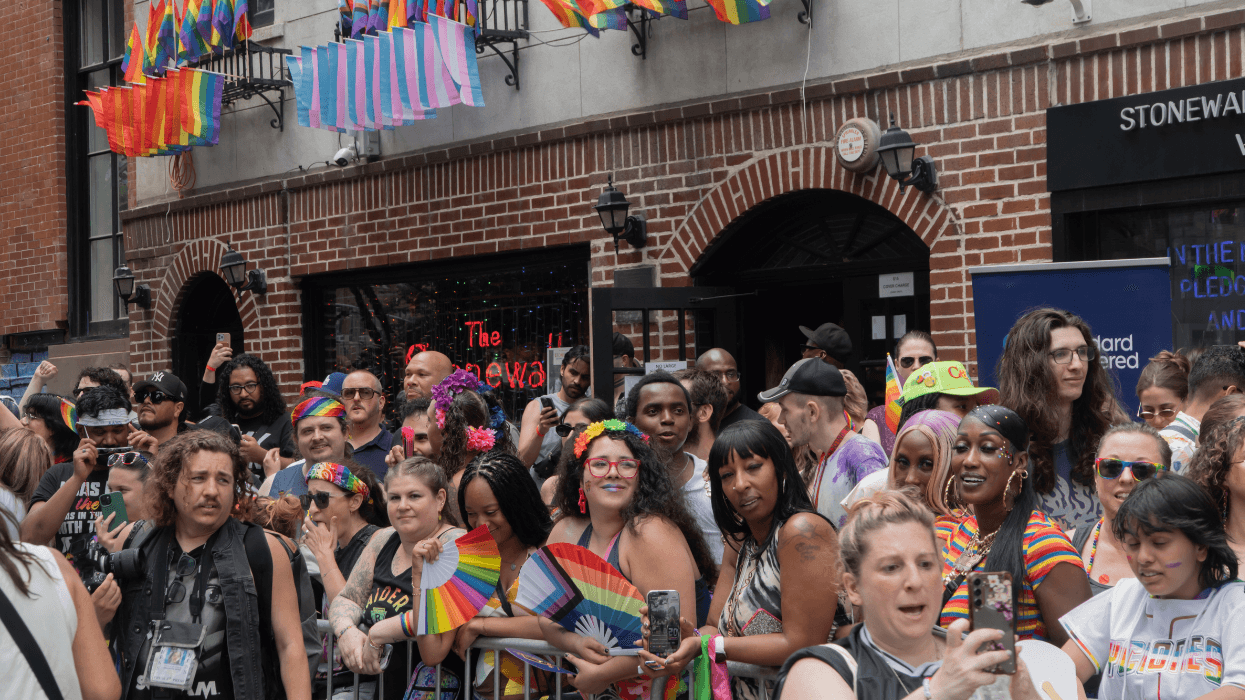
In 2009, a group of newly sober gay men in Manhattan attended a church-basement dance on Pride weekend. The event was meant to be a safe space, but the atmosphere was somber, the crowd sparse. As fireworks lit up the Hudson River, one of them asked, "Why isn't there something big and fun for us?"
That question sparked a movement. The following year, that same group pooled their resources and threw a sober Pride party they dubbed "The Wild West." It was rowdy, vibrant, and completely alcohol-free. Over 300 people showed up.
That night, Gay & Sober was born.
Since then, the organization has grown into one of the largest sober LGBTQ+ event producers in the world. What began as a single party has evolved into a full-fledged nonprofit that now hosts events in Fire Island, Amsterdam, and Tennessee, with plans to soon expand to London. The decision to host an event in Tennessee was both political and personal, as queer people living in states hostile to LGBTQ+ rights also deserve queer and sober safe spaces. Similarly, the London expansion was prompted by rising rates of methamphetamine use in the city's gay male population.
More Than Just Abstinence
Gay & Sober isn't about replacing one scene with another. It's about reimagining what joy can look like when it's not filtered through a substance.
In fact, not everyone who attends these events identifies as being in recovery. Today, an estimated 10% of attendees are "sober curious," or people who want to explore a life without substances, even if they don't use the language of addiction. Another 10% are allies or loved ones. The remaining 80% come from traditional 12-step backgrounds.
Gay & Sober's programming reflects this diversity. The annual conference includes workshops on sober dating, sexual health, meditation, trauma recovery, and more. Keynote speakers have included folks ranging from The Velvet Rage author Dr. Alan Downs to former presidential candidate Marianne Williamson and designer Marc Jacobs.
Whether someone is newly sober, curious about quitting, or thirty years into recovery, the message is the same: you belong here. You deserve joy. And you don't have to do it alone.
Pushback and Progress
The journey hasn't been without criticism. Some old-school AA members have balked at the party atmosphere. "Go-go dancers at a sober event?" one detractor asked. Others raised concerns about sexual energy being triggering, particularly for those recovering from chemsex addiction.
Gay & Sober responded not by scaling back but by expanding. They introduced programming to directly address these issues: workshops on sober intimacy, boundaries, and harm reduction; guided meditations; and peer-led recovery circles.
Sobriety doesn't mean sitting quietly in the corner while the rest of the world celebrates. It doesn't mean exclusion from queer joy, culture, or community. It means agency. It means safety. It means showing up to your life fully present, fiercely proud, and radically alive. As Gay & Sober continues to grow, one thing is clear: the future of queer nightlife includes sober spaces. And that future is already here.
Because addiction may be dark, but recovery can be electric.
Mario Moreno is an alumnus of Gay & Sober, since its creation on Facebook in 2009, and has been involved in their annual conference as Volunteer Coordinator (2018-2019, 2021) and as Co-Chair (2022).
Opinion is dedicated to featuring a wide range of inspiring personal stories and impactful opinions from the LGBTQ+ community and its allies. Visit Advocate.com/submit to learn more about submission guidelines. We welcome your thoughts and feedback on any of our stories. Email us at voices@equalpride.com. Views expressed in Voices stories are those of the guest writers, columnists, and editors, and do not directly represent the views of The Advocate or our parent company, equalpride.