
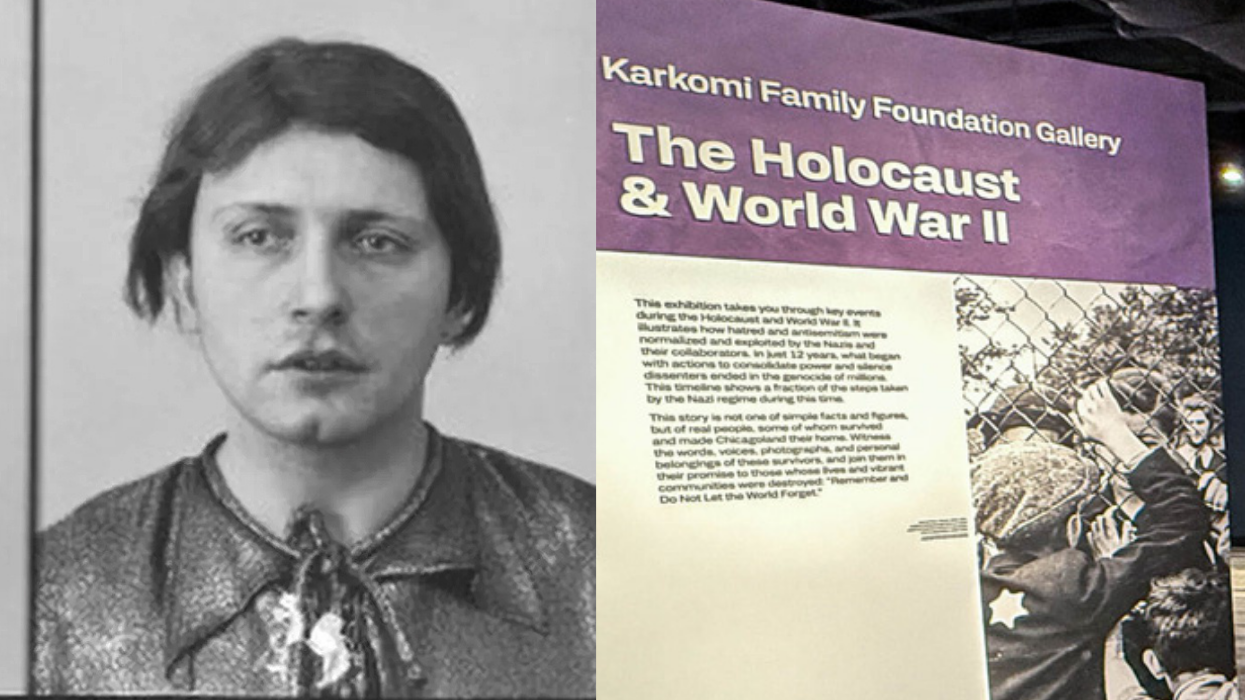
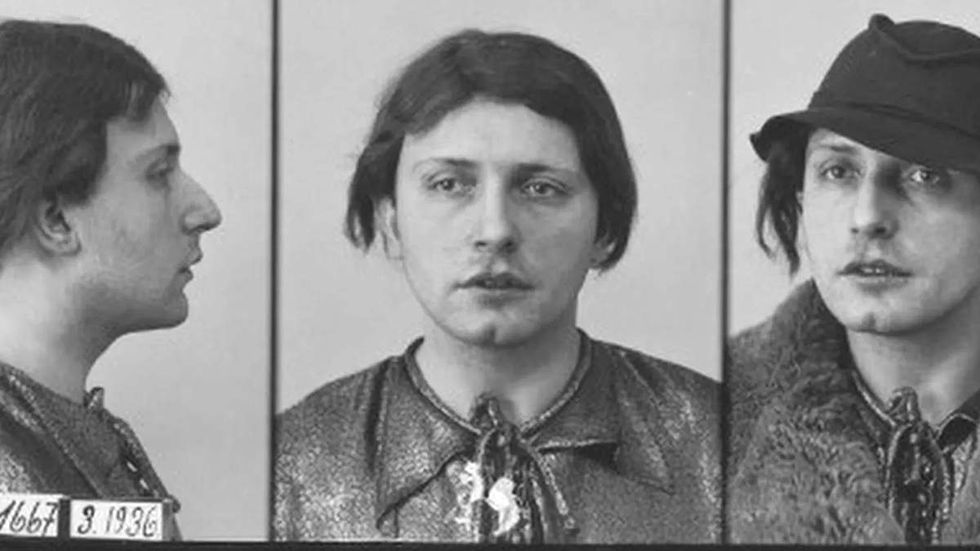
Fritz Kitzing
Landesarchiv Berlin via Pink Triangle Legacies Project
Perhaps at no time in recent memory is the importance of LGBTQ+ inclusion in museums and places of public memory more urgent. As censorship of content increases at museums and other nonprofit institutions across the United States, there is a deliberate attempt to erase LGBTQ+ representation. Alongside this public erasure, the rights that the LGBTQ+ community gained 10 years ago through marriage equality have also eroded amidst an alarming escalation of attacks against the transgender community.
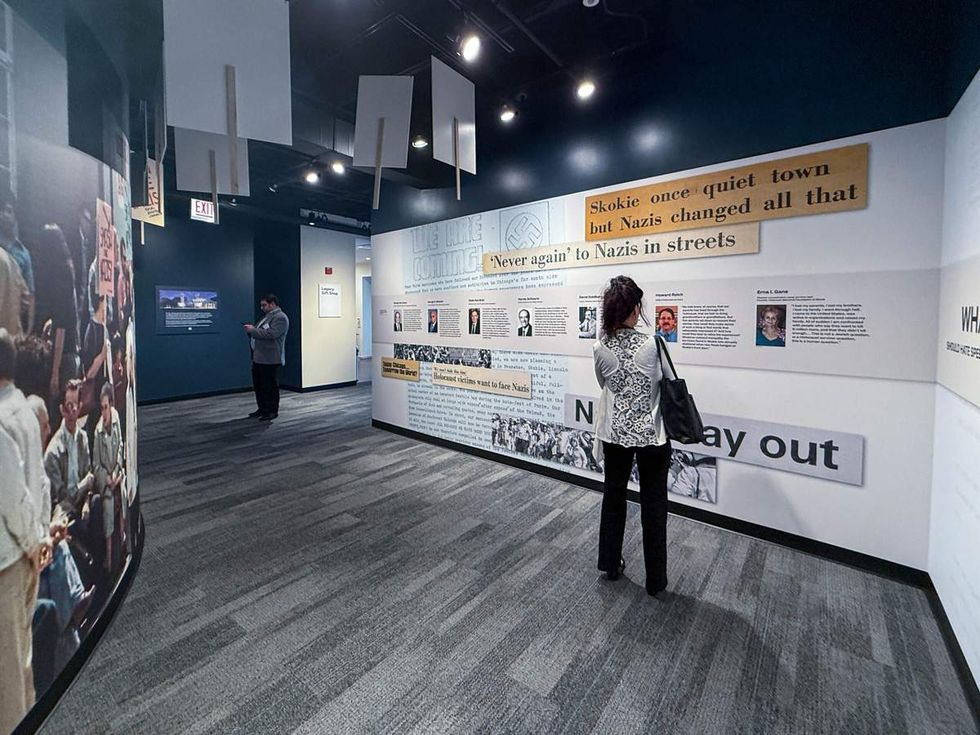
The Illinois Holocaust Museum has always believed in providing historical truth and content from marginalized voices. Within their collection is the story of Fritz Kitzing, a nonbinary German bookkeeper. Kitzing was born in Neuruppin, Germany, in 1905. They moved to Berlin around 20 years later in search of work as a bookkeeper. At the time, Berlin was the world's leading city for LGBTQ+ life. While still on the margins of society, LGBTQ+ people were able to live openly, socialize at queer clubs and salons, and publish and read queer publications.

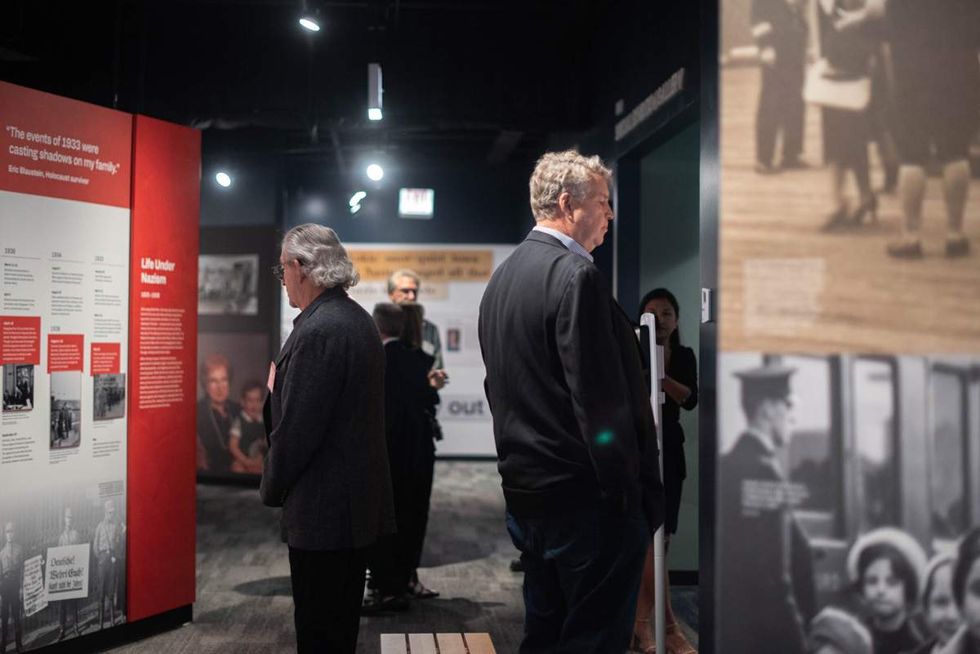
Exhibition at the Illinois Holocaust Museum
Illinois Holocaust Museum
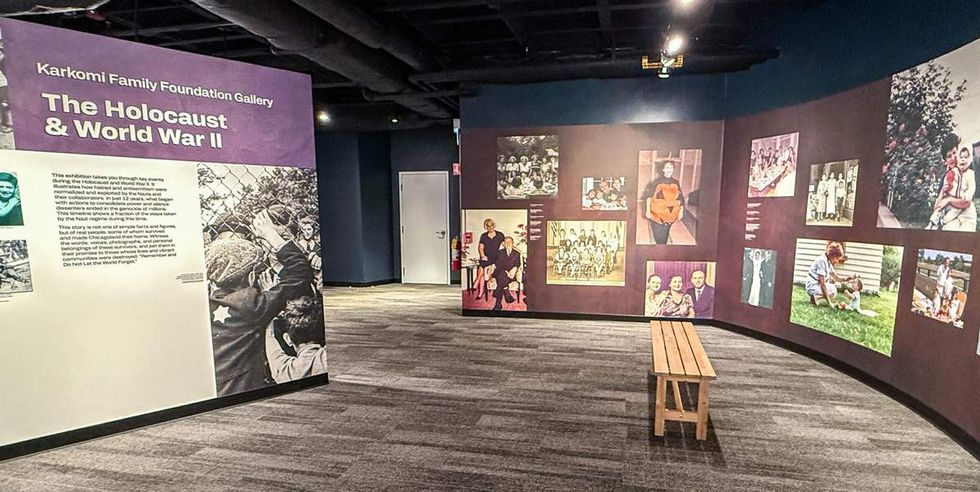
The Great Depression hit Germany hard, and when combined with the Treaty of Versailles's requirement to pay war reparations after World War I, life became even more difficult. The Nazi Party capitalized on Germany's economic struggles. It used it in their propaganda: Hitler alone could rescue Germany's economy and restore the country to its greatness. This perceived greatness was both external through its global standing and internal within its national community, which purposefully and violently excluded the LGBTQ+ community. Hitler became the chancellor in 1933, and Kitzing was arrested later that year while wearing women's clothing, charged under the law against homelessness and begging. What followed was a series of arrests and imprisonment in concentration camps. Kitzing miraculously survived the Nazi regime, though countless others did not.
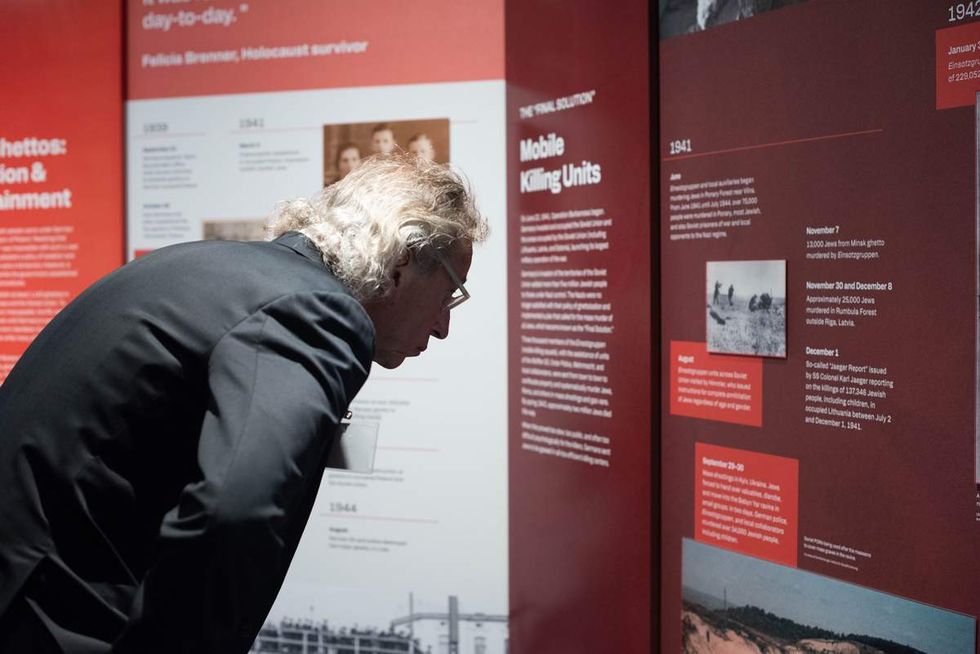
Exhibition at the Illinois Holocaust Museum
Illinois Holocaust Museum
LGBTQ+ history is not only about the significant accomplishments and contributions of LGBTQ+ people but also includes their presence in the darkest days of dictatorship, when the Nazi regime arrested, tortured, and murdered queer people simply because of their identities. But LGBTQ+ people are not merely victims of this history. They also actively, courageously, and persistently rose up and resisted Nazi tyranny, not only for themselves and their community, but for Jewish people and others targeted by Nazism.
LGBTQ+ inclusion in Holocaust museums is slowly starting to catch up to the emerging scholarship on the topic. However, the museums that do mention it still primarily focus on the cisgender gay men arrested under the German anti-sodomy law, Paragraph 175, and forced to wear the pink triangle to mark their homosexual identity in the concentration camp system. Lesbians, bisexuals, and transgender people, though part of that history, are often missing from dominant Holocaust narratives. This is a historical inaccuracy that must be corrected.
Exhibition at the Illinois Holocaust Museum
Illinois Holocaust Museum
LGBTQ+ people have been present throughout history, and no matter the attempts of erasure by those in power, they will always be present. Acknowledging their presence and contributions not only provides a more complete and truthful history but also allows LGBTQ+ people to see themselves represented in history. Just as importantly, the inclusion of LGBTQ+ history builds empathy while combating hatred and bigotry from those who already see themselves fully represented in narratives of the past.
Today's news cycle presents a sobering reminder that history never stays entirely in the past. Whether it be the shocking displays of antisemitism in the United States, the politicalization and manipulation of legitimate fears about antisemitism, or the overwhelming amount of legislation passed against transgender people, there is no shortage of this hatred. LGBTQ+ people are still victims of populist movements, authoritarian states, and those in positions of power who seek popularity and status from their persecution.

Exhibition at the Illinois Holocaust Museum
Illinois Holocaust Museum
The stories of the marginalized teach us about resilience and resistance, hope and love, and countless other concepts that can enrich our lives today. They can inspire us to take action and create change in our own lives and communities. Learning about those who suffered can, in turn, make us stronger. Conversely, learning how the silence or complicity of majority populations to the persecution, imprisonment, and murder of marginalized people can teach us about the dangers of ignoring hate.
We all must learn to embrace discomfort and engage with history, both our own and that of our ancestors, and the history of those we perceive as far different from ourselves. Uncensored education that looks critically at the past has always been and will always be the core part of the museum's mission and a necessary part of the answer to repairing the world.

Exhibition at the Illinois Holocaust Museum
Illinois Holocaust Museum
Leah Rauch (she/her) is the Director of Education at Illinois Holocaust Museum and Education Center, whose mission is to preserve the legacy of the Holocaust by honoring the memories of those who were lost and by teaching universal lessons that combat hatred, prejudice, and indifference.
Voices is dedicated to featuring a wide range of inspiring personal stories and impactful opinions from the LGBTQ+ community and its allies. Visit Advocate.com/submit to learn more about submission guidelines. We welcome your thoughts and feedback on any of our stories. Email us at voices@equalpride.com. Views expressed in Voices stories are those of the guest writers, columnists, and editors, and do not directly represent the views of The Advocate or our parent company, equalpride.








































Charlie Kirk DID say stoning gay people was the 'perfect law' — and these other heinous quotes