'%3E%3Cpath d='M16.3574 35.6519H12.9537L15.0491 18.8873L16.3574 35.6519ZM30.4229 54.0093L22.309 0.994385H7.91795L0 54.0093H10.6634L11.5802 46.3855H17.4014L17.9914 54.0093H30.4229Z' fill='%23971B20'/%3E%3Cpath d='M48.2073 41.8813C48.2073 43.4049 47.4892 44.0011 46.1144 44.0011H43.7595V11.0687H46.1144C47.4892 11.0687 48.2073 11.6636 48.2073 13.1885V41.8813ZM59.5273 43.6695V11.3326C59.5273 3.71323 53.5729 0.994385 47.8157 0.994385H31.7213V54.0093H47.8157C53.5729 54.0093 59.5273 51.29 59.5273 43.6695Z' fill='%23971B20'/%3E%3Cpath d='M90.183 0.994385H78.6039L75.0711 30.6157L71.9955 0.994385H59.4346L69.2474 54.0093H80.373L90.183 0.994385Z' fill='%23971B20'/%3E%3Cpath d='M107.063 42.3448C107.063 43.7359 105.951 44.5974 104.643 44.5974C103.269 44.5974 102.157 43.7359 102.157 42.3448V12.658C102.157 11.2676 103.269 10.4058 104.643 10.4058C105.951 10.4058 107.063 11.2676 107.063 12.658V42.3448ZM119.233 43.2723V11.7312C119.233 6.36384 112.952 -3.8147e-06 104.643 -3.8147e-06C96.2667 -3.8147e-06 89.9867 6.36384 89.9867 11.7312V43.2723C89.9867 48.6393 96.2667 55 104.643 55C112.952 55 119.233 48.6393 119.233 43.2723Z' fill='%23971B20'/%3E%3Cpath d='M150.976 43.9349V33.7309H139.069V42.3448C139.069 43.7359 137.957 44.5974 136.582 44.5974C135.076 44.5974 133.964 43.7359 133.964 42.3448V12.658C133.964 11.2676 135.076 10.4058 136.582 10.4058C137.957 10.4058 139.069 11.2676 139.069 12.658V21.2723H150.976V11.0687C150.976 5.70107 145.283 -3.8147e-06 136.582 -3.8147e-06C127.75 -3.8147e-06 121.796 5.70107 121.796 11.0687V43.9349C121.796 49.3022 127.75 55 136.582 55C145.283 55 150.976 49.3022 150.976 43.9349Z' fill='%23971B20'/%3E%3Cpath d='M167.478 35.6519H164.076L166.17 18.8873L167.478 35.6519ZM181.544 54.0093L173.432 0.994385H159.037L151.123 54.0093H161.785L162.704 46.3855H168.523L169.114 54.0093H181.544Z' fill='%23971B20'/%3E%3Cpath d='M205.412 10.4058V0.994385H177.081V10.4058H185.392V54.0093H197.428V10.4058H205.412Z' fill='%23971B20'/%3E%3Cpath d='M230.002 54.0093V43.9349H218.914V31.8746H226.635V21.8028H218.914V10.4058H230.002V0.994385H206.875V54.0093H230.002Z' fill='%23971B20'/%3E%3C/g%3E%3Cdefs%3E%3CclipPath id='clip0_260_7080'%3E%3Crect width='230' height='55' fill='white'/%3E%3C/clipPath%3E%3C/defs%3E%3C/svg%3E)
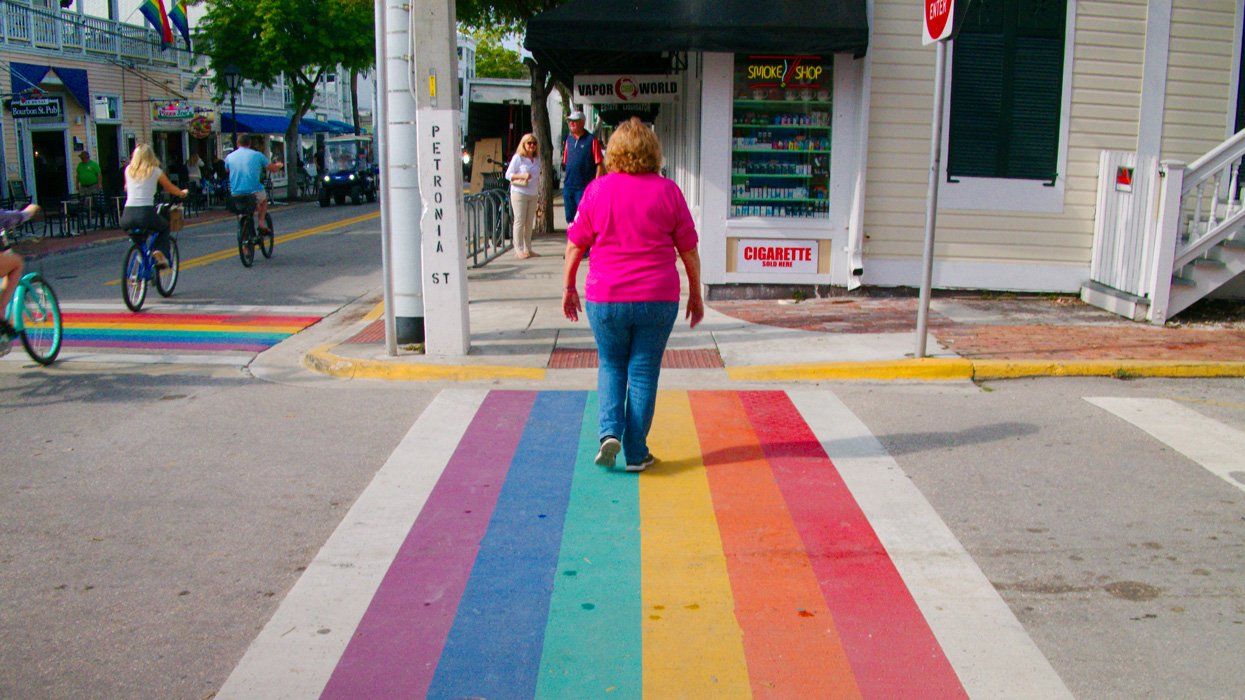

On any given day in Key West, you can walk across the intersection of Duval and Petronia and witness something more than a simple attraction that is our rainbow crosswalks. When tourists pose for photos on those colorful stripes, local kids hop from color to color, or couples like my husband and I cross hand-in-hand after dinner at our favorite restaurant, we're all participating in something larger than ourselves. We're walking through a commitment that this place values us.
The rainbow crosswalks have long been a marker of safety, celebration, and visibility for LGBTQ+ residents and visitors alike. To look at them is to see more than paint on the pavement—you see a declaration. It says, without words: you belong here.
Now, that statement is under attack.
They tell us this fight is about safety, rainbow-painted crosswalks are too distracting for drivers, and that roads are for traffic rather than 'political messages.' But let's be honest: this is about visibility, theirs, not ours. What many think is a local skirmish with Florida's politics is actually part of something much bigger.
The U.S. Department of Transportation recently issued a memo to all 50 states calling for uniform traffic devices. The language is bureaucratic, but the subtext is chilling. Though rainbow crosswalks were not explicitly named, Transportation Secretary Sean Duffy made the real target clear in a social media post: "Taxpayers expect their dollars to fund safe streets, not rainbow crosswalks." He went on to call visible queer affirmations like these "political banners" rather than public art, stating that, "Roads are for safety, not political messages or artwork."
The timing is no coincidence. This federal directive comes as rainbow crosswalks have proliferated across the country, from small towns in Iowa to major cities like Seattle and Philadelphia. Each one represents a local community's decision to welcome LGBTQ+ residents and visitors.
Each one now sits in the crosshairs of federal oversight.
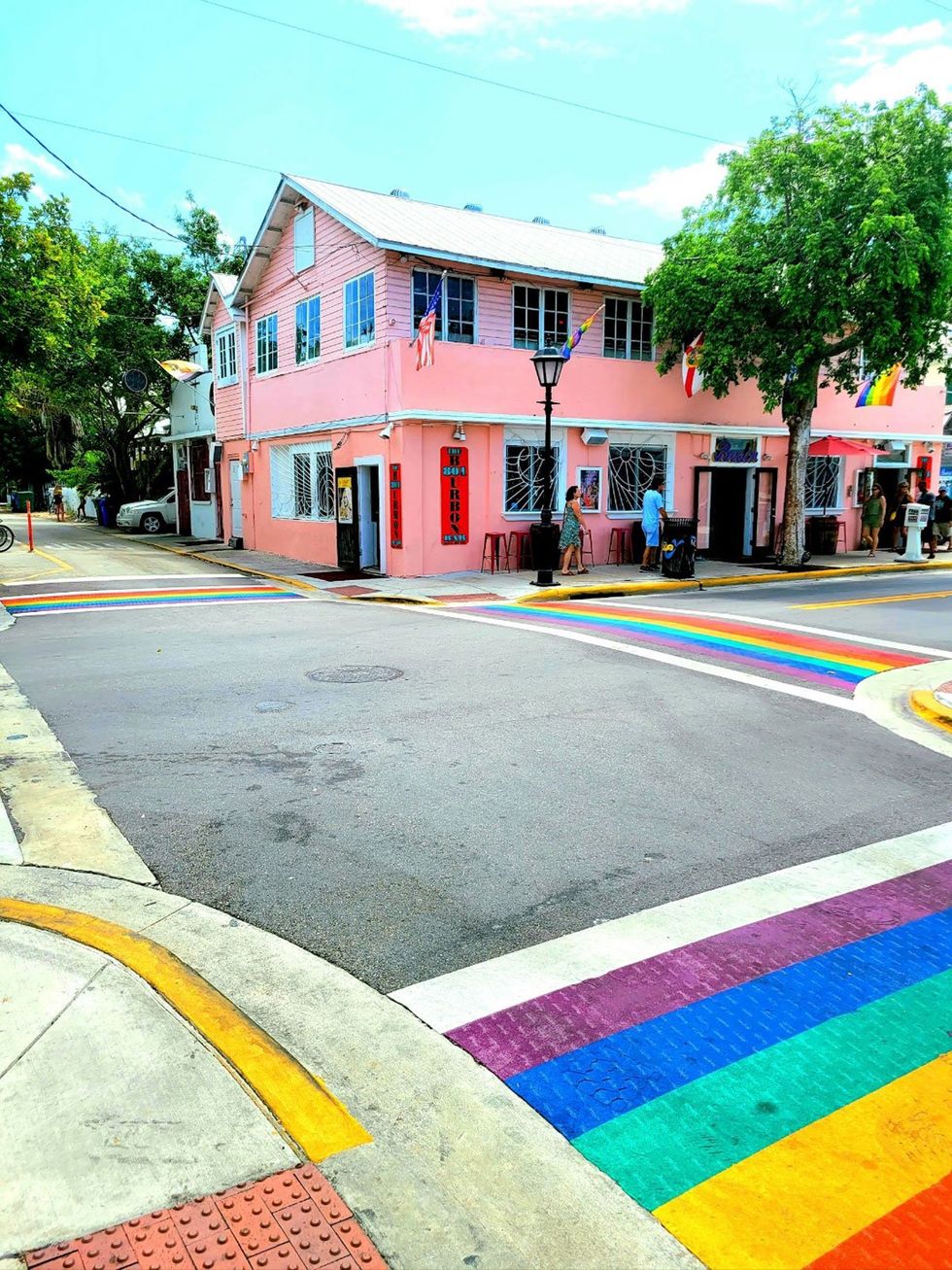 A rainbow crosswalk in Key West, Florida.courtesy Henry Kurkowski
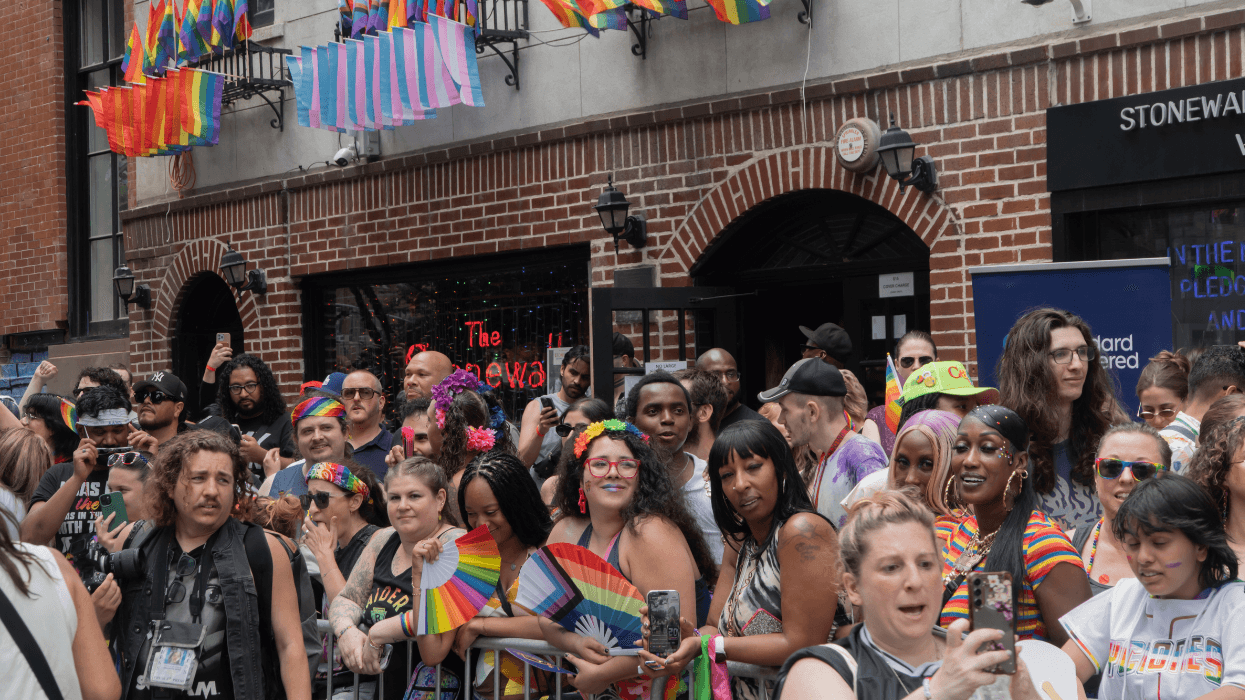
And this erasure isn't just happening here in Key West. The National Park Service quietly scrubbed the words "transgender" and "queer" from the website for the Stonewall National Monument, the birthplace of modern LGBTQ+ rights. When even our own history can be erased from federal sites, is it any wonder they're trying to erase how we walk through the present?
Rainbow crosswalks are not just colorful paint. They are symbols of safety for a community that has long been targeted on the streets. They tell young and older queer people walking downtown that this city sees them, welcomes them, and values them. They remind us—and everyone else—that we belong here, just like anyone else. When the federal government tries to strip that away, it's not a traffic issue. It's an identity issue.
This isn't just about paint. It's about power and presence. We've seen this playbook before. From drag bans to book bans, we are living through an era where LGBTQ+ visibility is framed as a threat. Our stories are being pulled from classrooms, our art is being censored, and now, they want to dictate how even our footsteps are allowed to move through public space. Each of these moves is about more than control—it's about disappearance.
The federal government's approach reveals a fundamental misunderstanding of what these crosswalks represent. They're not political advertisements or propaganda. They're infrastructure of belonging, and as essential to an inclusive community as accessible ramps or multilingual signage. When a transgender teenager visiting Key West with their family sees those rainbow stripes, they're not looking at politics. They're seeing proof that they can walk safely in this place.
When governments tell us our rainbows are distractions or our art is political graffiti, they're really saying our very existence in public is up for debate. Each time they chip away at public expressions of queer life, they're sending a message: you can exist, but quietly.
Privately. Invisibly.
As someone who splits time between Indianapolis and Key West with my husband, I know how rare it is to find places where you can truly live openly. Key West has always been that sanctuary; one of the few places where we could live loud, walk proud, and know we were safe. These rainbow crosswalks are part of that sanctuary. They say to every visitor and every local: You can be yourself here. That is not a political message. That is a promise of safety, belonging, and pride.
A promise the federal government should be defending, not dismantling.
The attempt to strip away these crosswalks is a warning to all of us: visibility isn't guaranteed, even in the most accepting corners of the country. And it's working. Cities across America are already reconsidering their rainbow crosswalks, afraid of losing federal funding. The chilling effect extends far beyond Key West. Supporters of these restrictions will say, "It's just a crosswalk." But it's never just a crosswalk. The same way it's never just a book, or just a drag show, or just a monument.
So no, this isn't about traffic safety. It's about whose stories get to be seen in public. It's about whether queer people are allowed to leave footprints in color or be forced to fade into black and white. We know what's at stake. We've fought this fight before.
We can't afford to treat this as just another policy dispute. Every time authorities try to make us invisible, it's one step closer to erasing us. And no matter how many crosswalks they try to erase, they will not make us disappear.
Henry Kurkowski is a writer, author, and arts advocate who splits his time between Indianapolis and Key West.
Voices is dedicated to featuring a wide range of inspiring personal stories and impactful opinions from the LGBTQ+ community and its allies. Visit Advocate.com/submit to learn more about submission guidelines. Views expressed in Voices stories are those of the guest writers, columnists, and editors, and do not directly represent the views of The Advocate or our parent company, equalpride.