'%3E%3Cpath d='M16.3574 35.6519H12.9537L15.0491 18.8873L16.3574 35.6519ZM30.4229 54.0093L22.309 0.994385H7.91795L0 54.0093H10.6634L11.5802 46.3855H17.4014L17.9914 54.0093H30.4229Z' fill='%23971B20'/%3E%3Cpath d='M48.2073 41.8813C48.2073 43.4049 47.4892 44.0011 46.1144 44.0011H43.7595V11.0687H46.1144C47.4892 11.0687 48.2073 11.6636 48.2073 13.1885V41.8813ZM59.5273 43.6695V11.3326C59.5273 3.71323 53.5729 0.994385 47.8157 0.994385H31.7213V54.0093H47.8157C53.5729 54.0093 59.5273 51.29 59.5273 43.6695Z' fill='%23971B20'/%3E%3Cpath d='M90.183 0.994385H78.6039L75.0711 30.6157L71.9955 0.994385H59.4346L69.2474 54.0093H80.373L90.183 0.994385Z' fill='%23971B20'/%3E%3Cpath d='M107.063 42.3448C107.063 43.7359 105.951 44.5974 104.643 44.5974C103.269 44.5974 102.157 43.7359 102.157 42.3448V12.658C102.157 11.2676 103.269 10.4058 104.643 10.4058C105.951 10.4058 107.063 11.2676 107.063 12.658V42.3448ZM119.233 43.2723V11.7312C119.233 6.36384 112.952 -3.8147e-06 104.643 -3.8147e-06C96.2667 -3.8147e-06 89.9867 6.36384 89.9867 11.7312V43.2723C89.9867 48.6393 96.2667 55 104.643 55C112.952 55 119.233 48.6393 119.233 43.2723Z' fill='%23971B20'/%3E%3Cpath d='M150.976 43.9349V33.7309H139.069V42.3448C139.069 43.7359 137.957 44.5974 136.582 44.5974C135.076 44.5974 133.964 43.7359 133.964 42.3448V12.658C133.964 11.2676 135.076 10.4058 136.582 10.4058C137.957 10.4058 139.069 11.2676 139.069 12.658V21.2723H150.976V11.0687C150.976 5.70107 145.283 -3.8147e-06 136.582 -3.8147e-06C127.75 -3.8147e-06 121.796 5.70107 121.796 11.0687V43.9349C121.796 49.3022 127.75 55 136.582 55C145.283 55 150.976 49.3022 150.976 43.9349Z' fill='%23971B20'/%3E%3Cpath d='M167.478 35.6519H164.076L166.17 18.8873L167.478 35.6519ZM181.544 54.0093L173.432 0.994385H159.037L151.123 54.0093H161.785L162.704 46.3855H168.523L169.114 54.0093H181.544Z' fill='%23971B20'/%3E%3Cpath d='M205.412 10.4058V0.994385H177.081V10.4058H185.392V54.0093H197.428V10.4058H205.412Z' fill='%23971B20'/%3E%3Cpath d='M230.002 54.0093V43.9349H218.914V31.8746H226.635V21.8028H218.914V10.4058H230.002V0.994385H206.875V54.0093H230.002Z' fill='%23971B20'/%3E%3C/g%3E%3Cdefs%3E%3CclipPath id='clip0_260_7080'%3E%3Crect width='230' height='55' fill='white'/%3E%3C/clipPath%3E%3C/defs%3E%3C/svg%3E)
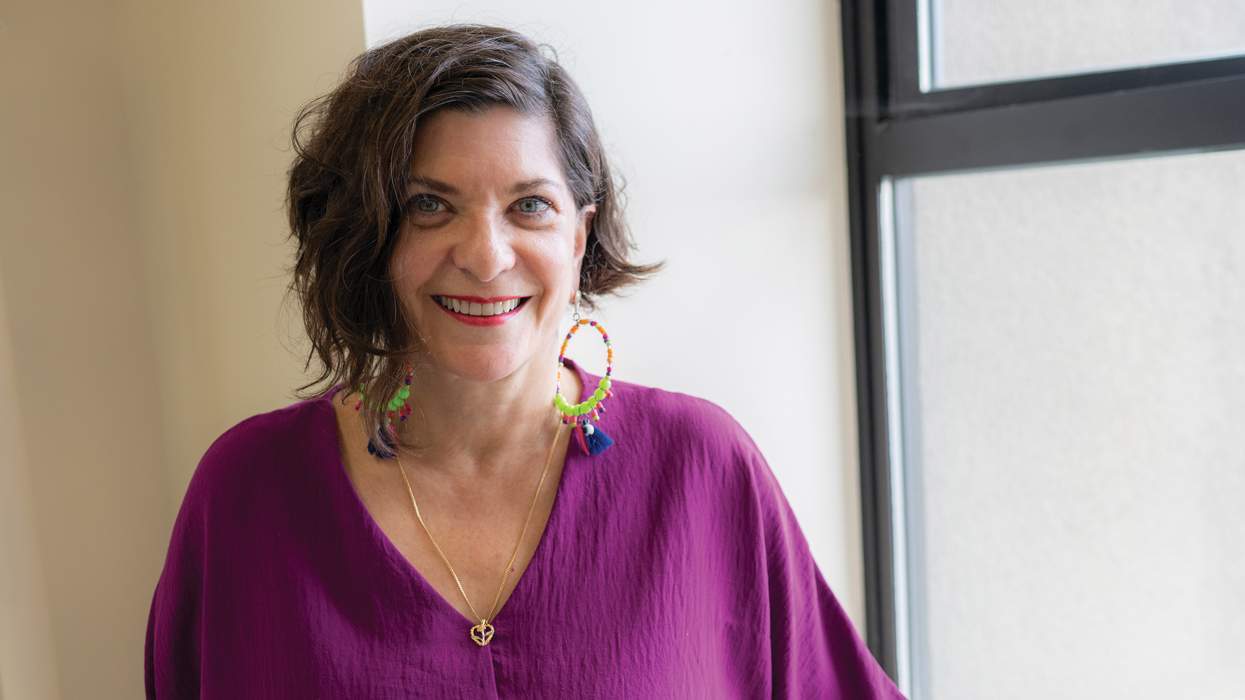
During a time when LGBTQ+ history is under attack in classrooms and libraries — through “don’t say gay” bills, book bans, and the erasure of references to trans people on national monuments — University of California, Berkeley, professor Juana María Rodríguez’s 10-year project that adds LGBTQ+ history to Wikipedia is more important than ever.
In a partnership with Wiki Education, Rodríguez has students in several of her classes create entries on queer events and people, with a focus on Latine women. Right now, fewer than 20 percent of Wikipedia biographies are of women, despite Wikipedia being the largest digital encyclopedia ever created, she says.
Her students have made an impact. They have added more than 300,000 words and 3,500 references, edited 588 articles, and written 63 articles, Rodríguez says, noting that the project has garnered 96 million views.
These additions are also important because AI technologies learn and extract information from sites like Wikipedia. It is important to include fact-checked information from excluded communities, so that, in turn, these sites can train AI models as accurately as possible on excluded and marginalized communities.
“Right now, so much of the information generated by AI is sourced from Wikipedia and therefore includes the biases that already exist — biases that overlook the contributions of women, people of color, sexual minorities, and other marginalized groups,” Rodríguez says. “Therefore, in a small way, Wikipedia pages that specifically highlight the histories and contributions of queer and trans people of color help counteract that bias, while also frequently highlighting the research of scholars of color and others who study these topics.”
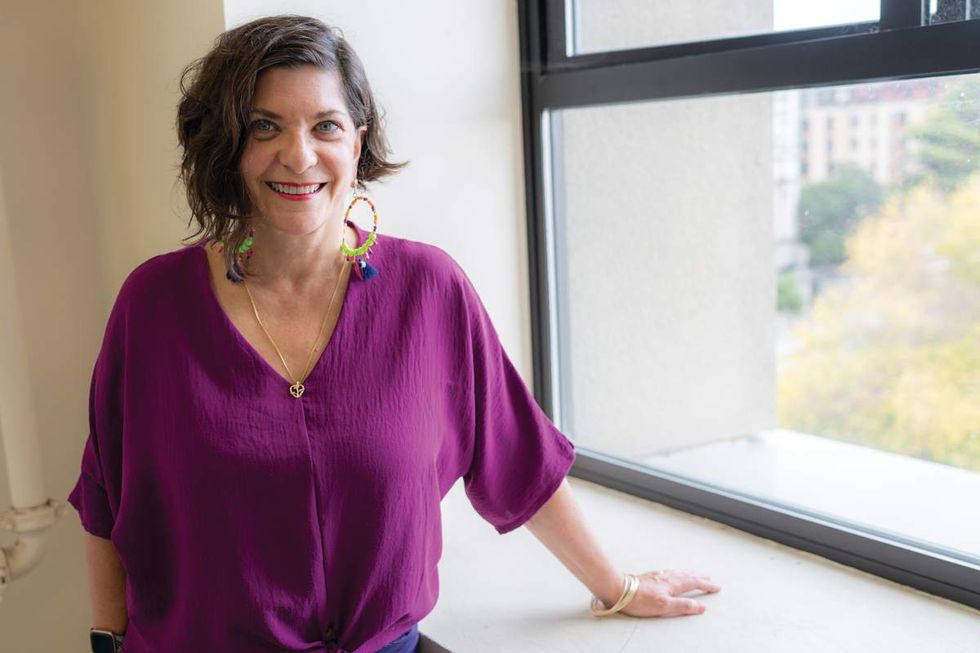 Professor Juana Maria Rodríguez in her classroomBrandon Sánchez Mejia
Rodríguez tells her students they are laying the groundwork for others to learn from and then add to. Examples of those entries range from California trans activist Adela Vazquez to closed queer bars like Esta Noche, the first San Francisco Latine gay bar. For the entries, students need to provide solid sources and evidence to support the subject.
“You have to actually bring the receipts,” Rodríguez says. “All of these assignments are organized around an annotated bibliography where students have to find high-quality, reliable sources.”
Rodríguez’s students become experts on “little areas of influence,” and in becoming experts in these smaller areas, it “demystifies the research process,” she says.
“Truth is sort of this slippery concept, but research isn’t,” she adds. As a researcher, she understands the power of facts and accurate information. “Wikipedia is, by definition, a neutral source. But it is a resource that is based on reputable new sources, and these aren’t opinions or hot takes; this is research that has been done.”
Rodríguez says she’s been targeted by conservative media and students, who she says are threatened because of the work her students do. Why?
“Published research becomes another way to reveal the lies that are being told,” she explains, “not just about queer people, but all people who are currently under attack.”
This article was written as part of the Future of Queer Media fellowship program at The Advocate, which is underwritten by a generous gift from Morrison Media Group. The program helps support the next generation of LGBTQ+ journalists.
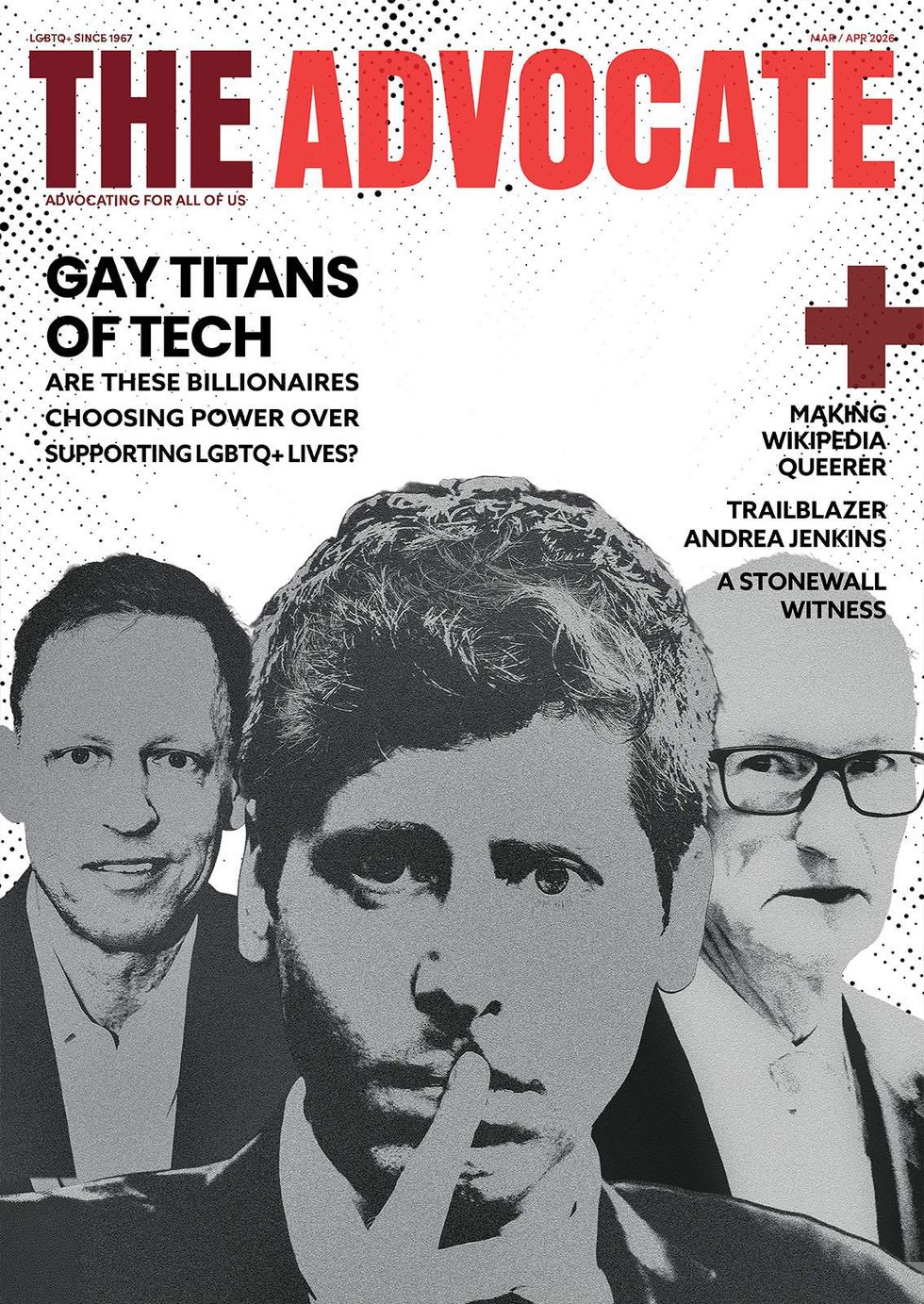
This article is part of The Advocate’s Mar-Apr 2026 print issue, which hits newsstands March 24. Support queer media and subscribe — or download the issue through Apple News+, Zinio, Nook, or PressReader.