'%3E%3Cpath d='M16.3574 35.6519H12.9537L15.0491 18.8873L16.3574 35.6519ZM30.4229 54.0093L22.309 0.994385H7.91795L0 54.0093H10.6634L11.5802 46.3855H17.4014L17.9914 54.0093H30.4229Z' fill='%23971B20'/%3E%3Cpath d='M48.2073 41.8813C48.2073 43.4049 47.4892 44.0011 46.1144 44.0011H43.7595V11.0687H46.1144C47.4892 11.0687 48.2073 11.6636 48.2073 13.1885V41.8813ZM59.5273 43.6695V11.3326C59.5273 3.71323 53.5729 0.994385 47.8157 0.994385H31.7213V54.0093H47.8157C53.5729 54.0093 59.5273 51.29 59.5273 43.6695Z' fill='%23971B20'/%3E%3Cpath d='M90.183 0.994385H78.6039L75.0711 30.6157L71.9955 0.994385H59.4346L69.2474 54.0093H80.373L90.183 0.994385Z' fill='%23971B20'/%3E%3Cpath d='M107.063 42.3448C107.063 43.7359 105.951 44.5974 104.643 44.5974C103.269 44.5974 102.157 43.7359 102.157 42.3448V12.658C102.157 11.2676 103.269 10.4058 104.643 10.4058C105.951 10.4058 107.063 11.2676 107.063 12.658V42.3448ZM119.233 43.2723V11.7312C119.233 6.36384 112.952 -3.8147e-06 104.643 -3.8147e-06C96.2667 -3.8147e-06 89.9867 6.36384 89.9867 11.7312V43.2723C89.9867 48.6393 96.2667 55 104.643 55C112.952 55 119.233 48.6393 119.233 43.2723Z' fill='%23971B20'/%3E%3Cpath d='M150.976 43.9349V33.7309H139.069V42.3448C139.069 43.7359 137.957 44.5974 136.582 44.5974C135.076 44.5974 133.964 43.7359 133.964 42.3448V12.658C133.964 11.2676 135.076 10.4058 136.582 10.4058C137.957 10.4058 139.069 11.2676 139.069 12.658V21.2723H150.976V11.0687C150.976 5.70107 145.283 -3.8147e-06 136.582 -3.8147e-06C127.75 -3.8147e-06 121.796 5.70107 121.796 11.0687V43.9349C121.796 49.3022 127.75 55 136.582 55C145.283 55 150.976 49.3022 150.976 43.9349Z' fill='%23971B20'/%3E%3Cpath d='M167.478 35.6519H164.076L166.17 18.8873L167.478 35.6519ZM181.544 54.0093L173.432 0.994385H159.037L151.123 54.0093H161.785L162.704 46.3855H168.523L169.114 54.0093H181.544Z' fill='%23971B20'/%3E%3Cpath d='M205.412 10.4058V0.994385H177.081V10.4058H185.392V54.0093H197.428V10.4058H205.412Z' fill='%23971B20'/%3E%3Cpath d='M230.002 54.0093V43.9349H218.914V31.8746H226.635V21.8028H218.914V10.4058H230.002V0.994385H206.875V54.0093H230.002Z' fill='%23971B20'/%3E%3C/g%3E%3Cdefs%3E%3CclipPath id='clip0_260_7080'%3E%3Crect width='230' height='55' fill='white'/%3E%3C/clipPath%3E%3C/defs%3E%3C/svg%3E)
For transgender students, a hostile school policy does not remain confined to a rulebook. It can determine which bathroom they use, whether teachers call them by the correct name, and, increasingly, whether they attend school at all.
A new report from Glisten and The Trevor Project finds that 56 percent of transgender, nonbinary, and gender-expansive students surveyed attended schools with at least one discriminatory policy. Nearly one-third had recently missed school because they feared for their safety.
The report draws from two national surveys involving 5,673 students. In The Trevor Project’s sample, 41 percent said they were prohibited from using a bathroom aligned with their gender, 38 percent faced locker room restrictions, and 33 percent could not participate on the appropriate sports team. More than a quarter were prevented from using their chosen name or pronouns.
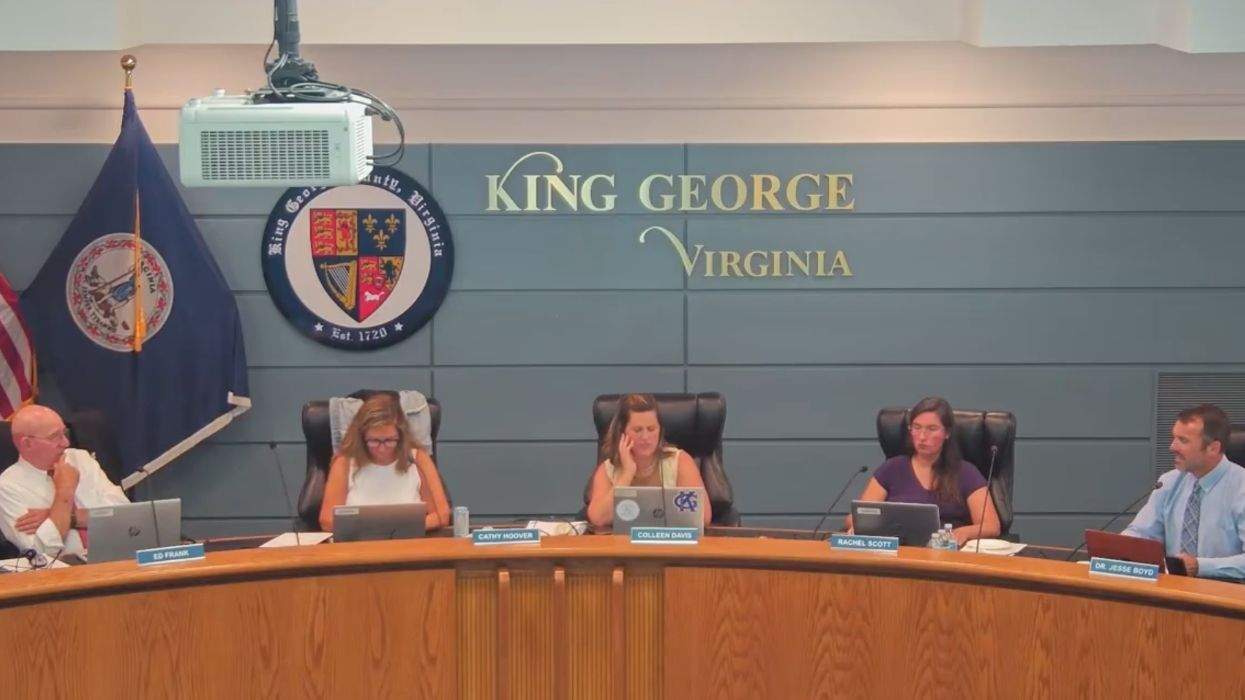
Related: A Virginia school board bent over backward to block an LGBTQ+ club. One mom explains why she’s suing
Sixty-one percent reported a negative experience at school, most commonly anti-LGBTQ+ verbal harassment. Nine percent said mistreatment became so severe that they left their school.
That harm showed up in attendance records. One-quarter missed at least 16 days during the school year, the threshold the report used for chronic absenteeism. Put plainly, students in discriminatory environments were more likely to miss substantial amounts of class.
Glisten’s survey found that 32 percent had missed school during the previous month because they felt unsafe. The problem was especially acute for students of color: 80 percent reported harassment or assault connected to their race, ethnicity, sexual orientation, gender identity, or expression.
“Schools continue to be hostile sites for LGBTQ+ students, and in particular for trans, gender expansive, and BIPOC students,” Glisten researchers Yu-Chi Wang and Shweta Moorthy said. By conducting focus groups, they said, researchers sought the “context and emotion” behind the statistics.
The report also offers a striking counterpoint. Although 97 percent of students had at least one supportive educator, only 30 percent encountered a positive depiction of LGBTQ+ people or issues in class. Students with more supportive educators, more inclusive lessons, and stronger connections to LGBTQ+ peers reported a greater sense of belonging and higher estimated GPAs. The findings show an association, not proof that support alone caused better grades.
Related: LGBTQ+ youth are building their own support systems — because schools won’t
The solutions are not mysterious or expensive. Teachers can stop anti-LGBTQ+ harassment, respect students’ names and pronouns, include LGBTQ+ people in lessons, and support Gender and Sexuality Alliances — student clubs that provide LGBTQ+ young people with a sense of community.
“This new research shows us that school environments can play a powerful role in determining whether transgender and nonbinary students thrive or struggle at school,” said Derrick Matthews, The Trevor Project’s director of research science.
“Taking small but meaningful actions to support them at school can make a world of difference,” Matthews added.