'%3E%3Cpath d='M16.3574 35.6519H12.9537L15.0491 18.8873L16.3574 35.6519ZM30.4229 54.0093L22.309 0.994385H7.91795L0 54.0093H10.6634L11.5802 46.3855H17.4014L17.9914 54.0093H30.4229Z' fill='%23971B20'/%3E%3Cpath d='M48.2073 41.8813C48.2073 43.4049 47.4892 44.0011 46.1144 44.0011H43.7595V11.0687H46.1144C47.4892 11.0687 48.2073 11.6636 48.2073 13.1885V41.8813ZM59.5273 43.6695V11.3326C59.5273 3.71323 53.5729 0.994385 47.8157 0.994385H31.7213V54.0093H47.8157C53.5729 54.0093 59.5273 51.29 59.5273 43.6695Z' fill='%23971B20'/%3E%3Cpath d='M90.183 0.994385H78.6039L75.0711 30.6157L71.9955 0.994385H59.4346L69.2474 54.0093H80.373L90.183 0.994385Z' fill='%23971B20'/%3E%3Cpath d='M107.063 42.3448C107.063 43.7359 105.951 44.5974 104.643 44.5974C103.269 44.5974 102.157 43.7359 102.157 42.3448V12.658C102.157 11.2676 103.269 10.4058 104.643 10.4058C105.951 10.4058 107.063 11.2676 107.063 12.658V42.3448ZM119.233 43.2723V11.7312C119.233 6.36384 112.952 -3.8147e-06 104.643 -3.8147e-06C96.2667 -3.8147e-06 89.9867 6.36384 89.9867 11.7312V43.2723C89.9867 48.6393 96.2667 55 104.643 55C112.952 55 119.233 48.6393 119.233 43.2723Z' fill='%23971B20'/%3E%3Cpath d='M150.976 43.9349V33.7309H139.069V42.3448C139.069 43.7359 137.957 44.5974 136.582 44.5974C135.076 44.5974 133.964 43.7359 133.964 42.3448V12.658C133.964 11.2676 135.076 10.4058 136.582 10.4058C137.957 10.4058 139.069 11.2676 139.069 12.658V21.2723H150.976V11.0687C150.976 5.70107 145.283 -3.8147e-06 136.582 -3.8147e-06C127.75 -3.8147e-06 121.796 5.70107 121.796 11.0687V43.9349C121.796 49.3022 127.75 55 136.582 55C145.283 55 150.976 49.3022 150.976 43.9349Z' fill='%23971B20'/%3E%3Cpath d='M167.478 35.6519H164.076L166.17 18.8873L167.478 35.6519ZM181.544 54.0093L173.432 0.994385H159.037L151.123 54.0093H161.785L162.704 46.3855H168.523L169.114 54.0093H181.544Z' fill='%23971B20'/%3E%3Cpath d='M205.412 10.4058V0.994385H177.081V10.4058H185.392V54.0093H197.428V10.4058H205.412Z' fill='%23971B20'/%3E%3Cpath d='M230.002 54.0093V43.9349H218.914V31.8746H226.635V21.8028H218.914V10.4058H230.002V0.994385H206.875V54.0093H230.002Z' fill='%23971B20'/%3E%3C/g%3E%3Cdefs%3E%3CclipPath id='clip0_260_7080'%3E%3Crect width='230' height='55' fill='white'/%3E%3C/clipPath%3E%3C/defs%3E%3C/svg%3E)
A new national survey of LGBTQ+ students finds most feel unsafe at school, with advocates warning that a mix of political pressure, inconsistent policies, and inaction by adults is reshaping classrooms across the country.
Keep up with the latest in LGBTQ+ news and politics. Sign up for The Advocate's email newsletter.
The findings, released Tuesday and previewed last week at the National Education Association headquarters in Washington, D.C., come from the newly rebranded GLSEN, now known as Glisten, and its 2025 National School Climate Survey.
Based on responses from 2,800 students, the report shows that nearly two-thirds of LGBTQ+ youth feel unsafe at school because of their sexual orientation or gender identity. Only one in three said they regularly look forward to going to school. The survey also found that 86 percent of transgender and gender-expansive students avoided certain spaces at school, and 62 percent experienced harassment or assault tied to their sexual orientation.
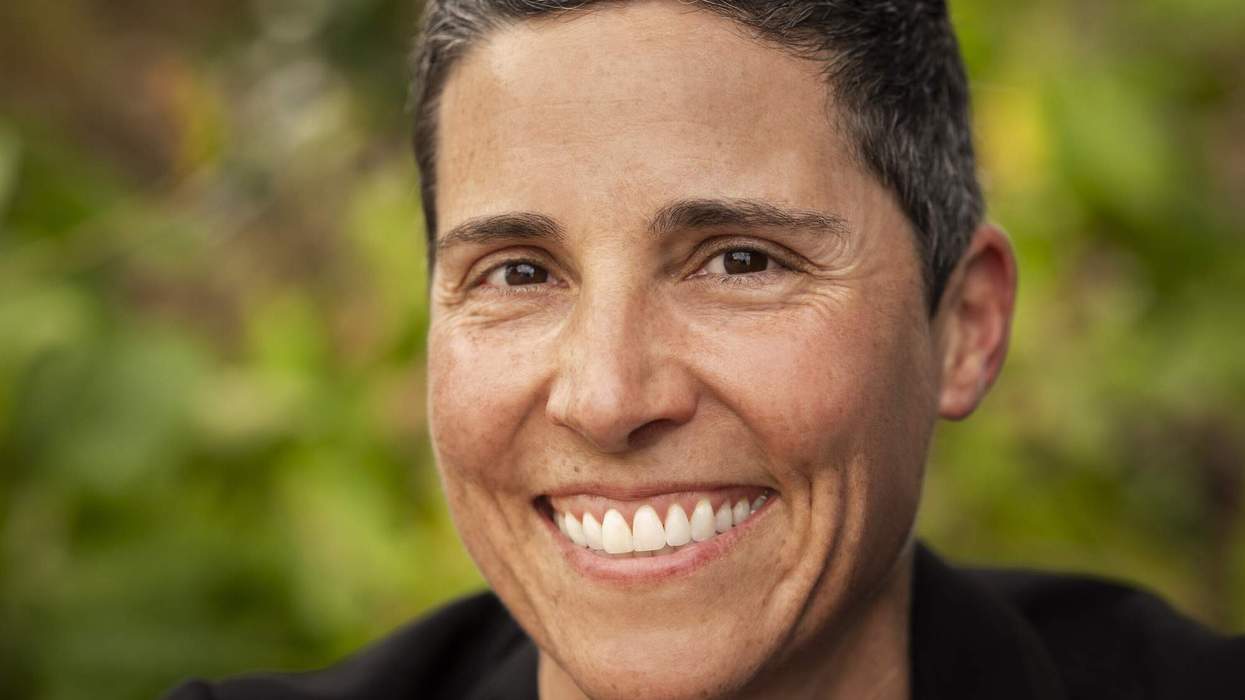
“You can judge the moral character of a country by how they treat their young people,” CEO Melanie Willingham-Jaggers said in an interview with The Advocate. They said students are increasingly being targeted in political debates while schools struggle to respond.
Related: LGBTQ+ Gen Z youth don't feel safe at school: 'A place of dread rather than a place of learning'
Related: Report: Most LGBTQ+ Students Verbally Harassed in School
Advocates say the climate is shaped not only by harassment but by what they describe as a lack of response. Willingham-Jaggers pointed to what they call “negative neutrality,” where schools avoid addressing LGBTQ+ issues even when policies exist. “There’s a deafening silence,” they said, describing environments where students see rules on paper but little enforcement in practice.
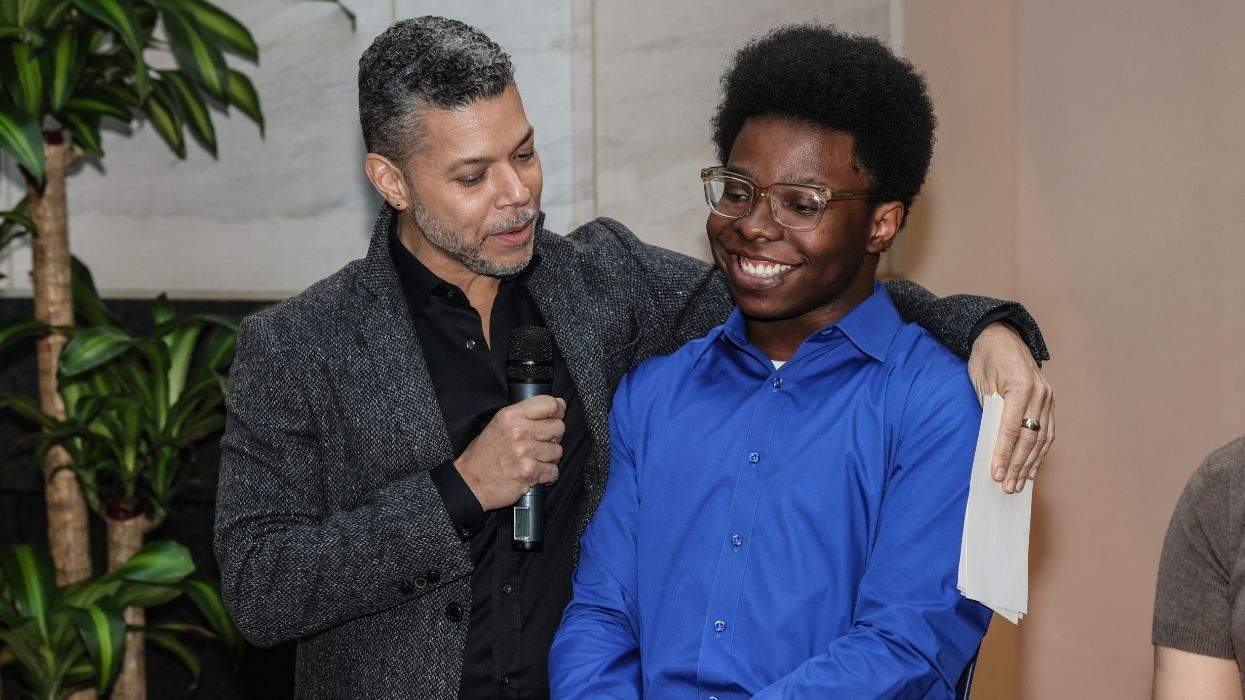
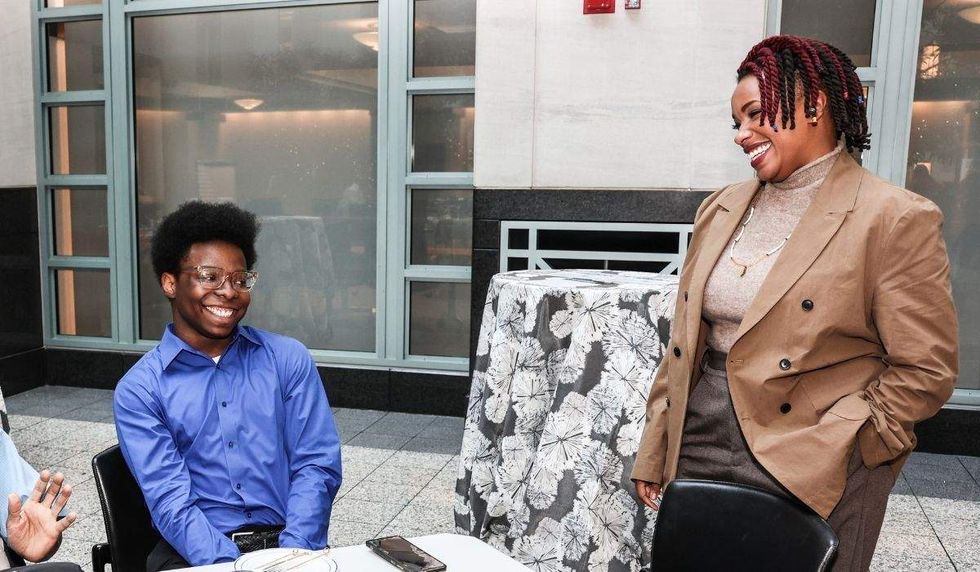 Virginia high school student Christopher Grady talks with Glisten CEO Melanie Willingham-Jaggers.Courtesy of Glisten
The survey found that more than half of LGBTQ+ students reported discrimination at school, including being prevented from using facilities that align with their gender identity, while the majority experienced harassment tied to their identity. Nearly half of LGBTQ+ students of color also reported harassment based on race or ethnicity.
Students and educators who spoke at the event said that those experiences often vary by identity.
During a panel moderated by actor and Glisten board chair Wilson Cruz, a Virginia high school student described being targeted for being both Black and gay, including threats and pressure to conform to gender norms. “You are both Black and gay,” he recalled being told.
Related: Nearly All LGBTQ+ Youth Exposed to Online Bullying: HRC Report
His experience, he said, reflects how conversations about LGBTQ+ youth often overlook students with intersecting identities. The report also found that many students are creating their own support systems. “What we are finding is that young people are coming together to find solutions,” Willingham-Jaggers said, adding that students often feel they cannot rely on adults to intervene.
Speakers at the event said those informal networks can help students navigate difficult environments, but they also point to gaps in institutional support. A parent on the panel described her child forming a close friendship with a nonbinary student who helped him participate in school activities, including a skating event where the student pushed his wheelchair and later helped him skate for the first time.
That same student later left the school after experiencing severe bullying, she said. “I watched the joy of connection expanding the world,” the parent said. “And this amazing young person had their world shrink.”
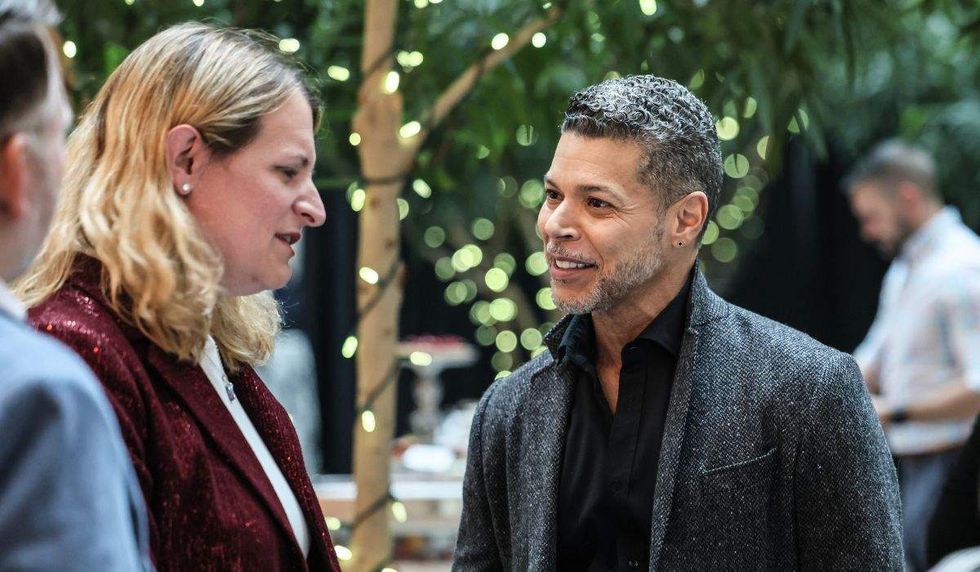 Retired Space Force Colonel and Virginia congressional candidate Bree Fram speaks with actor and Glisten board chair Wilson Cruz.Courtesy of Glisten
Educators at the event said uncertainty about how to address LGBTQ+ issues often leads to inaction. One educator said teachers may avoid speaking up for fear of making mistakes, but that silence can do its own harm.
“Oftentimes, saying nothing can be just as harmful, if not more harmful,” the educator said, urging teachers to take small steps such as correcting misgendering or setting clear expectations for respectful behavior.
Princess R. Moss, vice president of the NEA, said creating inclusive environments is essential to learning. “When students feel seen and safe, they learn,” Moss said.
The report found that students in schools with supportive educators, inclusive policies, and LGBTQ+ student groups report higher grade point averages and are less likely to miss school because they feel unsafe.
Advocates said the findings reflect a broader national climate, as debates over LGBTQ+ rights, particularly those affecting transgender youth, continue to play out in schools.
“Our children are being groomed to hate themselves and each other,” Willingham-Jaggers said.