'%3E%3Cpath d='M16.3574 35.6519H12.9537L15.0491 18.8873L16.3574 35.6519ZM30.4229 54.0093L22.309 0.994385H7.91795L0 54.0093H10.6634L11.5802 46.3855H17.4014L17.9914 54.0093H30.4229Z' fill='%23971B20'/%3E%3Cpath d='M48.2073 41.8813C48.2073 43.4049 47.4892 44.0011 46.1144 44.0011H43.7595V11.0687H46.1144C47.4892 11.0687 48.2073 11.6636 48.2073 13.1885V41.8813ZM59.5273 43.6695V11.3326C59.5273 3.71323 53.5729 0.994385 47.8157 0.994385H31.7213V54.0093H47.8157C53.5729 54.0093 59.5273 51.29 59.5273 43.6695Z' fill='%23971B20'/%3E%3Cpath d='M90.183 0.994385H78.6039L75.0711 30.6157L71.9955 0.994385H59.4346L69.2474 54.0093H80.373L90.183 0.994385Z' fill='%23971B20'/%3E%3Cpath d='M107.063 42.3448C107.063 43.7359 105.951 44.5974 104.643 44.5974C103.269 44.5974 102.157 43.7359 102.157 42.3448V12.658C102.157 11.2676 103.269 10.4058 104.643 10.4058C105.951 10.4058 107.063 11.2676 107.063 12.658V42.3448ZM119.233 43.2723V11.7312C119.233 6.36384 112.952 -3.8147e-06 104.643 -3.8147e-06C96.2667 -3.8147e-06 89.9867 6.36384 89.9867 11.7312V43.2723C89.9867 48.6393 96.2667 55 104.643 55C112.952 55 119.233 48.6393 119.233 43.2723Z' fill='%23971B20'/%3E%3Cpath d='M150.976 43.9349V33.7309H139.069V42.3448C139.069 43.7359 137.957 44.5974 136.582 44.5974C135.076 44.5974 133.964 43.7359 133.964 42.3448V12.658C133.964 11.2676 135.076 10.4058 136.582 10.4058C137.957 10.4058 139.069 11.2676 139.069 12.658V21.2723H150.976V11.0687C150.976 5.70107 145.283 -3.8147e-06 136.582 -3.8147e-06C127.75 -3.8147e-06 121.796 5.70107 121.796 11.0687V43.9349C121.796 49.3022 127.75 55 136.582 55C145.283 55 150.976 49.3022 150.976 43.9349Z' fill='%23971B20'/%3E%3Cpath d='M167.478 35.6519H164.076L166.17 18.8873L167.478 35.6519ZM181.544 54.0093L173.432 0.994385H159.037L151.123 54.0093H161.785L162.704 46.3855H168.523L169.114 54.0093H181.544Z' fill='%23971B20'/%3E%3Cpath d='M205.412 10.4058V0.994385H177.081V10.4058H185.392V54.0093H197.428V10.4058H205.412Z' fill='%23971B20'/%3E%3Cpath d='M230.002 54.0093V43.9349H218.914V31.8746H226.635V21.8028H218.914V10.4058H230.002V0.994385H206.875V54.0093H230.002Z' fill='%23971B20'/%3E%3C/g%3E%3Cdefs%3E%3CclipPath id='clip0_260_7080'%3E%3Crect width='230' height='55' fill='white'/%3E%3C/clipPath%3E%3C/defs%3E%3C/svg%3E)

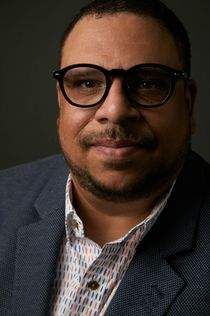
When Ellen Granberg became George Washington University’s president in 2023, she stepped into history as the first woman and the first out lesbian to lead one of the capital’s most prestigious private institutions. Two years into her tenure, she’s facing a crisis that’s testing not only the university’s financial resilience but the very identity and purpose of American higher education.
Keep up with the latest in LGBTQ+ news and politics. Sign up for The Advocate's email newsletter.
On Tuesday, Granberg announced sweeping new austerity measures at the private university to close a deepening budget deficit, including significant cuts to administrative and academic budgets, a hiring freeze for staff and faculty positions funded by operational dollars through at least October, and the potential for staff and faculty layoffs, calling it “a step we have tried to avoid but cannot any longer.”
Related: Meet George Washington University’s pioneering lesbian president Ellen Granberg
“This is a rapidly evolving situation, and thus the measures announced in our April 30 communication will not be sufficient to balance the FY26 budget and to assure the sustainability of the university,” Granberg and her team wrote in a message to the campus community.
“By collectively pursuing our shared aspirations, we know we can make substantial progress toward stabilizing our financial health,” she wrote.
The measures follow initial budget cuts announced in April and reflect a storm of pressures battering GW and universities nationwide, a storm now supercharged by politics.
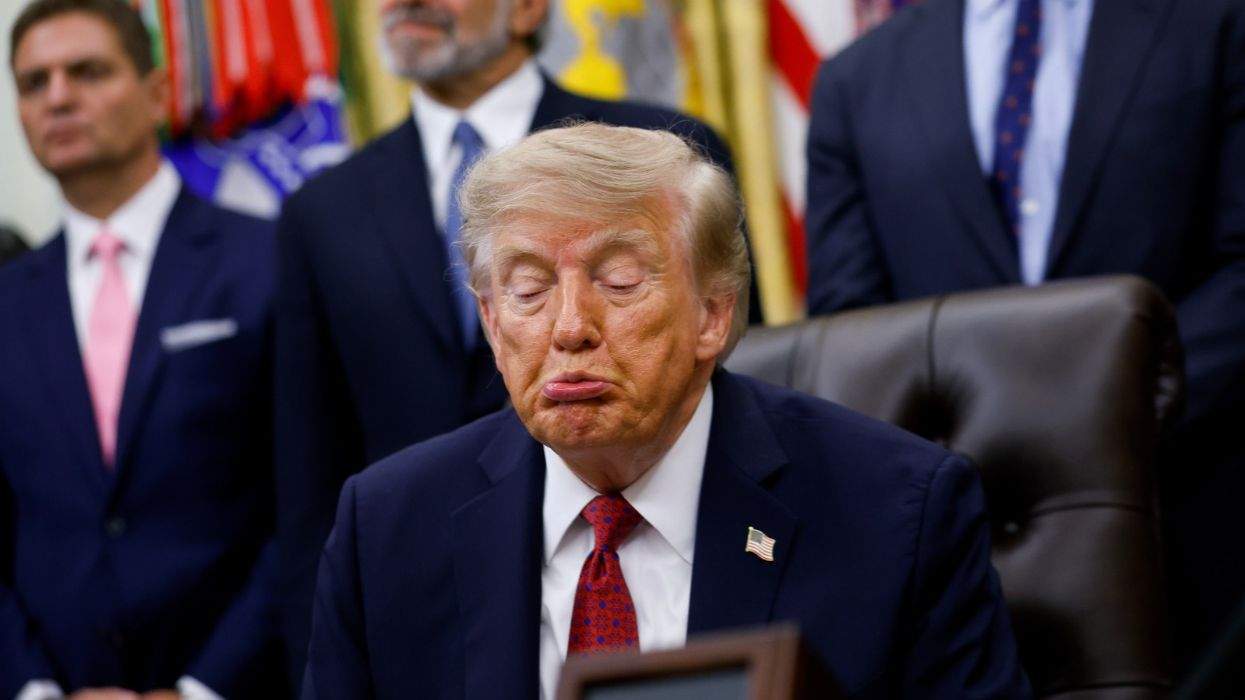
In recent months, President Donald Trump and his administration have launched an unprecedented assault on elite universities, accusing them of harboring antisemitism and ideological indoctrination. Under Trump’s second term, federal agencies have moved to strip billions in funding from schools like Harvard, Columbia, Northwestern, and GW.
George Washington University is one of 10 universities named by a Trump administration task force for particular scrutiny, placing it squarely in the crosshairs of the federal government’s investigations.
Granberg explicitly cited those pressures in Tuesday’s statement. “Like so many of our peers, we are facing strong political, economic, and demographic headwinds,” she wrote. “We know the challenges facing GW are unsettling, even more so because new ones keep emerging.” She pointed to “continued reductions in indirect cost recoveries on federal research grants,” “significant changes in the overall federal research landscape,” and “constraints on our ability to enroll international students, including recently announced travel bans and slowdowns in visa processing,” among other threats.
University leaders across the country warn that the consequences reach far beyond balance sheets, threatening the independence and free inquiry at the heart of American academia.
Even before the federal assault, GW was grappling with declining enrollments in master’s degrees, a drop in international students, and a sluggish local economy in the Washington, D.C., area. From fiscal 2022 through 2024, GW’s revenue grew at an average annual rate of 6.1 percent, while expenses rose 6.8 percent, Granberg said. “While this difference might not seem significant,” Granberg noted, “its cumulative effect is an unsustainable compounding deficit.”
Related: Trump signs executive order targeting transgender students, their teachers, and their schools
GW will impose deeper spending reductions, scrutinize all contracts over $50,000 for possible savings, cut nonessential travel and events, reduce planned capital improvements, and implement temporary pay cuts for the university’s leadership team, including Granberg.
Positions mainly funded through external grants or endowed gifts remain exempt from the freeze. Student hiring can continue, though university leaders cautioned schools not to substitute student workers for lost staff.
Though Granberg said the university does “not anticipate a significant downsizing of staff or faculty,” she made clear that reductions in positions are increasingly likely. “We cannot depend on substantial growth in personnel to meet our needs,” she wrote.
Granberg has become a symbol of possibility and vulnerability — an out LGBTQ+ leader navigating a deeply polarized era.
In a 2024 interview with The Advocate, Granberg described how her journey, from corporate telecommunications in San Francisco to academic leadership, shaped her vision for GW as a haven for queer students and scholars. “I can confidently say that this is a wonderful place to go if you are a queer youth, particularly if you want a place that’s going to be very affirming,” she said, recalling the welcome she and her wife, Sonya Rankin, received upon moving into GW’s historic F Street House.
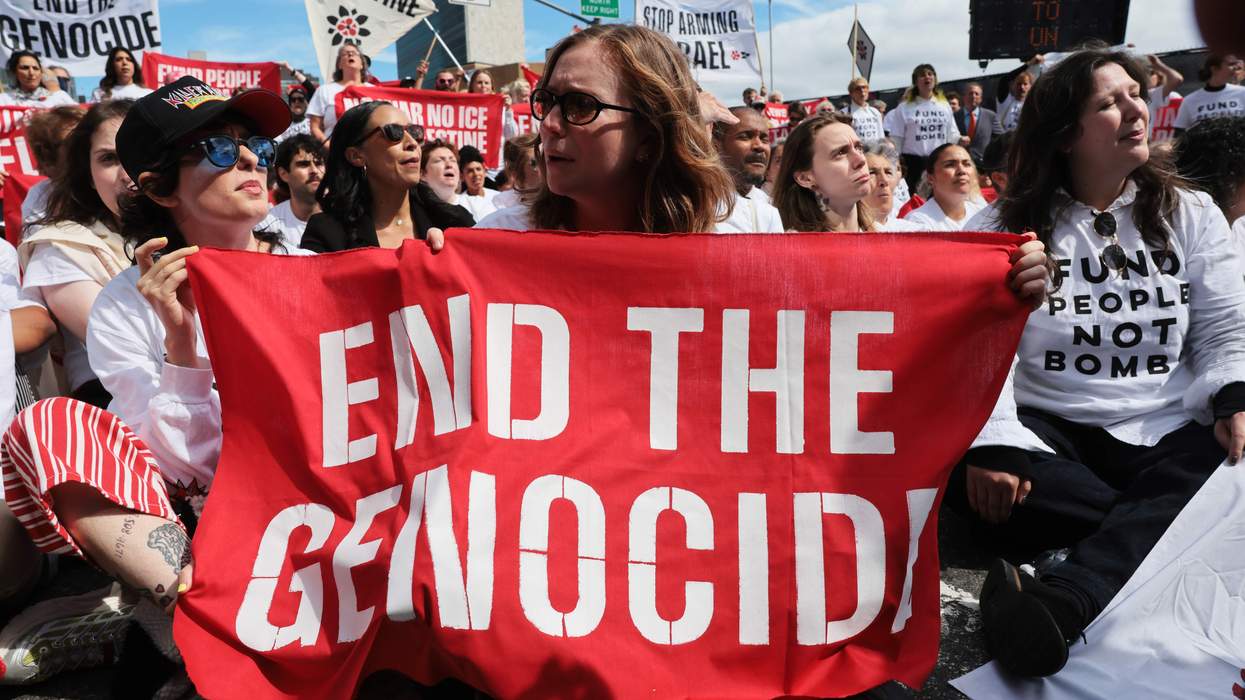
But the political storms roiling campuses nationwide have hit GW with particular force. Last spring, pro-Palestinian protests over the Israel-Hamas war escalated on campus, culminating in police removing an encampment and arresting 33 people. Granberg said she tried to strike a balance between free expression and institutional stability. “GW has a long and deep tradition of protest,” she said, “but what feels a little different now is the focus on disruption.”
In Washington, a city deeply connected to the levers of power, universities like GW have always existed in a delicate balance between scholarship and politics.