
'%3E%3Cpath d='M16.3574 35.6519H12.9537L15.0491 18.8873L16.3574 35.6519ZM30.4229 54.0093L22.309 0.994385H7.91795L0 54.0093H10.6634L11.5802 46.3855H17.4014L17.9914 54.0093H30.4229Z' fill='%23971B20'/%3E%3Cpath d='M48.2073 41.8813C48.2073 43.4049 47.4892 44.0011 46.1144 44.0011H43.7595V11.0687H46.1144C47.4892 11.0687 48.2073 11.6636 48.2073 13.1885V41.8813ZM59.5273 43.6695V11.3326C59.5273 3.71323 53.5729 0.994385 47.8157 0.994385H31.7213V54.0093H47.8157C53.5729 54.0093 59.5273 51.29 59.5273 43.6695Z' fill='%23971B20'/%3E%3Cpath d='M90.183 0.994385H78.6039L75.0711 30.6157L71.9955 0.994385H59.4346L69.2474 54.0093H80.373L90.183 0.994385Z' fill='%23971B20'/%3E%3Cpath d='M107.063 42.3448C107.063 43.7359 105.951 44.5974 104.643 44.5974C103.269 44.5974 102.157 43.7359 102.157 42.3448V12.658C102.157 11.2676 103.269 10.4058 104.643 10.4058C105.951 10.4058 107.063 11.2676 107.063 12.658V42.3448ZM119.233 43.2723V11.7312C119.233 6.36384 112.952 -3.8147e-06 104.643 -3.8147e-06C96.2667 -3.8147e-06 89.9867 6.36384 89.9867 11.7312V43.2723C89.9867 48.6393 96.2667 55 104.643 55C112.952 55 119.233 48.6393 119.233 43.2723Z' fill='%23971B20'/%3E%3Cpath d='M150.976 43.9349V33.7309H139.069V42.3448C139.069 43.7359 137.957 44.5974 136.582 44.5974C135.076 44.5974 133.964 43.7359 133.964 42.3448V12.658C133.964 11.2676 135.076 10.4058 136.582 10.4058C137.957 10.4058 139.069 11.2676 139.069 12.658V21.2723H150.976V11.0687C150.976 5.70107 145.283 -3.8147e-06 136.582 -3.8147e-06C127.75 -3.8147e-06 121.796 5.70107 121.796 11.0687V43.9349C121.796 49.3022 127.75 55 136.582 55C145.283 55 150.976 49.3022 150.976 43.9349Z' fill='%23971B20'/%3E%3Cpath d='M167.478 35.6519H164.076L166.17 18.8873L167.478 35.6519ZM181.544 54.0093L173.432 0.994385H159.037L151.123 54.0093H161.785L162.704 46.3855H168.523L169.114 54.0093H181.544Z' fill='%23971B20'/%3E%3Cpath d='M205.412 10.4058V0.994385H177.081V10.4058H185.392V54.0093H197.428V10.4058H205.412Z' fill='%23971B20'/%3E%3Cpath d='M230.002 54.0093V43.9349H218.914V31.8746H226.635V21.8028H218.914V10.4058H230.002V0.994385H206.875V54.0093H230.002Z' fill='%23971B20'/%3E%3C/g%3E%3Cdefs%3E%3CclipPath id='clip0_260_7080'%3E%3Crect width='230' height='55' fill='white'/%3E%3C/clipPath%3E%3C/defs%3E%3C/svg%3E)
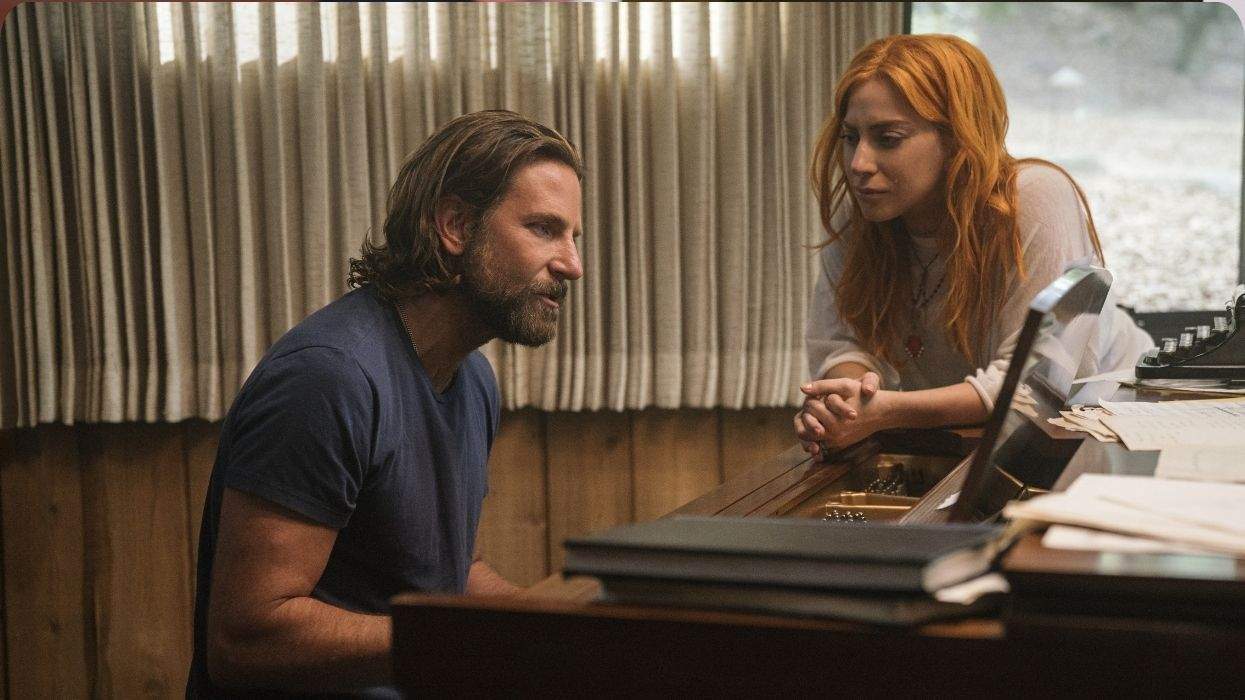

If not as old as time, it’s a tale as old as the movies: Two stars fall in love and marry. One’s career soars as the other’s sinks, helped along by substance abuse. It ends with a tragedy.
That’s the story of A Star Is Born, filmed four times so far: in 1937 with Janet Gaynor and Fredric March; in 1954 with Judy Garland and James Mason; in 1976 with Barbra Streisand and Kris Kristofferson; and in 2018 with Lady Gaga and Bradley Cooper. The first two were set in the movie business, the latter two in the world of rock music.
Although these are all heterosexual pairings, there is much in every version that resonates with LGBTQ+ audiences, says Robert Hofler, author of the new book A Star Is Reborn, which explores these four films as well as their predecessor, 1932’s What Price Hollywood?
“There is something that kind of connects with the LGBTQ community,” Hofler says. If queer people find it easier to stay in the closet, it would have been easier for these women not to become a star; they might have had a more successful personal life, he says. “It’s not the way I want the world to be, but it is,” he notes.
Then there’s the casting. Garland, Streisand, and Gaga are “the greatest gay icons since 1950,” he says, in addition to Madonna, who he thinks should have made a version of the film around 1995.
Related: The Way We Were's Secret Gay Backstory
Gaynor, the first actress to win an Oscar (for three silent films), is known primarily to classic film enthusiasts today, and she is rumored to have been a lesbian. She had a close relationship with Broadway star Mary Martin — they had ranches next to each other in Argentina, and they were riding together in a cab when it was struck by a van in New York City in 1982, causing injuries that led to Gaynor’s death two years later.
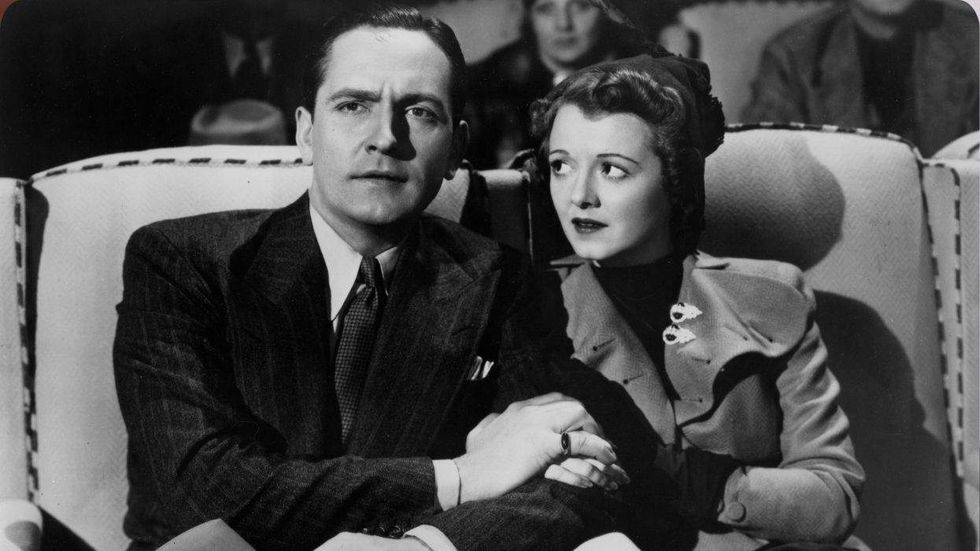 Fredric March and Janet Gaynor in the 1937 version of 'A Star Is Born.'United Artists
Gaynor was married three times to men, but some Hollywood observers have dubbed these “lavender marriages,” especially her second one, to the costume designer Adrian, likely a gay man. While beloved by many film buffs, she was never considered an icon or a diva like the others; the primary aspect of her screen persona was her sweetness.
Plus there’s the drag bar scene in the Gaga version, and Hofler sees a character in the Garland film, bandleader Danny McGuire (played by Tommy Noonan) as the prototype for the now-familiar “gay best friend.”
Hofler’s book is full of these details, along with much behind-the-scenes dish. Garland’s husband at the time, Sid Luft, was notorious for his interference in her version of A Star Is Born, and yes, the great Garland lived up to her reputation for being difficult. Streisand’s then-lover, hairdresser Jon Peters, thought he should star in and direct her film of A Star Is Born, although he had no experience in acting or directing; happily, that didn’t happen, but the movie was still trashed by critics.
Related: Sid & Judy Doc Explores Garland's Tumultuous, Passionate Marriage
There are also tales of big names such as David O. Selznick, George Cukor (a gay man and esteemed director who helmed Garland’s film and What Price Hollywood?), Moss Hart, Dorothy Parker, and Beyoncé, who was once considered for what became the Gaga movie. Further, Hofler goes into the real-life couples who may have inspired the films — Barbara Stanwyck and Frank Fay, and silent star Colleen Moore and director John McCormick.
In addition, Hofler provides insights into What Price Hollywood?, which doesn’t have quite the same plot as the four versions of A Star Is Born but laid the foundations for those films. It stars Constance Bennett as waitress Mary Evans, who is mentored to movie stardom by an alcoholic director, Max Carey (Lowell Sherman). In this film, it’s not the star’s husband whose career goes downhill; it’s the director. Her husband is a wealthy man from outside show business, Lonny Borden (Neil Hamilton), and Carey resents her marriage to him.
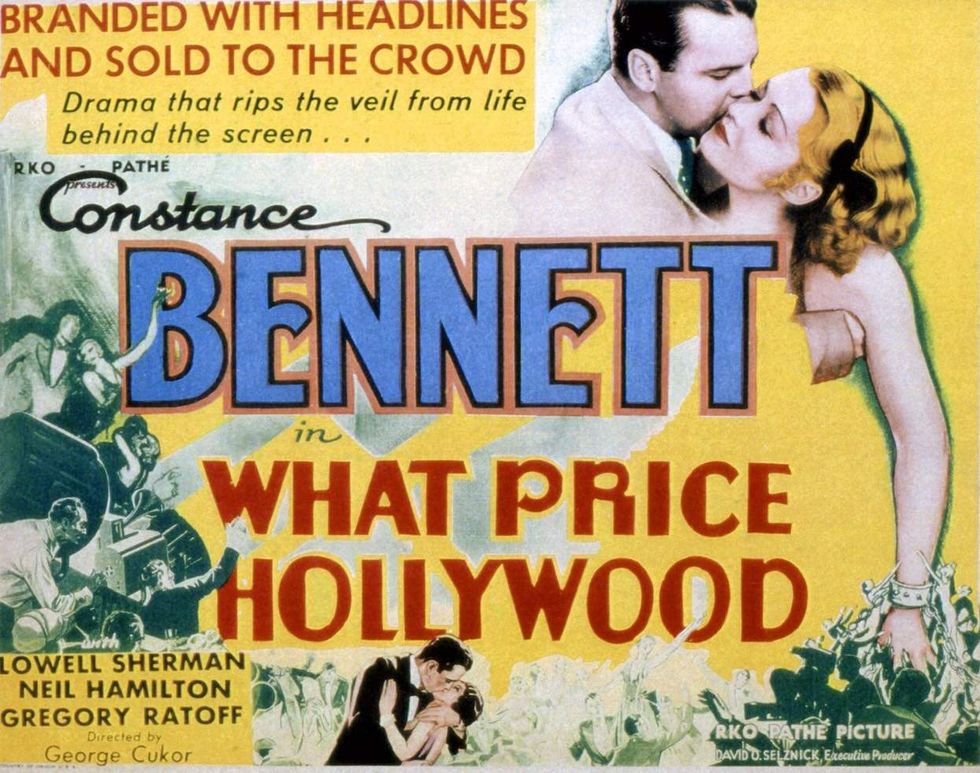 'What Price Hollywood?' posterLMPC via Getty Images
Hofler sees Max Carey as gay. “There’s no other way to read the character,” he says. Max brings Mary home with him from a premiere, but he wakes up alone in his bed and she on a couch — and this was not mandated by the Production Code, as the film was made before it was strictly enforced. Max is “mincing,” Hofler writes, and shows Mary how to play a love scene with a man.
Carey, he says, has echoes in two classic film portrayals of gay men trying to control the women they have mentored: Waldo Lydecker (Clifton Webb) in Laura and Addison DeWitt (George Sanders) in All About Eve.
What Price Hollywood? is Hofler’s favorite of the films he writes about in A Star Is Reborn. It has many great scenes, including Carey flashing back on his life just before (spoiler alert) he ends it, and being pre-Code, it’s frank about sexual matters, he notes.
The 1937 version of A Star Is Born “is perfect for its time,” he says, with Gaynor’s Vicki Lester willing to sacrifice her stardom to save her husband, Norman Maine, and in which she returns to public life by introducing herself as “Mrs. Norman Maine.” That’s how the 1954 version ends too, but screenwriters had to fudge it a bit for more liberated times in the 1976 and 2018 films.
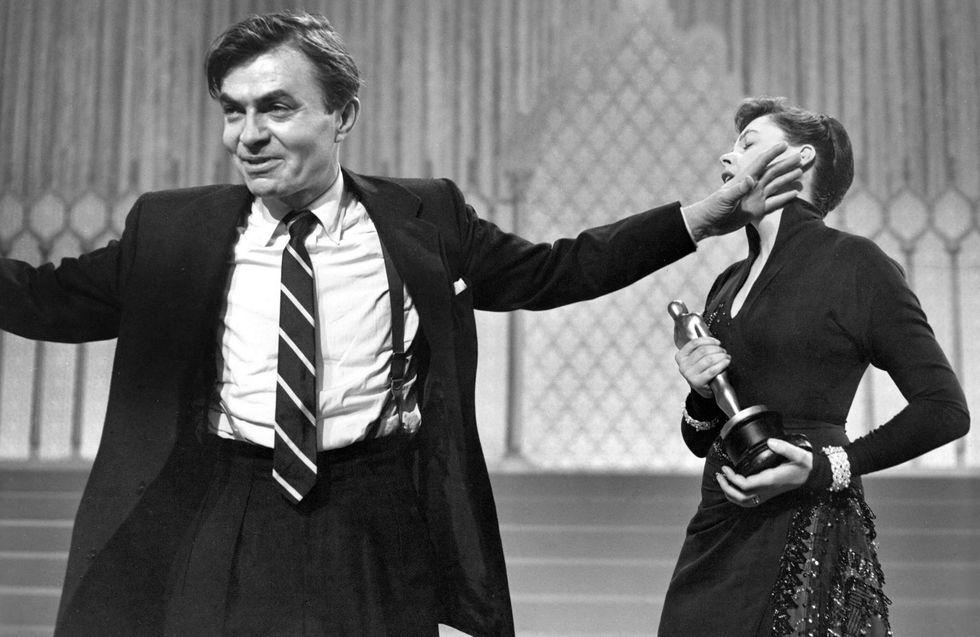 James Mason and Judy Garland in the 1954 version of 'A Star Is Born.'Warner Bros.
He praises some aspects of the Garland film, especially her heartrending rendition of “The Man That Got Away.” The Gaynor version was not a musical, but with Garland, although she made a few nonmusical films, there had to be songs. He doesn’t care for the lengthy “Born in a Trunk” number that Luft insisted on adding to fill what Hofler calls an “imaginary hole” in the script, showing how Garland’s version of Vicki Lester became a star. “All it needed was just her singing some number in two minutes — it throws the whole film out of whack,” he says.
Going forward, he says, “I think the 1976 version was a disaster,” and that was the general critical opinion at the time, although the film was a box-office hit. It should have been titled A Diva Is Unleashed, Hofler says. Streisand’s character, named Esther Hoffman in this rendering, doesn’t need the help of rocker John Norman Howard (Kristofferson) to become a star, he says: “She’s going to be a star, and she acts like a star.”
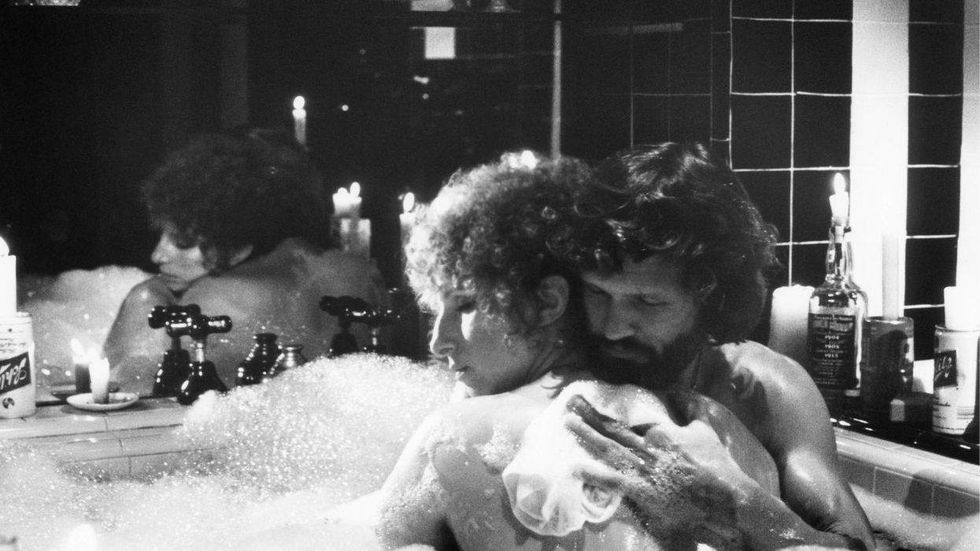 Barbra Streisand and Kris Kristofferson in the 1976 version of 'A Star Is Born.'Warner Bros.
He has kinder words for the 2018 film. “I think the screenwriters of the 2018 version did study the 1976 version very carefully,” he says, and avoided their mistakes. “They kind of made it all work.” Gaga’s character, Ally Campana, has given up on herself as a performer, and Cooper’s Jackson Maine restores her faith in herself, Hofler explains. The film has “a great economy of storytelling,” he adds. He interviewed many of the people connected with it, including screenwriter Will Fetters, drag performer Willam Belli, and the producers.
“It was intriguing to me that this movie keeps being remade,” Hofler says. “It’s not that in synch with our times, or maybe it’s more in synch with our times than we know,” being about female sacrifice — or willingness to sacrifice — and male humiliation when the woman in a man's life outshines him. Streisand tried to make it a story of female liberation, but it didn’t work, he says.
He doesn’t think the story would work with the genders reversed. Even after second-wave feminism, if a man is more successful than his wife, most people would shrug and say “big deal,” he notes. He goes into that in his epilogue, citing the documentary The Last Movie Stars, about longtime spouses Paul Newman and Joanne Woodward. She was initially the bigger star, but he surpassed her, and she put her career on hold to a degree to raise their family. She does have a considerable list of film and stage credits, however, along with great acclaim from critics and her peers.
As to whether a same-sex version of A Star Is Born would be viable, he says, “Two guys would work mainly because the theme of male humiliation remains intact. Of course, a man being supported by a woman has always had a real dark aspect to it in our culture. It's why it works best with a man on the way down and a woman on the way up.”
When he saw the play The Lonely Few, a lesbian romance set in the music world, a few years ago, he expected the plot to go the route of A Star Is Born, but it went in a different direction, he says.
At any rate, the story continues to fascinate audiences. Warner Bros.’ theatrical subsidiary has been considering a Broadway musical version for a few years, but whether or not it comes to fruition, movie fans will continue watching the films, and even a few feminists will tear up when Gaynor or Garland says, “Hello, everybody. This is Mrs. Norman Maine.”
And as Hofler puts it at the end of his book: “A great star is always being reborn.”
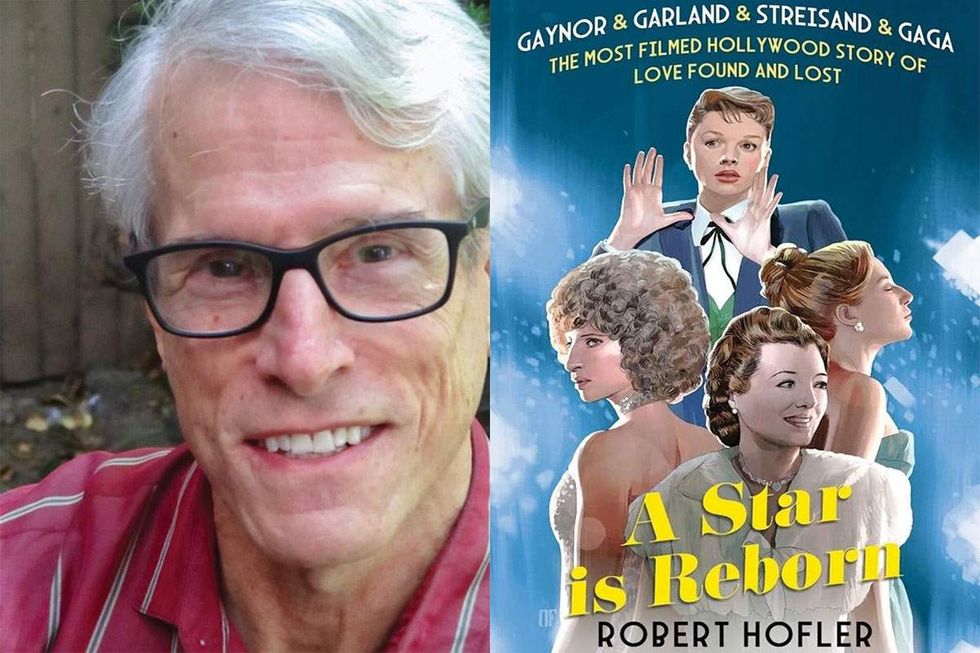 Robert Hofler and 'A Star Is Reborn' coverHofler: Jill Krementz; cover: courtesy Kensington Books
A Star Is Reborn is out now from Kensington Books.











11 times J.K. Rowling did something wildly transphobic, ranked
J.K. Rowling attends day four of Royal Ascot at Ascot Racecourse on June 20, 2025 in Ascot, England.