'%3E%3Cpath d='M16.3574 35.6519H12.9537L15.0491 18.8873L16.3574 35.6519ZM30.4229 54.0093L22.309 0.994385H7.91795L0 54.0093H10.6634L11.5802 46.3855H17.4014L17.9914 54.0093H30.4229Z' fill='%23971B20'/%3E%3Cpath d='M48.2073 41.8813C48.2073 43.4049 47.4892 44.0011 46.1144 44.0011H43.7595V11.0687H46.1144C47.4892 11.0687 48.2073 11.6636 48.2073 13.1885V41.8813ZM59.5273 43.6695V11.3326C59.5273 3.71323 53.5729 0.994385 47.8157 0.994385H31.7213V54.0093H47.8157C53.5729 54.0093 59.5273 51.29 59.5273 43.6695Z' fill='%23971B20'/%3E%3Cpath d='M90.183 0.994385H78.6039L75.0711 30.6157L71.9955 0.994385H59.4346L69.2474 54.0093H80.373L90.183 0.994385Z' fill='%23971B20'/%3E%3Cpath d='M107.063 42.3448C107.063 43.7359 105.951 44.5974 104.643 44.5974C103.269 44.5974 102.157 43.7359 102.157 42.3448V12.658C102.157 11.2676 103.269 10.4058 104.643 10.4058C105.951 10.4058 107.063 11.2676 107.063 12.658V42.3448ZM119.233 43.2723V11.7312C119.233 6.36384 112.952 -3.8147e-06 104.643 -3.8147e-06C96.2667 -3.8147e-06 89.9867 6.36384 89.9867 11.7312V43.2723C89.9867 48.6393 96.2667 55 104.643 55C112.952 55 119.233 48.6393 119.233 43.2723Z' fill='%23971B20'/%3E%3Cpath d='M150.976 43.9349V33.7309H139.069V42.3448C139.069 43.7359 137.957 44.5974 136.582 44.5974C135.076 44.5974 133.964 43.7359 133.964 42.3448V12.658C133.964 11.2676 135.076 10.4058 136.582 10.4058C137.957 10.4058 139.069 11.2676 139.069 12.658V21.2723H150.976V11.0687C150.976 5.70107 145.283 -3.8147e-06 136.582 -3.8147e-06C127.75 -3.8147e-06 121.796 5.70107 121.796 11.0687V43.9349C121.796 49.3022 127.75 55 136.582 55C145.283 55 150.976 49.3022 150.976 43.9349Z' fill='%23971B20'/%3E%3Cpath d='M167.478 35.6519H164.076L166.17 18.8873L167.478 35.6519ZM181.544 54.0093L173.432 0.994385H159.037L151.123 54.0093H161.785L162.704 46.3855H168.523L169.114 54.0093H181.544Z' fill='%23971B20'/%3E%3Cpath d='M205.412 10.4058V0.994385H177.081V10.4058H185.392V54.0093H197.428V10.4058H205.412Z' fill='%23971B20'/%3E%3Cpath d='M230.002 54.0093V43.9349H218.914V31.8746H226.635V21.8028H218.914V10.4058H230.002V0.994385H206.875V54.0093H230.002Z' fill='%23971B20'/%3E%3C/g%3E%3Cdefs%3E%3CclipPath id='clip0_260_7080'%3E%3Crect width='230' height='55' fill='white'/%3E%3C/clipPath%3E%3C/defs%3E%3C/svg%3E)
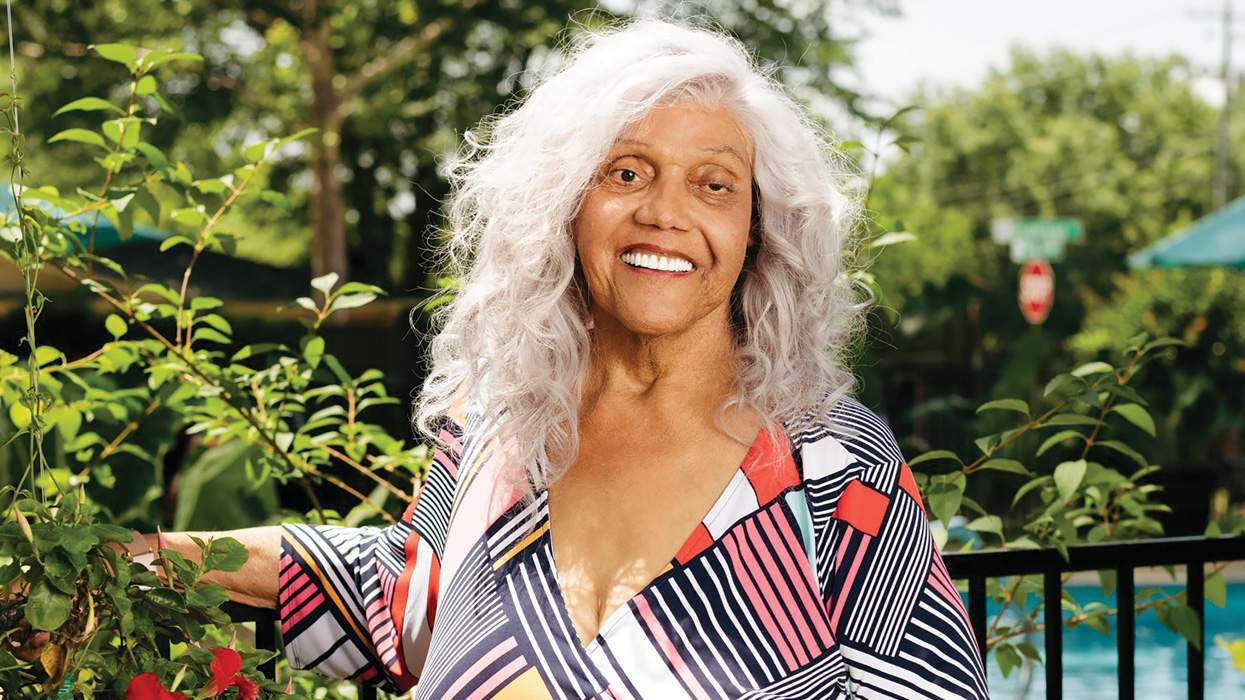

On October 13, transgender civil rights icon Miss Major Griffin-Gracy passed away at 78 after time in hospice care. For over five decades, Griffin-Gracy fought for trans equality — and in a country that still wrestles with queer rights with as much temperament today as it did when she arrived in New York City in the 1960s. Nevertheless, she persevered as a torchbearer to brighten the lives of those who saw the world as grim and dismaying.
Griffin-Gracy, born in Chicago, spoke about her move to NYC in her youth on the LGBTQ&A podcast in 2021. “The trans community was everywhere,” she reflected, “I went immediately to 42nd Street. Everybody went to 42nd Street: trans girls, everybody. Finding them was not a problem.... I found an apartment that I moved into. It was six floors of nothing but trans girls. It was fabulous. There were so many of us that it was a full life.” Griffin-Gracy was a faithful witness to queer history. She navigated New York’s anti-cross-dressing laws, which remained on the books well into the 21st century, and was at Stonewall in June 1969 when the riots began. In the podcast interview, she mentioned an early moment of violence as the infamous moments unfolded. “So I spit in some guy’s face, and he knocked me out,” she said. “Other than that, I don’t remember anything.”
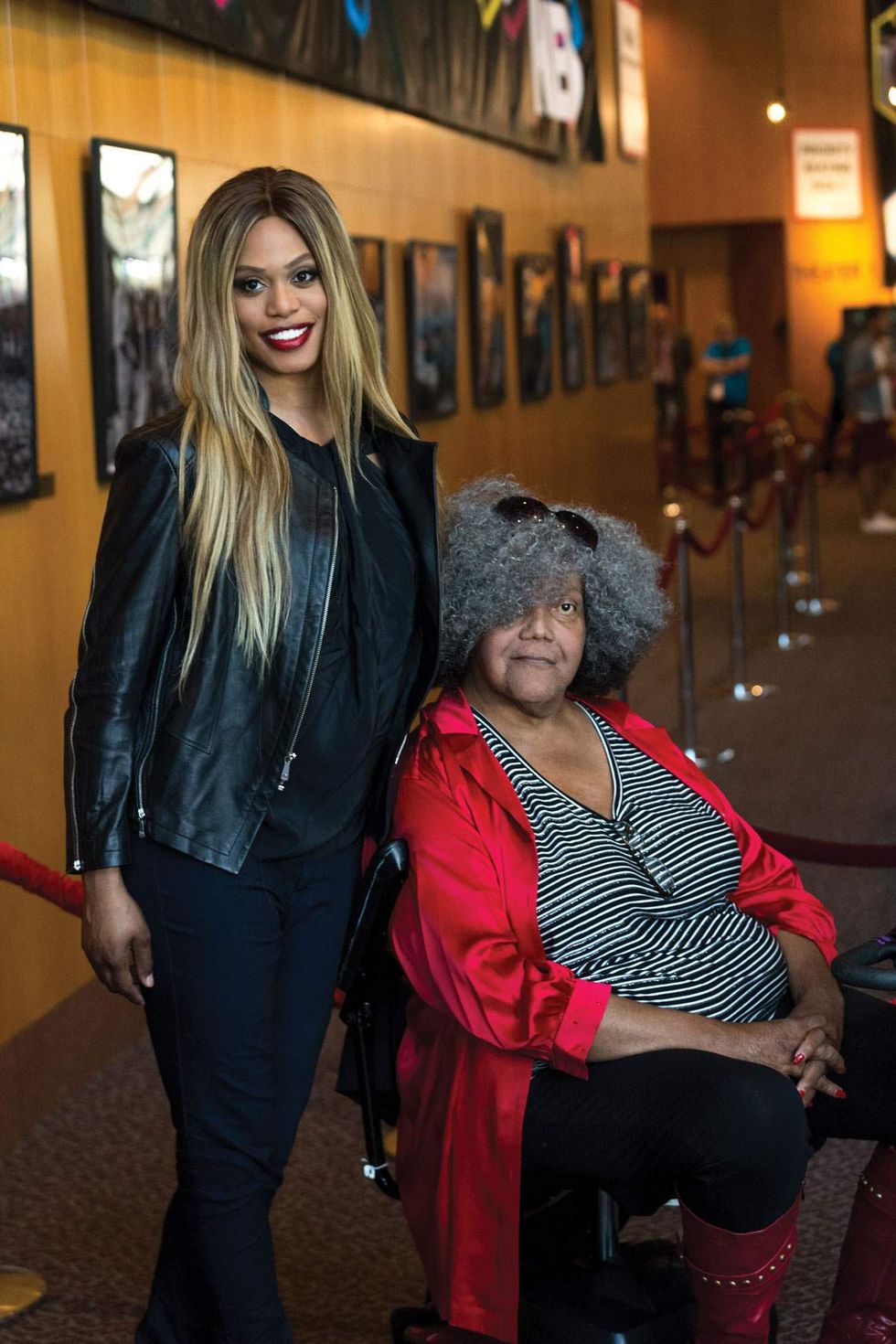 Laverne Cox and Miss Major at a West Hollywood screening of 'The Trans List' in July of 2016.Greg Doherty/Getty Images
After a robbery arrest, she spent several years in men’s prisons and mental hospitals, where she was subjected to ill treatment. Yet she emerged with grit and determination to uplift her trans community, becoming an advocate for the rights of trans incarcerated individuals. In 2005, she joined the Transgender Gender-Variant & Intersex Justice Project, an organization dedicated to providing legal services for trans, gender-variant, and gender-nonconforming people, and she became its first executive director, a post she held from 2010 to 2015. In 2019, she founded the House of gg (the Griffin-Gracy Educational and Historical Center), an organization focused on uplifting trans lives by providing an oasis — and hope — for those in need of support.
Her passing was a blow to trans activists, artists, and others at a time when anti-trans hostility remains high. Still, her impact lives on, most especially with those she met and inspired over the years.
“Major’s fierce commitment and intersectional approach to justice brought her to care directly for people with HIV/AIDS in New York in the early 1980s, and later to drive San Francisco’s first mobile needle exchange…. Miss Major fought tirelessly for her people, her love as vast and enduring as the universe she knew herself to be a part of,” says Muriel Tarver, managing director of the House of gg.
“She was a world builder, a visionary, and unwavering in her devotion to making freedom possible for Black, trans, formerly and currently incarcerated people, as well as the larger trans and LGB community…. We will forever honor her memory, her steadfast presence, and her enduring commitment to our collective liberation,” Tarver says.
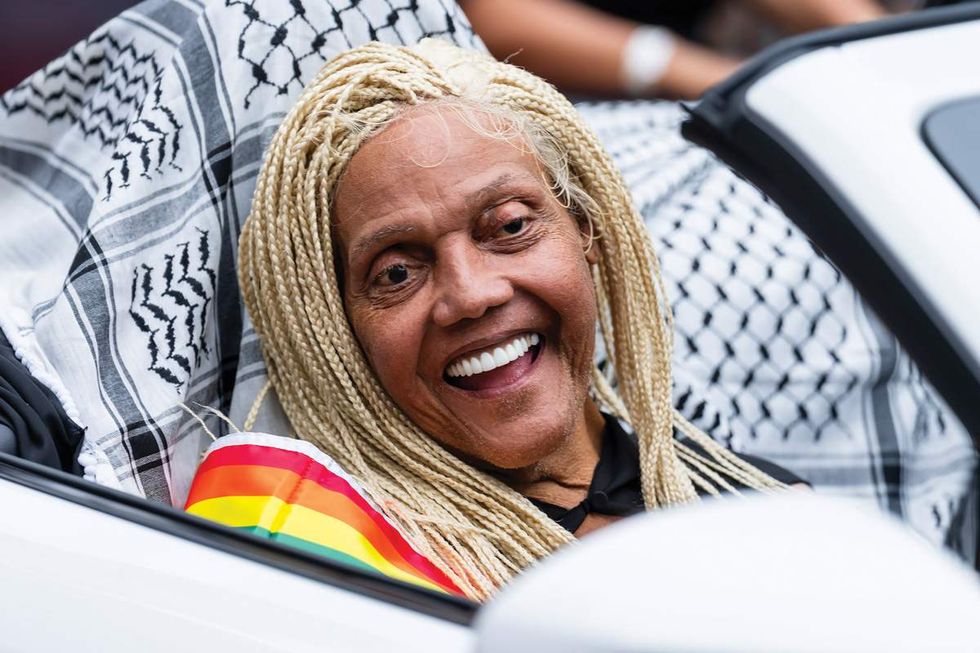 Miss Major served as grand marshal at the 2024 NYC Pride parade.Gotham/Getty Images
Activist Naiymah Sanchez says she appreciated the care Griffin-Gracy gave to everyone.
“Miss Major embodied the spirit of community healing, while bringing the experience of community struggles from a time in our story in America — when language, resources, and support weren’t a reality,” says Sanchez, who is the inaugural Bernadine Casseus Transgender Laureate.
For Kierra Johnson, president of the National LGBTQ Task Force, Griffin-Gracy’s impact is immeasurable.
“There will never be enough words to fully describe the impact Miss Major had on the LGBTQ+ people, on leaders across movements, on those she loved and were touched by her work and her words. She was a revolutionary, a visionary, a legend — a foundational mother of our movement and an inspiration to those fighting for liberation,” Johnson says, adding that Griffin-Gracy “was a sharp and unyielding truth teller.”
“She was also undeniably loving and generous to those who called her Mother, Auntie, colleague, and friend,” Johnson adds. “There will never be another like her…. And the movement she mothered will keep walking, louder and stronger, because she walked first.”
This article is part of OUT’s Jan-Feb 2026 print issue, which hits newsstands January 27. Support queer media and subscribe — or download the issue through Apple News+, Zinio, Nook, or PressReader.