'%3E%3Cpath d='M16.3574 35.6519H12.9537L15.0491 18.8873L16.3574 35.6519ZM30.4229 54.0093L22.309 0.994385H7.91795L0 54.0093H10.6634L11.5802 46.3855H17.4014L17.9914 54.0093H30.4229Z' fill='%23971B20'/%3E%3Cpath d='M48.2073 41.8813C48.2073 43.4049 47.4892 44.0011 46.1144 44.0011H43.7595V11.0687H46.1144C47.4892 11.0687 48.2073 11.6636 48.2073 13.1885V41.8813ZM59.5273 43.6695V11.3326C59.5273 3.71323 53.5729 0.994385 47.8157 0.994385H31.7213V54.0093H47.8157C53.5729 54.0093 59.5273 51.29 59.5273 43.6695Z' fill='%23971B20'/%3E%3Cpath d='M90.183 0.994385H78.6039L75.0711 30.6157L71.9955 0.994385H59.4346L69.2474 54.0093H80.373L90.183 0.994385Z' fill='%23971B20'/%3E%3Cpath d='M107.063 42.3448C107.063 43.7359 105.951 44.5974 104.643 44.5974C103.269 44.5974 102.157 43.7359 102.157 42.3448V12.658C102.157 11.2676 103.269 10.4058 104.643 10.4058C105.951 10.4058 107.063 11.2676 107.063 12.658V42.3448ZM119.233 43.2723V11.7312C119.233 6.36384 112.952 -3.8147e-06 104.643 -3.8147e-06C96.2667 -3.8147e-06 89.9867 6.36384 89.9867 11.7312V43.2723C89.9867 48.6393 96.2667 55 104.643 55C112.952 55 119.233 48.6393 119.233 43.2723Z' fill='%23971B20'/%3E%3Cpath d='M150.976 43.9349V33.7309H139.069V42.3448C139.069 43.7359 137.957 44.5974 136.582 44.5974C135.076 44.5974 133.964 43.7359 133.964 42.3448V12.658C133.964 11.2676 135.076 10.4058 136.582 10.4058C137.957 10.4058 139.069 11.2676 139.069 12.658V21.2723H150.976V11.0687C150.976 5.70107 145.283 -3.8147e-06 136.582 -3.8147e-06C127.75 -3.8147e-06 121.796 5.70107 121.796 11.0687V43.9349C121.796 49.3022 127.75 55 136.582 55C145.283 55 150.976 49.3022 150.976 43.9349Z' fill='%23971B20'/%3E%3Cpath d='M167.478 35.6519H164.076L166.17 18.8873L167.478 35.6519ZM181.544 54.0093L173.432 0.994385H159.037L151.123 54.0093H161.785L162.704 46.3855H168.523L169.114 54.0093H181.544Z' fill='%23971B20'/%3E%3Cpath d='M205.412 10.4058V0.994385H177.081V10.4058H185.392V54.0093H197.428V10.4058H205.412Z' fill='%23971B20'/%3E%3Cpath d='M230.002 54.0093V43.9349H218.914V31.8746H226.635V21.8028H218.914V10.4058H230.002V0.994385H206.875V54.0093H230.002Z' fill='%23971B20'/%3E%3C/g%3E%3Cdefs%3E%3CclipPath id='clip0_260_7080'%3E%3Crect width='230' height='55' fill='white'/%3E%3C/clipPath%3E%3C/defs%3E%3C/svg%3E)

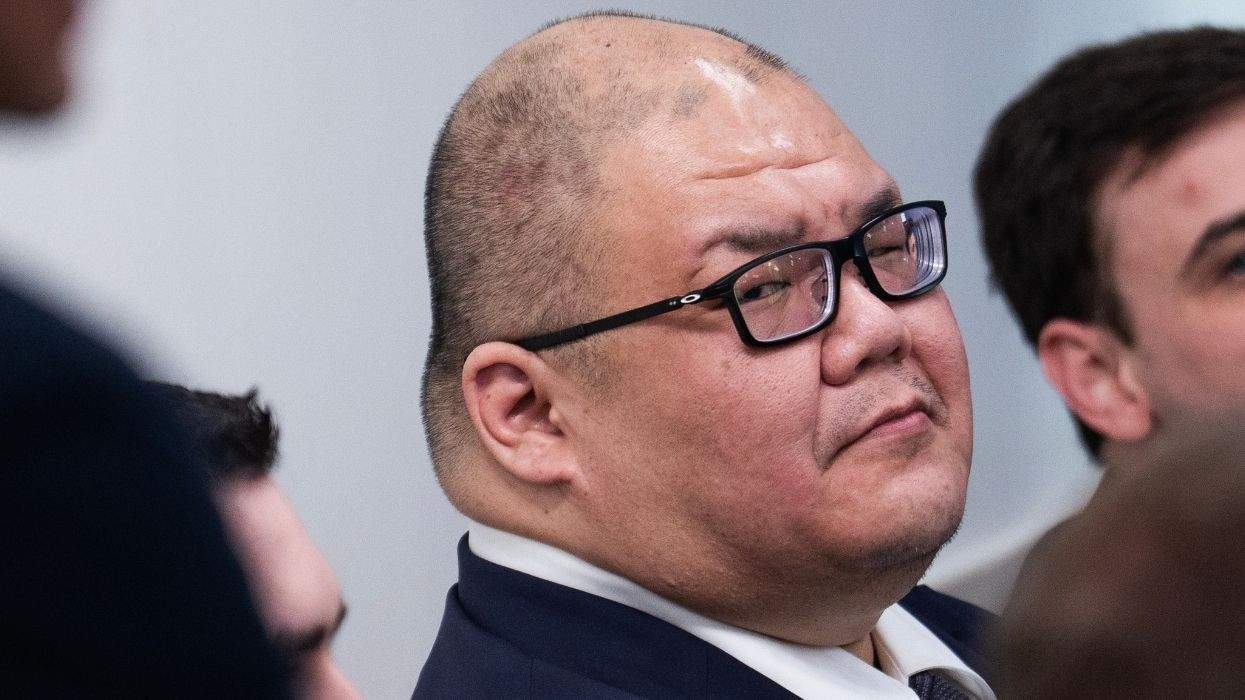
The decision to get screened on a whim is likely why Marcus Ford is still here.
As a person experiencing homelessness in Chicago, Ford didn’t have the ability to regularly see a doctor. As a Black gay man, he didn’t feel comfortable in health care settings even when he could access them. As a result, he didn’t get screened for prostate cancer until age 59.
Keep up with the latest in LGBTQ+ news and politics. Sign up for The Advocate's email newsletter.
Ford walked into the clinic that day because he hadn’t gotten a check-up in a while. It was the test he “haphazardly” got that revealed his diagnosis, which he is still fighting nearly three years later. Now, at 62, it’s also what has given Ford’s life a new purpose, making sure others get screened before it’s too late.
"Men don't really concern themselves with their health," Ford told The Advocate. "I'm on this big bandwagon right now to make sure that every guy — Black, white, green, polka dot, or whatever — gets themselves checked out. You've got to go and have yourself checked out."
When his test results came back, Ford said, "It didn’t affect me so much because it just didn’t register." He was given the choice between chemotherapy, which uses drugs to destroy cancer cells and prevent tumor growth, or radiotherapy, which uses radiation to kill cancer cells and shrink tumors.
Radiation therapy is used in more than half of all cancer patients at some point in their treatment, according to the American Cancer Society. While it can damage nearby healthy cells, most recover over time. Chemotherapy, by contrast, targets rapidly dividing cells throughout the body, which is why it often causes side effects such as hair loss and skin changes.
"I had to go and either have chemo, and I'm already a bald dude, so I wasn't afraid of that part," Ford says. "I didn't want any injections in my body, and I did not want anybody to go into my nether regions and do surgery or anything on me. It seemed like the less invasive part to me."
Related: A trans woman's cancer symptoms were almost missed — until gender-affirming care saved her life
Ford is on Medicaid, which covered all his treatments — including radiation therapy — save for two medications. Not all Medicaid recipients have been as lucky since Republicans passed a Trump-supported 2025 budget reconciliation bill that, according to independent estimates, would cut spending on Medicaid and the Children’s Health Insurance Program by more than $1 trillion over the next decade.
Over 20 percent of Medicaid recipients are Black, data via KFF shows, and separate data from the Williams Institute found that LGBTQ+ adults are twice as likely to have Medicaid as their primary insurance. These groups are also more likely to experience disparities in health care, particularly when it comes to cancer.
Ford knows these disparities all too well. He lost both of his parents to cancer, and is currently guiding his older brother through prostate cancer treatment.
Black men face the highest death rates from prostate cancer of any racial group, according to the American Cancer Society statistics report. They are diagnosed at significantly higher rates than other men and are two to four times more likely to die from the disease. Compared with white men, Black men are diagnosed with prostate cancer at rates more than 60 percent higher.
"For all men and not just LGBTQ+-identifying men, it's a sensitive area, so therefore they may less be likely to pursue the screening with their doctor, or even want to maybe talk about it with their friends or family,” Justin Schweitzer, a medical director for LGBTQ+ health and primary care services at Cooper Health and a spokesperson for the American Cancer Society said.
Related: This cancer researcher was studying LGBTQ+ people. Her work is now in limbo
"We're thinking this is due to less receipt of guideline-recommended treatment, perhaps maybe not the best doctor-patient relationships," Schweitzer says. "I think it really underscores the importance of having this conversation with not just your family members if there's a family history for prostate cancer, but also in the LGBTQ+ community, your chosen family. ... This sense of community is really what's gonna help us, in my opinion, with earlier detection and therefore treatment, then hopefully survival."
It also comes down to insurance: what testing providers will cover and how often. Medicare and other private companies typically cover a prostate exam once per year, though Schweitzer says he's had patients whose insurance only pays for breast cancer screenings every two years, which he calls "ridiculous because it goes against current guidelines."
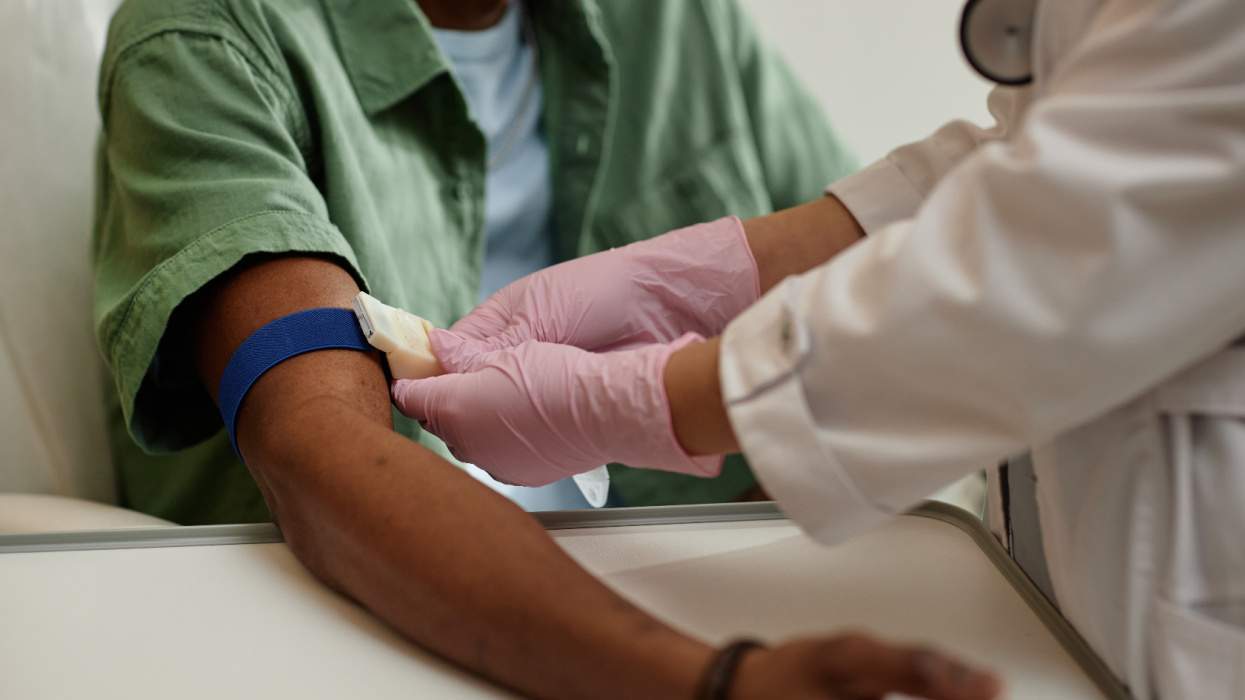
For people in recommended age groups, screening can be a powerful tool for early detection, particularly when conducted in consultation with a doctor to assess individual risk factors such as age, race, and family history. For prostate cancer, screening often begins with a simple blood test to measure prostate-specific antigen, or PSA, a protein produced by the prostate that can signal cancer or other prostate problems when levels are elevated.
"It's just a matter of getting in for your well visits, having these potentially uncomfortable conversations with your provider or doctor so that screening can happen, and ideally, this is also done on an annual basis," Schweitzer says. "Just because something is OK and normal a year or two ago, doesn't mean that you shouldn't do it again the following year."
Ford isn't cancer-free quite yet, but he's not giving up hope. His PSA reading has dropped from 27.9 to 3.1. In other words, he's close. And after seeing his father pass away from stomach cancer at age 54, he's mostly just grateful to be here.
"I always thought that I would just die at 54. And I was so scared all the way up until my 54th birthday," Ford says. "But I made it to 62 right now. I'm still living. ... I do believe that I should be able to talk to other men about this. Go get yourself checked out, because it's a horrible thing for you to have prostate cancer."