'%3E%3Cpath d='M16.3574 35.6519H12.9537L15.0491 18.8873L16.3574 35.6519ZM30.4229 54.0093L22.309 0.994385H7.91795L0 54.0093H10.6634L11.5802 46.3855H17.4014L17.9914 54.0093H30.4229Z' fill='%23971B20'/%3E%3Cpath d='M48.2073 41.8813C48.2073 43.4049 47.4892 44.0011 46.1144 44.0011H43.7595V11.0687H46.1144C47.4892 11.0687 48.2073 11.6636 48.2073 13.1885V41.8813ZM59.5273 43.6695V11.3326C59.5273 3.71323 53.5729 0.994385 47.8157 0.994385H31.7213V54.0093H47.8157C53.5729 54.0093 59.5273 51.29 59.5273 43.6695Z' fill='%23971B20'/%3E%3Cpath d='M90.183 0.994385H78.6039L75.0711 30.6157L71.9955 0.994385H59.4346L69.2474 54.0093H80.373L90.183 0.994385Z' fill='%23971B20'/%3E%3Cpath d='M107.063 42.3448C107.063 43.7359 105.951 44.5974 104.643 44.5974C103.269 44.5974 102.157 43.7359 102.157 42.3448V12.658C102.157 11.2676 103.269 10.4058 104.643 10.4058C105.951 10.4058 107.063 11.2676 107.063 12.658V42.3448ZM119.233 43.2723V11.7312C119.233 6.36384 112.952 -3.8147e-06 104.643 -3.8147e-06C96.2667 -3.8147e-06 89.9867 6.36384 89.9867 11.7312V43.2723C89.9867 48.6393 96.2667 55 104.643 55C112.952 55 119.233 48.6393 119.233 43.2723Z' fill='%23971B20'/%3E%3Cpath d='M150.976 43.9349V33.7309H139.069V42.3448C139.069 43.7359 137.957 44.5974 136.582 44.5974C135.076 44.5974 133.964 43.7359 133.964 42.3448V12.658C133.964 11.2676 135.076 10.4058 136.582 10.4058C137.957 10.4058 139.069 11.2676 139.069 12.658V21.2723H150.976V11.0687C150.976 5.70107 145.283 -3.8147e-06 136.582 -3.8147e-06C127.75 -3.8147e-06 121.796 5.70107 121.796 11.0687V43.9349C121.796 49.3022 127.75 55 136.582 55C145.283 55 150.976 49.3022 150.976 43.9349Z' fill='%23971B20'/%3E%3Cpath d='M167.478 35.6519H164.076L166.17 18.8873L167.478 35.6519ZM181.544 54.0093L173.432 0.994385H159.037L151.123 54.0093H161.785L162.704 46.3855H168.523L169.114 54.0093H181.544Z' fill='%23971B20'/%3E%3Cpath d='M205.412 10.4058V0.994385H177.081V10.4058H185.392V54.0093H197.428V10.4058H205.412Z' fill='%23971B20'/%3E%3Cpath d='M230.002 54.0093V43.9349H218.914V31.8746H226.635V21.8028H218.914V10.4058H230.002V0.994385H206.875V54.0093H230.002Z' fill='%23971B20'/%3E%3C/g%3E%3Cdefs%3E%3CclipPath id='clip0_260_7080'%3E%3Crect width='230' height='55' fill='white'/%3E%3C/clipPath%3E%3C/defs%3E%3C/svg%3E)
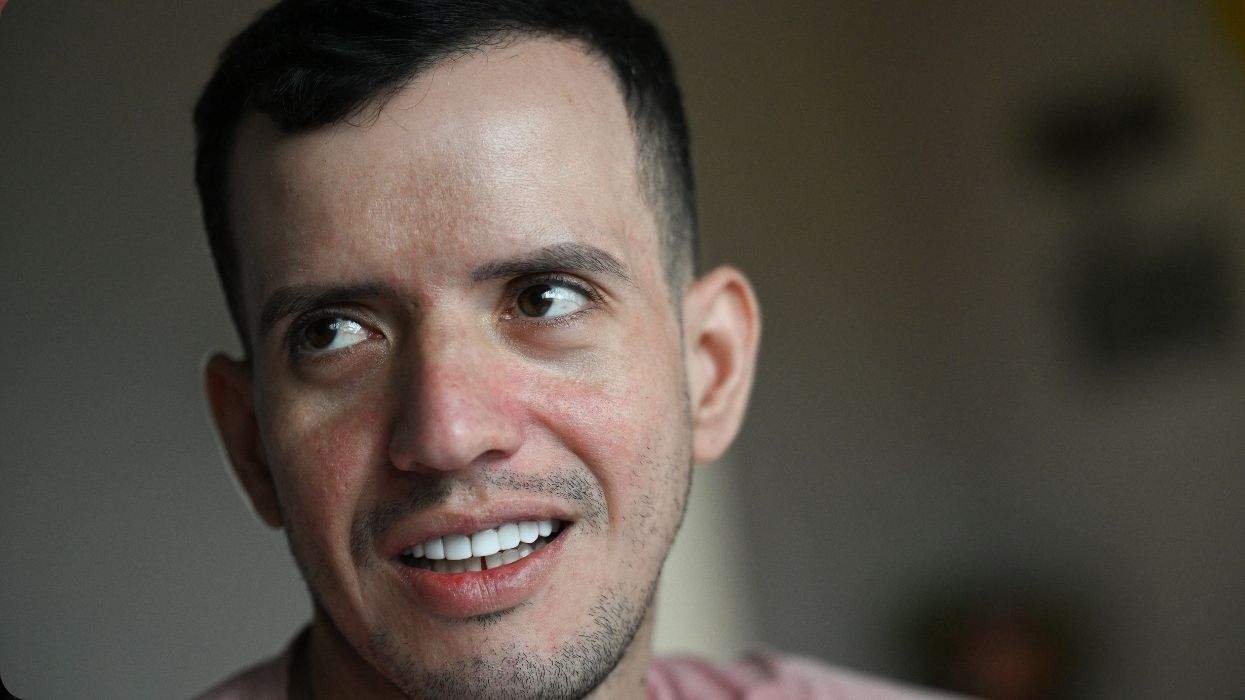
One year after the U.S. government deported him to El Salvador’s most notorious prison, gay Venezuelan asylum seeker Andry Hernández Romero is seeking damages, accusing American officials of unlawfully sending him to a facility where he says detainees endured abuse and torture.
Keep up with the latest in LGBTQ+ news and politics. Sign up for The Advocate's email newsletter.
Attorneys for Hernández Romero and five other Venezuelan men filed administrative claims Friday against the U.S. Department of Homeland Security under the Federal Tort Claims Act. The claims allege the men were transferred from U.S. custody to El Salvador’s sprawling Terrorism Confinement Center, where they were held for 125 days without contact with lawyers or family members.
Related: Inside the movement that freed gay makeup artist Andry Hernández Romero from a hellhole
Related: Andry Hernández Romero explains how he survived CECOT after the U.S. government disappeared him
Related: Gay asylum-seeker's lawyer worries for the makeup artist’s safety in Salvadoran ‘hellhole’ prison
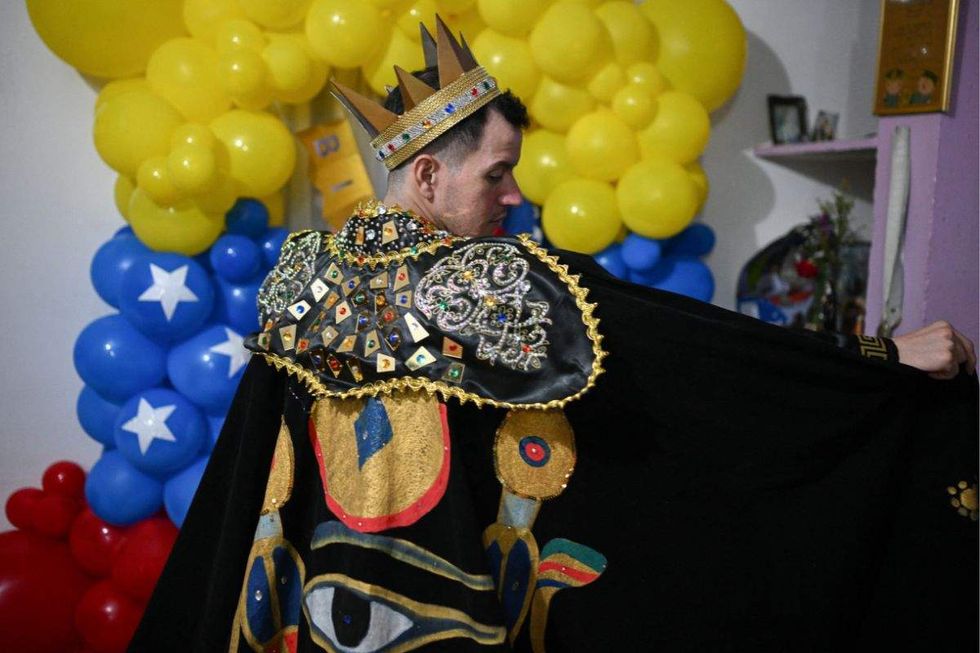 Venezuelan stylist Andry Hernandez Romero, a migrant repatriated from a prison in El Salvador, shows a costume made by himself in Capacho village, Tachira state, Venezuela, on July 25, 2025. FEDERICO PARRA/AFP via Getty Images
“It’s been one year since we watched in horror as planes took off in defiance of a court order and we knew our client Andry was most likely on board,” Lindsay Toczylowski, CEO and co-founder of the Immigrant Defenders Law Center, said in a statement announcing the claims. “Much of what we feared during the 125 days he was held incommunicado turned out to be true — he was being tortured and every day he was there his life was at grave risk.”
She added that the experience still shocks her. “It still takes my breath away to know that it was our own government that intentionally sent him into harm’s way.”
The legal filing marks the latest chapter in a case that has become emblematic of the human stakes in a controversial deportation policy.
Hernández Romero entered the United States in 2024 seeking asylum after fleeing anti-LGBTQ+ persecution in Venezuela. A makeup artist, he arrived through the government’s CBP One appointment system, a pathway officials in the Biden administration had promoted as a lawful way for migrants to seek protection at the border.
Instead, he was detained by immigration authorities.
U.S. officials later accused Hernández Romero of belonging to the Venezuelan gang Tren de Aragua. The allegation, his attorneys say, was based largely on tattoos reading “mom” and “dad” topped with crowns, a common cultural design, not evidence of gang membership. Hernández Romero has no criminal record.
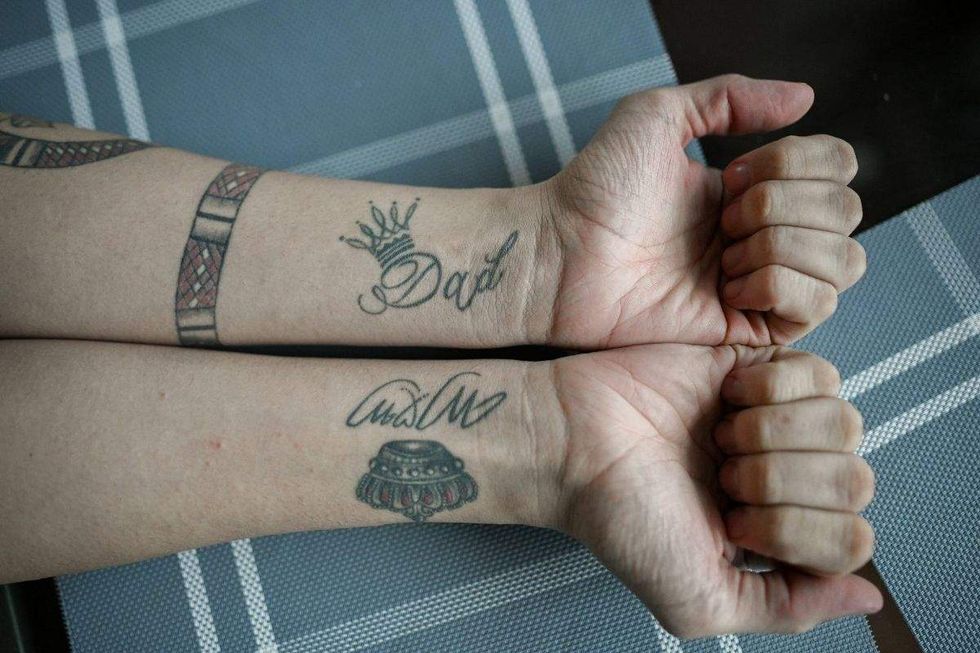 Venezuelan stylist Andry Hernandez Romero, a migrant repatriated from a prison in El Salvador, shows his tattooes in Capacho village, Tachira state, Venezuela on July 25, 2025. FEDERICO PARRA/AFP via Getty Images
In March 2025, the Trump administration invoked the Alien Enemies Act to deport more than 250 Venezuelan men to El Salvador’s prison system. Hernández Romero was among them.
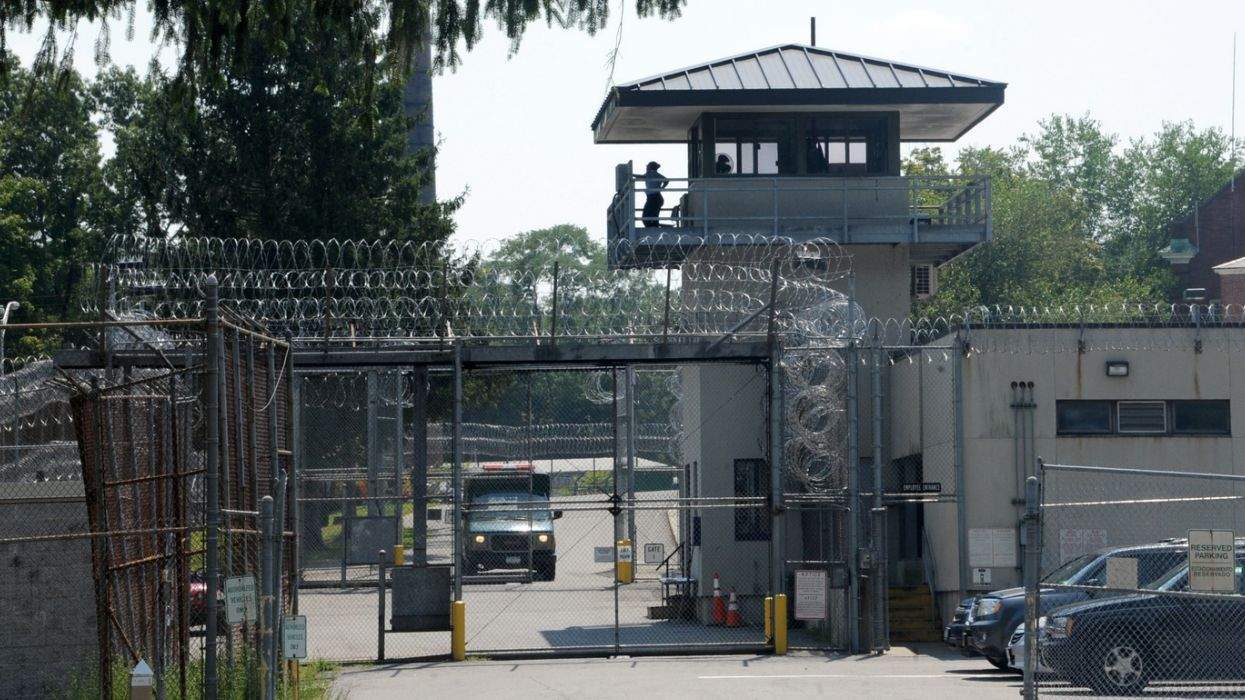
CECOT, the centerpiece of El Salvador’s aggressive anti-gang crackdown, is one of the largest prisons in the world. Human rights organizations have warned that detainees there face severe overcrowding, isolation, and abuse.
In interviews after his release, Hernández Romero described the prison as a place defined by violence and humiliation.
“It was an encounter with torture and death,” he told The Advocate.
Advocacy groups and LGBTQ+ organizations rallied around his case during the months he was held incommunicado. Lawmakers and human rights advocates pressed the U.S. government to account for his whereabouts, turning the little-known makeup artist into an international symbol of the policy’s cruelty.
After 125 days in CECOT, Hernández Romero and other detainees were released and returned to Venezuela as part of a diplomatic exchange.
Melissa Shepard, ImmDef’s director of legal services, said the case revealed troubling gaps in due process protections.
“In all my years as an immigration attorney, I have never seen a client simply vanish in the middle of their case with no explanation,” Shepard said. “When the government detains and transfers people in secrecy, without transparency or access to the courts, it tears at the basic protections a democracy is supposed to guarantee.”
An ImmDef spokesperson told The Advocate that the organization is not publicly sharing the detailed allegations contained in the complaints.
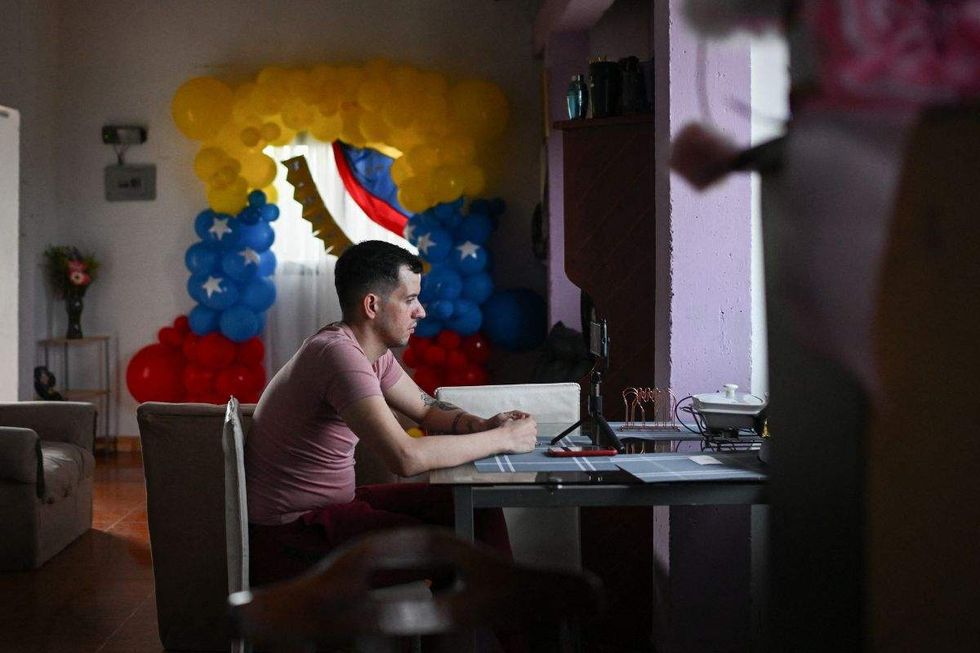 Venezuelan stylist Andry Hernandez Romero, 33, a migrant repatriated from a prison in El Salvador, speaks during a video call at his home in Capacho village, Tachira state, Venezuela, on July 24, 2025. FEDERICO PARRA/AFP via Getty Images
“The nature of the allegations and our desire to protect our clients from re-traumatization necessitate that we keep the details shared in the complaints confidential,” the spokesperson said.
Other men included in the claims described the lingering trauma of their detention. “Being disappeared to CECOT is an experience that no human being should ever endure, no matter their nationality,” said claimant Ysqueibel Peñaloza Chirinos. “Being sent to CECOT in El Salvador was complete terror, and the mental and physical abuse was torture.”
Arturo Suarez Trejo said the past year has been marked by the long process of recovering from the experience. “It has been a very, very hard year,” he said. “I want this to be an example of how easily migrant rights and human rights are violated and undermined.”
Last month, a federal judge also weighed in on the broader deportation policy. U.S. District Judge James Boasberg ordered the Trump administration to facilitate the return of Venezuelan men who had been sent to CECOT so they could challenge their removals in U.S. court, ruling that the government had violated their due process rights.
Under the Federal Tort Claims Act, individuals who say they were harmed by federal officials must first file administrative claims with the government before bringing a lawsuit in federal court. The government has six months to respond.
The claims also seek to clear the names of the Venezuelan men sent to El Salvador, whom advocates say were wrongly labeled as gang members. For Hernández Romero, the case is about more than compensation. It is also an effort to reclaim a life interrupted and, he says, a reputation unfairly tarnished.
“I want the world to know that being Venezuelan is not a crime,” Hernández Romero told The Advocate after his release.