'%3E%3Cpath d='M16.3574 35.6519H12.9537L15.0491 18.8873L16.3574 35.6519ZM30.4229 54.0093L22.309 0.994385H7.91795L0 54.0093H10.6634L11.5802 46.3855H17.4014L17.9914 54.0093H30.4229Z' fill='%23971B20'/%3E%3Cpath d='M48.2073 41.8813C48.2073 43.4049 47.4892 44.0011 46.1144 44.0011H43.7595V11.0687H46.1144C47.4892 11.0687 48.2073 11.6636 48.2073 13.1885V41.8813ZM59.5273 43.6695V11.3326C59.5273 3.71323 53.5729 0.994385 47.8157 0.994385H31.7213V54.0093H47.8157C53.5729 54.0093 59.5273 51.29 59.5273 43.6695Z' fill='%23971B20'/%3E%3Cpath d='M90.183 0.994385H78.6039L75.0711 30.6157L71.9955 0.994385H59.4346L69.2474 54.0093H80.373L90.183 0.994385Z' fill='%23971B20'/%3E%3Cpath d='M107.063 42.3448C107.063 43.7359 105.951 44.5974 104.643 44.5974C103.269 44.5974 102.157 43.7359 102.157 42.3448V12.658C102.157 11.2676 103.269 10.4058 104.643 10.4058C105.951 10.4058 107.063 11.2676 107.063 12.658V42.3448ZM119.233 43.2723V11.7312C119.233 6.36384 112.952 -3.8147e-06 104.643 -3.8147e-06C96.2667 -3.8147e-06 89.9867 6.36384 89.9867 11.7312V43.2723C89.9867 48.6393 96.2667 55 104.643 55C112.952 55 119.233 48.6393 119.233 43.2723Z' fill='%23971B20'/%3E%3Cpath d='M150.976 43.9349V33.7309H139.069V42.3448C139.069 43.7359 137.957 44.5974 136.582 44.5974C135.076 44.5974 133.964 43.7359 133.964 42.3448V12.658C133.964 11.2676 135.076 10.4058 136.582 10.4058C137.957 10.4058 139.069 11.2676 139.069 12.658V21.2723H150.976V11.0687C150.976 5.70107 145.283 -3.8147e-06 136.582 -3.8147e-06C127.75 -3.8147e-06 121.796 5.70107 121.796 11.0687V43.9349C121.796 49.3022 127.75 55 136.582 55C145.283 55 150.976 49.3022 150.976 43.9349Z' fill='%23971B20'/%3E%3Cpath d='M167.478 35.6519H164.076L166.17 18.8873L167.478 35.6519ZM181.544 54.0093L173.432 0.994385H159.037L151.123 54.0093H161.785L162.704 46.3855H168.523L169.114 54.0093H181.544Z' fill='%23971B20'/%3E%3Cpath d='M205.412 10.4058V0.994385H177.081V10.4058H185.392V54.0093H197.428V10.4058H205.412Z' fill='%23971B20'/%3E%3Cpath d='M230.002 54.0093V43.9349H218.914V31.8746H226.635V21.8028H218.914V10.4058H230.002V0.994385H206.875V54.0093H230.002Z' fill='%23971B20'/%3E%3C/g%3E%3Cdefs%3E%3CclipPath id='clip0_260_7080'%3E%3Crect width='230' height='55' fill='white'/%3E%3C/clipPath%3E%3C/defs%3E%3C/svg%3E)
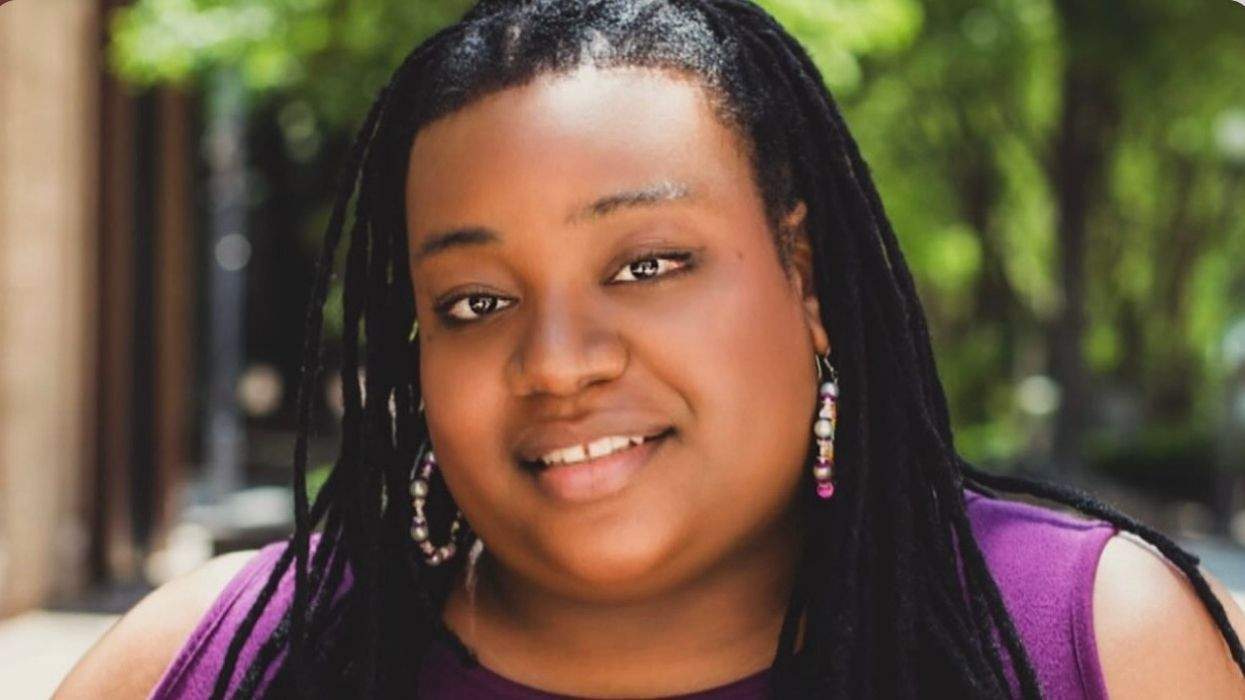

One night in June 2001, my friend Jeffrey invited me to speak on stage at a poetry slam. I was 18 years old and had just graduated from high school the week before. Jeffrey thought it would be a good way for me to tell others my story in a safe environment. As we walked to the slam, I could feel my stomach churning from nervousness. “Ah, we’re here,” he said.
We had arrived at Spontaneous Celebrations, a well-known community center in my hometown of Boston. The room inside was already alive as we entered. Bright lights spilled across a sea of faces; folks of every background. It was a mosaic of humanity, with every person carrying their own story. There was an elevated wooden stage at the front of the room with a sign-up sheet beside it. Jeffrey took a seat, and I, nervous but determined, meekishly wrote my name down. I counted six names before mine in the lineup.
I sat down and watched as each performer took the stage. Some recited poems with fire in their voices. Others cracked jokes, sang songs, or played the guitar. The room pulsed with laughter, applause, and the kind of magnetic energy that ignites when something sacred is being shared. I watched their reverie with a knot in my stomach. I was terrified.
Then they called my name.
Related: A powerful civil rights group is hitting the road and going to red states. Here's why
Related: These are not ordinary times: How the Human Rights Campaign plans to move forward
I stood up, and my legs suddenly felt like rubber. As I walked toward the stage, the crowd blurred into a wall of eyes, all of them watching, all of them waiting. I gripped the microphone, my forehead slick with sweat, and said, “My name is Nia Desiré Clark. I am 18 years old, and I am homeless.”
The room fell silent. Not the kind of silence that feels empty, but rather the kind that holds its breath with stark anticipation.
“My foster mother kicked me out last week. I just graduated high school,” I continued. “My friend brought me here because I have nowhere else to turn. I need a place to live, but only for a little while. I start college in September. I just need three months of housing to make it there. I don’t want to go to the shelters. It’s not safe for transgender people like me. I don’t want to sleep on the street tonight.”
I paused, feeling a sizable lump in my throat. “If you take a chance on me, I’ll do whatever you ask. I’ll clean. I’ll cook. I just need this opportunity. I can see my future and have a dream for myself. I just need to get through the next three months. Thank you.”
As I hung the microphone back on its stand and stepped off the stage, I felt stripped bare and exposed. I was too ashamed and afraid to meet anyone’s eyes and deal with their confusion or judgment. I just wanted to get back to my seat, fold into myself, and vanish into oblivion.
Related: Inside the fight against Trump in red states: It 'isn't just about Pride. It's about power'
But then something miraculous happened.
One by one, people approached me. Each held out scraps of paper with names, addresses, and phone numbers with offers like “You can stay with me for a few days,” and “I’m leaving town for a week, wanna house sit?” and “I’ll be out of the country for a month. You can stay here.” By the end of the night, my palms were full of handwritten lifelines. My community had given me three months of housing - including that very night.
Surviving and exiting the foster care system was the most difficult challenge I ever faced. I survived — conquered, really — everything thrown at me and used those lived experiences to become a living, breathing agent of change. I became, through adversity, an expert on survival and thus an expert in my life. And I had a powerful realization: my story could be a tool for change.
I believe each of us holds that same power - openness, vulnerability, resilience - and that our community needs to leverage that power to meet the urgency of this moment. That belief is at the heart of Voices for Equality, Human Rights Campaign’s national storytelling initiative.
Voices for Equality connects lived experiences to a broader movement for equality - building empathy, shifting public opinion about LGBTQ+ identities and experiences, and strengthening community leadership. Since its launch in July 2025, nearly 700 individuals have received storytelling training in cities like Atlanta, Columbus, Dallas, Las Vegas, and Nashville. These training sessions aren’t just about public speaking; they’re about reclaiming voice, building community, and sparking action through meaningful dialogue.
Related: Boston opens new park named after murdered Black transgender woman Rita Hester
Related: How community 'goodwill' helped open a new shelter for LGBTQ+ young adults in Harlem
In every city, we’ve seen how storytelling can shift culture. When someone shares their lived experience, whether it’s battling issues like anti-trans or anti-immigrant discrimination, access to HIV-related health care, or surviving youth homelessness, to overcoming the odds and thriving as an out, visible beacon of possibility for others, it transforms them.
These personal stories underscore the benefits of self-acceptance and affirmation, spark empathy and allyship, humanize the LGBTQ+ community, and inspire people to take more intentional action. In a moment where our own government is scrapping hard-won protections for LGBTQ+ youth in foster care, young people whose stories deserve to be heard, storytelling has never been more important.
Add your story to our One Million Voices for Equality initiative and help us show the world how strong, beautiful, and powerful our community is. Voices for Equality is a reminder that every voice matters. That healing begins when we speak. That change begins when we listen.
Nia Desiré Clark, MSW, is a senior specialist in strategic outreach and training at the Human Rights Campaign.
Opinions is dedicated to featuring a wide range of inspiring personal stories and impactful opinions from the LGBTQ+ community and its allies. Visit Advocate.com/submit to learn more about submission guidelines. Views expressed in Opinions are those of the guest writers, columnists, and editors, and do not directly represent the views of The Advocate or our parent company, equalpride.