'%3E%3Cpath d='M16.3574 35.6519H12.9537L15.0491 18.8873L16.3574 35.6519ZM30.4229 54.0093L22.309 0.994385H7.91795L0 54.0093H10.6634L11.5802 46.3855H17.4014L17.9914 54.0093H30.4229Z' fill='%23971B20'/%3E%3Cpath d='M48.2073 41.8813C48.2073 43.4049 47.4892 44.0011 46.1144 44.0011H43.7595V11.0687H46.1144C47.4892 11.0687 48.2073 11.6636 48.2073 13.1885V41.8813ZM59.5273 43.6695V11.3326C59.5273 3.71323 53.5729 0.994385 47.8157 0.994385H31.7213V54.0093H47.8157C53.5729 54.0093 59.5273 51.29 59.5273 43.6695Z' fill='%23971B20'/%3E%3Cpath d='M90.183 0.994385H78.6039L75.0711 30.6157L71.9955 0.994385H59.4346L69.2474 54.0093H80.373L90.183 0.994385Z' fill='%23971B20'/%3E%3Cpath d='M107.063 42.3448C107.063 43.7359 105.951 44.5974 104.643 44.5974C103.269 44.5974 102.157 43.7359 102.157 42.3448V12.658C102.157 11.2676 103.269 10.4058 104.643 10.4058C105.951 10.4058 107.063 11.2676 107.063 12.658V42.3448ZM119.233 43.2723V11.7312C119.233 6.36384 112.952 -3.8147e-06 104.643 -3.8147e-06C96.2667 -3.8147e-06 89.9867 6.36384 89.9867 11.7312V43.2723C89.9867 48.6393 96.2667 55 104.643 55C112.952 55 119.233 48.6393 119.233 43.2723Z' fill='%23971B20'/%3E%3Cpath d='M150.976 43.9349V33.7309H139.069V42.3448C139.069 43.7359 137.957 44.5974 136.582 44.5974C135.076 44.5974 133.964 43.7359 133.964 42.3448V12.658C133.964 11.2676 135.076 10.4058 136.582 10.4058C137.957 10.4058 139.069 11.2676 139.069 12.658V21.2723H150.976V11.0687C150.976 5.70107 145.283 -3.8147e-06 136.582 -3.8147e-06C127.75 -3.8147e-06 121.796 5.70107 121.796 11.0687V43.9349C121.796 49.3022 127.75 55 136.582 55C145.283 55 150.976 49.3022 150.976 43.9349Z' fill='%23971B20'/%3E%3Cpath d='M167.478 35.6519H164.076L166.17 18.8873L167.478 35.6519ZM181.544 54.0093L173.432 0.994385H159.037L151.123 54.0093H161.785L162.704 46.3855H168.523L169.114 54.0093H181.544Z' fill='%23971B20'/%3E%3Cpath d='M205.412 10.4058V0.994385H177.081V10.4058H185.392V54.0093H197.428V10.4058H205.412Z' fill='%23971B20'/%3E%3Cpath d='M230.002 54.0093V43.9349H218.914V31.8746H226.635V21.8028H218.914V10.4058H230.002V0.994385H206.875V54.0093H230.002Z' fill='%23971B20'/%3E%3C/g%3E%3Cdefs%3E%3CclipPath id='clip0_260_7080'%3E%3Crect width='230' height='55' fill='white'/%3E%3C/clipPath%3E%3C/defs%3E%3C/svg%3E)

I started my career as a high school history teacher back in 1985. I taught my students about the Holocaust every year and was fortunate enough one summer to be selected for a special National Endowment for the Humanities seminar for teachers, led by Professor Lawrence Langer, a leading Holocaust scholar. Professor Langer came up with the term the “choiceless choice” to describe the no-win situations Jews were put in during the Holocaust, when there was simply no real choice to be made in the face of the genocidal Nazis. The idea has stuck with me for four decades.
It came to mind again when I read a recent Washington Post article following the Supreme Court’s adverse ruling in our case, BPJ v. West Virginia, on June 30, in which Julian Mark writes, “Critics, including some trans rights advocates, say the movement has rushed to tee up causes that the court’s 6-3 conservative majority is not ready to embrace.” While elements of the article were thoughtful, it is based on a flawed premise that warrants exploration.
First of all, the idea that “the [LGBTQ+] movement has rushed to tee up [trans] causes” is completely off the mark. There have been 2,446 bills designed to limit the rights of LGBTQ+ people introduced into state legislatures since 2022 -- at least one in every single one of our 50 states -- and 255 of them have become law in 27 states. The large majority of these laws are aimed at trans people. The LGBTQ+ movement didn’t “tee up” these laws: the opponents of the LGBTQ+ movement did, because they saw a political advantage to be won by picking on a small and relatively powerless minority and cynically exploited it. In other words, we didn’t pick this fight. We didn’t “tee up” trans issues. Our opponents did.
That left those of us who care about LGBTQ+ equality – and particularly the rights of trans people – with what Professor Langer would have termed a “choiceless choice”: either let these hateful laws stand or challenge them in a federal court system that we knew was not favorably disposed to our cause. Neither option is good. But, as the Holocaust survivor Elie Weisel said in accepting his 1986 Nobel Prize, “There may be times when we are powerless to prevent injustice, but there must never be a time when we fail to protest against it.”
Now I am not comparing what is happening in the US today to the Holocaust, nor am I saying the LGBTQ+ community is powerless. But we face a set of difficult choices, and we have chosen to fight, even though we knew going in that the odds were not necessarily in our favor. And I don’t regret that choice for one minute. What else could we do?
Some say we should have pursued remedy through state courts. Well, guess what: we have done so, and with some success. A case in point is Montana, where our allies at the ACLU used state courts to successfully challenge a law impairing the ability of trans people to get accurate identity documents and where Lambda Legal successfully challenged the state’s attempt to restrict access to health care for trans young people. We know this strategy can be effective, as we deployed it in the fights for marriage equality and to overturn laws that criminalized same-sex relationships. But it’s at best a partial solution, and to abandon the federal courts and – with it – the 14th Amendment’s promise of the equal protection of the law to all citizens, is not really an option. We must leverage every tool at our disposal, and we will continue to do so.
As wags often say, today’s dissent is tomorrow’s majority opinion – a premise we proved when we overturned the 1986 Bowers v. Hardwick decision, which upheld laws that criminalized same-sex relationships, in our landmark 2003 victory Lawrence v. Texas. The fight for equality is a long game, and we are in it to win it. There’s no other choice to be made.
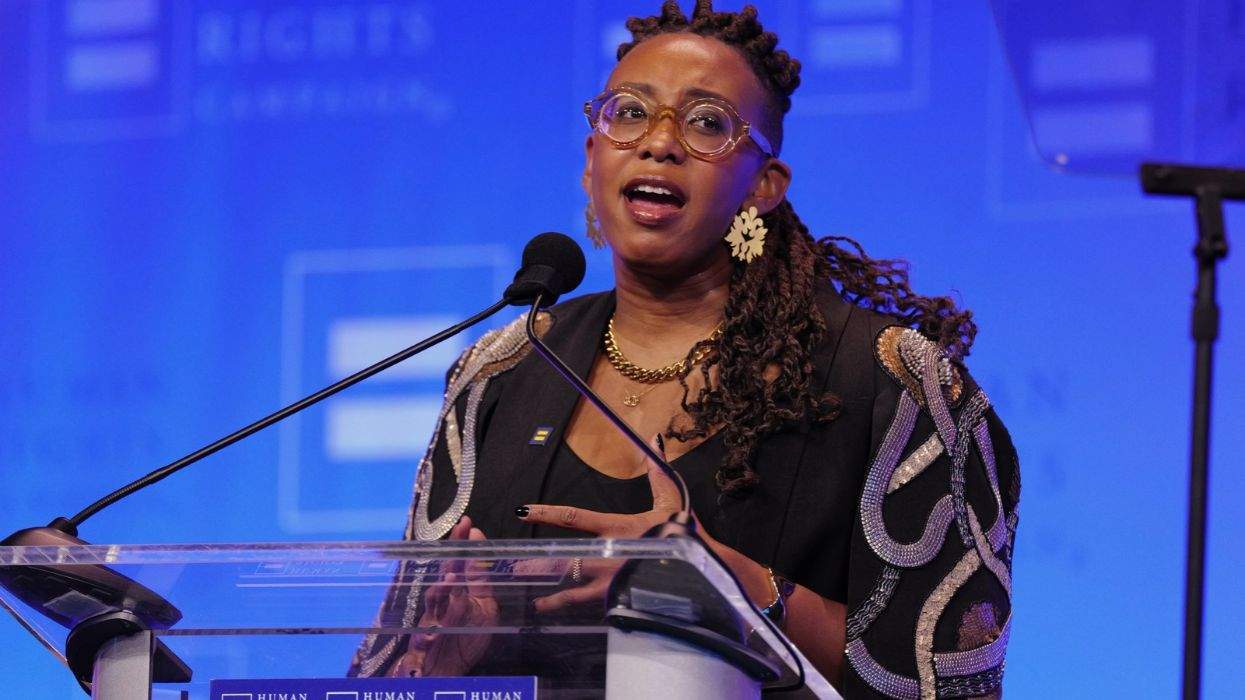
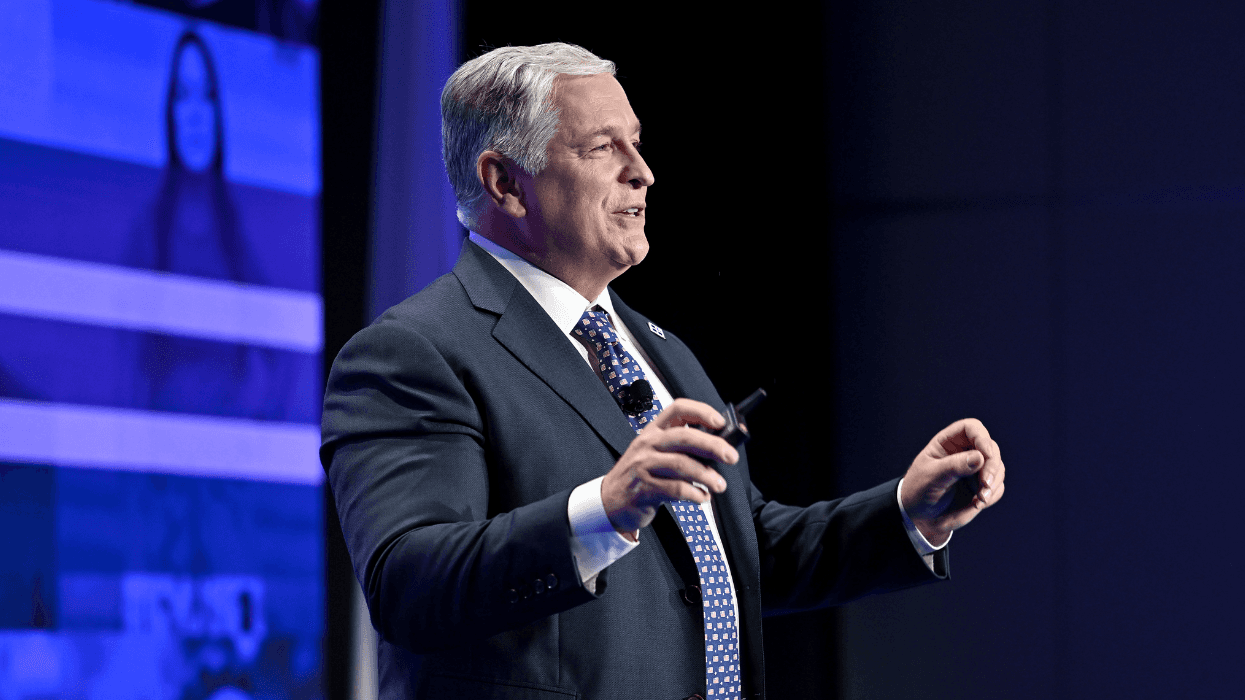
Kevin Jennings is CEO of Lambda Legal, the co-counsel in BPJ v. West Virginia.
Opinion is dedicated to featuring a wide range of inspiring personal stories and impactful opinions from the LGBTQ+ community and its allies. Visit Advocate.com/submit to learn more about submission guidelines. We welcome your thoughts and feedback on any of our stories. Email us at voices@equalpride.com. Views expressed in Voices stories are those of the guest writers, columnists, and editors, and do not directly represent the views of The Advocate or our parent company, equalpride.