'%3E%3Cpath d='M16.3574 35.6519H12.9537L15.0491 18.8873L16.3574 35.6519ZM30.4229 54.0093L22.309 0.994385H7.91795L0 54.0093H10.6634L11.5802 46.3855H17.4014L17.9914 54.0093H30.4229Z' fill='%23971B20'/%3E%3Cpath d='M48.2073 41.8813C48.2073 43.4049 47.4892 44.0011 46.1144 44.0011H43.7595V11.0687H46.1144C47.4892 11.0687 48.2073 11.6636 48.2073 13.1885V41.8813ZM59.5273 43.6695V11.3326C59.5273 3.71323 53.5729 0.994385 47.8157 0.994385H31.7213V54.0093H47.8157C53.5729 54.0093 59.5273 51.29 59.5273 43.6695Z' fill='%23971B20'/%3E%3Cpath d='M90.183 0.994385H78.6039L75.0711 30.6157L71.9955 0.994385H59.4346L69.2474 54.0093H80.373L90.183 0.994385Z' fill='%23971B20'/%3E%3Cpath d='M107.063 42.3448C107.063 43.7359 105.951 44.5974 104.643 44.5974C103.269 44.5974 102.157 43.7359 102.157 42.3448V12.658C102.157 11.2676 103.269 10.4058 104.643 10.4058C105.951 10.4058 107.063 11.2676 107.063 12.658V42.3448ZM119.233 43.2723V11.7312C119.233 6.36384 112.952 -3.8147e-06 104.643 -3.8147e-06C96.2667 -3.8147e-06 89.9867 6.36384 89.9867 11.7312V43.2723C89.9867 48.6393 96.2667 55 104.643 55C112.952 55 119.233 48.6393 119.233 43.2723Z' fill='%23971B20'/%3E%3Cpath d='M150.976 43.9349V33.7309H139.069V42.3448C139.069 43.7359 137.957 44.5974 136.582 44.5974C135.076 44.5974 133.964 43.7359 133.964 42.3448V12.658C133.964 11.2676 135.076 10.4058 136.582 10.4058C137.957 10.4058 139.069 11.2676 139.069 12.658V21.2723H150.976V11.0687C150.976 5.70107 145.283 -3.8147e-06 136.582 -3.8147e-06C127.75 -3.8147e-06 121.796 5.70107 121.796 11.0687V43.9349C121.796 49.3022 127.75 55 136.582 55C145.283 55 150.976 49.3022 150.976 43.9349Z' fill='%23971B20'/%3E%3Cpath d='M167.478 35.6519H164.076L166.17 18.8873L167.478 35.6519ZM181.544 54.0093L173.432 0.994385H159.037L151.123 54.0093H161.785L162.704 46.3855H168.523L169.114 54.0093H181.544Z' fill='%23971B20'/%3E%3Cpath d='M205.412 10.4058V0.994385H177.081V10.4058H185.392V54.0093H197.428V10.4058H205.412Z' fill='%23971B20'/%3E%3Cpath d='M230.002 54.0093V43.9349H218.914V31.8746H226.635V21.8028H218.914V10.4058H230.002V0.994385H206.875V54.0093H230.002Z' fill='%23971B20'/%3E%3C/g%3E%3Cdefs%3E%3CclipPath id='clip0_260_7080'%3E%3Crect width='230' height='55' fill='white'/%3E%3C/clipPath%3E%3C/defs%3E%3C/svg%3E)
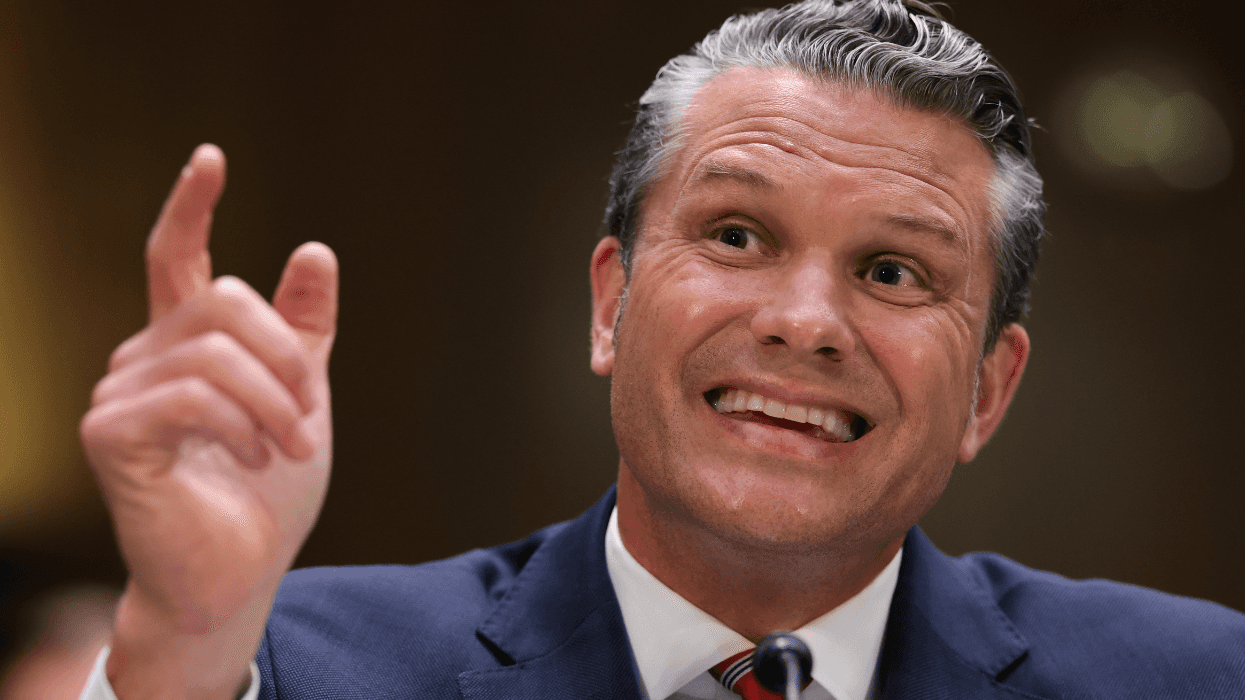
In February, Defense Secretary Pete Hegseth announced that Scouting America had signed a Memorandum of Understanding with the Department of Defense. He described it as a rollback of the inclusive changes Scouting America had made over the past decade: birth sex-only membership designations, sex-separated facilities, and the end of diversity programming. He also put Scouting on a six-month compliance clock.
I know something about what happens when Scouting becomes a battleground over who is fit to belong. In 1990, the Boy Scouts expelled me because I was gay. I sued them when I was twenty-one. Eight years later, the Supreme Court ruled 5-4 in Boy Scouts of America v. Dale that the Scouts had a First Amendment right to exclude me.
That decision was devastating. I heard the news from someone who caught it on the radio, standing in Lambda Legal’s office, and all I wanted was to be anywhere else, but I knew I had to go out and tell the world something positive had come from it, even though I felt broken. It also rested on a principle that matters now: the government cannot tell a private association whom it must accept as members when doing so would interfere with the organization’s expressive choices.
Which is why the current dispute is so stark.
Scouting America told a different story from the one Hegseth told. Its CEO said transgender youth were still welcome. Its press release did not mention the terms Hegseth had described. Local troop leaders were reportedly told by national leadership that while a formal memorandum of understanding existed, “not all the stuff Hegseth said is in it.”
Those accounts are difficult to reconcile. One document would answer the question: the signed MOU itself.
The Pentagon has publicly described the agreement. It has selectively quoted from it. It has used it to condition Scouting’s military support and access to military facilities. But when I submitted a Freedom of Information Act request in March to see the document, the government did not produce it.
FOIA gives the government 20 working days to respond. The Pentagon let that deadline pass. It cited “unusual circumstances,” pointed to a backlog of more than three thousand other requests, and dropped mine into a queue. When I appealed, the case was sent back to the same office that had already failed to act. The final letter told me that if I was dissatisfied, I could sue.
So last week, I did.
I filed a lawsuit to compel the government to release the MOU to the public. The government has not identified any FOIA exemption that would justify withholding it. The closest it has come to an explanation is to say that it would not comment because the matter is now in litigation. But the litigation exists only because the government refused to release the document in the first place.
On or around August 27, the Pentagon is expected to evaluate whether Scouting America has made “substantial progress” toward the MOU’s terms. That date is now weeks away. The public is being asked to accept a government judgment against a standard it has never been allowed to read.
This feels more like a dictatorship than a democracy every day.
Scouting America also appears to be changing its practices in ways that deserve scrutiny. Reports circulated in April that the organization had canceled planned affinity spaces at the National Scout Jamboree, including an LGBTQ+ space. The Jamboree is Scouting America’s flagship event, welcoming tens of thousands of scouts for ten days in late July. Scouting America has said the change was programmatic. It also discontinued the Citizenship in Society merit badge, which was designed to help Scouts explore diversity, equity, inclusion, and ethical leadership, on the same day Hegseth made his announcement.
I don’t know exactly what Scouting America agreed to. But I have a hunch the Pentagon is not telling the full story, and that the people running Scouting are trying to hold the line, if imperfectly. The public deserves to judge for itself.
There is a legal irony here that I have been sitting with for months.
The Supreme Court decision allowing the Scouts to expel me was based on the idea that the government could not compel a private organization to include someone whose presence, in the organization’s view, would interfere with its message. So I went from an Eagle Scout to a banner, a symbol, a thing. Not somebody who had dedicated my entire life to the values of Scouting that I believed in with all my heart. I hated that decision then, and I still know what it cost. But the First Amendment principle the Court recognized cannot belong only to exclusion.
How could the government say the Scouts had the right to expel me because I was gay, but then turn around and tell them they could not have transgender kids? The same freedom of association that ran against me must now run against Hegseth.
I never expected to invoke Dale in defense of Scouting. But the ruling used against me may now be one of the shields that protect the kids I went back to Scouting for.
I filed this lawsuit on June 25, three days before the 26th anniversary of the day the Supreme Court told me I had lost. This time, I am not fighting the Scouts. I am fighting to protect them.
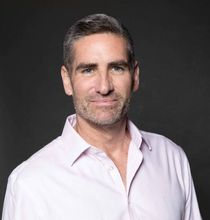
James Dale is a civil rights activist, writer, and speaker best known as the plaintiff in the landmark Supreme Court case Boy Scouts of America v. Dale.
Opinion is dedicated to featuring a wide range of inspiring personal stories and impactful opinions from the LGBTQ+ community and its allies. Visit Advocate.com/submit to learn more about submission guidelines. We welcome your thoughts and feedback on any of our stories. Email us at voices@equalpride.com. Views expressed in Voices stories are those of the guest writers, columnists, and editors, and do not directly represent the views of The Advocate or our parent company, equalpride.