'%3E%3Cpath d='M16.3574 35.6519H12.9537L15.0491 18.8873L16.3574 35.6519ZM30.4229 54.0093L22.309 0.994385H7.91795L0 54.0093H10.6634L11.5802 46.3855H17.4014L17.9914 54.0093H30.4229Z' fill='%23971B20'/%3E%3Cpath d='M48.2073 41.8813C48.2073 43.4049 47.4892 44.0011 46.1144 44.0011H43.7595V11.0687H46.1144C47.4892 11.0687 48.2073 11.6636 48.2073 13.1885V41.8813ZM59.5273 43.6695V11.3326C59.5273 3.71323 53.5729 0.994385 47.8157 0.994385H31.7213V54.0093H47.8157C53.5729 54.0093 59.5273 51.29 59.5273 43.6695Z' fill='%23971B20'/%3E%3Cpath d='M90.183 0.994385H78.6039L75.0711 30.6157L71.9955 0.994385H59.4346L69.2474 54.0093H80.373L90.183 0.994385Z' fill='%23971B20'/%3E%3Cpath d='M107.063 42.3448C107.063 43.7359 105.951 44.5974 104.643 44.5974C103.269 44.5974 102.157 43.7359 102.157 42.3448V12.658C102.157 11.2676 103.269 10.4058 104.643 10.4058C105.951 10.4058 107.063 11.2676 107.063 12.658V42.3448ZM119.233 43.2723V11.7312C119.233 6.36384 112.952 -3.8147e-06 104.643 -3.8147e-06C96.2667 -3.8147e-06 89.9867 6.36384 89.9867 11.7312V43.2723C89.9867 48.6393 96.2667 55 104.643 55C112.952 55 119.233 48.6393 119.233 43.2723Z' fill='%23971B20'/%3E%3Cpath d='M150.976 43.9349V33.7309H139.069V42.3448C139.069 43.7359 137.957 44.5974 136.582 44.5974C135.076 44.5974 133.964 43.7359 133.964 42.3448V12.658C133.964 11.2676 135.076 10.4058 136.582 10.4058C137.957 10.4058 139.069 11.2676 139.069 12.658V21.2723H150.976V11.0687C150.976 5.70107 145.283 -3.8147e-06 136.582 -3.8147e-06C127.75 -3.8147e-06 121.796 5.70107 121.796 11.0687V43.9349C121.796 49.3022 127.75 55 136.582 55C145.283 55 150.976 49.3022 150.976 43.9349Z' fill='%23971B20'/%3E%3Cpath d='M167.478 35.6519H164.076L166.17 18.8873L167.478 35.6519ZM181.544 54.0093L173.432 0.994385H159.037L151.123 54.0093H161.785L162.704 46.3855H168.523L169.114 54.0093H181.544Z' fill='%23971B20'/%3E%3Cpath d='M205.412 10.4058V0.994385H177.081V10.4058H185.392V54.0093H197.428V10.4058H205.412Z' fill='%23971B20'/%3E%3Cpath d='M230.002 54.0093V43.9349H218.914V31.8746H226.635V21.8028H218.914V10.4058H230.002V0.994385H206.875V54.0093H230.002Z' fill='%23971B20'/%3E%3C/g%3E%3Cdefs%3E%3CclipPath id='clip0_260_7080'%3E%3Crect width='230' height='55' fill='white'/%3E%3C/clipPath%3E%3C/defs%3E%3C/svg%3E)


Loneliness is one of the most common issues that comes up in the work I do with gay men.
Regardless of age, it's a topic that comes up repeatedly in therapy. Loneliness is rarely about being alone, though. More often, it's about carrying thoughts, feelings, or experiences we don't feel safe to share. Psychologist Carl Jung, a pioneer in understanding the human psyche, said, "Loneliness does not come from having no people around you, but from being unable to communicate the things that seem important to you."
For many gay men, the challenge isn't a lack of people—it's not having spaces where they can show up as themselves and talk about the things that matter most to them. A lifetime, or a childhood, can pass without the chance to talk about feelings, desires, or interests. Or, what's more, without having those feelings mirrored or reflected back in any way.
A 2017 article about the epidemic of loneliness among gay men, which is nearly a decade old, was a required read in graduate school and continues to strike a chord among gay men today. The entire article explores a type of loneliness that many gay men continue to face. Even in spaces that are socially accepting, visibility and legal progress haven't erased a persistent feeling of isolation. The article describes how loneliness often comes not from a lack of community but from the challenge of being truly known.
The work of coming out can bring freedom in some ways, but it doesn't automatically lead to connection.
Loneliness, particularly for gay men, often manifests subtly. In my life, coming out offered an early rush of relief—a sort of temporary satiation of loneliness. Still, it didn't address the deeper patterns I had internalized. My response to loneliness over the years often looked like withdrawing, keeping relationships at a surface level, or overcompensating to fit the expectations I thought others had of me.
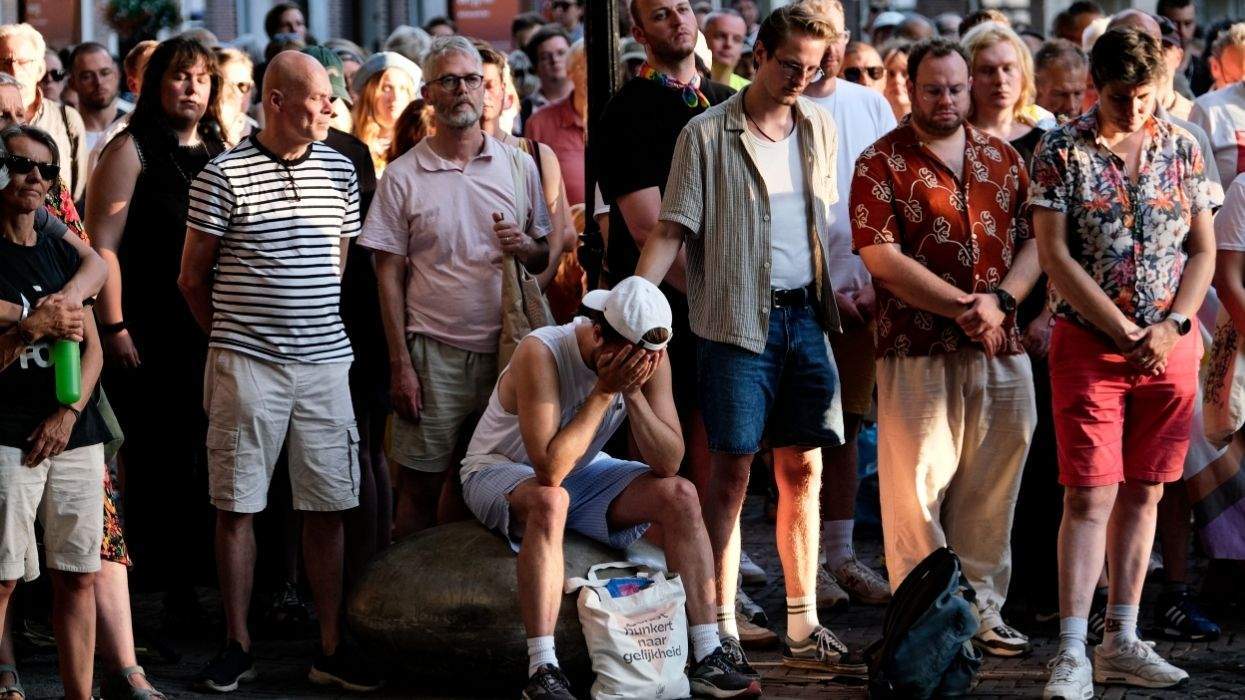
For many gay men, this quiet internal tension—believing no one could fully understand their experience—can chip away at self-esteem and make genuine intimacy feel risky. And for those of us who have experienced rejection, bullying, or family disapproval, loneliness can feel like a shadow that follows us, even around supportive people and in settings that are meant to be accepting. It's like being in a room full of people but still feeling alone.
Part of what makes loneliness among gay men so pervasive is the mismatch between our internal reality and our external expression. Many of us have learned to hide parts of ourselves to protect against judgment or exclusion. The cost of this kind of self-protection is a chronic sense of isolation, even in moments when we are "out" and visible.
A client, who is an openly gay man here in Los Angeles, where I practice, recently shared in session that during a trip last week, he experienced two subtle forms of homophobia that completely caught him off guard. Echoes from his past that kicked up old defense mechanisms like shame and disconnection.
I often encourage folks to consider that our healing begins with awareness. When we start to notice the parts of our lives we hold back, whether out of fear, shame, or habit, we open the door to change. Therapy, supportive friendships, chosen family, or community spaces can give us opportunities to practice sharing our lives and ourselves safely.
Just last week, I was leaving work, pulling out of the parking lot in West Hollywood, CA—one of Los Angeles' gay neighborhoods, where Pride flags and gay bars line the streets—when a car with two men who reminded me of the type of guys who bullied me as a kid pulled up next to me at a red light. They weren't even in an actual lane; they pulled up just to harass me. The passenger, holding a loudspeaker, started calling me "faggot," while the driver glared at me, flipping me off and mouthing for me to get out of the car.
The experience rattled me. Here I was, an adult gay man, having just spent my day working with other gay men, leaving work in what should have been a safe neighborhood. Yet, I felt like I was back being taunted in high school. I thought about what I often tell my clients. Instead of just chalking the incident up to road rage or assholes, I called a friend to share my experience vulnerably. I let myself, my fear, and my younger, more fragile parts be seen. I needed to let go of the fear and shame.
The goal is not for us to perform vulnerability for approval, but to allow ourselves to exist fully and to test, even in small and incremental ways, what it feels like to be understood and truly seen. Most importantly, healing requires turning inward, which goes against what we're often told by society. Nothing "out there" will resolve an inner sense of loneliness.
Many gay men have internalized messages about worth, desire, and masculinity from family, society, and religion. These messages can make it feel unsafe to share our true thoughts, feelings, and desires. But our desire isn't dangerous. It's something sacred. Taking the time to notice and separate our internalized expectations from our authentic selves creates the space for genuine connection to emerge. The journey inward is both practical and reflective; practical in noticing patterns and making choices to engage differently, and reflective in observing the parts of ourselves that have been hidden and gradually integrating them into our lives.
The good news is that we can start small by saying what matters to us with people we trust, even if it feels awkward or risky. Notice how it feels when someone truly hears us, or when we hear ourselves out loud for the first time. Ultimately, the path through loneliness is about learning to speak what matters most so we are no longer alone with it. This is the work of letting ourselves be seen and known for who we really are.
True connection doesn't come just from being around people. It comes from showing up honestly and letting others see the parts of us we usually keep hidden. Healing from loneliness requires courage, self-compassion, and patience. It also opens the door to a sense of belonging that doesn't depend on others' approval but on our willingness to fully inhabit our own lives.
Chris Tompkins is a Licensed Marriage & Family Therapist specializing in working with adult gay men.Opinions is dedicated to featuring a wide range of inspiring personal stories and impactful opinions from the LGBTQ+ community and its allies. Visit Advocate.com/submit to learn more about submission guidelines. Views expressed in Opinions are those of the guest writers, columnists, and editors, and do not directly represent the views of The Advocate or our parent company, equalpride.