'%3E%3Cpath d='M16.3574 35.6519H12.9537L15.0491 18.8873L16.3574 35.6519ZM30.4229 54.0093L22.309 0.994385H7.91795L0 54.0093H10.6634L11.5802 46.3855H17.4014L17.9914 54.0093H30.4229Z' fill='%23971B20'/%3E%3Cpath d='M48.2073 41.8813C48.2073 43.4049 47.4892 44.0011 46.1144 44.0011H43.7595V11.0687H46.1144C47.4892 11.0687 48.2073 11.6636 48.2073 13.1885V41.8813ZM59.5273 43.6695V11.3326C59.5273 3.71323 53.5729 0.994385 47.8157 0.994385H31.7213V54.0093H47.8157C53.5729 54.0093 59.5273 51.29 59.5273 43.6695Z' fill='%23971B20'/%3E%3Cpath d='M90.183 0.994385H78.6039L75.0711 30.6157L71.9955 0.994385H59.4346L69.2474 54.0093H80.373L90.183 0.994385Z' fill='%23971B20'/%3E%3Cpath d='M107.063 42.3448C107.063 43.7359 105.951 44.5974 104.643 44.5974C103.269 44.5974 102.157 43.7359 102.157 42.3448V12.658C102.157 11.2676 103.269 10.4058 104.643 10.4058C105.951 10.4058 107.063 11.2676 107.063 12.658V42.3448ZM119.233 43.2723V11.7312C119.233 6.36384 112.952 -3.8147e-06 104.643 -3.8147e-06C96.2667 -3.8147e-06 89.9867 6.36384 89.9867 11.7312V43.2723C89.9867 48.6393 96.2667 55 104.643 55C112.952 55 119.233 48.6393 119.233 43.2723Z' fill='%23971B20'/%3E%3Cpath d='M150.976 43.9349V33.7309H139.069V42.3448C139.069 43.7359 137.957 44.5974 136.582 44.5974C135.076 44.5974 133.964 43.7359 133.964 42.3448V12.658C133.964 11.2676 135.076 10.4058 136.582 10.4058C137.957 10.4058 139.069 11.2676 139.069 12.658V21.2723H150.976V11.0687C150.976 5.70107 145.283 -3.8147e-06 136.582 -3.8147e-06C127.75 -3.8147e-06 121.796 5.70107 121.796 11.0687V43.9349C121.796 49.3022 127.75 55 136.582 55C145.283 55 150.976 49.3022 150.976 43.9349Z' fill='%23971B20'/%3E%3Cpath d='M167.478 35.6519H164.076L166.17 18.8873L167.478 35.6519ZM181.544 54.0093L173.432 0.994385H159.037L151.123 54.0093H161.785L162.704 46.3855H168.523L169.114 54.0093H181.544Z' fill='%23971B20'/%3E%3Cpath d='M205.412 10.4058V0.994385H177.081V10.4058H185.392V54.0093H197.428V10.4058H205.412Z' fill='%23971B20'/%3E%3Cpath d='M230.002 54.0093V43.9349H218.914V31.8746H226.635V21.8028H218.914V10.4058H230.002V0.994385H206.875V54.0093H230.002Z' fill='%23971B20'/%3E%3C/g%3E%3Cdefs%3E%3CclipPath id='clip0_260_7080'%3E%3Crect width='230' height='55' fill='white'/%3E%3C/clipPath%3E%3C/defs%3E%3C/svg%3E)
Forty-five years into the HIV epidemic, the pursuit of a safe and effective preventive HIV vaccine remains as important as ever. Scientists conducting the research, community members serving as clinical trial volunteers, the Community Advisory Boards (CABs) helping to guide the science, and advocates fighting for sustained funding all continue working toward one of the movement’s most urgent and enduring goals: a safe and effective preventive HIV vaccine.
Today, we have tools that previous generations fought, marched, researched, and organized to make possible. Pre-Exposure Prophylaxis (PrEP) and Post-Exposure Prophylaxis (PEP) have changed the prevention landscape. HIV treatment has transformed the lives of people living with HIV. We now know that when people living with HIV are on treatment and maintain an undetectable viral load, they do not transmit HIV sexually. So, does an HIV vaccine still matter?
The answer is not complicated. Treatments require access, adherence, and continuity of care. PrEP works, but only for those who can get it and stay on it. Every tool we have depends on a system reaching the people who need it, and our healthcare system has never reached everyone. A vaccine does not require a prescription, a refill, or a system that sees you and treats you with dignity. It works regardless.
An HIV vaccine is the tool that could change the math permanently, not just for people with access to good healthcare, but for everyone. It would not replace the other prevention tools we have. It would strengthen our prevention toolbox. It would give people and communities another option. And, if developed and delivered equitably, it could help close the gaps that current systems do not.
The scientific challenge
HIV is one of the most scientifically challenging targets for a vaccine researcher to tackle. The virus mutates in ways that have confounded standard vaccine approaches for decades. It integrates itself into the body’s own cells. It evades immune responses in ways that most pathogens do not. But every seemingly failed trial has taught us something new. And the field is in a genuinely different place than it was ten or even five years ago.
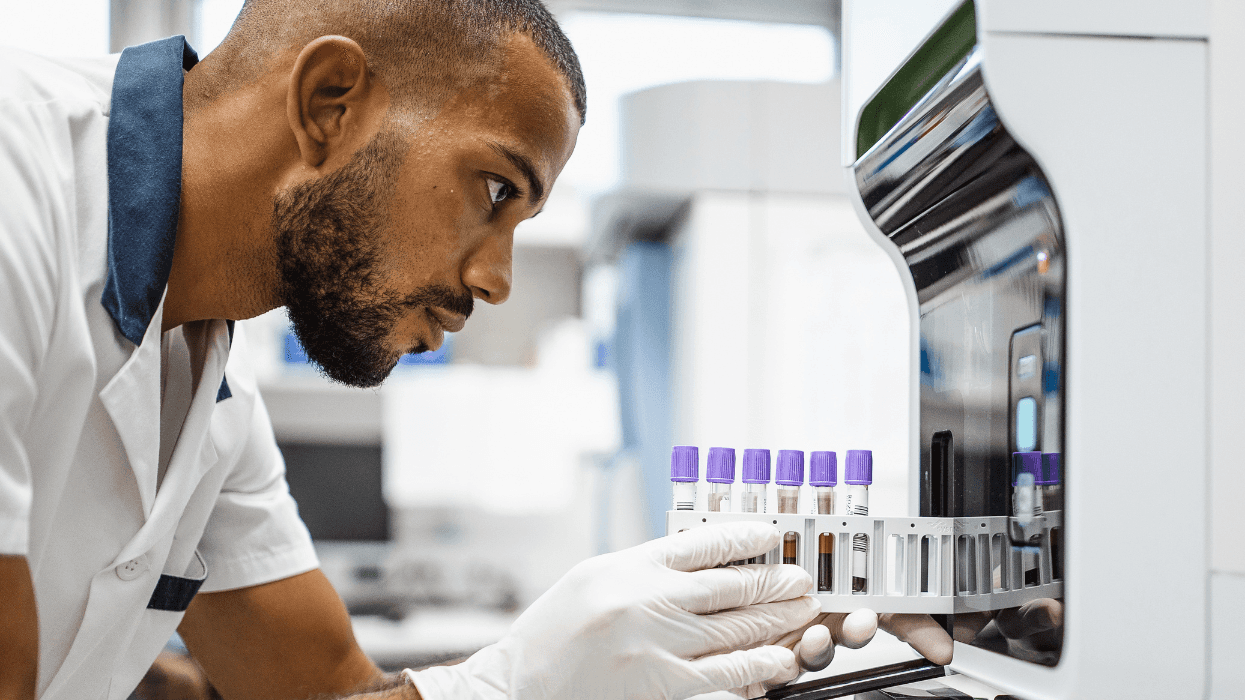
Studying how some people living with HIV can suppress the virus without taking medication has gifted us the science of broadly neutralizing antibodies (bnAbs), a potential new tool in the fight against HIV. Now, instead of solely relying on a vaccine to teach your body how to make bnAbs to defend against HIV, scientists are working on how to give bnAbs directly, providing nearly immediate protection.
Likewise, mRNA technology used for COVID-19 vaccines has emerged as an exciting new platform for HIV vaccine development, with the potential to create HIV vaccines that guide the body to produce bnAbs in a way that is both efficient to produce and highly scalable. Furthermore, the recent Antibody-Mediated Prevention (AMP) studies and early-stage vaccine trials have taught us the amount of bnAbs in the body required to achieve the protection necessary for an effective HIV vaccine.
These successes in HIV vaccine science plant seeds of hope that a safe and effective HIV vaccine is possible.
The communities still waiting
When we talk about why a vaccine still matters, we must talk about who is still waiting for it. Black and Brown Americans continue to bear a disproportionate share of new HIV infections in this country. Gay and bisexual men of color, transgender women, and people in the South with limited access to healthcare are the communities for whom every gap in the current prevention toolkit has the highest cost.
The burden has never been distributed evenly. Neither has the urgency to end it. An HIV vaccine is, at its core, a health equity intervention. That is why NMAC believes this pursuit belongs to the entire movement, not just the scientific community. An HIV vaccine will not come from a lab alone. It will come from the clinical trial participants who enroll, show up, and extend trust to a research enterprise that has not always earned it.
In HIV research, trust is everything. Communities of color and LGBTQ+ communities have legitimate historical reasons to be skeptical of medical institutions. Building the kind of trust that enables participation is not a peripheral concern in vaccine development. It is a prerequisite. You cannot run trials or get the results without it. And you cannot make a vaccine for the communities that need it most without centering their voices throughout the process.
What the pursuit requires
The pursuit continues because people have chosen, year after year, to keep it going. Researchers who run trials knowing the timeline is long. Community members who participate, knowing the benefit may not come in their lifetime. Advocates who keep HIV on the agenda even when the political will to address it is uneven.
That persistence requires resources. Federal investment in HIV vaccine research, through the NIH and PEPFAR, is what makes the science possible. When that investment is threatened, the pursuit does not simply pause. It loses ground that takes years to recover.
The pursuit continues
We pursued treatment when too many people were told there was no hope. We pursued access when lifesaving medications were kept out of reach. We pursued dignity when stigma tried to define people living with HIV by fear instead of humanity. We pursued prevention because communities deserved more than survival. They deserved choices, power, and futures.
And so, this pursuit continues. It continues because prevention still has gaps, and access is still unequal. It continues because no single tool will end HIV for every community, and communities most impacted deserve every possible option.
We honor the researchers, advocates, community educators, and clinical trial volunteers who are moving us closer to a safe and effective preventive HIV vaccine. We also recommit ourselves to the work that must happen alongside the science: building trust, protecting funding, strengthening community infrastructure, and making sure the communities that have carried the heaviest burden of HIV are not last in line for the next breakthrough.
Harold J. Phillips, MRP, is the CEO of the National Minority AIDS Council (NMAC), and Louis Shackelford is director of external relations at the HIV Vaccine Trials Network (HVTN). To learn more about HIV vaccine research, ongoing clinical trials, and advocacy efforts, visit the HIV Vaccine Trials Network and NMAC online at HVTN.org and NMAC.org.
Opinion is dedicated to featuring a wide range of inspiring personal stories and impactful opinions from the LGBTQ+ community and its allies. Visit Advocate.com/submit to learn more about submission guidelines. We welcome your thoughts and feedback on any of our stories. Email us at voices@equalpride.com. Views expressed in Voices stories are those of the guest writers, columnists, and editors, and do not directly represent the views of The Advocate or our parent company, equalpride.