
'%3E%3Cpath d='M16.3574 35.6519H12.9537L15.0491 18.8873L16.3574 35.6519ZM30.4229 54.0093L22.309 0.994385H7.91795L0 54.0093H10.6634L11.5802 46.3855H17.4014L17.9914 54.0093H30.4229Z' fill='%23971B20'/%3E%3Cpath d='M48.2073 41.8813C48.2073 43.4049 47.4892 44.0011 46.1144 44.0011H43.7595V11.0687H46.1144C47.4892 11.0687 48.2073 11.6636 48.2073 13.1885V41.8813ZM59.5273 43.6695V11.3326C59.5273 3.71323 53.5729 0.994385 47.8157 0.994385H31.7213V54.0093H47.8157C53.5729 54.0093 59.5273 51.29 59.5273 43.6695Z' fill='%23971B20'/%3E%3Cpath d='M90.183 0.994385H78.6039L75.0711 30.6157L71.9955 0.994385H59.4346L69.2474 54.0093H80.373L90.183 0.994385Z' fill='%23971B20'/%3E%3Cpath d='M107.063 42.3448C107.063 43.7359 105.951 44.5974 104.643 44.5974C103.269 44.5974 102.157 43.7359 102.157 42.3448V12.658C102.157 11.2676 103.269 10.4058 104.643 10.4058C105.951 10.4058 107.063 11.2676 107.063 12.658V42.3448ZM119.233 43.2723V11.7312C119.233 6.36384 112.952 -3.8147e-06 104.643 -3.8147e-06C96.2667 -3.8147e-06 89.9867 6.36384 89.9867 11.7312V43.2723C89.9867 48.6393 96.2667 55 104.643 55C112.952 55 119.233 48.6393 119.233 43.2723Z' fill='%23971B20'/%3E%3Cpath d='M150.976 43.9349V33.7309H139.069V42.3448C139.069 43.7359 137.957 44.5974 136.582 44.5974C135.076 44.5974 133.964 43.7359 133.964 42.3448V12.658C133.964 11.2676 135.076 10.4058 136.582 10.4058C137.957 10.4058 139.069 11.2676 139.069 12.658V21.2723H150.976V11.0687C150.976 5.70107 145.283 -3.8147e-06 136.582 -3.8147e-06C127.75 -3.8147e-06 121.796 5.70107 121.796 11.0687V43.9349C121.796 49.3022 127.75 55 136.582 55C145.283 55 150.976 49.3022 150.976 43.9349Z' fill='%23971B20'/%3E%3Cpath d='M167.478 35.6519H164.076L166.17 18.8873L167.478 35.6519ZM181.544 54.0093L173.432 0.994385H159.037L151.123 54.0093H161.785L162.704 46.3855H168.523L169.114 54.0093H181.544Z' fill='%23971B20'/%3E%3Cpath d='M205.412 10.4058V0.994385H177.081V10.4058H185.392V54.0093H197.428V10.4058H205.412Z' fill='%23971B20'/%3E%3Cpath d='M230.002 54.0093V43.9349H218.914V31.8746H226.635V21.8028H218.914V10.4058H230.002V0.994385H206.875V54.0093H230.002Z' fill='%23971B20'/%3E%3C/g%3E%3Cdefs%3E%3CclipPath id='clip0_260_7080'%3E%3Crect width='230' height='55' fill='white'/%3E%3C/clipPath%3E%3C/defs%3E%3C/svg%3E)


A new phase in the fight over transgender rights is unfolding, not in legislatures, but at the ballot box.
In at least four states, voters are poised to decide measures targeting transgender people in 2026, as a coordinated wave of Republican proposals advances through citizen initiatives and legislative referrals. Some have already qualified for the ballot, while others are moving through final procedural steps after lawmakers declined to act.
Keep up with the latest in LGBTQ+ news and politics. Sign up for The Advocate's email newsletter.
Advocates say the shift reflects a strategic pivot after years of legislative battles that stalled or failed.
“This harkens back to 2004 and the playbook around marriage equality,” Alana Jochum, state policy director at Advocates for Trans Equality, told The Advocate. “Our opposition [is] turning to an old playbook to try to scapegoat a small percentage of the population.”
After years of introducing hundreds of anti-trans bills in state legislatures, many of which failed, groups backing these measures are increasingly turning to ballot initiatives to bypass lawmakers and appeal directly to voters.
“This is a bad-faith attempt to politicize a small segment of the population,” Jochum said.
More measures could still qualify in the months ahead, potentially expanding the electoral map even further.
“All of these are anti-democratic attacks,” Jochum said.
Missouri
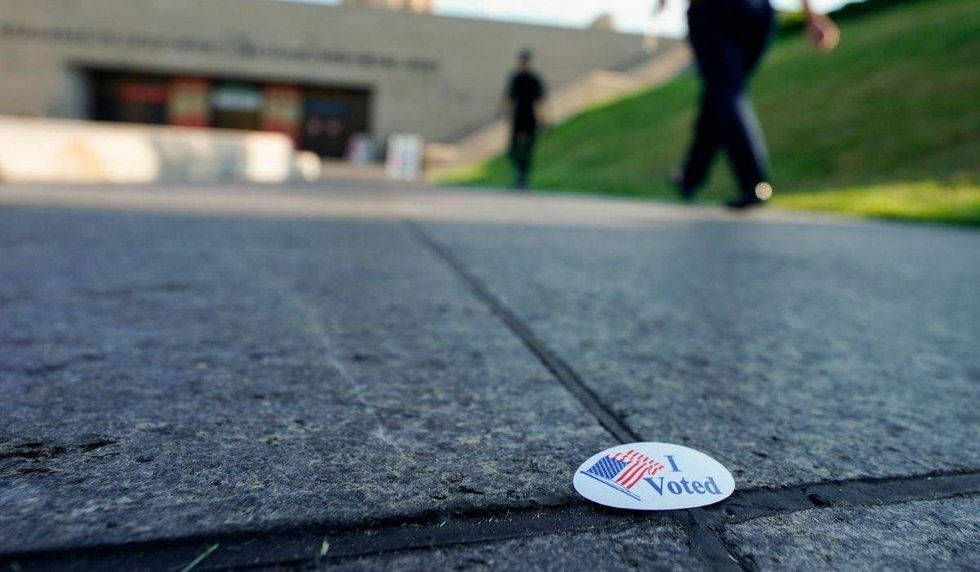
Voters leave their local polling station after voting in the Missouri Primary Election at the National WWI Museum and Memorial on August 02, 2022, in Kansas City, Missouri.
Kyle Rivas/Getty Images
Missouri is the furthest along and the most politically complex. Amendment 3 is already certified for the November 2026 ballot and would ban gender-affirming care for minors, including puberty blockers, hormone treatments, and surgeries, while also rolling back abortion rights approved by voters in 2024.
Advocates say the pairing is designed to reshape voter coalitions. One ballot measure “has already made it to the ballot in Missouri… to not only overturn that reproductive freedom [measure], but to go after gender-affirming care for young people,” Chris Melody Fields Figueredo of the Ballot Initiative Strategy Center, told The Advocate.
The structure of the measure appears deliberate. Missouri Independent found that including a ban on gender-affirming care increases support for the broader effort to restrict abortion, showing how transgender issues are being folded into wider political campaigns.
A separate, citizen-led proposal in Missouri would move in the opposite direction, adding gender identity to statewide nondiscrimination protections in housing, employment, and public accommodations.
Colorado
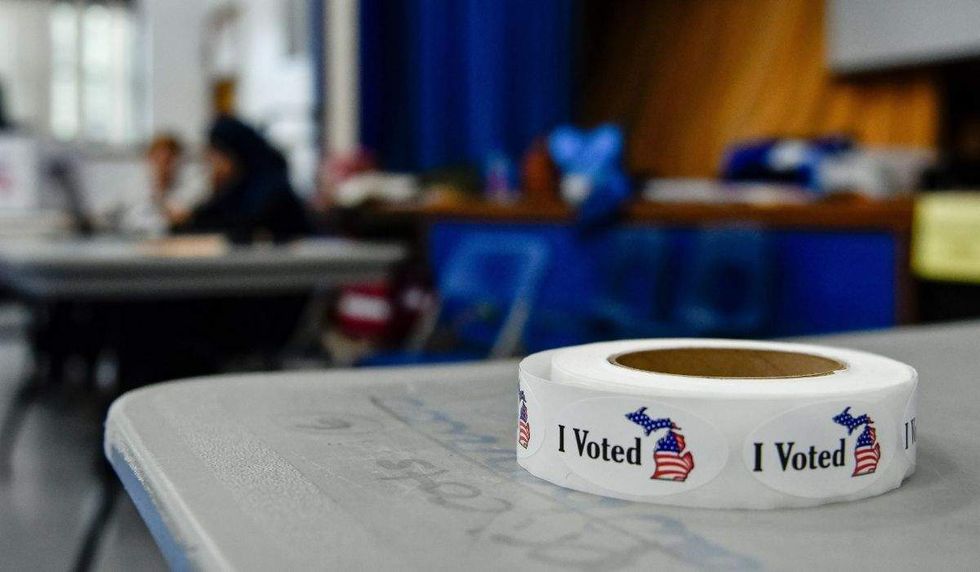
I Voted" stickers are seen as voters cast their ballots for the US presidential and congressional elections at Dearborn High School in Dearborn, MI on November 5, 2024.
Adam James Dewey/Anadolu via Getty Images
Colorado is emerging as the most expansive battleground. Two anti-trans measures have qualified for the ballot, according to reporting from Colorado Public Radio and The Colorado Sun.
One would bar transgender students from participating in sports aligned with their gender identity across K-12 and college athletics. The second would restrict gender-affirming care for minors, including limiting the use of public funds or insurance coverage.
“We have repeatedly been able to defeat those measures,” Jochum said. “It’s often those states [where]… these anti-trans measures [are] trying to bypass the legislative process.
Maine
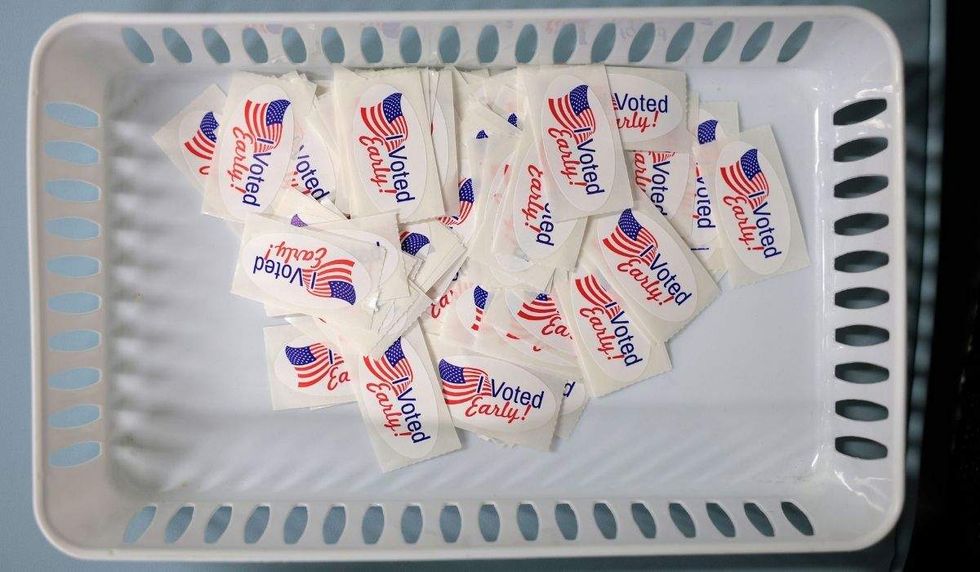
"I voted early" stickers are prepared for people who cast their ballots on the first day of early voting at the polling place at the Western Government Center on September 19, 2025, in Henrico, Virginia.
Chip Somodevilla/Getty Images
In Maine, a citizen initiative targeting transgender students has qualified for the ballot after organizers gathered enough signatures, according to Maine Public.
The proposal would require school sports participation and access to certain facilities to be based on sex assigned at birth, reversing current inclusive policies. Under state law, the measure will first go to the legislature, which can choose to enact it or send it to voters. If lawmakers don’t step in, it will make it to the ballot.
The initiative sets up a direct test in a state where gender identity is already protected under civil rights law
Washington
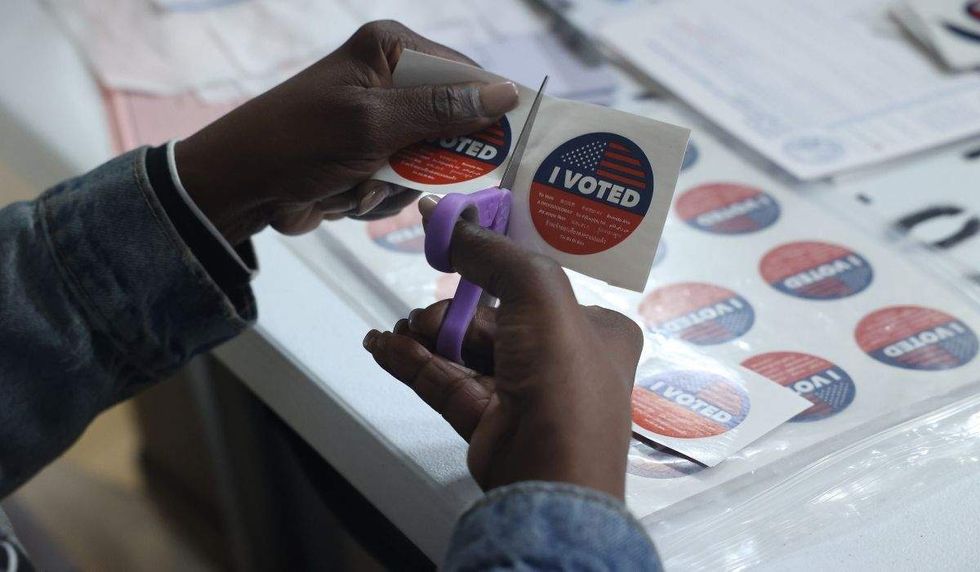
Volunteer LashawnSmith cuts, 'I Voted," stickers for voters at Compton College on Tuesday, Nov. 5, 2024, in Compton, CA.
Michael Blackshire / Los Angeles Times via Getty Images
In Washington, a proposal focused on school athletics is advancing after lawmakers declined to adopt it. The initiative would require verification from a health care provider that a student was assigned female at birth and would rely on evidence based on genetics, anatomy, or testosterone levels before participating in girls’ sports.
Because the legislature adjourned without passing the measure, it is expected to move forward to the ballot, placing another Democratic-leaning state at the center of the national fight.








Charlie Kirk DID say stoning gay people was the 'perfect law' — and these other heinous quotes
These are some of his worst comments about LGBTQ+ people made by Charlie Kirk.