'%3E%3Cpath d='M16.3574 35.6519H12.9537L15.0491 18.8873L16.3574 35.6519ZM30.4229 54.0093L22.309 0.994385H7.91795L0 54.0093H10.6634L11.5802 46.3855H17.4014L17.9914 54.0093H30.4229Z' fill='%23971B20'/%3E%3Cpath d='M48.2073 41.8813C48.2073 43.4049 47.4892 44.0011 46.1144 44.0011H43.7595V11.0687H46.1144C47.4892 11.0687 48.2073 11.6636 48.2073 13.1885V41.8813ZM59.5273 43.6695V11.3326C59.5273 3.71323 53.5729 0.994385 47.8157 0.994385H31.7213V54.0093H47.8157C53.5729 54.0093 59.5273 51.29 59.5273 43.6695Z' fill='%23971B20'/%3E%3Cpath d='M90.183 0.994385H78.6039L75.0711 30.6157L71.9955 0.994385H59.4346L69.2474 54.0093H80.373L90.183 0.994385Z' fill='%23971B20'/%3E%3Cpath d='M107.063 42.3448C107.063 43.7359 105.951 44.5974 104.643 44.5974C103.269 44.5974 102.157 43.7359 102.157 42.3448V12.658C102.157 11.2676 103.269 10.4058 104.643 10.4058C105.951 10.4058 107.063 11.2676 107.063 12.658V42.3448ZM119.233 43.2723V11.7312C119.233 6.36384 112.952 -3.8147e-06 104.643 -3.8147e-06C96.2667 -3.8147e-06 89.9867 6.36384 89.9867 11.7312V43.2723C89.9867 48.6393 96.2667 55 104.643 55C112.952 55 119.233 48.6393 119.233 43.2723Z' fill='%23971B20'/%3E%3Cpath d='M150.976 43.9349V33.7309H139.069V42.3448C139.069 43.7359 137.957 44.5974 136.582 44.5974C135.076 44.5974 133.964 43.7359 133.964 42.3448V12.658C133.964 11.2676 135.076 10.4058 136.582 10.4058C137.957 10.4058 139.069 11.2676 139.069 12.658V21.2723H150.976V11.0687C150.976 5.70107 145.283 -3.8147e-06 136.582 -3.8147e-06C127.75 -3.8147e-06 121.796 5.70107 121.796 11.0687V43.9349C121.796 49.3022 127.75 55 136.582 55C145.283 55 150.976 49.3022 150.976 43.9349Z' fill='%23971B20'/%3E%3Cpath d='M167.478 35.6519H164.076L166.17 18.8873L167.478 35.6519ZM181.544 54.0093L173.432 0.994385H159.037L151.123 54.0093H161.785L162.704 46.3855H168.523L169.114 54.0093H181.544Z' fill='%23971B20'/%3E%3Cpath d='M205.412 10.4058V0.994385H177.081V10.4058H185.392V54.0093H197.428V10.4058H205.412Z' fill='%23971B20'/%3E%3Cpath d='M230.002 54.0093V43.9349H218.914V31.8746H226.635V21.8028H218.914V10.4058H230.002V0.994385H206.875V54.0093H230.002Z' fill='%23971B20'/%3E%3C/g%3E%3Cdefs%3E%3CclipPath id='clip0_260_7080'%3E%3Crect width='230' height='55' fill='white'/%3E%3C/clipPath%3E%3C/defs%3E%3C/svg%3E)


Despite ever-growing food and fuel prices, an ailing health care system, and violent conflicts in the U.S. and abroad, the far right has decided to continue to wage war on transgender student-athletes. And while politicians debate the topic within our nation’s highest offices, many forget about the real human beings who are affected.
Becky Pepper-Jackson
 Becky Pepper-JacksonJohn Nacion/Getty Images
When West Virginia House Bill 3293, also known as the Save Women’s Sports Act, became law in 2021, Becky Pepper-Jackson, a track-and-field athlete who identifies as trans, and her family challenged the bill in court.
Since then, the battle over whether schools should allow trans student athletes to play on sports teams that align with their gender identity has continued in West Virginia and other red states throughout the nation. On June 30 of this year, the Supreme Court ruled to uphold state bans on transgender girls and women competing in girls’ and women’s school sports.
“My 16-year-old daughter, Becky Pepper-Jackson, wants what most kids want: to be herself and play the sport she loves with her friends,” Becky’s mother, Heather Jackson, wrote in an op-ed for USA Today after the ruling. “I always knew that no matter what the court decided, Becky would be a winner because she has shown all of us how to love, accept, and be ourselves no matter the outcome.”
Parker Tirrell
 Parker with her mom Sara at the nation's capital in January.courtesy Sara Tirrell
Parker Tirrell, a lifelong soccer player, and fellow New Hampshire trans student-athlete Iris Turmelle were the first to challenge President Donald Trump’s executive order, Keeping Men Out of Women’s Sports, which was signed into law in February of 2025.
However, after the June 30 Supreme Court ruling that allows individual states to uphold such bans, the young women announced they had withdrawn their lawsuit. Tnoted that their decision was based on the recent ruling as well as personal hardships the two girls have endured throughout the legal battle.
“This case was always about two courageous young girls who simply wanted the same opportunities as their peers to participate in school life,” said their lawyer, Chris Erchull of GLAD Law, in a statement. “Their willingness to stand up to extraordinary hostility made clear the human cost of laws that target transgender youth.”
“This fall, at 16, [Parker] quit,” wrote her mother, Sara Tirrell, in an op-ed for the Concord Monitor. “Not because she stopped loving the game. Because the adults around it made loving the game impossible.”
AB Hernandez
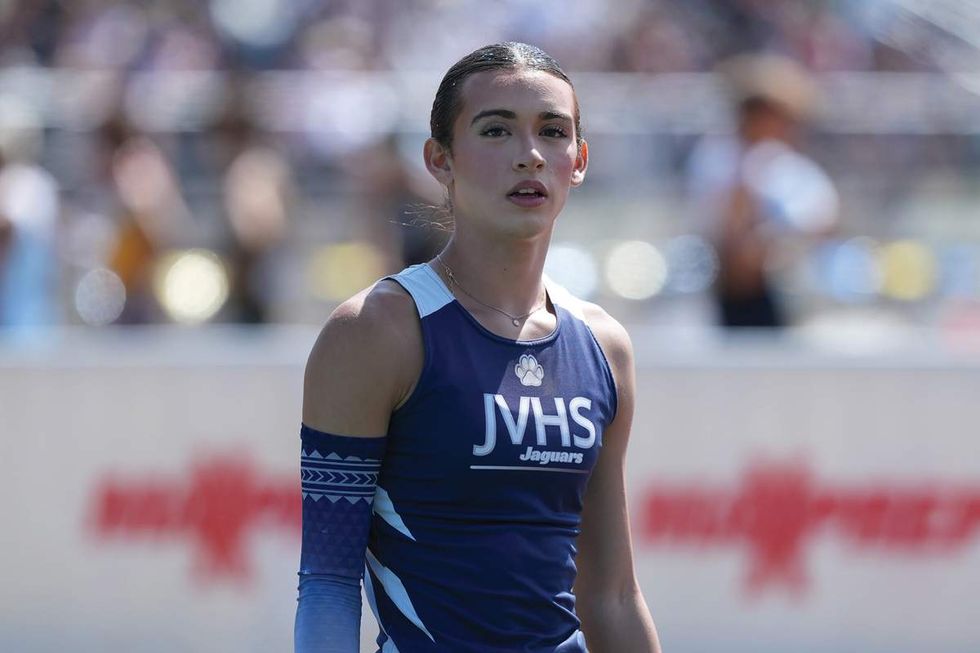 AB HernandezKirby Lee/Getty Images
AB Hernandez’s story began getting national attention last year, after President Trump singled out the young transgender athlete from Riverside County by threatening to withhold federal funding from California schools if a “transitioned person” was allowed to compete in the state track and field finals. Trump’s statement came shortly after Hernandez had won two gold medals and one silver at the 2025 state finals.
A few hours later, the California Interscholastic Federation announced a new “pilot entry process” for the sporting event, which offered cisgender girls who’d narrowly missed qualifying (allegedly due to the inclusion of trans competitors) another chance to compete. However, the now 17-year-old athlete still walked away with two gold medals around her neck at this year’s track and field state finals in May.
“I feel like I’m always going to be in the public eye,” Hernandez told the Los Angeles Times in a post-meet interview. “It’s never going to go away, and that’s weird. But maybe someday it’ll be for something else.”
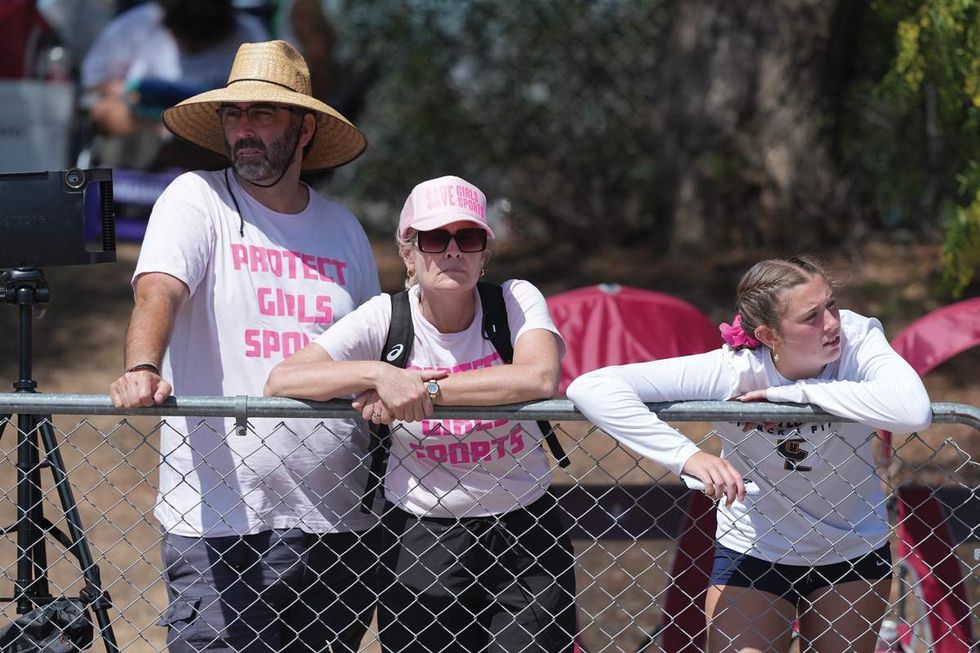 Spectators wear 'protect girls sports' T-shirts at a state final competition that AB Hernandez participated in.Kirby Lee/Getty Images
This article is part of The Advocate's Sept-Oct 2026 print issue, on newsstands September 1. Support queer media and subscribe — or download the issue through Apple News+, Zinio, Nook, or PressReader starting August 20.
 Nancy Pelosi photographed for The Advocate's September-October cover. Photography by Mike Nelson