'%3E%3Cpath d='M16.3574 35.6519H12.9537L15.0491 18.8873L16.3574 35.6519ZM30.4229 54.0093L22.309 0.994385H7.91795L0 54.0093H10.6634L11.5802 46.3855H17.4014L17.9914 54.0093H30.4229Z' fill='%23971B20'/%3E%3Cpath d='M48.2073 41.8813C48.2073 43.4049 47.4892 44.0011 46.1144 44.0011H43.7595V11.0687H46.1144C47.4892 11.0687 48.2073 11.6636 48.2073 13.1885V41.8813ZM59.5273 43.6695V11.3326C59.5273 3.71323 53.5729 0.994385 47.8157 0.994385H31.7213V54.0093H47.8157C53.5729 54.0093 59.5273 51.29 59.5273 43.6695Z' fill='%23971B20'/%3E%3Cpath d='M90.183 0.994385H78.6039L75.0711 30.6157L71.9955 0.994385H59.4346L69.2474 54.0093H80.373L90.183 0.994385Z' fill='%23971B20'/%3E%3Cpath d='M107.063 42.3448C107.063 43.7359 105.951 44.5974 104.643 44.5974C103.269 44.5974 102.157 43.7359 102.157 42.3448V12.658C102.157 11.2676 103.269 10.4058 104.643 10.4058C105.951 10.4058 107.063 11.2676 107.063 12.658V42.3448ZM119.233 43.2723V11.7312C119.233 6.36384 112.952 -3.8147e-06 104.643 -3.8147e-06C96.2667 -3.8147e-06 89.9867 6.36384 89.9867 11.7312V43.2723C89.9867 48.6393 96.2667 55 104.643 55C112.952 55 119.233 48.6393 119.233 43.2723Z' fill='%23971B20'/%3E%3Cpath d='M150.976 43.9349V33.7309H139.069V42.3448C139.069 43.7359 137.957 44.5974 136.582 44.5974C135.076 44.5974 133.964 43.7359 133.964 42.3448V12.658C133.964 11.2676 135.076 10.4058 136.582 10.4058C137.957 10.4058 139.069 11.2676 139.069 12.658V21.2723H150.976V11.0687C150.976 5.70107 145.283 -3.8147e-06 136.582 -3.8147e-06C127.75 -3.8147e-06 121.796 5.70107 121.796 11.0687V43.9349C121.796 49.3022 127.75 55 136.582 55C145.283 55 150.976 49.3022 150.976 43.9349Z' fill='%23971B20'/%3E%3Cpath d='M167.478 35.6519H164.076L166.17 18.8873L167.478 35.6519ZM181.544 54.0093L173.432 0.994385H159.037L151.123 54.0093H161.785L162.704 46.3855H168.523L169.114 54.0093H181.544Z' fill='%23971B20'/%3E%3Cpath d='M205.412 10.4058V0.994385H177.081V10.4058H185.392V54.0093H197.428V10.4058H205.412Z' fill='%23971B20'/%3E%3Cpath d='M230.002 54.0093V43.9349H218.914V31.8746H226.635V21.8028H218.914V10.4058H230.002V0.994385H206.875V54.0093H230.002Z' fill='%23971B20'/%3E%3C/g%3E%3Cdefs%3E%3CclipPath id='clip0_260_7080'%3E%3Crect width='230' height='55' fill='white'/%3E%3C/clipPath%3E%3C/defs%3E%3C/svg%3E)

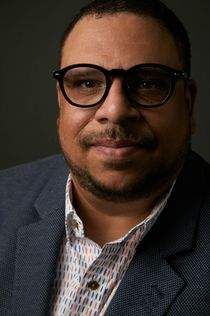
When Clayton McCallister walked into his Air Force recruiter’s office in rural Tennessee, he wasn’t just chasing a dream — he was trying to outrun a political time bomb. “I want to sign up,” he told the recruiter. “This is my situation. Are you willing to help me?”
At 24, McCallister is a husband, a father, and one of 32 plaintiffs in Talbott v. United States, a federal lawsuit challenging the reinstated ban on military service by transgender people. After more than a year of training, he shipped off to basic training this spring, hoping to begin the grueling path toward pararescue — a field where airmen jump out of planes into war zones to save the wounded. His wife circled June on the calendar for his return.
“We had a lot riding on this,” he said in March, just before leaving. “I quit my job. My wife and I planned for it. I’ve been training for this for a year and a half. And just because I’m trans, they want to take it all away.”
Raised in a small Tennessee town, McCallister didn’t have the language to describe what he was feeling until his early 20s. It wasn’t until college and a conversation in a honeymoon hot tub that everything shifted. “My wife asked, ‘Do you think you might be trans?’” he says. “And I realized, I think I might be.”
He began his transition in 2021. With clarity came momentum: married life, an adoption, and a goal of becoming a pararescue specialist in the U.S. Air Force.
Special Warfare is among the military’s most grueling career fields. With an 80 percent dropout rate, it demands endurance, water survival, parachuting, and combat rescue readiness. “Not many people meet these standards,” McCallister says. “But I knew I could.”
That didn’t mean the system welcomed him. Several recruiters stopped responding after he disclosed he was trans. Finally, one said yes. He started training. Then the Trump administration reinstated a ban on transgender service members.
“I’ve proven I can do this job,” McCallister says. “But I still have to fight just for the chance.” On March 18, a federal judge ruled in his favor — temporarily, noting that the ban appeared “soaked in animus.” But after an appeal from the Trump administration in another legal challenge to the ban, the Supreme Court cleared the way for the administration to enforce it while the case returns to the lower courts.
At home, McCallister is not just a would-be airman. He’s a husband, a gym rat, and a snowboarding enthusiast. And he’s a dad. “She just turned 2,” he says of his daughter. “She’s wild. Everything I do is for her.”
He doesn’t see himself as a symbol but knows what’s at stake. “We’re not asking for special treatment,” he says. “Just the chance to be judged by our abilities.”
And if his daughter ever asks why he fought so hard?
“I want to tell her I didn’t give up,” McCallister says. “That I proved them wrong. That I showed her anything’s possible.”
This article is part of The Advocate's July/Aug 2025 issue, now on newsstands. Support queer media and subscribe — or download the issue through Apple News, Zinio, Nook, or PressReader.