'%3E%3Cpath d='M16.3574 35.6519H12.9537L15.0491 18.8873L16.3574 35.6519ZM30.4229 54.0093L22.309 0.994385H7.91795L0 54.0093H10.6634L11.5802 46.3855H17.4014L17.9914 54.0093H30.4229Z' fill='%23971B20'/%3E%3Cpath d='M48.2073 41.8813C48.2073 43.4049 47.4892 44.0011 46.1144 44.0011H43.7595V11.0687H46.1144C47.4892 11.0687 48.2073 11.6636 48.2073 13.1885V41.8813ZM59.5273 43.6695V11.3326C59.5273 3.71323 53.5729 0.994385 47.8157 0.994385H31.7213V54.0093H47.8157C53.5729 54.0093 59.5273 51.29 59.5273 43.6695Z' fill='%23971B20'/%3E%3Cpath d='M90.183 0.994385H78.6039L75.0711 30.6157L71.9955 0.994385H59.4346L69.2474 54.0093H80.373L90.183 0.994385Z' fill='%23971B20'/%3E%3Cpath d='M107.063 42.3448C107.063 43.7359 105.951 44.5974 104.643 44.5974C103.269 44.5974 102.157 43.7359 102.157 42.3448V12.658C102.157 11.2676 103.269 10.4058 104.643 10.4058C105.951 10.4058 107.063 11.2676 107.063 12.658V42.3448ZM119.233 43.2723V11.7312C119.233 6.36384 112.952 -3.8147e-06 104.643 -3.8147e-06C96.2667 -3.8147e-06 89.9867 6.36384 89.9867 11.7312V43.2723C89.9867 48.6393 96.2667 55 104.643 55C112.952 55 119.233 48.6393 119.233 43.2723Z' fill='%23971B20'/%3E%3Cpath d='M150.976 43.9349V33.7309H139.069V42.3448C139.069 43.7359 137.957 44.5974 136.582 44.5974C135.076 44.5974 133.964 43.7359 133.964 42.3448V12.658C133.964 11.2676 135.076 10.4058 136.582 10.4058C137.957 10.4058 139.069 11.2676 139.069 12.658V21.2723H150.976V11.0687C150.976 5.70107 145.283 -3.8147e-06 136.582 -3.8147e-06C127.75 -3.8147e-06 121.796 5.70107 121.796 11.0687V43.9349C121.796 49.3022 127.75 55 136.582 55C145.283 55 150.976 49.3022 150.976 43.9349Z' fill='%23971B20'/%3E%3Cpath d='M167.478 35.6519H164.076L166.17 18.8873L167.478 35.6519ZM181.544 54.0093L173.432 0.994385H159.037L151.123 54.0093H161.785L162.704 46.3855H168.523L169.114 54.0093H181.544Z' fill='%23971B20'/%3E%3Cpath d='M205.412 10.4058V0.994385H177.081V10.4058H185.392V54.0093H197.428V10.4058H205.412Z' fill='%23971B20'/%3E%3Cpath d='M230.002 54.0093V43.9349H218.914V31.8746H226.635V21.8028H218.914V10.4058H230.002V0.994385H206.875V54.0093H230.002Z' fill='%23971B20'/%3E%3C/g%3E%3Cdefs%3E%3CclipPath id='clip0_260_7080'%3E%3Crect width='230' height='55' fill='white'/%3E%3C/clipPath%3E%3C/defs%3E%3C/svg%3E)


LGBTQ+ liberation has often been measured in cultural milestones like the right to marry, to serve openly in the military, and to see ourselves represented on TV. These are significant achievements, but they have obscured a more profound and uncomfortable truth. Beneath the glossy surface of social acceptance, many LGBTQ+ people are struggling to survive economically.
Today, queer and transgender folks are disproportionately poor, housing-insecure, underemployed, and burdened by debt. Transgender people, particularly Black and Brown trans people, face unemployment rates approximately three times higher than the general population. LGBTQ+ youth are overrepresented in homeless shelters. Even those who appear to be thriving are often one paycheck, one medical bill, one landlord's whim away from catastrophe.
And the pressure is growing. Across the country, there is an assault on both LGBTQ+ rights and the basic building blocks of economic security. Anti-trans legislation is accelerating. Healthcare access is under siege. Labor protections are being dismantled. At the same time, costs for housing, education, and healthcare are soaring, and wages are not keeping up. For LGBTQ+ people, who are already more likely to face economic hardship, these twin attacks are devastating.
The dangers facing LGBTQ+ people today are not only cultural. They are also material.
Pride Is Political
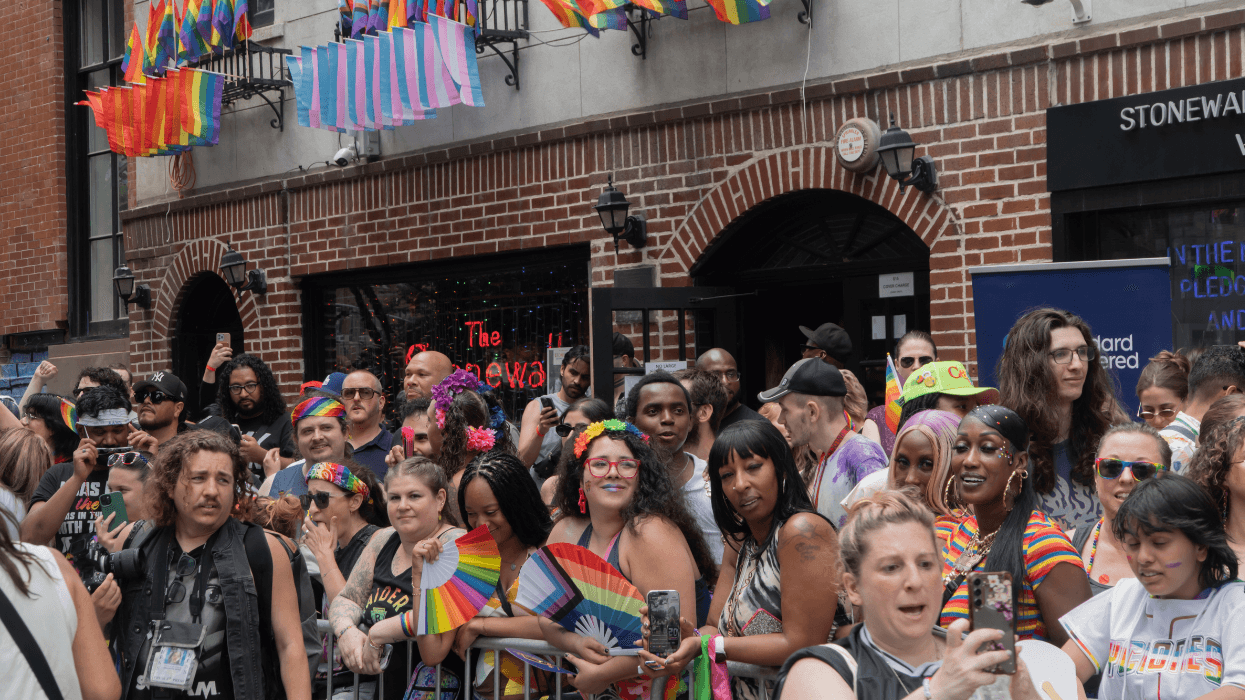
The first Pride was a defiant stand by queer and trans people against police brutality and state-sanctioned violence. It was an uprising led by the poor, the unhoused, and queer and trans sex workers who were bound together by their resilience and each other. Pride was born out of collective struggle, not corporate sponsorships.
Over time, mainstream LGBTQ+ advocacy has often traded this radical tradition for a seat at the table of respectability politics. Marriage equality became the crown jewel of the movement, a milestone that disproportionately benefited wealthier, whiter, cisgender gays and lesbians. Legal equality was framed as the ultimate goal, as though formal rights could erase structural inequalities.
But rights without resources are a mirage. The right to marry is cold comfort when you cannot afford healthcare, when you are priced out of housing, when you are drowning in student debt, or trapped in a low-wage job without benefits.
We have been told that visibility equals victory. That we will be safe if we can see ourselves reflected in the world. But the landlord doesn't care if you're visible. The healthcare system doesn't care if you're visible. The boss who underpays you and the bank that denies you a loan are unmoved by your Instagram likes or your corporate pride gear.
We need a movement that demands more.
Why Economic Populism?
Economic populism is the belief that ordinary people should have a greater say in shaping the economy, rather than corporations and elites. It rejects the idea that decisions about healthcare, housing, and labor rights should be left to distant politicians and corporate lobbyists. Contrary to the common stereotype, economic populism isn't about reckless spending. At its best, it's about returning economic power to the people, especially when the current system has left so many behind.
History shows us how this can work. During the Great Depression, Franklin D. Roosevelt's New Deal programs expanded social security, strengthened labor rights, and helped rebuild the economy. These reforms were economic policies, but they also served as a means to save democracy by demonstrating that the government could serve the interests of ordinary people, not just the wealthy.
Today's backlash against LGBTQ+ people is intertwined with a broader assault on working-class and marginalized communities. As lawmakers target gender-affirming care and LGBTQ+ rights, they are also attacking abortion access, workers' rights, voting rights, and healthcare. GOP legislatures approved significant tax cuts for billionaires while slashing critical programs like Medicaid, which LGBTQ+ adults are twice as likely to have as their primary health insurance compared to non-LGBTQ+ adults.
They criminalize poverty while rewarding greed.
LGBTQ+ people are hit especially hard by these attacks, with some in our communities already living on the margins. Economic populism offers a path forward not by offering charity, but by demanding justice. Of course, not all populism is good. It can be dangerous when it turns into scapegoating or authoritarianism. That's why our populism must be inclusive and democratic. It must focus on expanding rights and protections for everyone, not tearing them down.
For LGBTQ+ people, an economic populist agenda would mean fighting for issues that affect all of us: Universal healthcare, including full access to gender-affirming care without insurance denials and out-of-pocket costs. Labor rights that encompass protections for LGBTQ+ workers against discrimination, fair wages, and the right to form and join unions. Affordable housing, with special attention to LGBTQ+ youth, elders, and transgender people who are disproportionately affected by homelessness. Student debt relief, recognizing that queer and trans students often face family rejection and financial hardship. Guaranteed income and social safety nets, ensuring that no one is left destitute because of who they are.
This is justice. And it is popular. Majorities of Americans, across all demographics, support policies such as Medicare for All, rent control, student debt cancellation, and higher minimum wages. LGBTQ+ people have more at stake in these fights than almost any other group.
The opposition already understands the stakes. Anti-LGBTQ+ legislators are not just attacking gender-affirming care and trans rights; they are also dismantling labor protections, gutting social programs, and entrenching inequality. Their goal is to pit marginalized groups against each other while consolidating power and wealth at the top.
We cannot fight them with culture wars alone. We must meet them with a coalition of the marginalized, the working class, the poor, and the dispossessed.
What Would a Queer Economic Movement Look Like?
Imagine if Pride Month were not just a time for parades and parties, but a month of mass action: rent strikes, labor organizing, mutual aid drives, campaigns for universal healthcare. Imagine Pride marches ending not at corporate-sponsored festivals, but at union halls, eviction courts, and statehouses. Imagine if instead of brands courting us, we courted each other by building cooperatives, credit unions, and community-owned businesses.
Glimpses of this movement exist. Trans-led mutual aid networks are providing food, shelter, and medical care outside the traditional system. Queer labor organizers are leading union drives at Starbucks and Amazon. LGBTQ+ advocates are connecting the dots between anti-trans legislation and broader assaults on bodily autonomy, healthcare, and democracy.
We need to go further. We need to stop waiting for saviors in Washington and start building power from the ground up. We need to organize not just around identity, but around the material conditions that make life livable.
Navigating the Political Reality
We are navigating this fight in a political landscape that is hostile to LGBTQ+ people. Attacks on gender-affirming care, visibility in schools, and healthcare access are part of a campaign to roll back decades of progress. This is a moment for self-determination. History shows that when institutions fail us, we often survive by turning to one another.
Change will come from the ground up, from city councils that pass tenant protection laws to union halls that defend LGBTQ+ workers and community networks that provide resources where the state refuses to.
Let's remember that our struggle is not just about who we are but what we deserve. Let's reclaim the roots of our movement and build an economic system that matches our visibility with power.
Voices is dedicated to featuring a wide range of inspiring personal stories and impactful opinions from the LGBTQ+ community and its allies. Visit Advocate.com/submit to learn more about submission guidelines. Views expressed in Voices stories are those of the guest writers, columnists, and editors, and do not directly represent the views of The Advocate or our parent company, equalpride.