'%3E%3Cpath d='M16.3574 35.6519H12.9537L15.0491 18.8873L16.3574 35.6519ZM30.4229 54.0093L22.309 0.994385H7.91795L0 54.0093H10.6634L11.5802 46.3855H17.4014L17.9914 54.0093H30.4229Z' fill='%23971B20'/%3E%3Cpath d='M48.2073 41.8813C48.2073 43.4049 47.4892 44.0011 46.1144 44.0011H43.7595V11.0687H46.1144C47.4892 11.0687 48.2073 11.6636 48.2073 13.1885V41.8813ZM59.5273 43.6695V11.3326C59.5273 3.71323 53.5729 0.994385 47.8157 0.994385H31.7213V54.0093H47.8157C53.5729 54.0093 59.5273 51.29 59.5273 43.6695Z' fill='%23971B20'/%3E%3Cpath d='M90.183 0.994385H78.6039L75.0711 30.6157L71.9955 0.994385H59.4346L69.2474 54.0093H80.373L90.183 0.994385Z' fill='%23971B20'/%3E%3Cpath d='M107.063 42.3448C107.063 43.7359 105.951 44.5974 104.643 44.5974C103.269 44.5974 102.157 43.7359 102.157 42.3448V12.658C102.157 11.2676 103.269 10.4058 104.643 10.4058C105.951 10.4058 107.063 11.2676 107.063 12.658V42.3448ZM119.233 43.2723V11.7312C119.233 6.36384 112.952 -3.8147e-06 104.643 -3.8147e-06C96.2667 -3.8147e-06 89.9867 6.36384 89.9867 11.7312V43.2723C89.9867 48.6393 96.2667 55 104.643 55C112.952 55 119.233 48.6393 119.233 43.2723Z' fill='%23971B20'/%3E%3Cpath d='M150.976 43.9349V33.7309H139.069V42.3448C139.069 43.7359 137.957 44.5974 136.582 44.5974C135.076 44.5974 133.964 43.7359 133.964 42.3448V12.658C133.964 11.2676 135.076 10.4058 136.582 10.4058C137.957 10.4058 139.069 11.2676 139.069 12.658V21.2723H150.976V11.0687C150.976 5.70107 145.283 -3.8147e-06 136.582 -3.8147e-06C127.75 -3.8147e-06 121.796 5.70107 121.796 11.0687V43.9349C121.796 49.3022 127.75 55 136.582 55C145.283 55 150.976 49.3022 150.976 43.9349Z' fill='%23971B20'/%3E%3Cpath d='M167.478 35.6519H164.076L166.17 18.8873L167.478 35.6519ZM181.544 54.0093L173.432 0.994385H159.037L151.123 54.0093H161.785L162.704 46.3855H168.523L169.114 54.0093H181.544Z' fill='%23971B20'/%3E%3Cpath d='M205.412 10.4058V0.994385H177.081V10.4058H185.392V54.0093H197.428V10.4058H205.412Z' fill='%23971B20'/%3E%3Cpath d='M230.002 54.0093V43.9349H218.914V31.8746H226.635V21.8028H218.914V10.4058H230.002V0.994385H206.875V54.0093H230.002Z' fill='%23971B20'/%3E%3C/g%3E%3Cdefs%3E%3CclipPath id='clip0_260_7080'%3E%3Crect width='230' height='55' fill='white'/%3E%3C/clipPath%3E%3C/defs%3E%3C/svg%3E)

When I moved to New York City 33 years ago to become an actor, I signed up for classes at HB Studio in the West Village. It was January 1993, cold and windy, the kind of cold that makes the city feel harder than it already is, especially when you’re new, alone, and unsure of yourself.
I hate winter to begin with, so traipsing around New York City streets in frigid weather was no treat.
HB Studio was only a few blocks from Christopher Street, one of the most storied LGBTQ+ thoroughfares in America. After my first day of class, I braved the cold that I bitterly hate, and I walked toward it, equal parts terrified and mesmerized.
I didn’t want anyone to see me and “out” me, particularly any fellow actors — remember, at this time, if you were gay, you would not become a huge star, and naively, I wanted to be a star rather than an actor.
Related: Transgender Stories on Christopher Street (Photos)
At the same time, I was still new to myself. But I also knew enough, even with my limited understanding of gay history at the time, to know that something sacred had happened on that stretch of pavement.
And then I came upon the Stonewall Inn.
Later in 1993, the Stonewall at 53 Christopher St. had reopened as a gay bar after years of housing other businesses; however, when I first saw it, the bar was being renovated and restored to its roots.
Its roots are historic beyond the uprising in 1969. The Stonewall had once served as a gathering place for the LGBTQ+ community during the height of the AIDS crisis. It was gigantically significant, but you wouldn’t have known it to look at it when I first laid eyes on it.
I remember thinking, This is it?
Honestly, it was unremarkable. A little disappointing, even. For a place with such a mythic past, it looked like any other neighborhood dive bar.
It also wasn’t a tourist destination. There were no rainbow flags lining the street. In fact, I don’t remember seeing a rainbow flag anywhere in 1993 until the Pride March that summer. Christopher Street back then wasn’t polished or curated. It felt dark. Sparse. Ordinary.
Across the street from the Stonewall was/is the Monster, where I actually spent time. Pieces, where I met my first real love interest, was nearby too. The Duplex, which was and is right around the corner from Stonewall, always seemed to be “on.” I had an epic fail of singing “Fly Me to the Moon” one night. I blame it on the booze.
I cannot recall going into the Stonewall to drink or cruise. At that time, being a gay man was brand new to me. So was the experience of living in New York.
To me, the history felt distant despite the fact that the uprising had occurred a little over 20 years earlier. That puts in perspective, especially as you get older and realize how time shrinks. And that part of town hadn’t been recognized by anyone in power, because, well, no one would endorse making a tiny gay bar a historic landmark.
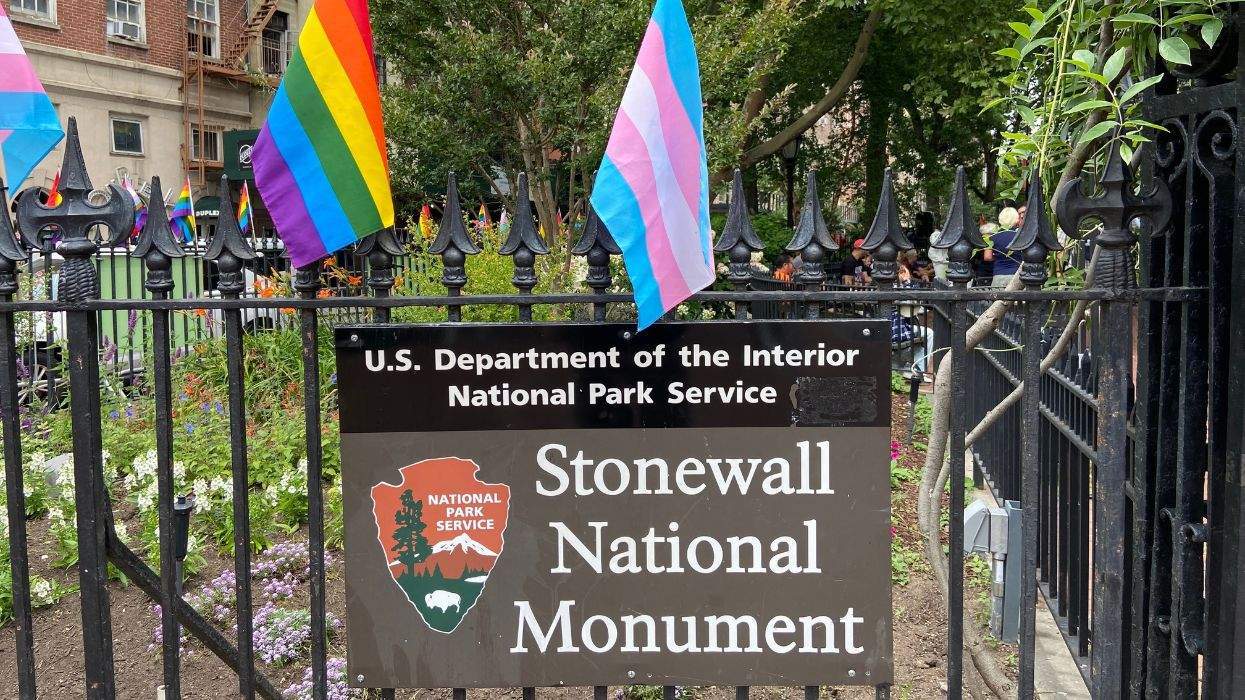
It’s only in recent years, thank God, that Stonewall has been rightfully recognized as a National Historic Landmark and national monument. Now rainbow flags fly freely. The neighborhood vibrates with history and life. The once-quiet facade is layered with meaning. What once seemed ordinary is now properly honored as sacred ground.
When you walk by now, tourists surround it, taking pictures, many waving Pride flags. In other words, the Stonewall Inn is impressive once more.
Related: Joe Biden at Stonewall's 55th anniversary: The LGBTQ+ community ‘set an example for the world’
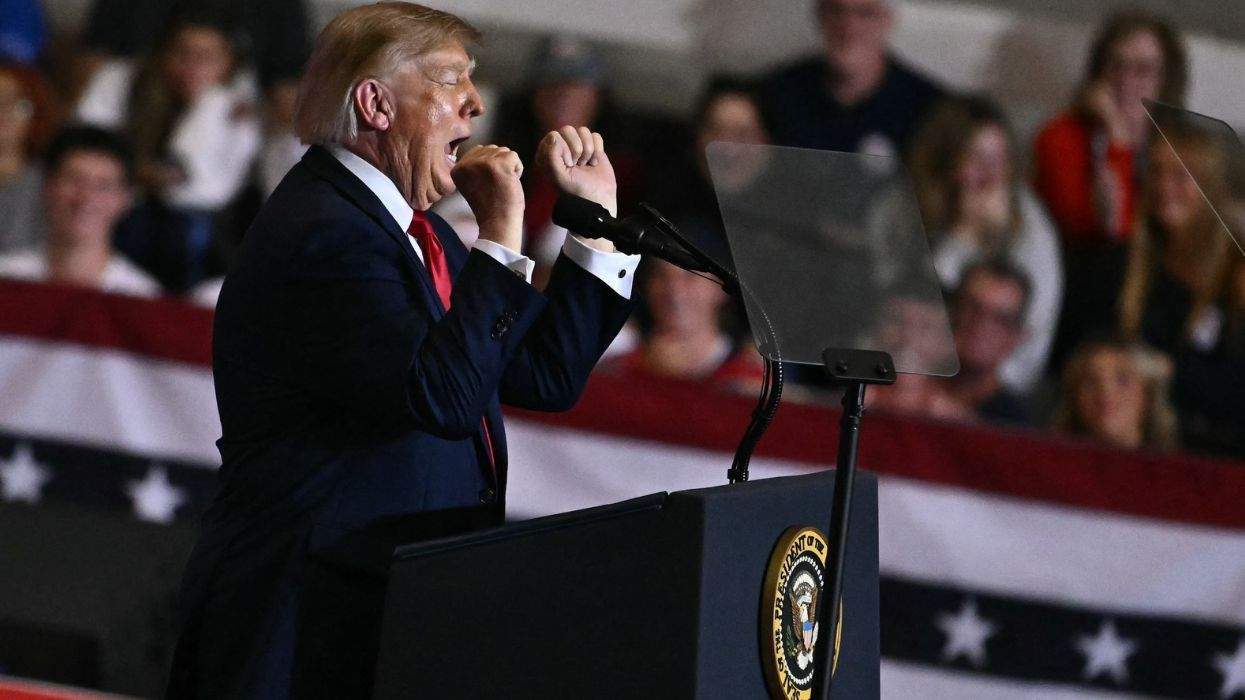
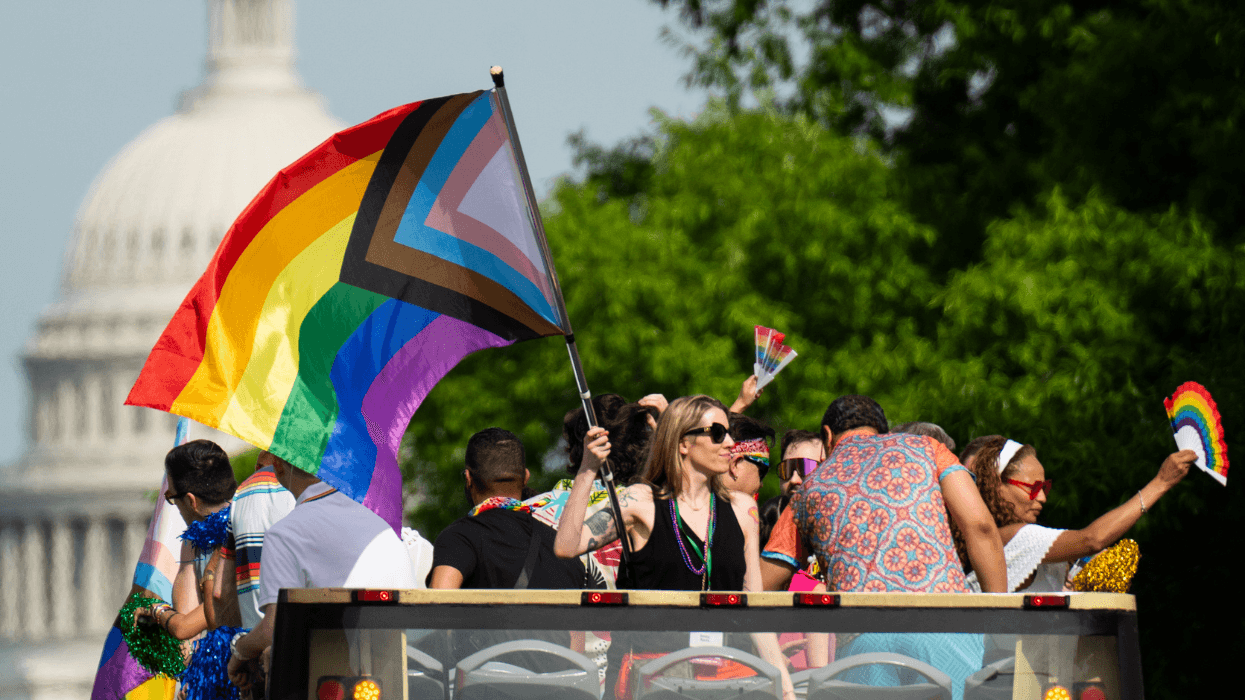
Which is why the Trump administration’s attempt to remove the Pride flag from the Stonewall National Monument site is so grotesque and shows the terror it wants to inflict on the LGBTQ+ community.
The administration can say it’s a new law. A ridiculous one. But what this is really about is erasing our history. It is about shrinking LGBTQ+ visibility and taking us back to the days when the Stonewall was a safe haven and a hiding place from a cruel society.
It is about further stripping away all of our symbols, like rainbow crosswalks, in the same way the administration has worked to strip away rights since Donald Trump was sworn in.
I was reminded of speaking with then-Pennsylvania Lt. Gov. John Fetterman during his fight to fly the Pride flag outside his office at the state capitol in 2021. When ordered to take it down, Fetterman refused. State Republicans took it down. He put it back up. This cycle repeated itself over a few weeks.
Fetterman understood something fundamental that symbols matter because people matter. As he said at the time, “The Pride flag is not a controversial symbol. It represents a historically marginalized community.” And more pointedly, he made clear that if leadership wouldn’t fly it, he would.
That same principle applies now.
Taking down a flag at Stonewall is an ideological edict by the Trump administration. It is an attempt to say, “This is not yours. This history is not yours. This space is not yours. And that flag and its history and symbolism don’t belong.”
But Stonewall has been beaten down before.
In 1969, it was raided, its patrons brutalized and shoved aside. And yet we rose. The uprising that followed did not just defend a bar. It ignited a movement.
Stonewall won. Decisively. The Pride flag will win too.
The flag will go back up. And it will stay up because administrations change, and Trump is only temporary. Bigotry and homophobia will eventually be overcome. The Trump administration may tear down a flagpole display, but it cannot tear Stonewall out of American history.
The administration is trying and might get a temporary victory, but not a long-lasting one.
It cannot erase the fact that on that block, once dark and unremarkable to a scared 20-something wannabe actor walking by in 1993, the modern LGBTQ+ rights movement found its cornerstone.
It cannot remove the millions of lives shaped by what happened there and the flags that fly there.
Stonewall is no longer just a bar. It is historical proof that even when pushed into the shadows, we do not disappear.
We rise, always, and the flags will too.