'%3E%3Cpath d='M16.3574 35.6519H12.9537L15.0491 18.8873L16.3574 35.6519ZM30.4229 54.0093L22.309 0.994385H7.91795L0 54.0093H10.6634L11.5802 46.3855H17.4014L17.9914 54.0093H30.4229Z' fill='%23971B20'/%3E%3Cpath d='M48.2073 41.8813C48.2073 43.4049 47.4892 44.0011 46.1144 44.0011H43.7595V11.0687H46.1144C47.4892 11.0687 48.2073 11.6636 48.2073 13.1885V41.8813ZM59.5273 43.6695V11.3326C59.5273 3.71323 53.5729 0.994385 47.8157 0.994385H31.7213V54.0093H47.8157C53.5729 54.0093 59.5273 51.29 59.5273 43.6695Z' fill='%23971B20'/%3E%3Cpath d='M90.183 0.994385H78.6039L75.0711 30.6157L71.9955 0.994385H59.4346L69.2474 54.0093H80.373L90.183 0.994385Z' fill='%23971B20'/%3E%3Cpath d='M107.063 42.3448C107.063 43.7359 105.951 44.5974 104.643 44.5974C103.269 44.5974 102.157 43.7359 102.157 42.3448V12.658C102.157 11.2676 103.269 10.4058 104.643 10.4058C105.951 10.4058 107.063 11.2676 107.063 12.658V42.3448ZM119.233 43.2723V11.7312C119.233 6.36384 112.952 -3.8147e-06 104.643 -3.8147e-06C96.2667 -3.8147e-06 89.9867 6.36384 89.9867 11.7312V43.2723C89.9867 48.6393 96.2667 55 104.643 55C112.952 55 119.233 48.6393 119.233 43.2723Z' fill='%23971B20'/%3E%3Cpath d='M150.976 43.9349V33.7309H139.069V42.3448C139.069 43.7359 137.957 44.5974 136.582 44.5974C135.076 44.5974 133.964 43.7359 133.964 42.3448V12.658C133.964 11.2676 135.076 10.4058 136.582 10.4058C137.957 10.4058 139.069 11.2676 139.069 12.658V21.2723H150.976V11.0687C150.976 5.70107 145.283 -3.8147e-06 136.582 -3.8147e-06C127.75 -3.8147e-06 121.796 5.70107 121.796 11.0687V43.9349C121.796 49.3022 127.75 55 136.582 55C145.283 55 150.976 49.3022 150.976 43.9349Z' fill='%23971B20'/%3E%3Cpath d='M167.478 35.6519H164.076L166.17 18.8873L167.478 35.6519ZM181.544 54.0093L173.432 0.994385H159.037L151.123 54.0093H161.785L162.704 46.3855H168.523L169.114 54.0093H181.544Z' fill='%23971B20'/%3E%3Cpath d='M205.412 10.4058V0.994385H177.081V10.4058H185.392V54.0093H197.428V10.4058H205.412Z' fill='%23971B20'/%3E%3Cpath d='M230.002 54.0093V43.9349H218.914V31.8746H226.635V21.8028H218.914V10.4058H230.002V0.994385H206.875V54.0093H230.002Z' fill='%23971B20'/%3E%3C/g%3E%3Cdefs%3E%3CclipPath id='clip0_260_7080'%3E%3Crect width='230' height='55' fill='white'/%3E%3C/clipPath%3E%3C/defs%3E%3C/svg%3E)


Botswana only legalized consensual same sex conduct in 2019, so growing up as an openly gay man was tough, and I experienced numerous setbacks. When I was 25 years old, my uncle discovered a photo of me putting on makeup and dreadlocks. He took it from my social media and shared it with my mother. After that, my mum didn't speak to me for a year.
I was finally able to be myself when I went to university, which is where I became an activist. I learnt vast amounts about LGBTQ+ people's rights, and I discovered the incredible LGBTQ+ centers in Botswana's capital, Gaborone.
The centers soon became a haven for me and LGBTQ+ people throughout Botswana. With the support from organizations across the country, they have offered legal advice, therapy support for individuals and families, and provided contraceptives and drugs to prevent and treat HIV.
Whenever I've gone to a public medical center for support, I have felt judged because of my sexuality, and I know many others feel the same, too. By comparison, these LGBTQ+ centers make us feel safe and supported. Ten years on, I still use these centers for medicines that can prevent HIV spread, like PEP and PrEP, and it's where I get tested regularly.
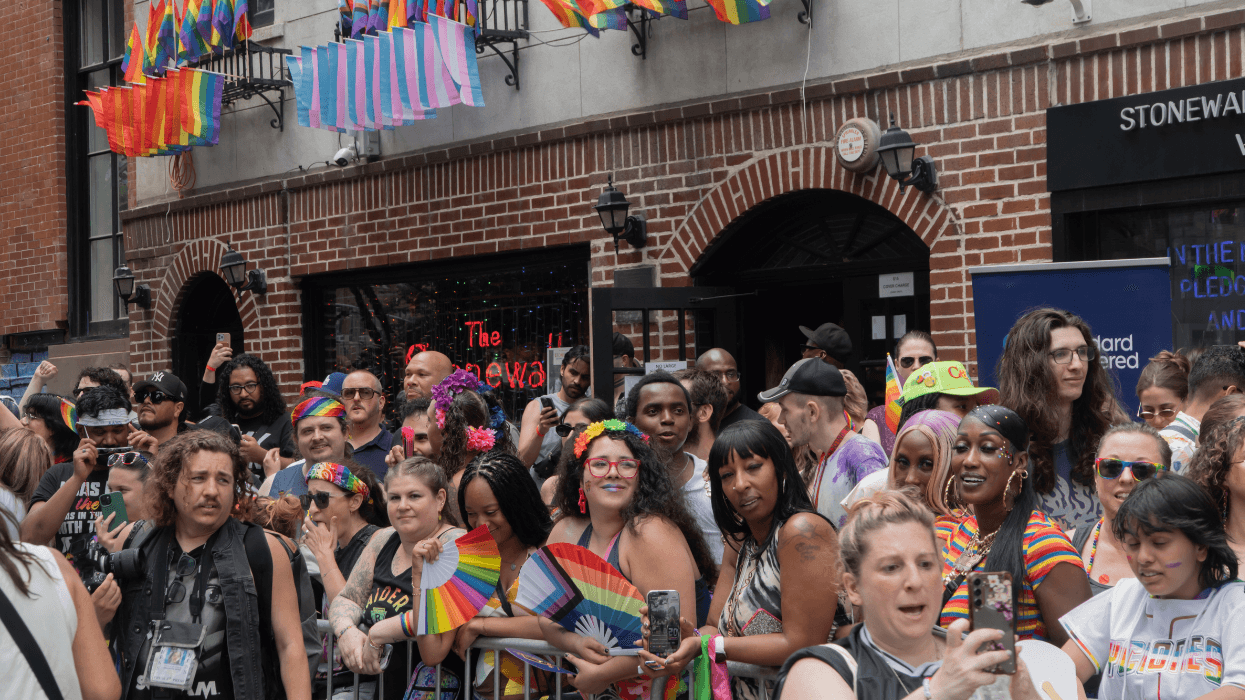
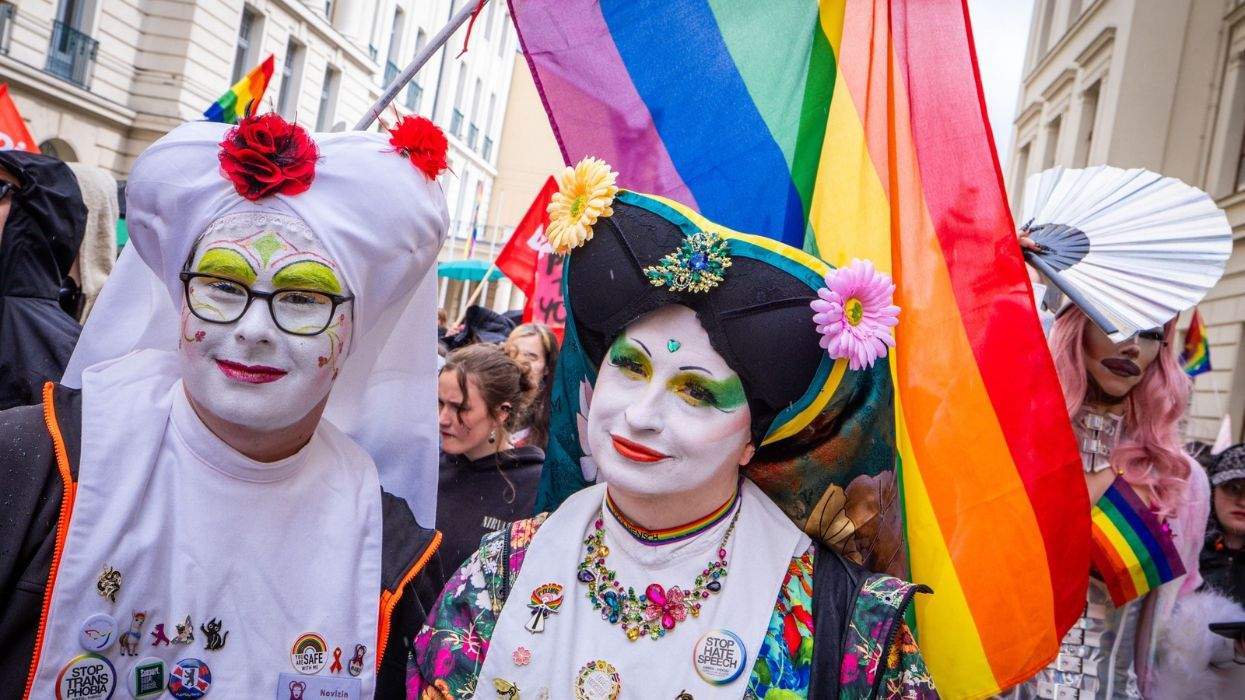
Although things are changing, it is still a challenge to be a gay man in Botswana. We have a long way to go in terms of mobilizing the wider community to accept LGBTQ+ people. It's incredible how these centers directly serve and influence societal norms, leading to a greater acceptance of us. Now, we can celebrate our identities at Pride events, which usually take place in October.
Despite the progress we've made as a country, these centers are now at enormous risk due to global funding cuts. Several employees who work for LGBTQ+ organizations have been terminated, and now access to these centers is dwindling. There's a shortage of condoms, and we can't access psychosocial support anymore, which is devastating.
Families are disowning their loved ones for their sexuality. We have also experienced disruptions in critical services, leaving people without essential care and support. The transgender community is also suffering, as they cannot access their gender-affirming treatment, which otherwise comes at a considerable expense.
If this continues, these centers will close, and I worry that suicide rates will go up because of the lack of access to health care. Doctors and nurses won't hear our plight. We desperately need more healthcare workers who understand our situation.
I am calling on Botswana's new government to ensure our needs are prioritized and that funds are distributed appropriately. Our healthcare system has to improve; otherwise, thousands of people's lives will be put at risk. Countries such as the USA and the UK must also reconsider their funding cuts so we can continue with our work.
Thankfully, several organisations on our side have continually supported these centers in Botswana through legal advocacy and support. Amnesty International has also advocated on our behalf to create awareness of the harmful impact of laws criminalizing various aspects of LGBTQ+ people. I want to see others follow suit and ensure our LGBTQ+ friendly centers survive.
We stand at a critical crossroads. The recent cuts to the HIV response by major donors have dealt a severe blow to our efforts to support the health, dignity, and rights of LGBTQ+ individuals. These cuts threaten not only our programs but also the lives and futures of those we serve. But let it be clear—we are not defeated. This moment calls for unity, innovation, and activism. We must come together to reassess, re-strategize, and amplify our voices.
We need to strengthen our networks. Going forward, we must build stronger coalitions among local centers, grassroots organizations, and activists. We need to explore alternative funding sources by engaging regional and international LGBTQ+ and health-focused donors. It's time to examine community-led solutions by empowering communities to take initiative through peer education, volunteer-run programs, and community health outreach.
We must boldly advocate for the restoration of funding and equitable health access. Most of all, though, we have to take care of each other. The emotional toll of this struggle is real. Let our centers remain safe spaces of love, resistance, and hope.
These fund cuts may slow us down, but they will not silence us. LGBTQ+ people in Botswana have always risen against the odds—and now, more than ever, we rise again. Our lives matter. Our health matters. Our voices will be heard.
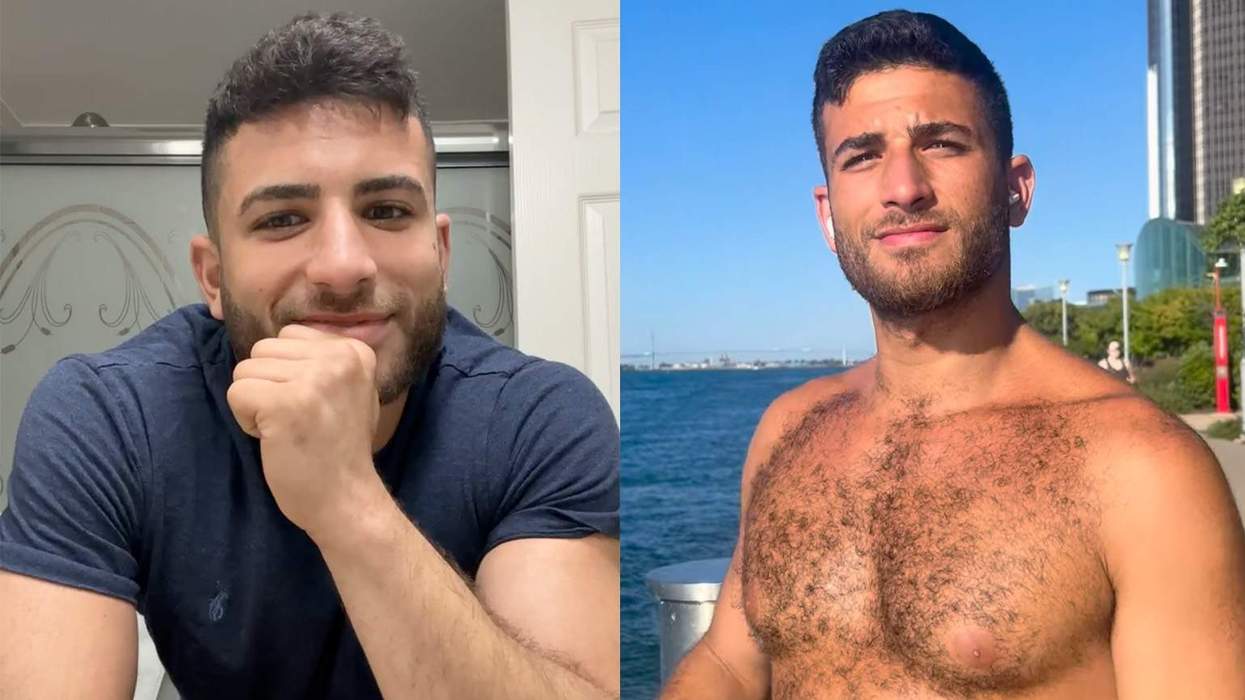
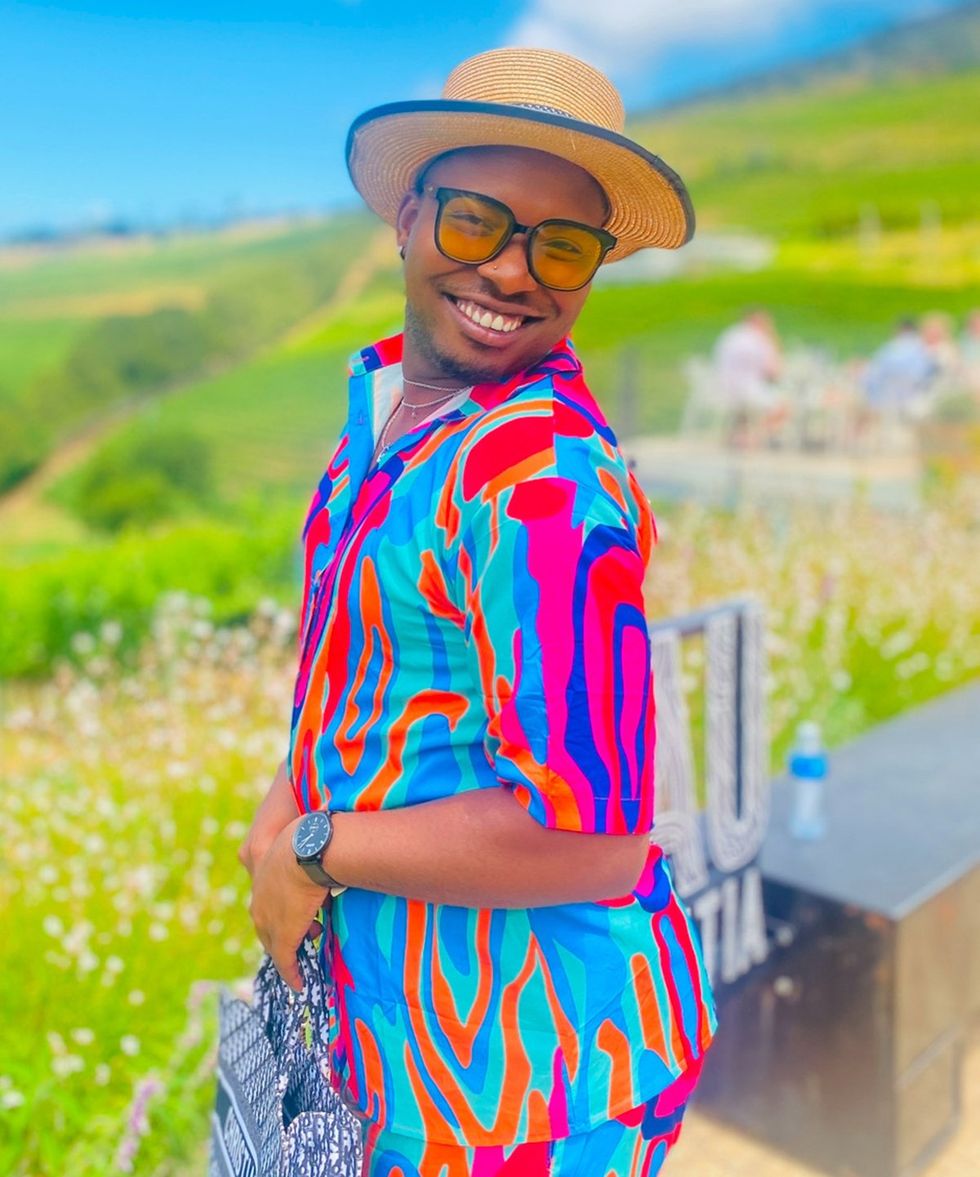 Guest writer, Mmueledi Pinoh Heaven.courtesy pictured
Voices is dedicated to featuring a wide range of inspiring personal stories and impactful opinions from the LGBTQ+ community and its allies. Visit Advocate.com/submit to learn more about submission guidelines. Views expressed in Voices stories are those of the guest writers, columnists, and editors, and do not directly represent the views of The Advocate or our parent company, equalpride.