'%3E%3Cpath d='M16.3574 35.6519H12.9537L15.0491 18.8873L16.3574 35.6519ZM30.4229 54.0093L22.309 0.994385H7.91795L0 54.0093H10.6634L11.5802 46.3855H17.4014L17.9914 54.0093H30.4229Z' fill='%23971B20'/%3E%3Cpath d='M48.2073 41.8813C48.2073 43.4049 47.4892 44.0011 46.1144 44.0011H43.7595V11.0687H46.1144C47.4892 11.0687 48.2073 11.6636 48.2073 13.1885V41.8813ZM59.5273 43.6695V11.3326C59.5273 3.71323 53.5729 0.994385 47.8157 0.994385H31.7213V54.0093H47.8157C53.5729 54.0093 59.5273 51.29 59.5273 43.6695Z' fill='%23971B20'/%3E%3Cpath d='M90.183 0.994385H78.6039L75.0711 30.6157L71.9955 0.994385H59.4346L69.2474 54.0093H80.373L90.183 0.994385Z' fill='%23971B20'/%3E%3Cpath d='M107.063 42.3448C107.063 43.7359 105.951 44.5974 104.643 44.5974C103.269 44.5974 102.157 43.7359 102.157 42.3448V12.658C102.157 11.2676 103.269 10.4058 104.643 10.4058C105.951 10.4058 107.063 11.2676 107.063 12.658V42.3448ZM119.233 43.2723V11.7312C119.233 6.36384 112.952 -3.8147e-06 104.643 -3.8147e-06C96.2667 -3.8147e-06 89.9867 6.36384 89.9867 11.7312V43.2723C89.9867 48.6393 96.2667 55 104.643 55C112.952 55 119.233 48.6393 119.233 43.2723Z' fill='%23971B20'/%3E%3Cpath d='M150.976 43.9349V33.7309H139.069V42.3448C139.069 43.7359 137.957 44.5974 136.582 44.5974C135.076 44.5974 133.964 43.7359 133.964 42.3448V12.658C133.964 11.2676 135.076 10.4058 136.582 10.4058C137.957 10.4058 139.069 11.2676 139.069 12.658V21.2723H150.976V11.0687C150.976 5.70107 145.283 -3.8147e-06 136.582 -3.8147e-06C127.75 -3.8147e-06 121.796 5.70107 121.796 11.0687V43.9349C121.796 49.3022 127.75 55 136.582 55C145.283 55 150.976 49.3022 150.976 43.9349Z' fill='%23971B20'/%3E%3Cpath d='M167.478 35.6519H164.076L166.17 18.8873L167.478 35.6519ZM181.544 54.0093L173.432 0.994385H159.037L151.123 54.0093H161.785L162.704 46.3855H168.523L169.114 54.0093H181.544Z' fill='%23971B20'/%3E%3Cpath d='M205.412 10.4058V0.994385H177.081V10.4058H185.392V54.0093H197.428V10.4058H205.412Z' fill='%23971B20'/%3E%3Cpath d='M230.002 54.0093V43.9349H218.914V31.8746H226.635V21.8028H218.914V10.4058H230.002V0.994385H206.875V54.0093H230.002Z' fill='%23971B20'/%3E%3C/g%3E%3Cdefs%3E%3CclipPath id='clip0_260_7080'%3E%3Crect width='230' height='55' fill='white'/%3E%3C/clipPath%3E%3C/defs%3E%3C/svg%3E)
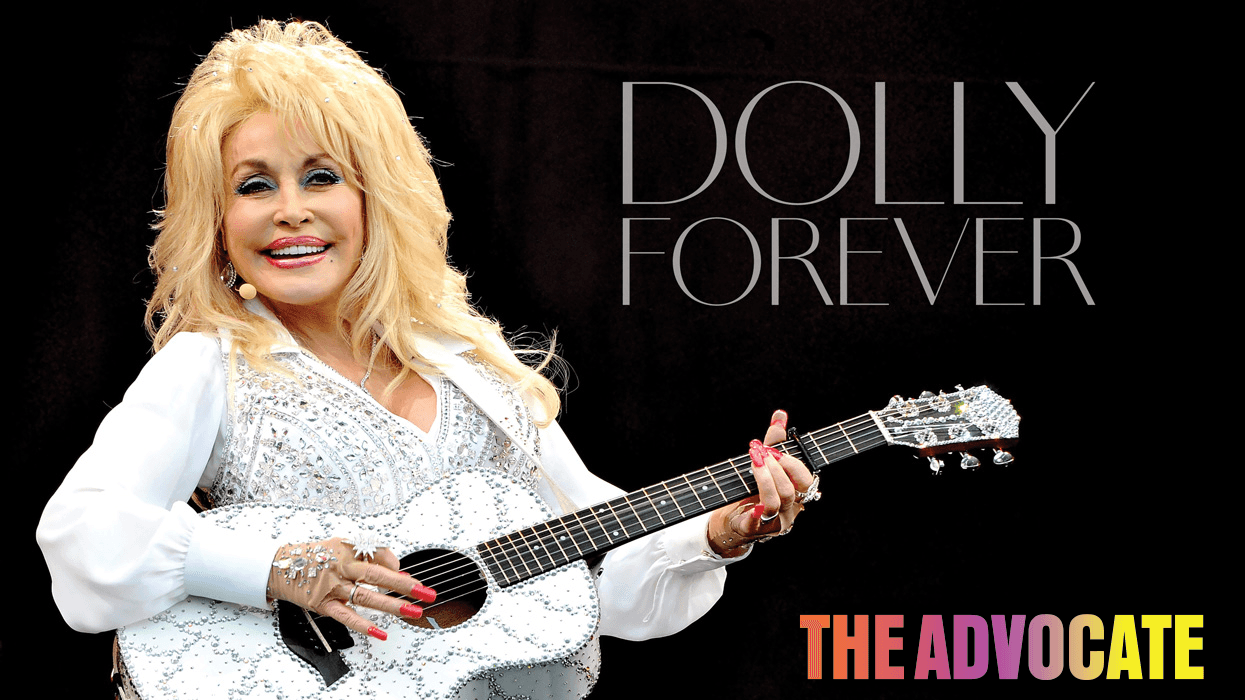

“Back through the years, I go wanderin’ once again, back to the seasons of my youth.”
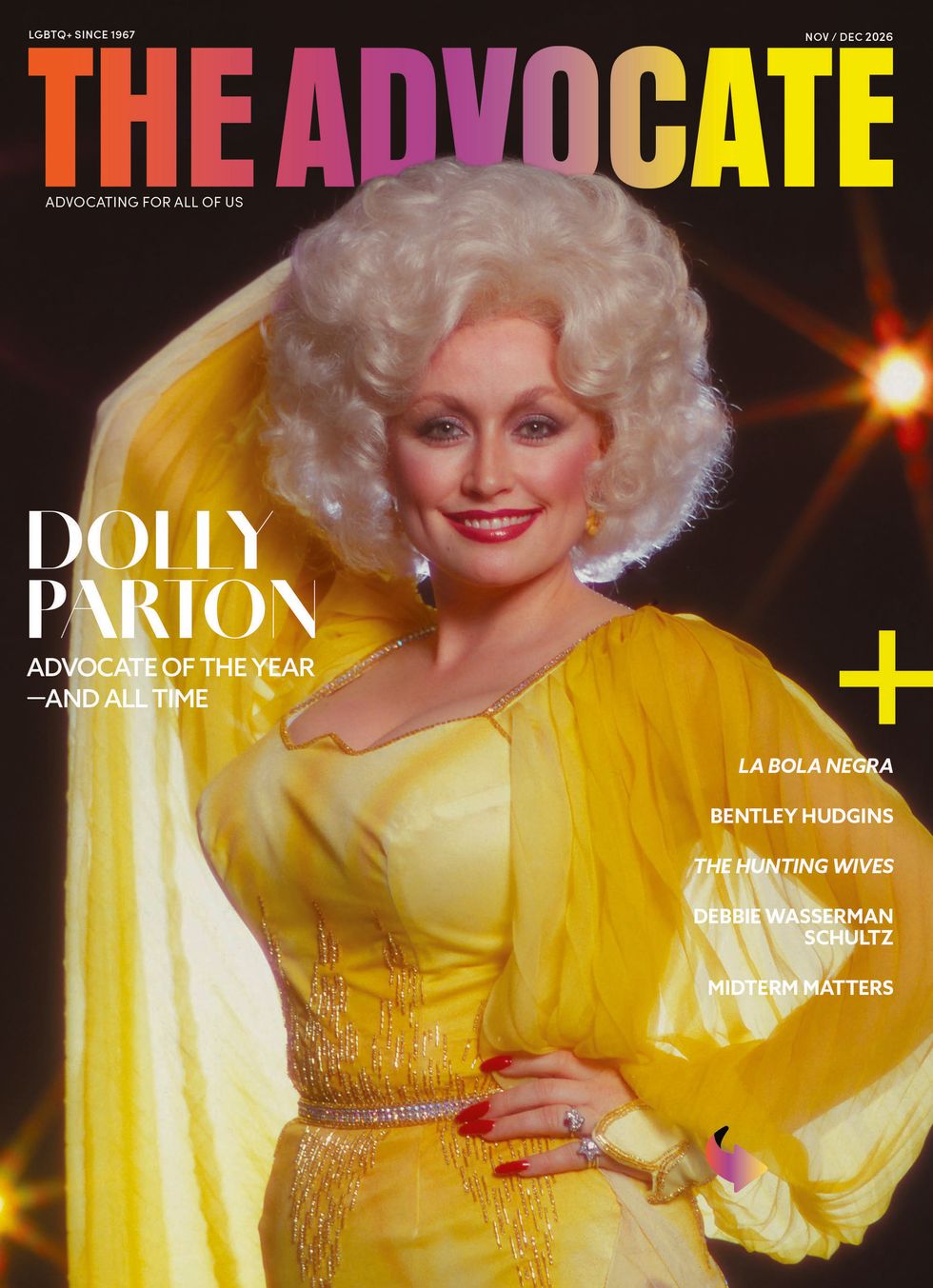
These are the first words that come to mind as I sit down to reflect on my personal connection to the late, great Dolly Parton. In fact, it seems like just about every person on the planet was touched in some way by the entertainment legend and humanitarian. And I am no different.
The above lyrics are from “Coat of Many Colors,” Dolly’s beautiful, bluegrass-infused ode to her humble beginnings in the Smoky Mountains of Tennessee. Like Dolly, I grew up poor in a large, theatrical family, and this song instantly conjures images of my own childhood: listening to records and dancing with my siblings in the living room while my mother sewed my Halloween costume. “One is only poor, only if they choose to be,” the song ultimately concludes.
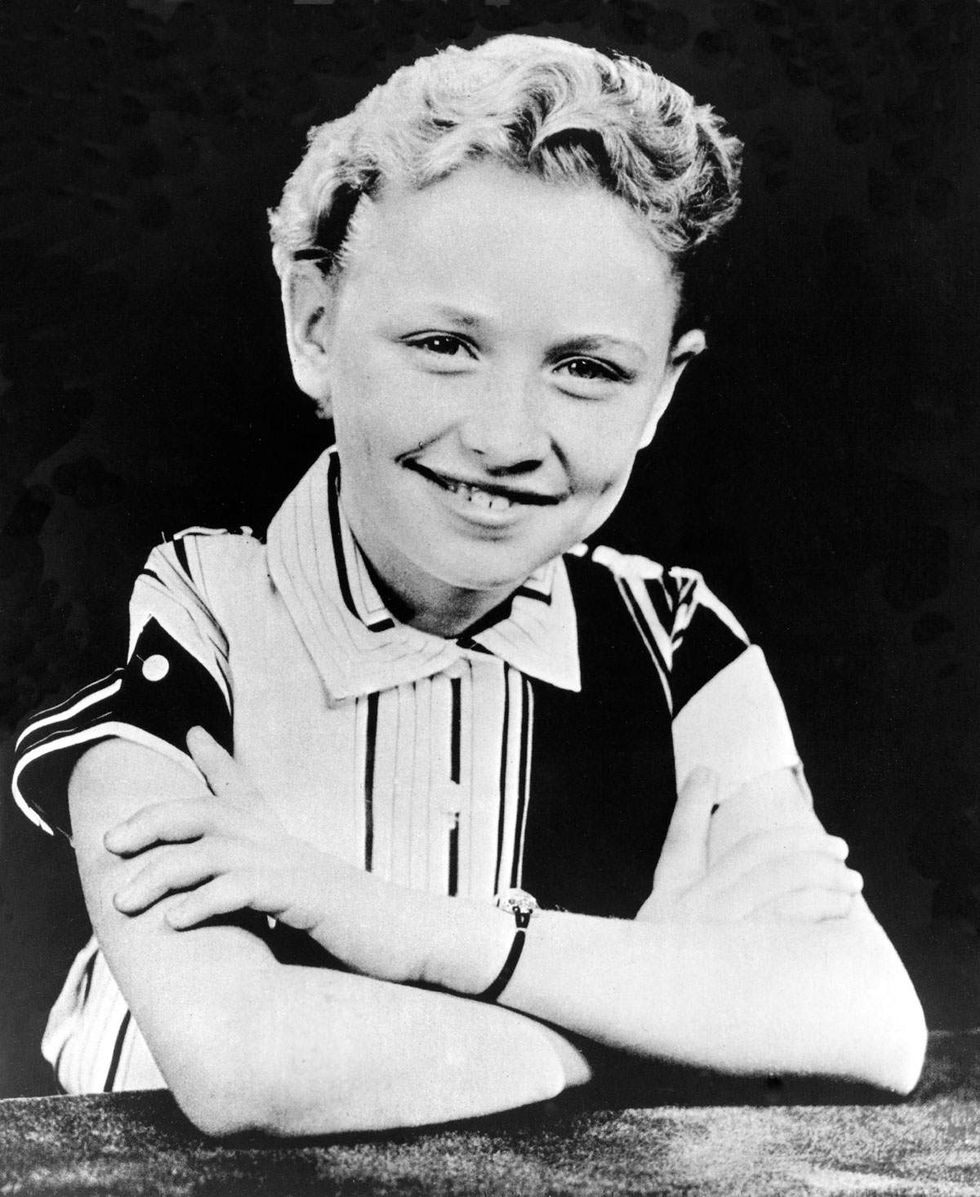 Young Dolly poses for a school portrait in Tennessee, circa 1955.Michael Ochs Archives/Getty Images
This scene from my youth feels similar to Parton’s descriptions of her own, as she was raised with 11 siblings in a small, rural, two-room cabin without electricity or running water. Despite the family’s financial situation, Dolly’s memories of those days are fond ones, filled with music, love, and laughter.
I had the honor of asking Dolly’s younger sister, Stella Parton, about their childhood, and she echoed her famous sister’s sentiments.
“It was like a continual playground with your favorite playmates running around — what felt like paradise under a canopy of trees, making playhouses in the woods and making up all kinds of fun games with my siblings and cousins,” Stella recalls. “One of my favorite memories was playing church in an old, abandoned church house on our property, where we learned our harmonies and learned to sing out of hymnals that had been left there.”
Music — and fun — had always been central to the Parton family, which is certainly evident in the joy and good vibes Dolly beamed throughout the world during the 80 years we were lucky enough to have her.
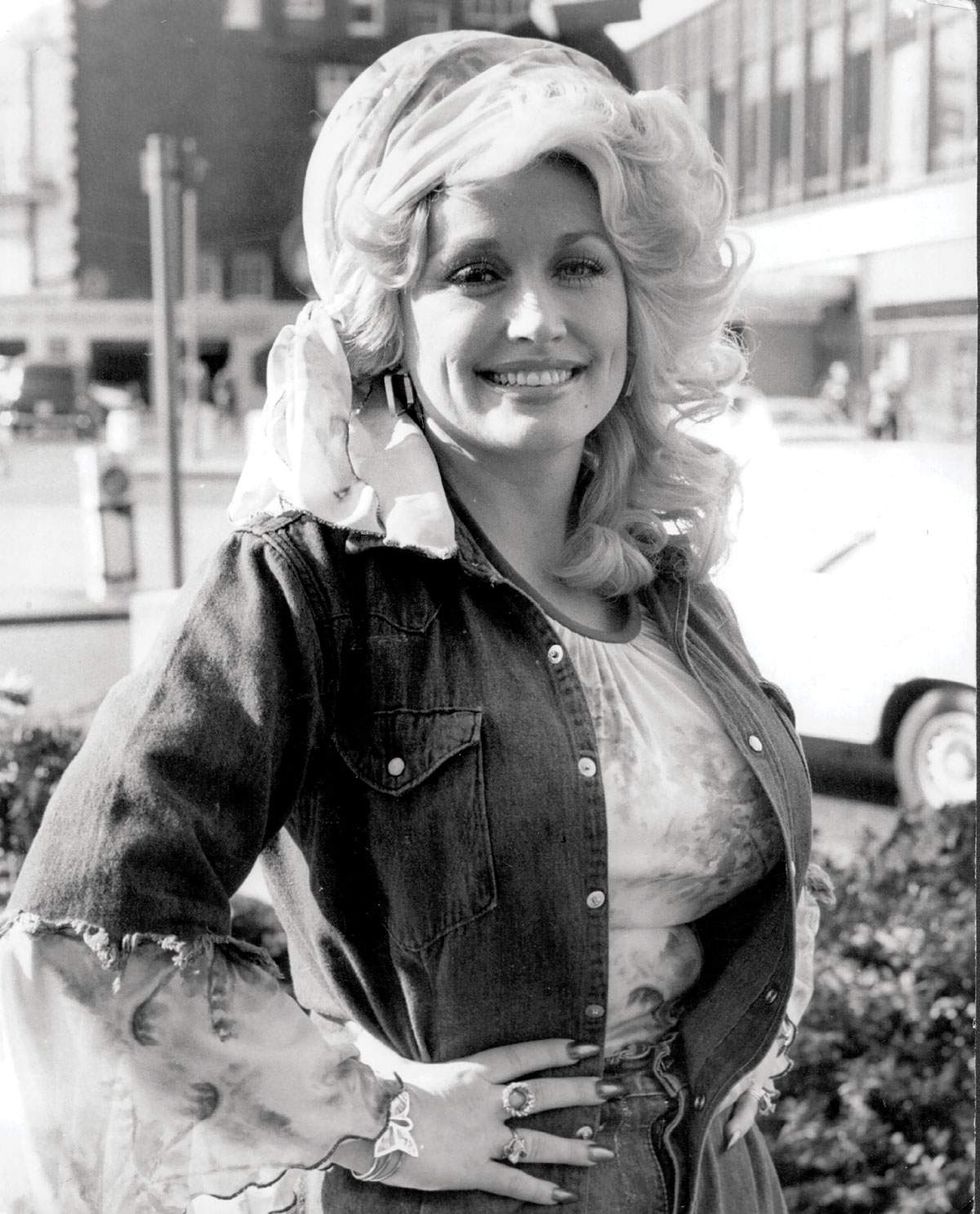 Parton in London in 1977 after performing at the King’s Theatre, Glasgow, at a Scottish Royal Jubilee Television Special in the presence of the Queen.Keystone/Getty Images
Another fond memory of Stella’s is singing alongside Dolly and their sister Cassie, “working out harmony parts to sing backup for our Uncle Bill, who was recording rockabilly records when we were still under the age of 10,” she says, recalling the beginnings of the wit and whimsy her big sis is now known for. “Dolly had taught us how to speak Pig Latin so we could have our own private language in front of Uncle Bill, and he wouldn’t know what we were talking about. We also came up with a Pig Latin version of one of his songs, and he liked it so well, it’s on that recording!”
Widely considered a musical genius and one of the savviest businesswomen in entertainment, Dolly climbed from that two-room cabin to become one of the most successful and beloved artists of all time, which is nothing short of amazing.
Her impressive achievements in the music industry are far too many to name, but highlights include penning over 3,000 songs throughout her career; releasing 50 studio albums, and selling over 100 million records, including mega hits like “I Will Always Love You” and “Jolene,” now embraced as a queer anthem; being inducted into the Rock and Roll, Songwriters, and Country Music Halls of Fame; and holding the record for the most number-one hits by a female country artist.
Dolly did it all sporting her signature rhinestoned style, famously modeled after the “town tramp,” which always included big hair, major cleavage, a snatched waist, and long acrylic nails that, when clicked together, sometimes served as an instrument, like in“9 to 5.” The Grammy-winning singer-songwriter even joked in interviews that she was a “sissy” who loved to “primp.” As she told Out in her 1997 cover story, “It’s a good thing I was born a woman, ‘cause I’da damn sure been a drag queen if I hadn’t. I can’t get flamboyant enough.”
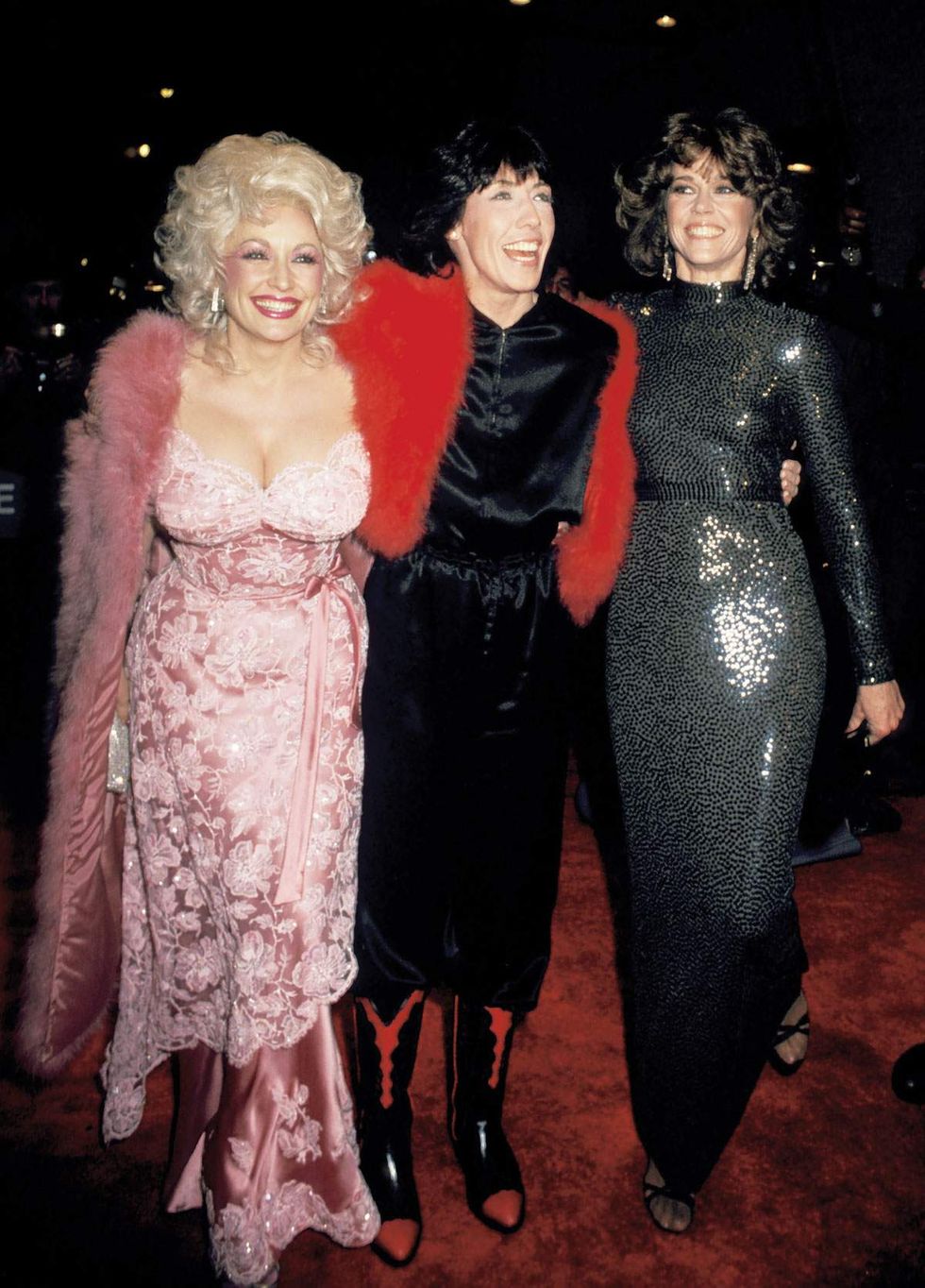 Dolly Parton, Lily Tomlin, and Jane Fonda attend the9 to 5 premiere’s NYC after-party in 1980.Ron Galella/Ron Galella Collection via Getty Images
But her over-the-top glam look and larger-than-life personality are only the beginning of why the world, especially the LGBTQ+ community, loves Dolly so.
Beyond her music — and delightful appearances in films like Steel Magnolias and 9 to 5 alongside Hollywood powerhouses like Jane Fonda, Lily Tomlin, Sally Field, Olympia Dukakis, and Shirley MacLaine — she was a great humanitarian who showed us what it truly means to lead with love. Like her musical achievements, Dolly’s charitable contributions are also too numerous to list, but include donating more than 330 million books to kids around the globe via her literacy nonprofit, the Imagination Library; personally donating and raising millions over the years for natural disaster relief, education, and other worthy causes; and always embracing and supporting the LGBTQ+ community and her queer fans. As a testament to her allyship, she quietly funded gender-affirming care for her longtime chauffeur and assistant, Jason Pirro, back in the 1990s.
For Dolly, that acceptance was never at odds with the Christian faith that shaped her life. “They know that I completely love and accept them, as I do all people,” she told Billboard in 2014 of her LGBTQ+ fans. “If people want to pass judgment, they’re already sinning. I try to love everybody.”
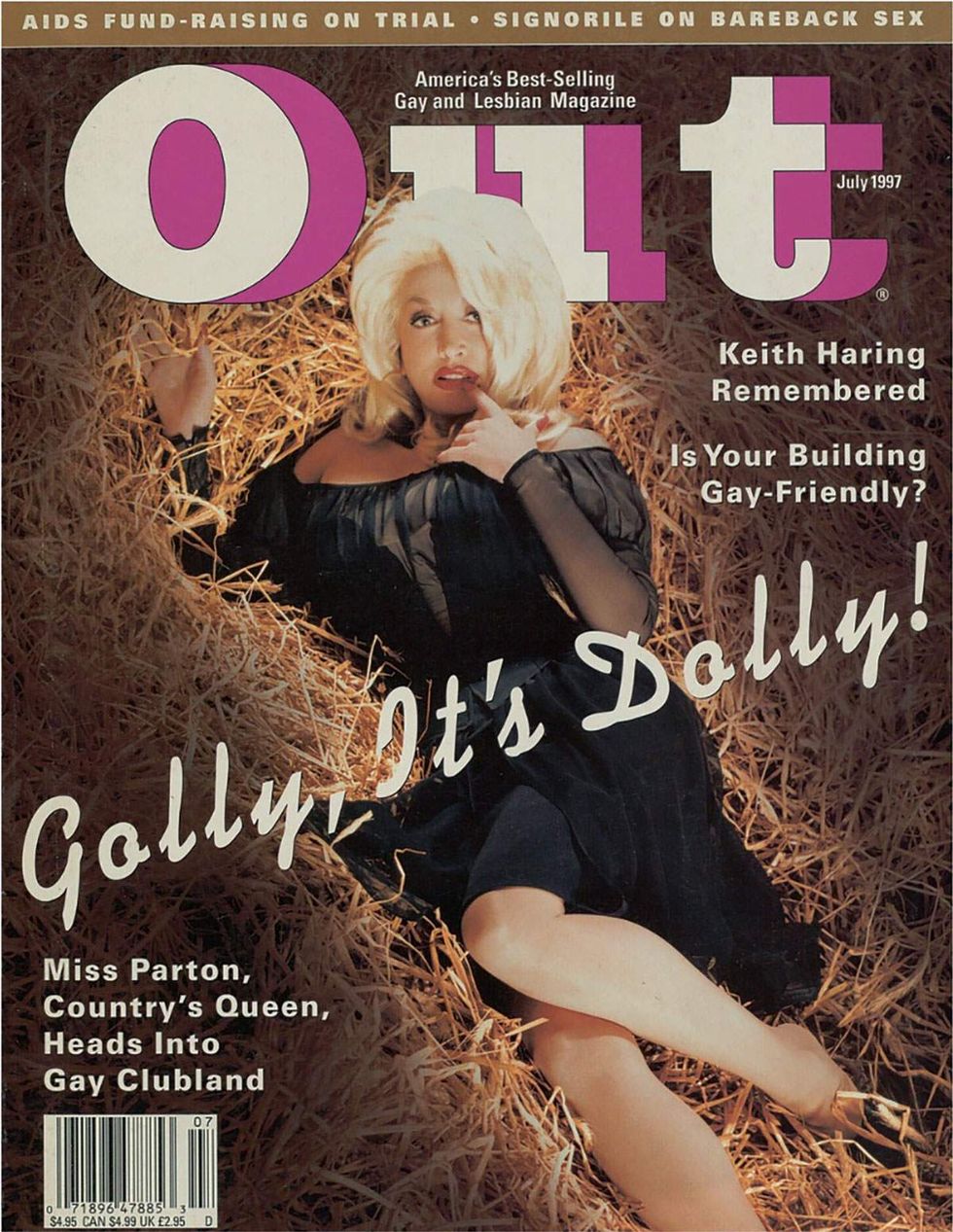 1997 Out cover featuring Dolly
“I think Dolly lived her life led by her faith and convictions, and my only hope is that people will continue to be inspired by her and her story to make a difference and an impact in this world,” says activist, actor, and RuPaul’s Drag Race alum Nina West, whom I spoke with shortly after Dolly’s passing. “She loved, and she loved hard, without exception. She led with light and humor and kindness. And that is powerful…. We all got to live in this timeline — the time of Dolly Parton. Her impact is so wide and far-reaching that I would hope we can all be inspired by it.”
West first met and worked with Dolly on a whim. After being asked to present the Miss Congeniality Award on Drag Race, she admits she did “go a little rogue on the producers” by taking it upon herself to reach out to Dolly about being part of the segment. To her surprise, Dolly’s team responded at the eleventh hour and made it happen. “I am really proud of that. I kinda figured, ‘ask for forgiveness rather than permission,’ and it paid off here. It also cemented my relationship with Dolly.”
Soon after, the two icons partnered up again to promote Kindness Is Queen, an initiative that raised money for Dolly’s Imagination Library and the Nina West Foundation, the drag performer’s org that supports central Ohio’s LGBTQ+ community.
“She was one of the busiest people in the business, and she made time for me, my musings, and some dreams,” West says. “When Hairspray toured through Tennessee, and we arrived in Knoxville, Dolly couldn’t attend but sent me the most gorgeous arrangement of flowers, wishing me the best of luck and writing, ‘Break all them legs!’ She was the best.”
This anecdote describes what Dolly did best — she made time for people. She had the power to make anyone and everyone feel seen. “She loved our community,” adds West. “It went beyond allyship. She never gave any of us a moment to doubt where she stood on issues that affect our community every single moment of every day.”
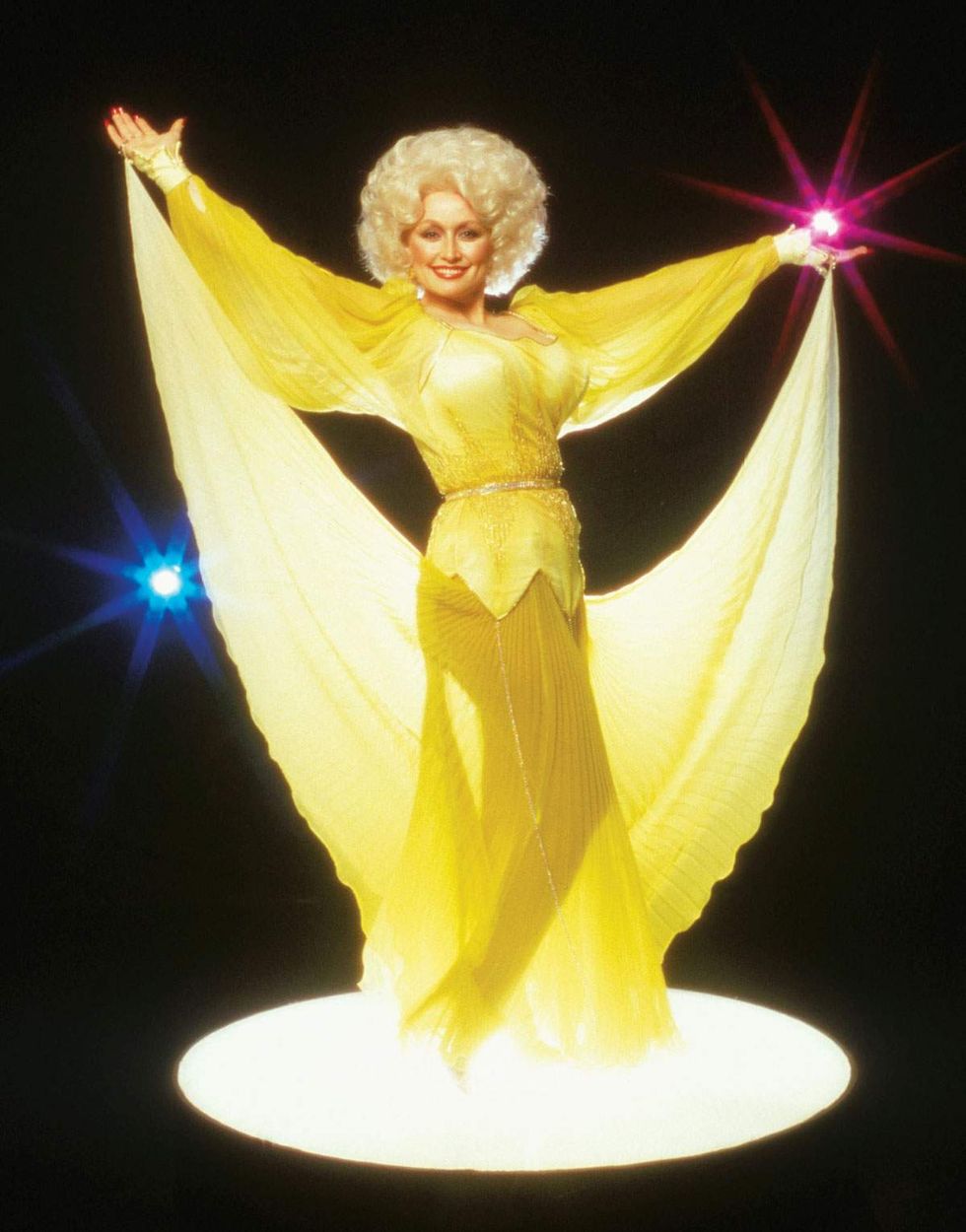 Dolly poses for a portrait session in 1978 in Los Angeles.Harry Langdon/Getty Images
In addition to West, Dolly collaborated with many LGBTQ+ artists throughout her career, including Melissa Etheridge, Elton John, and Brandi Carlile. The queer community loved her right back; from Drag Race to the film Dumplin’ to local drag bars, Dolly’s cultural legacy lives on through performances and endless (and always loving) imitations.
But Dolly’s connection to LGBTQ+ people went beyond the artists she worked with and the queer culture that embraced her. In 1991, when LGBTQ+ lives were still largely absent from mainstream country music, her song “Family” explicitly included gay relatives in its portrait of a family in which no one is turned away. More than a decade later, she wrote “Travelin’ Thru” for the 2005 transgender road drama Transamerica, earning an Academy Award nomination for the song. Dolly also used her platform to draw attention to the HIV crisis. In 1994, she donated her song “You Gotta Be My Baby” to the AIDS benefit album Red Hot + Country, and regularly supported and donated personal funds to organizations like the Elton John AIDS Foundation.
While Stella shares several traits with her sister — like her sassy sense of humor and lovely Southern lilt — unlike Dolly, she’s always been very vocal about her left-leaning political views. When Gayle King pressed her to divulge some of Dolly’s thoughts on politics in a recent interview, Stella assured her that Dolly “had an opinion about things, but she never shared any of that. She never would have done that. She was smarter than me. You know, I tell everything.”
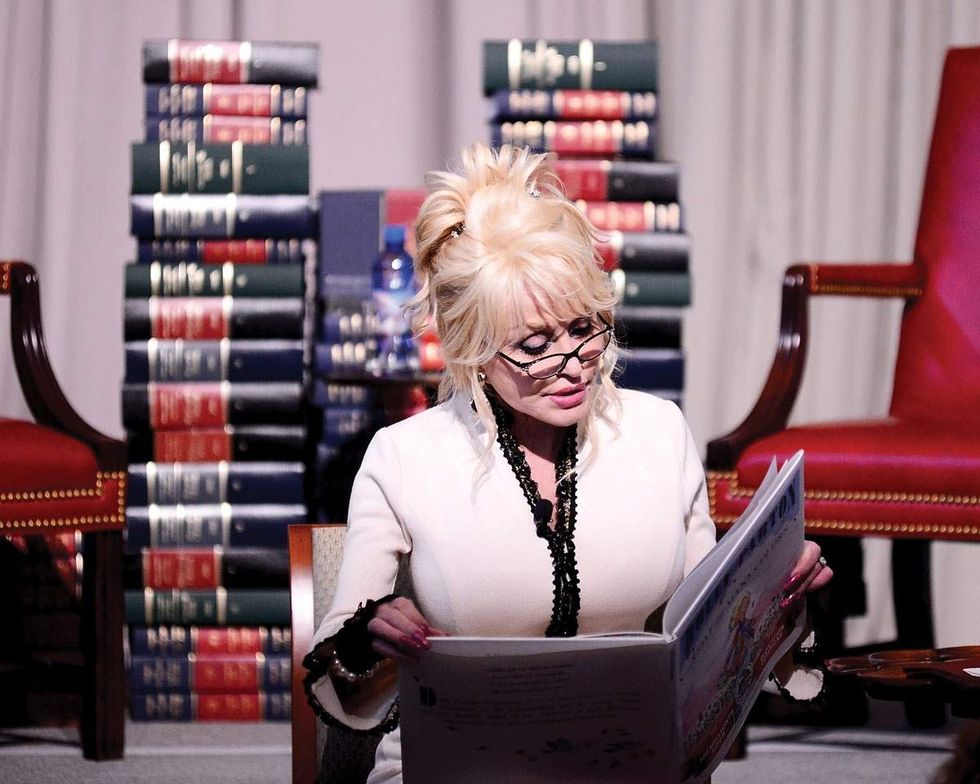 Parton reads her book, Coat of Many Colors, to schoolchildren at the Library of Congress in February of 2018.Shannon Finney/Getty Images
Stella credits their upbringing for instilling the strong sense of values that remained with both sisters throughout their lives.
“We were all collectively brought up to accept all people, because we were taught by our parents to practice inclusion, not only in our faith but in our societal interactions,” Stella says of the Parton family continuing her sister’s legacy of LGBTQ+ allyship. “Human rights, philanthropy, and kindness will always be prominent in our lives, as they were in hers.”
Stella says she’s extremely happy and proud that Dolly is being remembered for her big heart as well as her enormous talent (and other assets).
“I’m sure she would be thrilled to know people have embraced that aspect of her more than her artistry. Self-acceptance is actually the greatest gift we can give ourselves, in my opinion.”
In my life, Dolly taught me many powerful lessons that have helped guide me: be true to yourself and live unapologetically; never give up on your dreams, no matter how big or out of reach they may seem; and always, always remember to do it all with love in your heart, a smile on your face, and some sugar in the tank! If you’re ever feeling lost or unsure of your next move, just ask yourself, What would Dolly do? And everything should work out just fine.
This article is part of The Advocate’s Nov-Dec 2026 print issue, on newsstands November 3. Support queer media and subscribe — or download the issue through Apple News+, Zinio, Nook, or PressReader starting October 22.