'%3E%3Cpath d='M16.3574 35.6519H12.9537L15.0491 18.8873L16.3574 35.6519ZM30.4229 54.0093L22.309 0.994385H7.91795L0 54.0093H10.6634L11.5802 46.3855H17.4014L17.9914 54.0093H30.4229Z' fill='%23971B20'/%3E%3Cpath d='M48.2073 41.8813C48.2073 43.4049 47.4892 44.0011 46.1144 44.0011H43.7595V11.0687H46.1144C47.4892 11.0687 48.2073 11.6636 48.2073 13.1885V41.8813ZM59.5273 43.6695V11.3326C59.5273 3.71323 53.5729 0.994385 47.8157 0.994385H31.7213V54.0093H47.8157C53.5729 54.0093 59.5273 51.29 59.5273 43.6695Z' fill='%23971B20'/%3E%3Cpath d='M90.183 0.994385H78.6039L75.0711 30.6157L71.9955 0.994385H59.4346L69.2474 54.0093H80.373L90.183 0.994385Z' fill='%23971B20'/%3E%3Cpath d='M107.063 42.3448C107.063 43.7359 105.951 44.5974 104.643 44.5974C103.269 44.5974 102.157 43.7359 102.157 42.3448V12.658C102.157 11.2676 103.269 10.4058 104.643 10.4058C105.951 10.4058 107.063 11.2676 107.063 12.658V42.3448ZM119.233 43.2723V11.7312C119.233 6.36384 112.952 -3.8147e-06 104.643 -3.8147e-06C96.2667 -3.8147e-06 89.9867 6.36384 89.9867 11.7312V43.2723C89.9867 48.6393 96.2667 55 104.643 55C112.952 55 119.233 48.6393 119.233 43.2723Z' fill='%23971B20'/%3E%3Cpath d='M150.976 43.9349V33.7309H139.069V42.3448C139.069 43.7359 137.957 44.5974 136.582 44.5974C135.076 44.5974 133.964 43.7359 133.964 42.3448V12.658C133.964 11.2676 135.076 10.4058 136.582 10.4058C137.957 10.4058 139.069 11.2676 139.069 12.658V21.2723H150.976V11.0687C150.976 5.70107 145.283 -3.8147e-06 136.582 -3.8147e-06C127.75 -3.8147e-06 121.796 5.70107 121.796 11.0687V43.9349C121.796 49.3022 127.75 55 136.582 55C145.283 55 150.976 49.3022 150.976 43.9349Z' fill='%23971B20'/%3E%3Cpath d='M167.478 35.6519H164.076L166.17 18.8873L167.478 35.6519ZM181.544 54.0093L173.432 0.994385H159.037L151.123 54.0093H161.785L162.704 46.3855H168.523L169.114 54.0093H181.544Z' fill='%23971B20'/%3E%3Cpath d='M205.412 10.4058V0.994385H177.081V10.4058H185.392V54.0093H197.428V10.4058H205.412Z' fill='%23971B20'/%3E%3Cpath d='M230.002 54.0093V43.9349H218.914V31.8746H226.635V21.8028H218.914V10.4058H230.002V0.994385H206.875V54.0093H230.002Z' fill='%23971B20'/%3E%3C/g%3E%3Cdefs%3E%3CclipPath id='clip0_260_7080'%3E%3Crect width='230' height='55' fill='white'/%3E%3C/clipPath%3E%3C/defs%3E%3C/svg%3E)
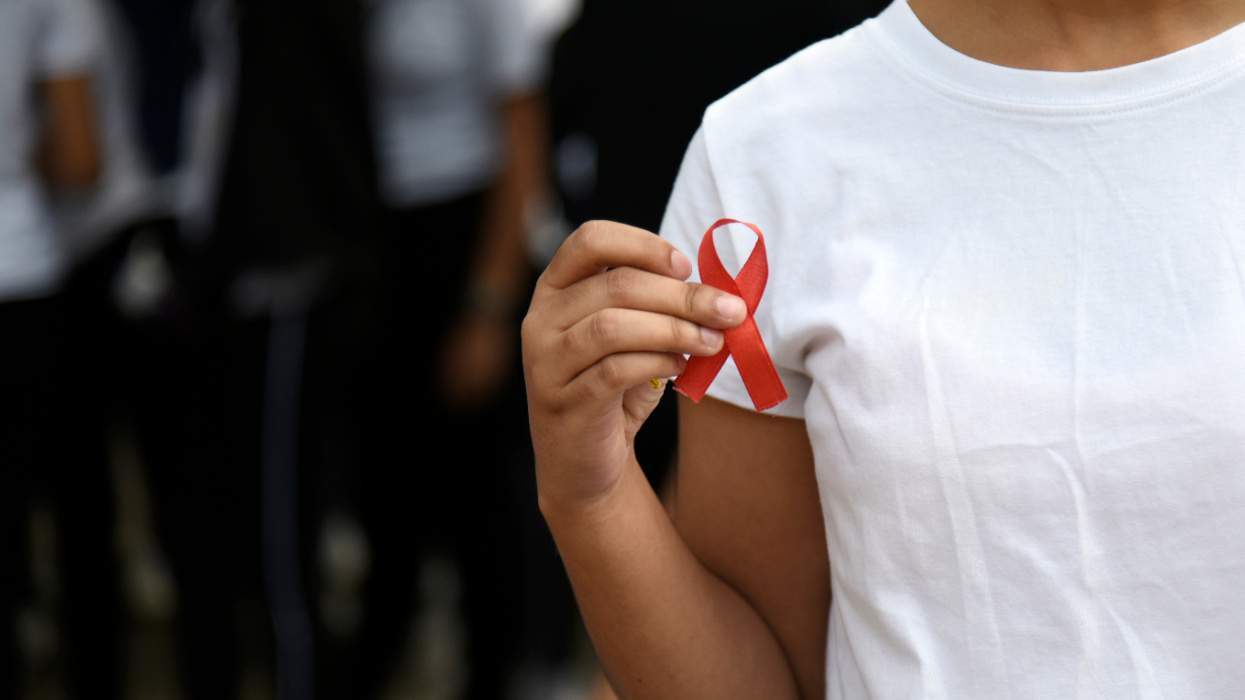

Black people in the U.S. aren't just more likely to have HIV — they're more likely to be criminalized for it.
Black Americans accounted for about 38 percent of new HIV diagnoses and 39 percent of people living with HIV in 2023, according to a report from the Williams Institute, despite making up around 12 percent of the population.
Related: 13 Black community organizations fighting HIV in the U.S. you should know
Black women had the highest HIV diagnosis rate at 19.6 per 100,000, which is about 11 times the rate for white women at 1.8 per 100,000. Black boys and men ages 13 to 24 accounted for 47 percent of all new diagnoses among youth, while white boys and men made up just three percent.
Even with higher rates of infection, Black Americans are less likely to be on medications that treat HIV, with just 64 percent receiving care and 53 percent virally suppressed. They are also less likely to have health insurance, as 12.3 percent of Black adults ages 19 to 64 did not have health insurance in 2024, compared to 6.8 percent of white adults.
Black Americans are more likely to be criminalized for their HIV as well, as they are often subjected to "heightened surveillance, arrest, and conviction within the criminal legal system," according to the report. In 64 percent of states analyzed, they faced higher rates of arrest than their share of people living with HIV. For example, Black people in California were 6 percent of the state population and 18 percent of people living with HIV, but 39 percent of HIV-related arrests.
Related: Our country's dark history of persecuting people with HIV
They're also more likely to face harsh post-conviction penalties like sex offender registration. In Tennessee, Black people were 17 percent of the state’s population and 55 percent of people living with HIV, but 74 percent of people on the sex offender registry with an HIV-related conviction.
"Most HIV criminal laws were enacted before effective HIV treatment and prevention tools became widely available," said Nathan Cisneros, director of the HIV Criminalization Project at the Williams Institute. "In recent years, there has been a push to reform or repeal these laws as policymakers and the public increasingly recognize that these laws can discourage testing, increase stigma, and deepen disparities — especially for Black Americans."