'%3E%3Cpath d='M16.3574 35.6519H12.9537L15.0491 18.8873L16.3574 35.6519ZM30.4229 54.0093L22.309 0.994385H7.91795L0 54.0093H10.6634L11.5802 46.3855H17.4014L17.9914 54.0093H30.4229Z' fill='%23971B20'/%3E%3Cpath d='M48.2073 41.8813C48.2073 43.4049 47.4892 44.0011 46.1144 44.0011H43.7595V11.0687H46.1144C47.4892 11.0687 48.2073 11.6636 48.2073 13.1885V41.8813ZM59.5273 43.6695V11.3326C59.5273 3.71323 53.5729 0.994385 47.8157 0.994385H31.7213V54.0093H47.8157C53.5729 54.0093 59.5273 51.29 59.5273 43.6695Z' fill='%23971B20'/%3E%3Cpath d='M90.183 0.994385H78.6039L75.0711 30.6157L71.9955 0.994385H59.4346L69.2474 54.0093H80.373L90.183 0.994385Z' fill='%23971B20'/%3E%3Cpath d='M107.063 42.3448C107.063 43.7359 105.951 44.5974 104.643 44.5974C103.269 44.5974 102.157 43.7359 102.157 42.3448V12.658C102.157 11.2676 103.269 10.4058 104.643 10.4058C105.951 10.4058 107.063 11.2676 107.063 12.658V42.3448ZM119.233 43.2723V11.7312C119.233 6.36384 112.952 -3.8147e-06 104.643 -3.8147e-06C96.2667 -3.8147e-06 89.9867 6.36384 89.9867 11.7312V43.2723C89.9867 48.6393 96.2667 55 104.643 55C112.952 55 119.233 48.6393 119.233 43.2723Z' fill='%23971B20'/%3E%3Cpath d='M150.976 43.9349V33.7309H139.069V42.3448C139.069 43.7359 137.957 44.5974 136.582 44.5974C135.076 44.5974 133.964 43.7359 133.964 42.3448V12.658C133.964 11.2676 135.076 10.4058 136.582 10.4058C137.957 10.4058 139.069 11.2676 139.069 12.658V21.2723H150.976V11.0687C150.976 5.70107 145.283 -3.8147e-06 136.582 -3.8147e-06C127.75 -3.8147e-06 121.796 5.70107 121.796 11.0687V43.9349C121.796 49.3022 127.75 55 136.582 55C145.283 55 150.976 49.3022 150.976 43.9349Z' fill='%23971B20'/%3E%3Cpath d='M167.478 35.6519H164.076L166.17 18.8873L167.478 35.6519ZM181.544 54.0093L173.432 0.994385H159.037L151.123 54.0093H161.785L162.704 46.3855H168.523L169.114 54.0093H181.544Z' fill='%23971B20'/%3E%3Cpath d='M205.412 10.4058V0.994385H177.081V10.4058H185.392V54.0093H197.428V10.4058H205.412Z' fill='%23971B20'/%3E%3Cpath d='M230.002 54.0093V43.9349H218.914V31.8746H226.635V21.8028H218.914V10.4058H230.002V0.994385H206.875V54.0093H230.002Z' fill='%23971B20'/%3E%3C/g%3E%3Cdefs%3E%3CclipPath id='clip0_260_7080'%3E%3Crect width='230' height='55' fill='white'/%3E%3C/clipPath%3E%3C/defs%3E%3C/svg%3E)
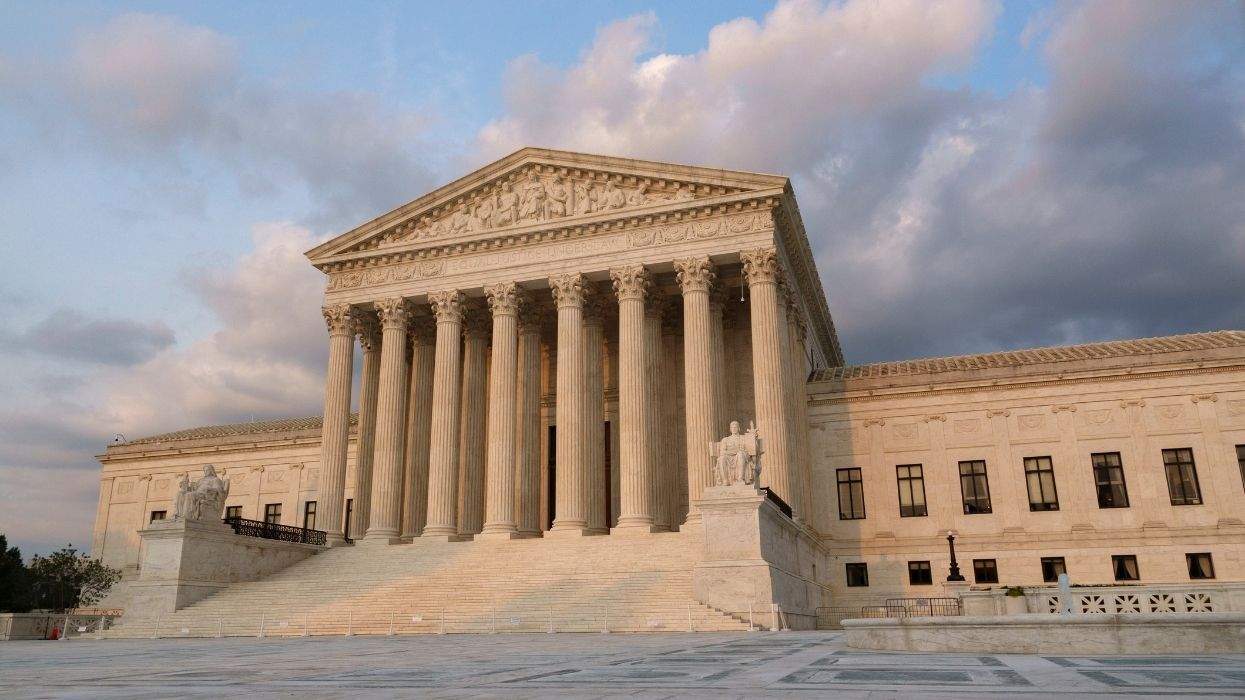
The U.S. Supreme Court said Monday that it will consider whether states can punish people for engaging in same-sex sexual activity, a case that will test the constitutionality of sodomy laws in 13 states. The justices will review the prosecution of two men under a 28-year-old Texas law that makes it a crime to engage in same-sex intercourse. The Supreme Court has struggled with how much protection the Constitution offers American citizens in the bedroom. The court ruled 5-4 in 1986 that consenting adults have no constitutional right to private same-sex sexual activity, upholding laws that ban sodomy. The high court faces several questions in the latest case. Among them: Is it an unconstitutional invasion of privacy for couples to be prosecuted for what they do in their own homes? Is it unconstitutional for states to treat gays and lesbians differently by punishing them for having sex while allowing heterosexual couples to engage in the same acts without penalties? Sodomy is defined as "abnormal" sex, typically including anal and oral sex. Nine states ban consensual sodomy for everyone: Alabama, Florida, Idaho, Louisiana, Mississippi, North Carolina, South Carolina, Utah, and Virginia. Texas, Kansas, Missouri, and Oklahoma punish only same-sex sodomy. These states argue that their sodomy laws, some dating back more than 100 years, are intended to preserve public morality. The laws are rarely enforced, however. Lawyers for John Geddes Lawrence and Tyron Garner said the men were bothering no one when, in 1998, they were arrested in Lawrence's apartment, jailed overnight, and later fined under Texas's Homosexual Conduct Law, which classifies anal or oral sex between two men or two women as deviate sexual intercourse. The men's lawyers said the convictions would prevent them from getting certain jobs and would, in some states, require them to register as sex offenders. They were arrested after police responded to a false report of an armed intruder in Lawrence's apartment. Police entered the unlocked apartment and found the men having sex. Lawrence and Garner were fined $200 after pleading no contest to misdemeanor charges. "The idea that a state may enter into American bedrooms and closely inspect the most intimate and private physical interactions...is a stark affront to fundamental liberty that the court should end," said one of the men's lawyers, Ruth E. Harlow, legal director of the New York-based Lambda Legal Defense and Education Fund. Harlow said in court filings that the latest census showed there to be more than 600,000 households of same-sex partners in America, including about 43,000 in Texas. She said the Texas law treats gays as second-class citizens. William Delmore III, an assistant district attorney in Texas, said people who don't like the law should take it up with the Texas legislature, not the courts. He said same-sex sodomy has been considered criminal behavior for centuries. The conduct "could not conceivably have achieved the status of a fundamental right in the brief period of 16 years" since the Supreme Court last reviewed it, Delmore wrote in the state's court papers. Over the past decade state courts have blocked sodomy laws in Arkansas, Georgia, Kentucky, Montana, and Tennessee. Last month a Louisiana appeals court upheld that state's 197-year-old law criminalizing all oral and anal sex. Delmore said the Texas law does not target only gays and lesbians but could also be used for bisexuals and heterosexuals "who are tempted to engage in homosexual conduct." The law is part of Texas's "communal belief that the conduct is wrong and should be discouraged," he wrote in his filing.