'%3E%3Cpath d='M16.3574 35.6519H12.9537L15.0491 18.8873L16.3574 35.6519ZM30.4229 54.0093L22.309 0.994385H7.91795L0 54.0093H10.6634L11.5802 46.3855H17.4014L17.9914 54.0093H30.4229Z' fill='%23971B20'/%3E%3Cpath d='M48.2073 41.8813C48.2073 43.4049 47.4892 44.0011 46.1144 44.0011H43.7595V11.0687H46.1144C47.4892 11.0687 48.2073 11.6636 48.2073 13.1885V41.8813ZM59.5273 43.6695V11.3326C59.5273 3.71323 53.5729 0.994385 47.8157 0.994385H31.7213V54.0093H47.8157C53.5729 54.0093 59.5273 51.29 59.5273 43.6695Z' fill='%23971B20'/%3E%3Cpath d='M90.183 0.994385H78.6039L75.0711 30.6157L71.9955 0.994385H59.4346L69.2474 54.0093H80.373L90.183 0.994385Z' fill='%23971B20'/%3E%3Cpath d='M107.063 42.3448C107.063 43.7359 105.951 44.5974 104.643 44.5974C103.269 44.5974 102.157 43.7359 102.157 42.3448V12.658C102.157 11.2676 103.269 10.4058 104.643 10.4058C105.951 10.4058 107.063 11.2676 107.063 12.658V42.3448ZM119.233 43.2723V11.7312C119.233 6.36384 112.952 -3.8147e-06 104.643 -3.8147e-06C96.2667 -3.8147e-06 89.9867 6.36384 89.9867 11.7312V43.2723C89.9867 48.6393 96.2667 55 104.643 55C112.952 55 119.233 48.6393 119.233 43.2723Z' fill='%23971B20'/%3E%3Cpath d='M150.976 43.9349V33.7309H139.069V42.3448C139.069 43.7359 137.957 44.5974 136.582 44.5974C135.076 44.5974 133.964 43.7359 133.964 42.3448V12.658C133.964 11.2676 135.076 10.4058 136.582 10.4058C137.957 10.4058 139.069 11.2676 139.069 12.658V21.2723H150.976V11.0687C150.976 5.70107 145.283 -3.8147e-06 136.582 -3.8147e-06C127.75 -3.8147e-06 121.796 5.70107 121.796 11.0687V43.9349C121.796 49.3022 127.75 55 136.582 55C145.283 55 150.976 49.3022 150.976 43.9349Z' fill='%23971B20'/%3E%3Cpath d='M167.478 35.6519H164.076L166.17 18.8873L167.478 35.6519ZM181.544 54.0093L173.432 0.994385H159.037L151.123 54.0093H161.785L162.704 46.3855H168.523L169.114 54.0093H181.544Z' fill='%23971B20'/%3E%3Cpath d='M205.412 10.4058V0.994385H177.081V10.4058H185.392V54.0093H197.428V10.4058H205.412Z' fill='%23971B20'/%3E%3Cpath d='M230.002 54.0093V43.9349H218.914V31.8746H226.635V21.8028H218.914V10.4058H230.002V0.994385H206.875V54.0093H230.002Z' fill='%23971B20'/%3E%3C/g%3E%3Cdefs%3E%3CclipPath id='clip0_260_7080'%3E%3Crect width='230' height='55' fill='white'/%3E%3C/clipPath%3E%3C/defs%3E%3C/svg%3E)
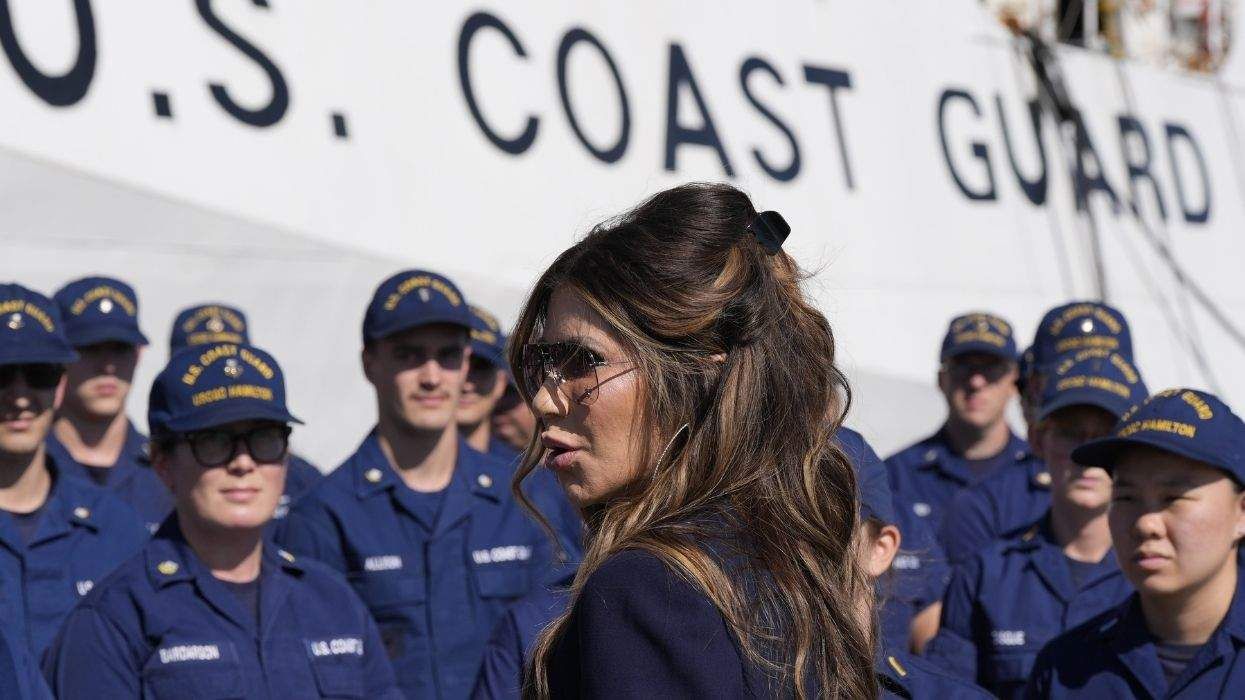

The U.S. Coast Guard is preparing to roll back restrictions on extremist symbols such as swastikas and nooses, even as it continues enforcing the nation’s restrictive ban on transgender military service. The shift was first reported by The Washington Post and is now reflected in newly issued internal policy documents.
Keep up with the latest in LGBTQ+ news and politics. Sign up for The Advocate’s email newsletter.
Under a comprehensive update that takes effect December 15, the Coast Guard is eliminating the “hate incident” category altogether and reclassifying displays of swastikas, nooses, and symbols coopted by hate groups as “potentially divisive symbols,” the Post reports.
According to the paper, the updated policy states that these items should now be handled through harassment procedures when an aggrieved individual is identified, significantly weakening the automatic scrutiny of content historically treated as threatening or discriminatory. The same instruction states that a symbol is considered divisive only if its display is determined to affect good order, morale, or mission effectiveness negatively.
The Trump administration has previously blocked Pride flags from being displayed at federal facilities.
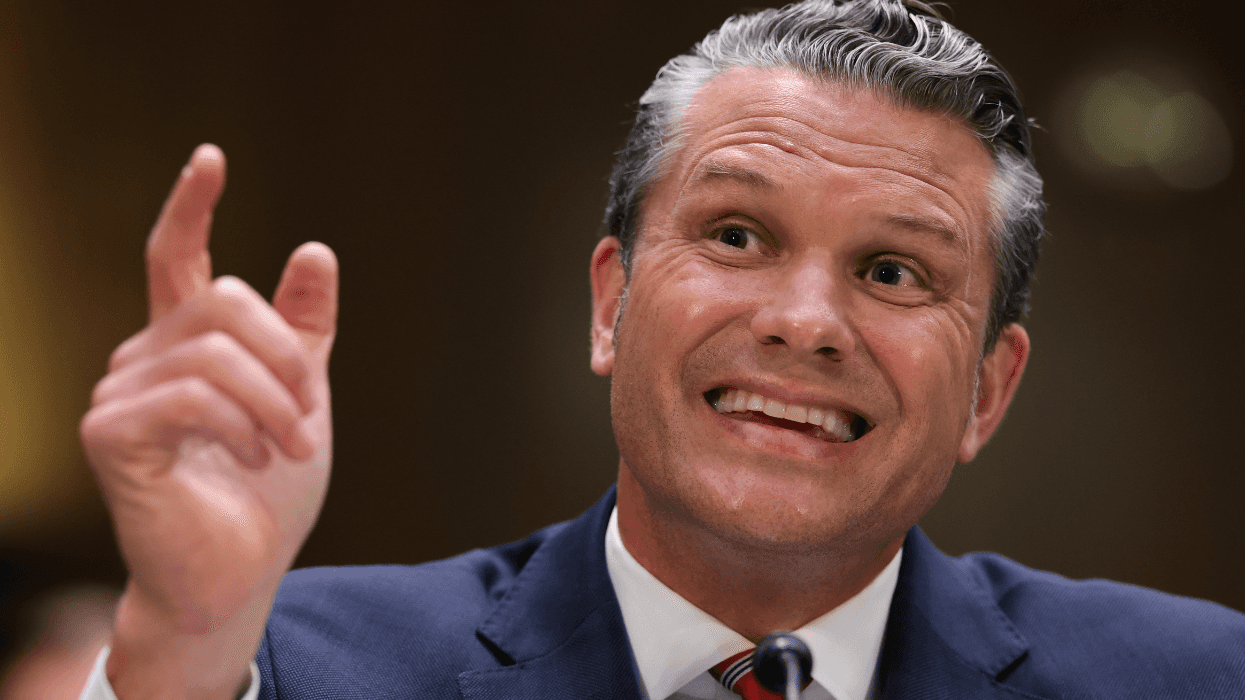
The shift is part of a larger ideological realignment across the federal military apparatus. The Coast Guard is under the Department of Homeland Security, run by MAGA faithful Secretary Kristi Noem. Though the Coast Guard is not part of the Defense Department, it has updated its policies to align with the Trump administration’s narrowing of definitions for hazing, bullying, and harassment. In September, Defense Secretary Pete Hegseth ordered a department-wide revision, calling existing military standards “overly broad” and warning they threatened combat readiness.
Related: Pete Hegseth mandates that all military service members watch his fratty Virginia speech to generals
Pentagon memorandums issued the same month require rapid dismissal of discrimination complaints lacking “credible evidence” within seven days, and warn that service members who file complaints deemed frivolous may face punishment under the Uniform Code of Military Justice.
At the same time, the Coast Guard is enforcing a categorical ban on transgender service. A June directive bars individuals with a diagnosis or history of gender dysphoria from enlisting and requires all members to serve in accordance with their “biological sex,” with no new access to transition-related care.
The Post notes that although the Coast Guard initially declined to comment for the story, a spokesperson later told the paper that “We will be reviewing the language."
On Thursday afternoon, the acting commandant of the Coast Guard issued a statement pushing back on The Post’s report.
“The claims that the U.S. Coast Guard will no longer classify swastikas, nooses or other extremist imagery as prohibited symbols are categorically false,” Admiral Kevin Lunday wrote in a statement posted on X, formerly Twitter. “These symbols have been and remain prohibited in the Coast Guard per policy."
He said that all displays of these types of symbols would be "thoroughly investigated and severely punished."
He added, “Symbols such as swastikas, nooses and other extremist or racist imagery violate our core values and are treated with the seriousness they warrant under current policy.”
Editor’s note: This story has been updated with additional reporting.