'%3E%3Cpath d='M16.3574 35.6519H12.9537L15.0491 18.8873L16.3574 35.6519ZM30.4229 54.0093L22.309 0.994385H7.91795L0 54.0093H10.6634L11.5802 46.3855H17.4014L17.9914 54.0093H30.4229Z' fill='%23971B20'/%3E%3Cpath d='M48.2073 41.8813C48.2073 43.4049 47.4892 44.0011 46.1144 44.0011H43.7595V11.0687H46.1144C47.4892 11.0687 48.2073 11.6636 48.2073 13.1885V41.8813ZM59.5273 43.6695V11.3326C59.5273 3.71323 53.5729 0.994385 47.8157 0.994385H31.7213V54.0093H47.8157C53.5729 54.0093 59.5273 51.29 59.5273 43.6695Z' fill='%23971B20'/%3E%3Cpath d='M90.183 0.994385H78.6039L75.0711 30.6157L71.9955 0.994385H59.4346L69.2474 54.0093H80.373L90.183 0.994385Z' fill='%23971B20'/%3E%3Cpath d='M107.063 42.3448C107.063 43.7359 105.951 44.5974 104.643 44.5974C103.269 44.5974 102.157 43.7359 102.157 42.3448V12.658C102.157 11.2676 103.269 10.4058 104.643 10.4058C105.951 10.4058 107.063 11.2676 107.063 12.658V42.3448ZM119.233 43.2723V11.7312C119.233 6.36384 112.952 -3.8147e-06 104.643 -3.8147e-06C96.2667 -3.8147e-06 89.9867 6.36384 89.9867 11.7312V43.2723C89.9867 48.6393 96.2667 55 104.643 55C112.952 55 119.233 48.6393 119.233 43.2723Z' fill='%23971B20'/%3E%3Cpath d='M150.976 43.9349V33.7309H139.069V42.3448C139.069 43.7359 137.957 44.5974 136.582 44.5974C135.076 44.5974 133.964 43.7359 133.964 42.3448V12.658C133.964 11.2676 135.076 10.4058 136.582 10.4058C137.957 10.4058 139.069 11.2676 139.069 12.658V21.2723H150.976V11.0687C150.976 5.70107 145.283 -3.8147e-06 136.582 -3.8147e-06C127.75 -3.8147e-06 121.796 5.70107 121.796 11.0687V43.9349C121.796 49.3022 127.75 55 136.582 55C145.283 55 150.976 49.3022 150.976 43.9349Z' fill='%23971B20'/%3E%3Cpath d='M167.478 35.6519H164.076L166.17 18.8873L167.478 35.6519ZM181.544 54.0093L173.432 0.994385H159.037L151.123 54.0093H161.785L162.704 46.3855H168.523L169.114 54.0093H181.544Z' fill='%23971B20'/%3E%3Cpath d='M205.412 10.4058V0.994385H177.081V10.4058H185.392V54.0093H197.428V10.4058H205.412Z' fill='%23971B20'/%3E%3Cpath d='M230.002 54.0093V43.9349H218.914V31.8746H226.635V21.8028H218.914V10.4058H230.002V0.994385H206.875V54.0093H230.002Z' fill='%23971B20'/%3E%3C/g%3E%3Cdefs%3E%3CclipPath id='clip0_260_7080'%3E%3Crect width='230' height='55' fill='white'/%3E%3C/clipPath%3E%3C/defs%3E%3C/svg%3E)
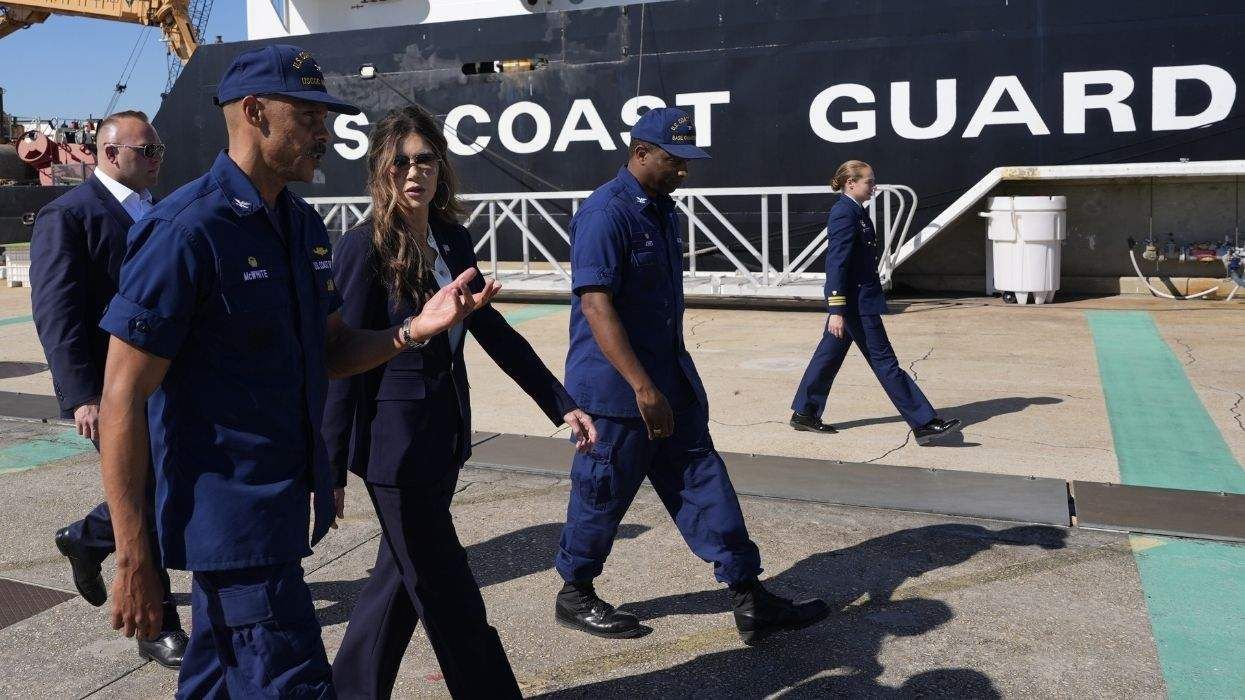

The U.S. Coast Guard on Thursday night attempted to contain a growing storm of public concern over extremism within its ranks, issuing a new order that explicitly bans hate symbols, including swastikas, nooses, and Confederate battle flags, across all service workplaces, facilities, and assets.
Keep up with the latest in LGBTQ+ news and politics. Sign up for The Advocate’s email newsletter.
The move marked a sharp and sudden reversal. Hours earlier, The Washington Post had reported on internal policy change language suggesting the Coast Guard was preparing to treat such symbols as merely “potentially divisive,” no longer warranting automatic disciplinary review. That approach raised alarm among civil rights advocates and service members who saw the shift as a dangerous accommodation of extremist imagery long used to target people of color, Jewish Americans, LGBTQ+ individuals, and other vulnerable groups.
Related: New U.S. Coast Guard policy OK with some swastikas & nooses, but not transgender service members
But by late Thursday evening, the Coast Guard was publicly backtracking. Lt. Cmdr. Steve Roth, the service’s chief of media relations, sent The Advocate a press statement and a signed general order from Acting Commandant Adm. Kevin E. Lunday declaring that the Coast Guard was “doubling down” on its prohibition of hate symbols and issuing a formal, punitive mandate intended to “combat misinformation.”
The two-page order leaves little ambiguity. It states that the Coast Guard “does not tolerate” divisive or hate symbols and that their display undermines unit cohesion, morale, command climate, and mission effectiveness. It applies to all personnel across the service and lists nooses, swastikas, and symbols adopted by hate-based groups as explicitly prohibited. It also reaffirms the longstanding ban on the Confederate battle flag, including on vehicles, clothing, and any other visible display in Coast Guard spaces.
More consequentially, the directive elevates these rules to a punitive general order enforceable under Article 92 of the Uniform Code of Military Justice. Violations can now carry criminal penalties. Commanders are instructed to order the immediate removal of prohibited symbols and consult legal officers when necessary. They must also alert the chain of command and the Anti-Harassment Program Office within 48 hours if a display is likely to draw media or congressional scrutiny.
The Coast Guard insisted Thursday that the new order does not represent a policy update but rather a clarifying restatement. Yet the timing of the directive, its expanded specificity, and the force of its legal framing suggest that leaders were reacting to a political and institutional crisis of their own making.
Related: Pete Hegseth mandates that all military service members watch his fratty Virginia speech to generals
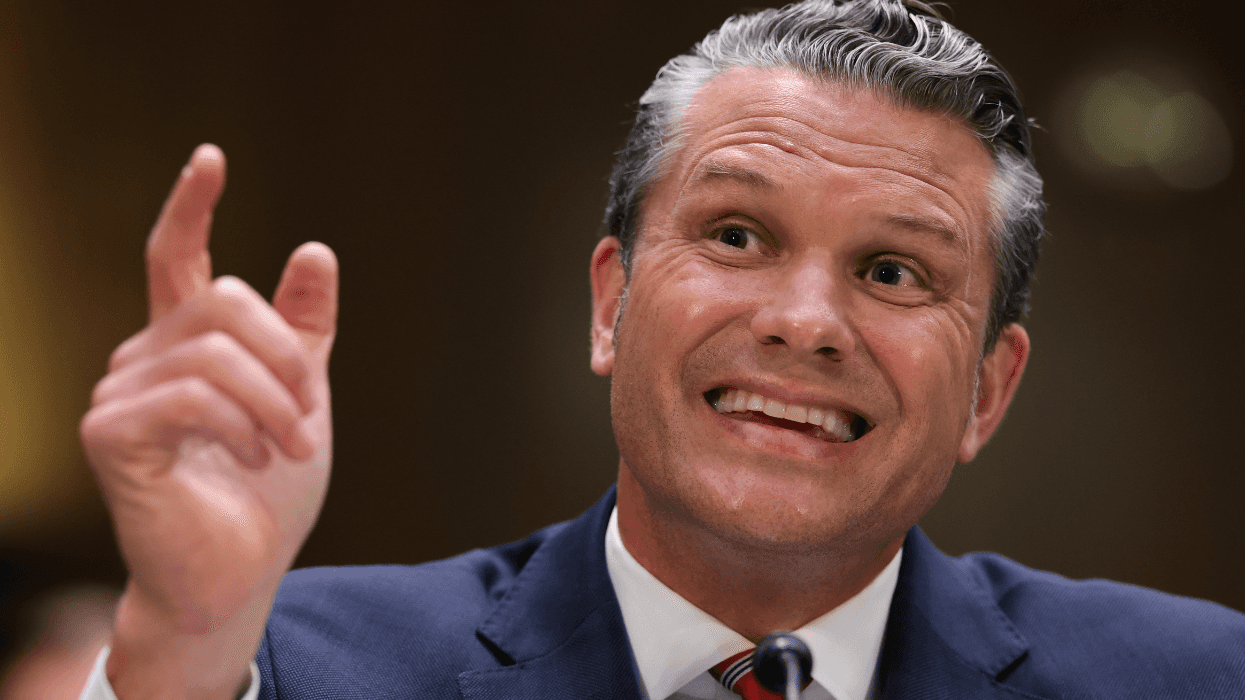
The episode arrives at a moment when federal agencies, both military and civilian, are redefining the boundaries of acceptable conduct under President Donald Trump’s second administration. Defense Secretary Pete Hegseth has launched a broad overhaul of harassment rules across the Defense Department, arguing that traditional standards have become “overly broad” and hinder military readiness.
Within that landscape, the Coast Guard’s initial willingness to recast nooses and swastikas as context-dependent symbols, while simultaneously enforcing a categorical ban on transgender service members and Pride flag displays, struck many observers as emblematic of a government recalibrating its tolerance in ways that disproportionately harm marginalized communities.