'%3E%3Cpath d='M16.3574 35.6519H12.9537L15.0491 18.8873L16.3574 35.6519ZM30.4229 54.0093L22.309 0.994385H7.91795L0 54.0093H10.6634L11.5802 46.3855H17.4014L17.9914 54.0093H30.4229Z' fill='%23971B20'/%3E%3Cpath d='M48.2073 41.8813C48.2073 43.4049 47.4892 44.0011 46.1144 44.0011H43.7595V11.0687H46.1144C47.4892 11.0687 48.2073 11.6636 48.2073 13.1885V41.8813ZM59.5273 43.6695V11.3326C59.5273 3.71323 53.5729 0.994385 47.8157 0.994385H31.7213V54.0093H47.8157C53.5729 54.0093 59.5273 51.29 59.5273 43.6695Z' fill='%23971B20'/%3E%3Cpath d='M90.183 0.994385H78.6039L75.0711 30.6157L71.9955 0.994385H59.4346L69.2474 54.0093H80.373L90.183 0.994385Z' fill='%23971B20'/%3E%3Cpath d='M107.063 42.3448C107.063 43.7359 105.951 44.5974 104.643 44.5974C103.269 44.5974 102.157 43.7359 102.157 42.3448V12.658C102.157 11.2676 103.269 10.4058 104.643 10.4058C105.951 10.4058 107.063 11.2676 107.063 12.658V42.3448ZM119.233 43.2723V11.7312C119.233 6.36384 112.952 -3.8147e-06 104.643 -3.8147e-06C96.2667 -3.8147e-06 89.9867 6.36384 89.9867 11.7312V43.2723C89.9867 48.6393 96.2667 55 104.643 55C112.952 55 119.233 48.6393 119.233 43.2723Z' fill='%23971B20'/%3E%3Cpath d='M150.976 43.9349V33.7309H139.069V42.3448C139.069 43.7359 137.957 44.5974 136.582 44.5974C135.076 44.5974 133.964 43.7359 133.964 42.3448V12.658C133.964 11.2676 135.076 10.4058 136.582 10.4058C137.957 10.4058 139.069 11.2676 139.069 12.658V21.2723H150.976V11.0687C150.976 5.70107 145.283 -3.8147e-06 136.582 -3.8147e-06C127.75 -3.8147e-06 121.796 5.70107 121.796 11.0687V43.9349C121.796 49.3022 127.75 55 136.582 55C145.283 55 150.976 49.3022 150.976 43.9349Z' fill='%23971B20'/%3E%3Cpath d='M167.478 35.6519H164.076L166.17 18.8873L167.478 35.6519ZM181.544 54.0093L173.432 0.994385H159.037L151.123 54.0093H161.785L162.704 46.3855H168.523L169.114 54.0093H181.544Z' fill='%23971B20'/%3E%3Cpath d='M205.412 10.4058V0.994385H177.081V10.4058H185.392V54.0093H197.428V10.4058H205.412Z' fill='%23971B20'/%3E%3Cpath d='M230.002 54.0093V43.9349H218.914V31.8746H226.635V21.8028H218.914V10.4058H230.002V0.994385H206.875V54.0093H230.002Z' fill='%23971B20'/%3E%3C/g%3E%3Cdefs%3E%3CclipPath id='clip0_260_7080'%3E%3Crect width='230' height='55' fill='white'/%3E%3C/clipPath%3E%3C/defs%3E%3C/svg%3E)

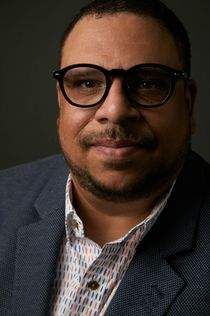
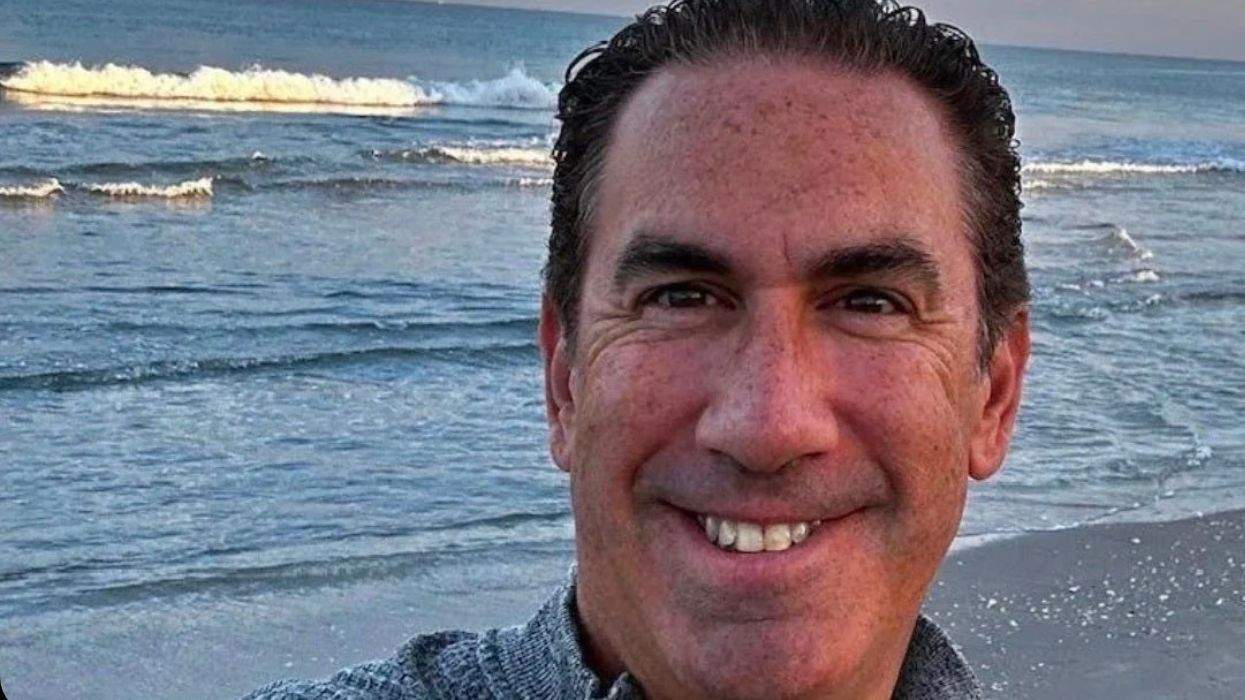
More than a decade after Obergefell v. Hodges made marriage equality the law of the land, the case’s namesake is celebrating another victory — this time, the U.S. Supreme Court’s quiet refusal to reopen a battle many hoped was long settled.
Keep up with the latest in LGBTQ+ news and politics. Sign up for The Advocate’s email newsletter.
On Monday, the justices declined to hear former Kentucky clerk Kim Davis’s appeal, rejecting her attempt to overturn lower court rulings that found she violated the constitutional rights of same-sex couples when she refused to issue marriage licenses in 2015. Davis, who became a symbol of defiance in the wake of Obergefell, had also asked the court to reconsider the ruling itself.
For Jim Obergefell, the court’s decision is both vindication and warning. “The Court did the right thing in denying cert, and people across our nation can breathe a little easier today,” he told The Advocate. “But threats to marriage equality will likely continue, so we must not assume marriage, or any rights enjoyed by or due to any marginalized community, is safe.”
Davis’s case had been closely watched by LGBTQ+ advocates, who were wary of a court that, in recent years, had rolled back long-standing precedent, like Roe v. Wade in its Dobbs ruling. While the justices did not explain their decision, the outcome leaves marriage equality untouched and underscores that government officials cannot use personal faith as a shield against performing their public duties.
“Kim Davis should have lived up to her oath and duties as a public servant by serving everyone in Rowan County, Kentucky,” Obergefell said. “Instead, she chose to use her faith to persecute others.”
Related: U.S. Supreme Court denies hearing in Kim Davis’s marriage equality challenge
“It is past time for others in our nation to understand that a person’s faith is not harmed by others who are different,” he said. “Someone exercising a civil right does not prevent a believer from continuing to practice their faith at home or in their house of worship.”
Obergefell also cited the Sixth Circuit Court of Appeals, which previously rejected Davis’s argument that her religious beliefs excused her conduct. “As the Sixth Circuit said when denying Kim Davis’s appeal, the Bill of Rights ‘would serve little purpose if it could be so freely ignored whenever an official’s conscience so dictates,’” he said.
For Obergefell, the decision represents a momentary reprieve in a larger struggle over the meaning of equality and the reach of personal conscience. “I hope the Supreme Court halts further attempts by public officials to use their personal faith to deny others their civil and human rights,” he said.