'%3E%3Cpath d='M16.3574 35.6519H12.9537L15.0491 18.8873L16.3574 35.6519ZM30.4229 54.0093L22.309 0.994385H7.91795L0 54.0093H10.6634L11.5802 46.3855H17.4014L17.9914 54.0093H30.4229Z' fill='%23971B20'/%3E%3Cpath d='M48.2073 41.8813C48.2073 43.4049 47.4892 44.0011 46.1144 44.0011H43.7595V11.0687H46.1144C47.4892 11.0687 48.2073 11.6636 48.2073 13.1885V41.8813ZM59.5273 43.6695V11.3326C59.5273 3.71323 53.5729 0.994385 47.8157 0.994385H31.7213V54.0093H47.8157C53.5729 54.0093 59.5273 51.29 59.5273 43.6695Z' fill='%23971B20'/%3E%3Cpath d='M90.183 0.994385H78.6039L75.0711 30.6157L71.9955 0.994385H59.4346L69.2474 54.0093H80.373L90.183 0.994385Z' fill='%23971B20'/%3E%3Cpath d='M107.063 42.3448C107.063 43.7359 105.951 44.5974 104.643 44.5974C103.269 44.5974 102.157 43.7359 102.157 42.3448V12.658C102.157 11.2676 103.269 10.4058 104.643 10.4058C105.951 10.4058 107.063 11.2676 107.063 12.658V42.3448ZM119.233 43.2723V11.7312C119.233 6.36384 112.952 -3.8147e-06 104.643 -3.8147e-06C96.2667 -3.8147e-06 89.9867 6.36384 89.9867 11.7312V43.2723C89.9867 48.6393 96.2667 55 104.643 55C112.952 55 119.233 48.6393 119.233 43.2723Z' fill='%23971B20'/%3E%3Cpath d='M150.976 43.9349V33.7309H139.069V42.3448C139.069 43.7359 137.957 44.5974 136.582 44.5974C135.076 44.5974 133.964 43.7359 133.964 42.3448V12.658C133.964 11.2676 135.076 10.4058 136.582 10.4058C137.957 10.4058 139.069 11.2676 139.069 12.658V21.2723H150.976V11.0687C150.976 5.70107 145.283 -3.8147e-06 136.582 -3.8147e-06C127.75 -3.8147e-06 121.796 5.70107 121.796 11.0687V43.9349C121.796 49.3022 127.75 55 136.582 55C145.283 55 150.976 49.3022 150.976 43.9349Z' fill='%23971B20'/%3E%3Cpath d='M167.478 35.6519H164.076L166.17 18.8873L167.478 35.6519ZM181.544 54.0093L173.432 0.994385H159.037L151.123 54.0093H161.785L162.704 46.3855H168.523L169.114 54.0093H181.544Z' fill='%23971B20'/%3E%3Cpath d='M205.412 10.4058V0.994385H177.081V10.4058H185.392V54.0093H197.428V10.4058H205.412Z' fill='%23971B20'/%3E%3Cpath d='M230.002 54.0093V43.9349H218.914V31.8746H226.635V21.8028H218.914V10.4058H230.002V0.994385H206.875V54.0093H230.002Z' fill='%23971B20'/%3E%3C/g%3E%3Cdefs%3E%3CclipPath id='clip0_260_7080'%3E%3Crect width='230' height='55' fill='white'/%3E%3C/clipPath%3E%3C/defs%3E%3C/svg%3E)
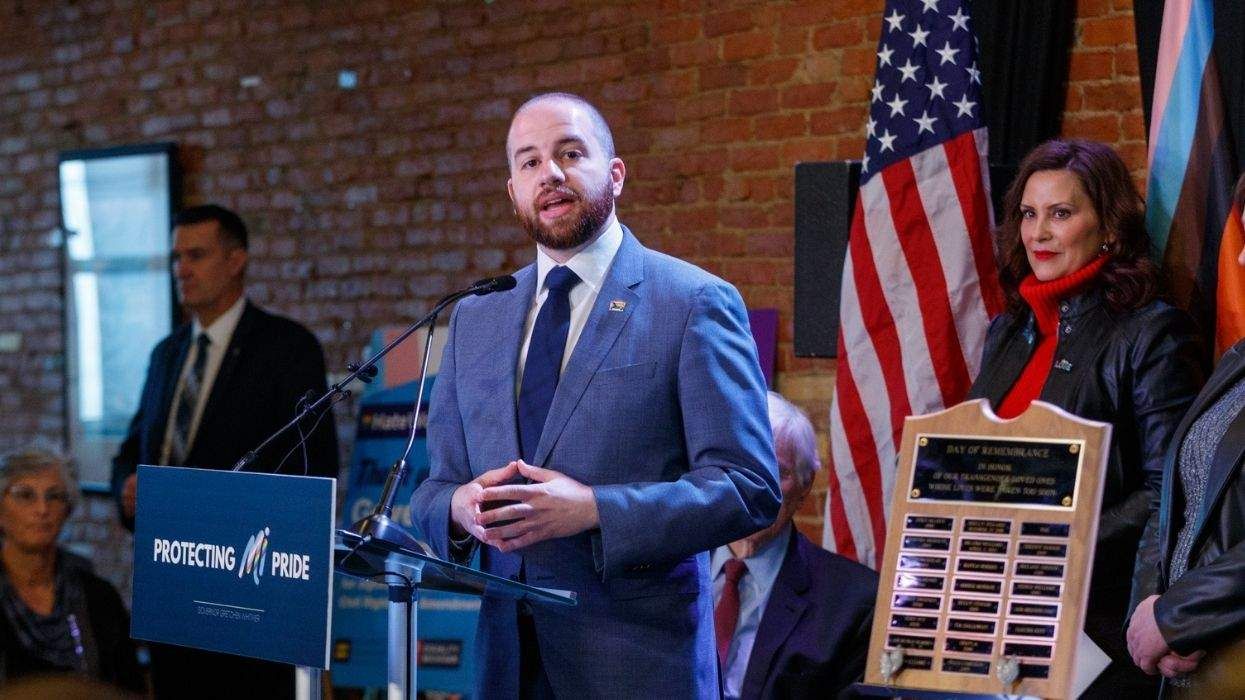
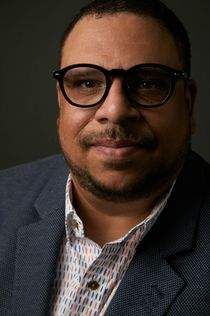
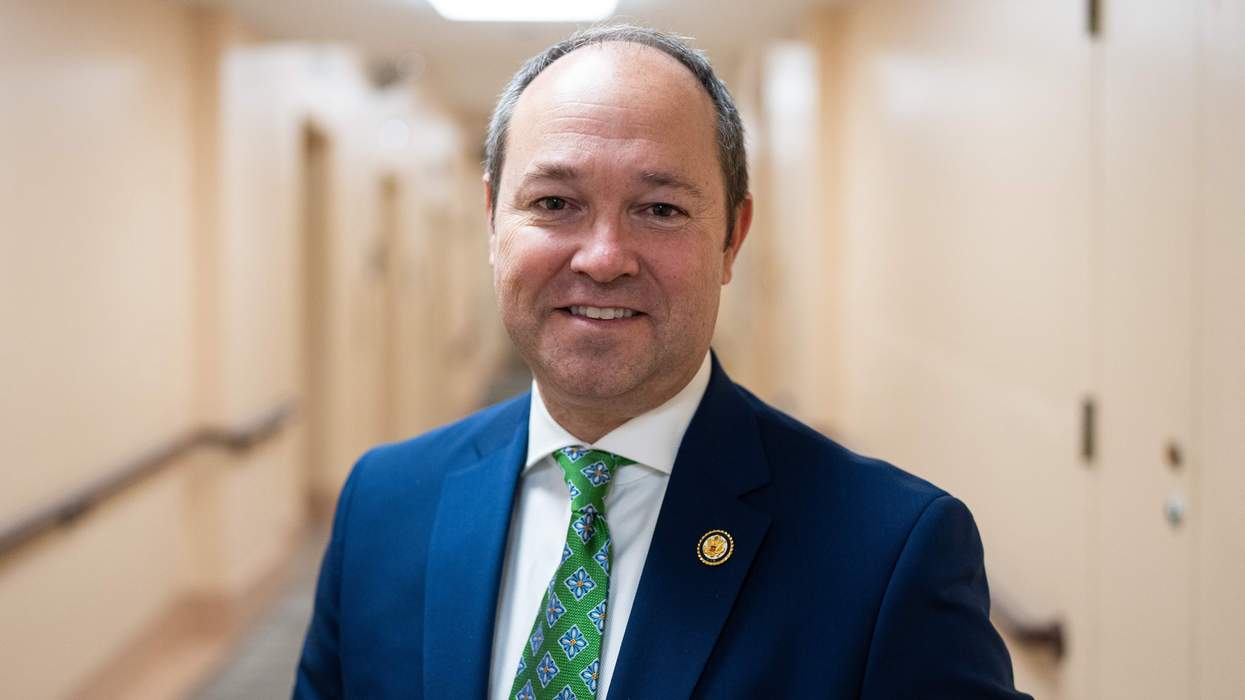
Democratic Michigan state Sen. Jeremy Moss isn’t waiting for the U.S. Supreme Court to make the next move. Last week, he introduced a resolution to put the repeal of Michigan’s constitutional same-sex marriage ban on the 2026 ballot.
Keep up with the latest in LGBTQ+ news and politics. Sign up for The Advocate’s email newsletter.
Moss told The Advocate that he is also running for Congress, seeking to represent Michigan’s 11th District and become the first out LGBTQ+ member of the state’s congressional delegation. That dual track, he suggested, reflects both the urgency of the moment and the stakes for queer Michiganders whose rights hinge on fragile federal precedent.
Related: Jim Obergefell celebrates U.S. Supreme Court’s rejection of Kim Davis’s marriage equality challenge
“Marriage equality in Michigan only exists because of Obergefell,” Moss said. “If a future case should overturn Obergefell, it goes right back into that language that has existed in our Constitution since a public vote in 2004.” Michigan’s 2004 amendment remains among the most restrictive in the country, banning not only same-sex marriage but also civil unions.
The urgency sharpened on Monday when the Supreme Court declined to take the appeal of former Kentucky clerk Kim Davis. LGBTQ+ legal observers welcomed the decision but saw no assurance that the court considers marriage equality settled. As The Advocate reported, the court’s move sidestepped the issue rather than signaling consensus, especially after some conservative justices in recent years have suggested openness to revisiting Obergefell.
Related: U.S. Supreme Court denies hearing in Kim Davis’s marriage equality challenge
“We know how the Supreme Court operates,” Moss said. “Are the conservatives looking for a stronger case? Will a future court decide differently? We cannot let the whims of the current or future court dictate our destiny.”
Moss, Michigan’s first out gay state senator and one of seven LGBTQ+ legislators in Lansing, introduced the resolution knowing it would require a two-thirds supermajority in both chambers to reach voters. Democrats have a narrow 19–18 edge in the Senate with one vacancy, and Moss said he has all Democrats on board. Now, he’s working to persuade Republicans that the state’s 20-year-old ban is no longer defensible.
“This is out of step with where Michiganders are,” he said. “This is out of step with where Republicans are here in our state.”
A recent Detroit Free Press analysis reported that Michigan residents’ support for legal, recognized same-sex marriage continues to be strong, with national-level polling data showing 68 percent in favor, 30 percent opposed, and 2 percent unsure in Michigan. Earlier polls have similarly found that approximately two-thirds of Michigan adults support same-sex marriage, a clear majority in a state whose constitution still defines marriage as “the union of one man and one woman.”
Related: Gov. Gretchen Whitmer Signs Michigan's LGBTQ+ Protections Into Law
Moss said he has spoken with Trump voters who support LGBTQ+ marriage rights and with GOP colleagues who view the issue differently than they did two decades ago. Still, he warned that queer people who have aligned themselves with the far right may be underestimating the risks.
“If Obergefell is overturned, I don’t see Donald Trump stepping out to call for a national marriage law,” Moss said. “Those unions will be dissolved.”
For Moss, this isn’t theoretical. “I’m not [married], but those literally are my rights on the line,” he said. “My destiny of a future marriage would be dictated by whether or not this language in our Constitution remains unconstitutional.”
He emphasized that the lived reality of LGBTQ+ families has reshaped public opinion. “People have neighbors who are gay and married, co-workers who are gay and married, family members who are gay and married,” he said. “They mow the lawn, they send their kids to school, they build a home just like anybody else.” The old claims that same-sex marriages were “strange” or “immoral,” he added, collapse in the face of familiarity and decades of visibility.
Related: Some Michigan GOPers want to outlaw online porn — plus depictions of trans people or drag
If Republicans block the resolution, Moss said he expects Michigan LGBTQ+ groups and allies to pursue a citizen-led ballot initiative, much like the 2022 effort that restored abortion rights after the Supreme Court ended federal protections in the Dobbs ruling that overturned Roe v. Wade. “Even by elevating this and introducing it in the legislature, I hope there is urgency for folks to step up, form a committee, and see this thing through,” he said.
Moss has become a central figure in the state’s LGBTQ+ political landscape, including earlier this year when he confronted a Republican lawmaker who introduced a symbolic resolution urging the Supreme Court to overturn Obergefell. When the lawmaker refused questions at his own press conference and fled the room, Moss took the podium and rebutted the claims himself. The moment went viral, triggering messages “from Seattle to Pittsburgh,” he said. “Folks were like, this is the way to fight back.”
Constituents have been pressing him for months to act, he said, pressure that only intensified after that confrontation. “I’ve had a lot of folks persistently and consistently over the last year come up to me and ask what the path forward is,” he said. The response to his resolution, he added, “has been overwhelming.”