'%3E%3Cpath d='M16.3574 35.6519H12.9537L15.0491 18.8873L16.3574 35.6519ZM30.4229 54.0093L22.309 0.994385H7.91795L0 54.0093H10.6634L11.5802 46.3855H17.4014L17.9914 54.0093H30.4229Z' fill='%23971B20'/%3E%3Cpath d='M48.2073 41.8813C48.2073 43.4049 47.4892 44.0011 46.1144 44.0011H43.7595V11.0687H46.1144C47.4892 11.0687 48.2073 11.6636 48.2073 13.1885V41.8813ZM59.5273 43.6695V11.3326C59.5273 3.71323 53.5729 0.994385 47.8157 0.994385H31.7213V54.0093H47.8157C53.5729 54.0093 59.5273 51.29 59.5273 43.6695Z' fill='%23971B20'/%3E%3Cpath d='M90.183 0.994385H78.6039L75.0711 30.6157L71.9955 0.994385H59.4346L69.2474 54.0093H80.373L90.183 0.994385Z' fill='%23971B20'/%3E%3Cpath d='M107.063 42.3448C107.063 43.7359 105.951 44.5974 104.643 44.5974C103.269 44.5974 102.157 43.7359 102.157 42.3448V12.658C102.157 11.2676 103.269 10.4058 104.643 10.4058C105.951 10.4058 107.063 11.2676 107.063 12.658V42.3448ZM119.233 43.2723V11.7312C119.233 6.36384 112.952 -3.8147e-06 104.643 -3.8147e-06C96.2667 -3.8147e-06 89.9867 6.36384 89.9867 11.7312V43.2723C89.9867 48.6393 96.2667 55 104.643 55C112.952 55 119.233 48.6393 119.233 43.2723Z' fill='%23971B20'/%3E%3Cpath d='M150.976 43.9349V33.7309H139.069V42.3448C139.069 43.7359 137.957 44.5974 136.582 44.5974C135.076 44.5974 133.964 43.7359 133.964 42.3448V12.658C133.964 11.2676 135.076 10.4058 136.582 10.4058C137.957 10.4058 139.069 11.2676 139.069 12.658V21.2723H150.976V11.0687C150.976 5.70107 145.283 -3.8147e-06 136.582 -3.8147e-06C127.75 -3.8147e-06 121.796 5.70107 121.796 11.0687V43.9349C121.796 49.3022 127.75 55 136.582 55C145.283 55 150.976 49.3022 150.976 43.9349Z' fill='%23971B20'/%3E%3Cpath d='M167.478 35.6519H164.076L166.17 18.8873L167.478 35.6519ZM181.544 54.0093L173.432 0.994385H159.037L151.123 54.0093H161.785L162.704 46.3855H168.523L169.114 54.0093H181.544Z' fill='%23971B20'/%3E%3Cpath d='M205.412 10.4058V0.994385H177.081V10.4058H185.392V54.0093H197.428V10.4058H205.412Z' fill='%23971B20'/%3E%3Cpath d='M230.002 54.0093V43.9349H218.914V31.8746H226.635V21.8028H218.914V10.4058H230.002V0.994385H206.875V54.0093H230.002Z' fill='%23971B20'/%3E%3C/g%3E%3Cdefs%3E%3CclipPath id='clip0_260_7080'%3E%3Crect width='230' height='55' fill='white'/%3E%3C/clipPath%3E%3C/defs%3E%3C/svg%3E)
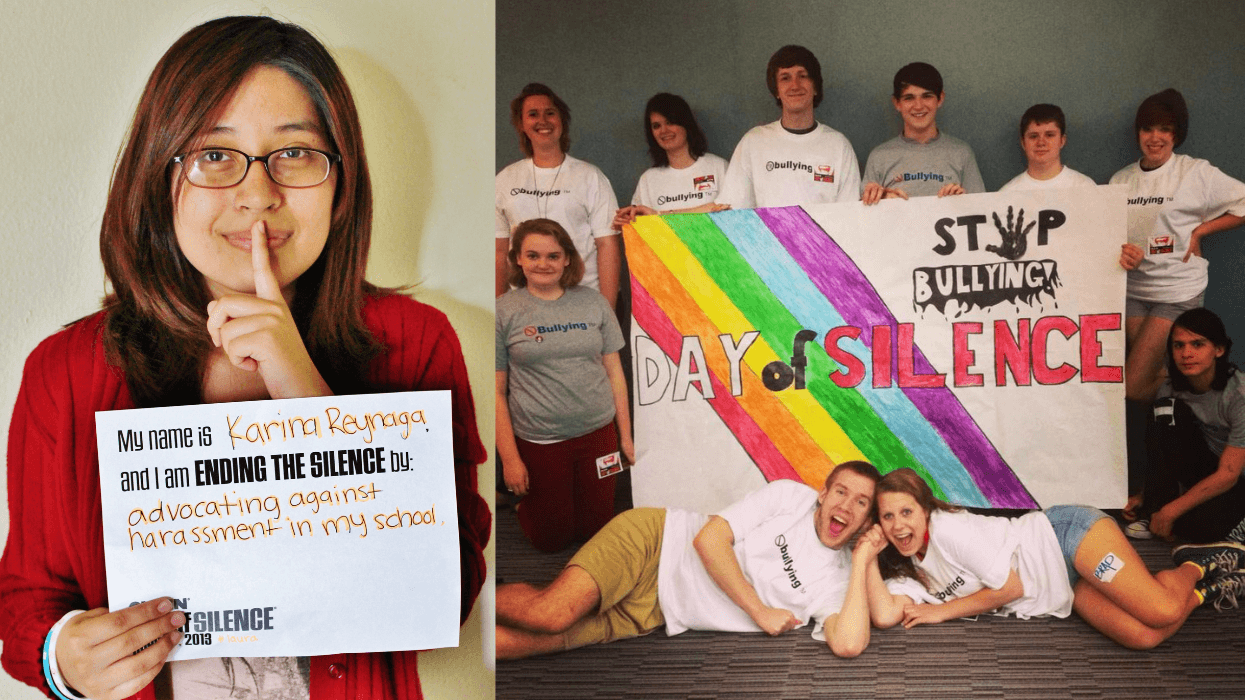

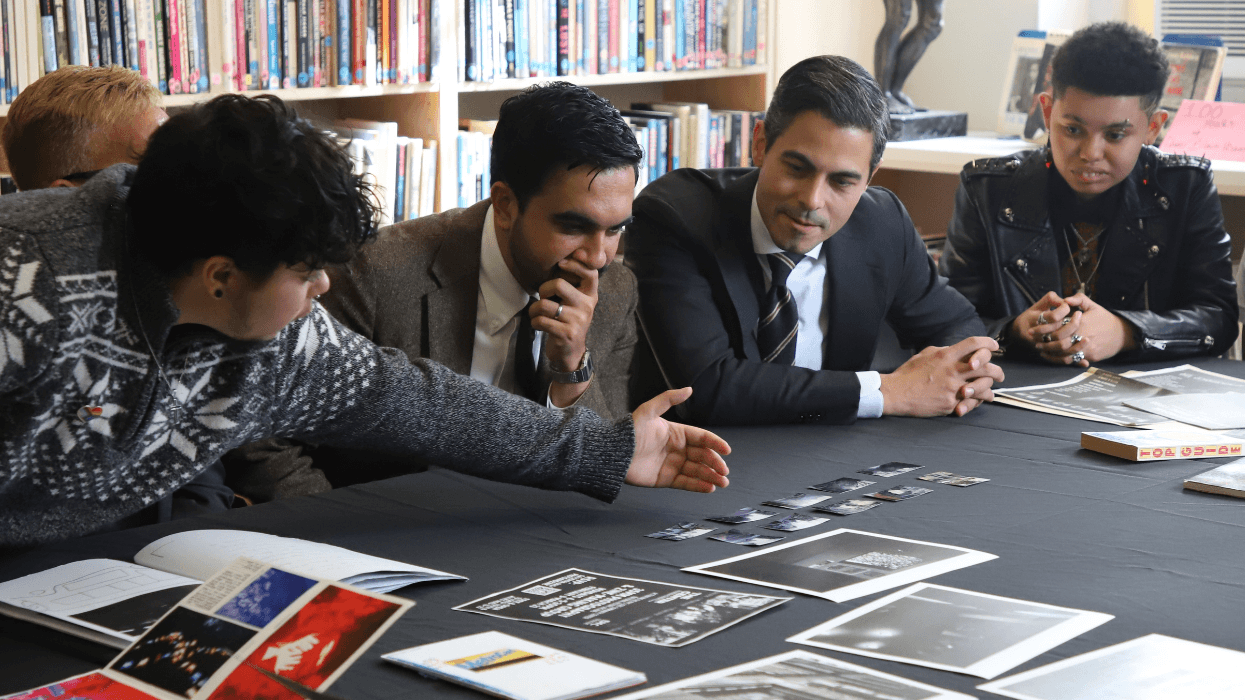
Showcased in the University of Virginia’s main hallway of the student center is a Queer History display depicting the photos from the first few years of the Day of Silence. A lot has changed since then, but not enough.
Started 30 years ago in 1996 in response to the harassment and bullying of LGBTQ+ students, two college students at the University of Virginia launched what would become the Day of Silence. The day has since turned into a global day of action. Landing annually on the second Friday of April, this year, April 10, 2026, marks a milestone that is both a cause for reflection and a measure of how much work remains.
From K-12 schools barring LGBTQ+ student expression, supportive curriculum, and providing community through clubs, we have moved back in time to 1996 and regressed some of the progress we have made in the past few decades. From the recent Chiles v. Salazar decision, which struck down protections against so-called “conversion therapy,” to Mahmoud v. Taylor, which upheld parents’ ability to opt their children out of LGBTQ-inclusive curriculum, students are finding it increasingly difficult to exercise their First Amendment right to free expression and to be authentically themselves.
The 30th anniversary of the Day of Silence arrives at a dangerous moment. The current administration has made explicit its hostility toward LGBTQ+ people in schools through rescinding Title IX, among prior executive orders, by restricting how schools recognize students' gender identities, threatening to withhold funding from schools that support transitioning students, and barring transgender youth from using restrooms and participating in sports aligned with their gender identities. Policies targeting what this administration calls "gender ideology," justifying stripping documented protective content from schools already failing to keep LGBTQ+ students safe. By doing so, they are removing LGBTQ+ young people from classrooms and from history itself. These are not abstract policy debates. These are decisions about whose lives this government will protect.
The impact is documented.
Related: Under new name, supportive schools group will help young LGBTQ+ people Glisten
Glisten's 13th National School Climate Survey, released this month, found that more than 70 percent of LGBTQ+ students experienced harassment or assault during the 2023–2024 school year. Following the 2024 elections, students reported increased hostility not only from peers but from adults in positions of authority, echoing a familiar dynamic from the 1990s when policies and rhetoric signaled that discrimination was acceptable.
For transgender students, the data is even more stark. Only 18 percent reported having supportive school policies, and many avoided bathrooms or locker rooms altogether. Without protections, students were more likely to miss school and feel unsafe, mirroring earlier decades when LGBTQ+ students were forced to limit their visibility just to participate in school life.
“I constantly had to watch how I presented myself and how much of my identity I could share. Safety for me isn't just no bullying. It's being able to exist without shrinking myself,” one of our students stated in a focus group.
These challenges are compounded for LGBTQ+ students of color, nearly half of whom reported race-based harassment. The impact is clear: two in three LGBTQ+ students do not look forward to going to school. That’s not incidental; it reflects a school climate shaped by adult decisions. As in the 1990s, when institutional silence and restriction exacerbated harm, today’s policies risk reinforcing the very conditions that research shows affirming environments can prevent.
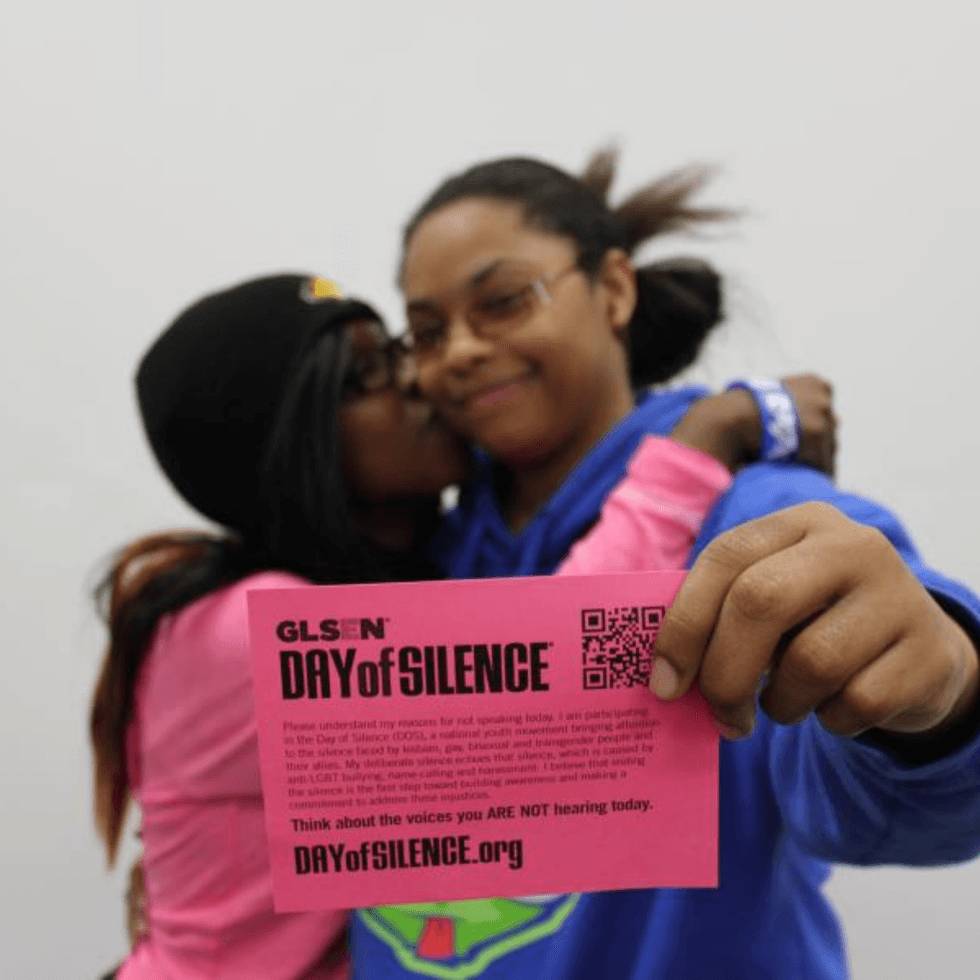 For many LGBTQ+ students, support from peers can make all the difference in navigating unsafe or unwelcoming school environments.Glisten
Many of us know this feeling from a different but similar time. Gay and lesbian adults who grew up before there was language for what we were, before a teacher intervened or a club existed or a policy said we belonged, carry that absence in our bodies. The political movement now targeting trans and nonbinary kids is the same one that targeted you in 1996. It has not changed its aims; it has changed its current target within the same community. The kids in these survey findings are navigating a version of what so many LGBTQ+ adults survived 30 years ago, in schools where we never fully belonged, and survival alone is not the standard we should be accepting for children.
Starting as a peaceful student protest 30 years ago, the Day of Silence has remained student-driven. On April 10, they will do it again, through silence, through social media posts describing their lived experiences, through events that break that silence and name what is happening in schools across this country. Showing up is how students say: we are here, and we are not disappearing. You will hear our voices.
Related: LGBTQ+ youth are building their own support systems — because schools won’t
LGBTQ+ students are not asking for special treatment. They are asking for the documented conditions that keep young people in school, out of crisis, and alive; conditions that start with belonging.
On April 10, students will mark that failure through silence. The question is whether Congress, school boards, and state legislators will respond with anything more.
Join us April 10 and interact on social media with assets here or by tagging @glistencommunity and/or using #DayofSilence. Your voice is important to us, even though others may try to silence you.
Melanie Willingham-Jaggers is the CEO of Glisten, a nonprofit dedicated to creating safe and respectful learning environments for youth of all sexual orientations, gender identities, gender expressions, race, and abilities. Learn more at glisten.org.
Opinion is dedicated to featuring a wide range of inspiring personal stories and impactful opinions from the LGBTQ+ community and its allies. Visit Advocate.com/submit to learn more about submission guidelines. We welcome your thoughts and feedback on any of our stories. Email us at voices@equalpride.com. Views expressed in Voices stories are those of the guest writers, columnists, and editors, and do not directly represent the views of The Advocate or our parent company, equalpride.