'%3E%3Cpath d='M16.3574 35.6519H12.9537L15.0491 18.8873L16.3574 35.6519ZM30.4229 54.0093L22.309 0.994385H7.91795L0 54.0093H10.6634L11.5802 46.3855H17.4014L17.9914 54.0093H30.4229Z' fill='%23971B20'/%3E%3Cpath d='M48.2073 41.8813C48.2073 43.4049 47.4892 44.0011 46.1144 44.0011H43.7595V11.0687H46.1144C47.4892 11.0687 48.2073 11.6636 48.2073 13.1885V41.8813ZM59.5273 43.6695V11.3326C59.5273 3.71323 53.5729 0.994385 47.8157 0.994385H31.7213V54.0093H47.8157C53.5729 54.0093 59.5273 51.29 59.5273 43.6695Z' fill='%23971B20'/%3E%3Cpath d='M90.183 0.994385H78.6039L75.0711 30.6157L71.9955 0.994385H59.4346L69.2474 54.0093H80.373L90.183 0.994385Z' fill='%23971B20'/%3E%3Cpath d='M107.063 42.3448C107.063 43.7359 105.951 44.5974 104.643 44.5974C103.269 44.5974 102.157 43.7359 102.157 42.3448V12.658C102.157 11.2676 103.269 10.4058 104.643 10.4058C105.951 10.4058 107.063 11.2676 107.063 12.658V42.3448ZM119.233 43.2723V11.7312C119.233 6.36384 112.952 -3.8147e-06 104.643 -3.8147e-06C96.2667 -3.8147e-06 89.9867 6.36384 89.9867 11.7312V43.2723C89.9867 48.6393 96.2667 55 104.643 55C112.952 55 119.233 48.6393 119.233 43.2723Z' fill='%23971B20'/%3E%3Cpath d='M150.976 43.9349V33.7309H139.069V42.3448C139.069 43.7359 137.957 44.5974 136.582 44.5974C135.076 44.5974 133.964 43.7359 133.964 42.3448V12.658C133.964 11.2676 135.076 10.4058 136.582 10.4058C137.957 10.4058 139.069 11.2676 139.069 12.658V21.2723H150.976V11.0687C150.976 5.70107 145.283 -3.8147e-06 136.582 -3.8147e-06C127.75 -3.8147e-06 121.796 5.70107 121.796 11.0687V43.9349C121.796 49.3022 127.75 55 136.582 55C145.283 55 150.976 49.3022 150.976 43.9349Z' fill='%23971B20'/%3E%3Cpath d='M167.478 35.6519H164.076L166.17 18.8873L167.478 35.6519ZM181.544 54.0093L173.432 0.994385H159.037L151.123 54.0093H161.785L162.704 46.3855H168.523L169.114 54.0093H181.544Z' fill='%23971B20'/%3E%3Cpath d='M205.412 10.4058V0.994385H177.081V10.4058H185.392V54.0093H197.428V10.4058H205.412Z' fill='%23971B20'/%3E%3Cpath d='M230.002 54.0093V43.9349H218.914V31.8746H226.635V21.8028H218.914V10.4058H230.002V0.994385H206.875V54.0093H230.002Z' fill='%23971B20'/%3E%3C/g%3E%3Cdefs%3E%3CclipPath id='clip0_260_7080'%3E%3Crect width='230' height='55' fill='white'/%3E%3C/clipPath%3E%3C/defs%3E%3C/svg%3E)
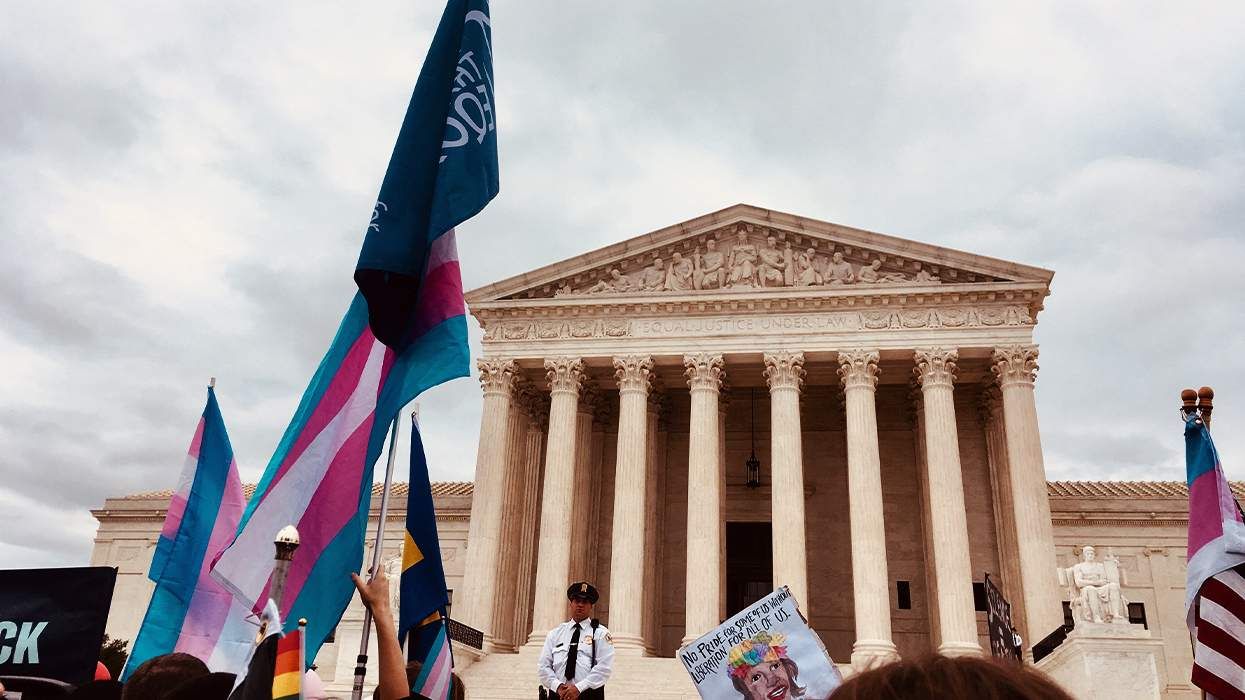

Today, the United States Supreme Court will hear arguments in two cases about whether transgender students can be banned from school sports. On paper, the question is narrow: can states bar trans girls from girls' teams and still claim to comply with the Constitution and with Title IX?
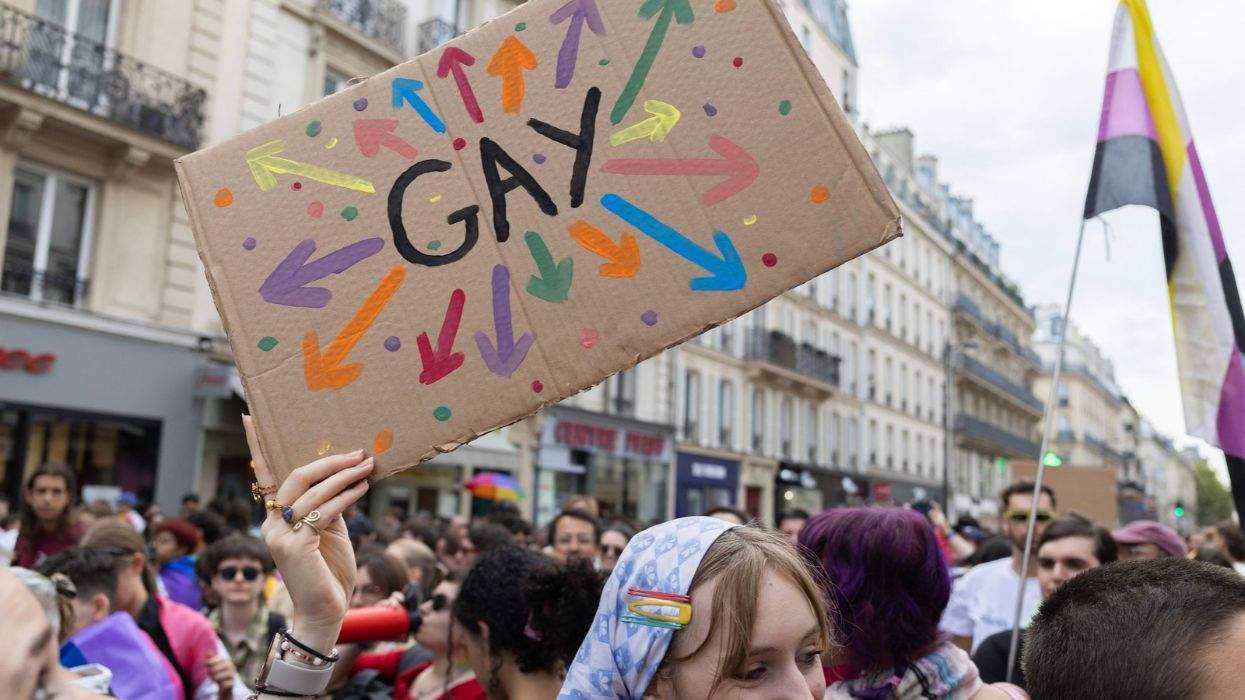
In reality, the Court will be asked to decide something much larger. Are trans people, particularly trans women and girls, legitimate participants in public life, allowed to be seen as who they are in spaces that everyone else takes for granted, like school sports?
We got here through years of coordinated effort. Since 2020, more than two dozen states have passed laws excluding trans athletes from teams that match their gender. Many of those laws invite invasive "sex verification" procedures that put every girl under suspicion if her body does not fit rigid ideas of what a girl should look like. This is not a grassroots response to a flood of trans athletes. It is a top-down campaign that has now reached the highest court in the country.
In Indiana, this moment feels less like a shock and more like the next logical beat in a script we have been watching for years. In 2022, the state legislature passed a ban on trans girls in K–12 sports, complete with speeches about "fairness" and "protecting girls." When that was not enough, lawmakers came back with a bill to expand the ban to college sports—even as the president of the NCAA told Congress that the number of trans women competing in collegiate women's sports nationwide is in the single digits. Lawmakers who could point to only a handful of athletes still rewrote the rules for every college player in Indiana. The target is not an actual crisis on the field. The target is visibility.
In the 1990s, I was running a gay nightclub on Long Island while the AIDS crisis was still being used as a political talking point. Gay men were framed as a walking contagion. Queer nightlife was described as a threat to family values and public order. Police harassment was common. Politicians talked about cleaning up entire communities of people who were trying to build a fragile sense of safety in a hostile world. The script is the same, only the cast has changed.
Back then, the panic was about bathhouses and bars. Today, it is about locker rooms and school teams. The language has shifted, but the tactic remains the same: inflate a vulnerable group into an existential threat and campaign to defeat them.
What is unfolding now around trans sports bans is not a good-faith policy debate about fairness. It is a visibility war built on a dual strategy: erase trans lives from everyday spaces, and amplify the fight against them in the spotlight.
These laws erase trans representation from school sports, restrict access to bathrooms and locker rooms, eliminate discussion in classrooms, ban books, and reach into health care. When trans people are pushed out of these spaces, their presence becomes rarer and more precarious. Meanwhile, every new bill and hearing becomes an opportunity for sound bites and fundraising emails. The supposed crisis stays in the spotlight, even as the people it concerns are being shoved offstage.
If these laws were really about safety or fairness, we would see serious evidence. We would see data, impact studies, and a willingness to adjust policy when facts do not match fear. Instead, they function as a distraction and fuel.
It is easier to convince people that a trans girl on a volleyball team is the real threat than to explain why rent keeps going up, why health care is still unaffordable, or why children keep practicing active shooter drills. A fight over gender ideology costs politicians nothing with their donors and keeps supporters emotionally engaged. Right-wing legal groups, media outlets, and advocacy organizations raise millions of dollars from these fights. They draft model bills, file lawsuits, flood local meetings, and then send out fundraising emails taking credit for the chaos. A permanent culture war guarantees permanent relevance.
Beneath all of that is something even darker: the urge to control people's bodies and lives. Anti-trans policies are not only about sports teams. They reach into health care, identity documents, school curriculum, travel, and even something as basic as who can use a bathroom without being challenged. They send a clear message that the state can define who you are, what your body means, and where you are allowed to exist.
Meanwhile, the human cost of these policies is not theoretical. A 2023 Trevor Project survey found that 86 percent of trans and nonbinary youth said public debates about restricting transgender rights negatively impacted their mental health. Some students are abandoning sports altogether rather than risk being singled out, questioned, or humiliated. Even those who are not directly affected by a specific ban hear the message loud and clear: you do not belong here. You are a problem to be solved, not a person to be protected.
Indiana's new college sports ban, which took effect last year, is a perfect example. It affects a tiny number of potential athletes, yet it sends a huge signal. To trans students, it says that their presence on a team is intolerable. To colleges, it says that compliance with an ideological agenda is more critical than inclusion. To voters, it is packaged as proof that leaders are "doing something," even as real problems in the state remain unsolved.
As someone who experienced harassment while running a gay nightclub during a turbulent era for the queer community, I know what it feels like to be cast as a threat while you are just trying to survive. I remember the weekly checks of our liquor license by police, the headlines, the sermons that treated queer lives as a public danger. I also remember what it meant to walk into a space where you were not a problem to be debated, but a person with dignity, allowed to exist.
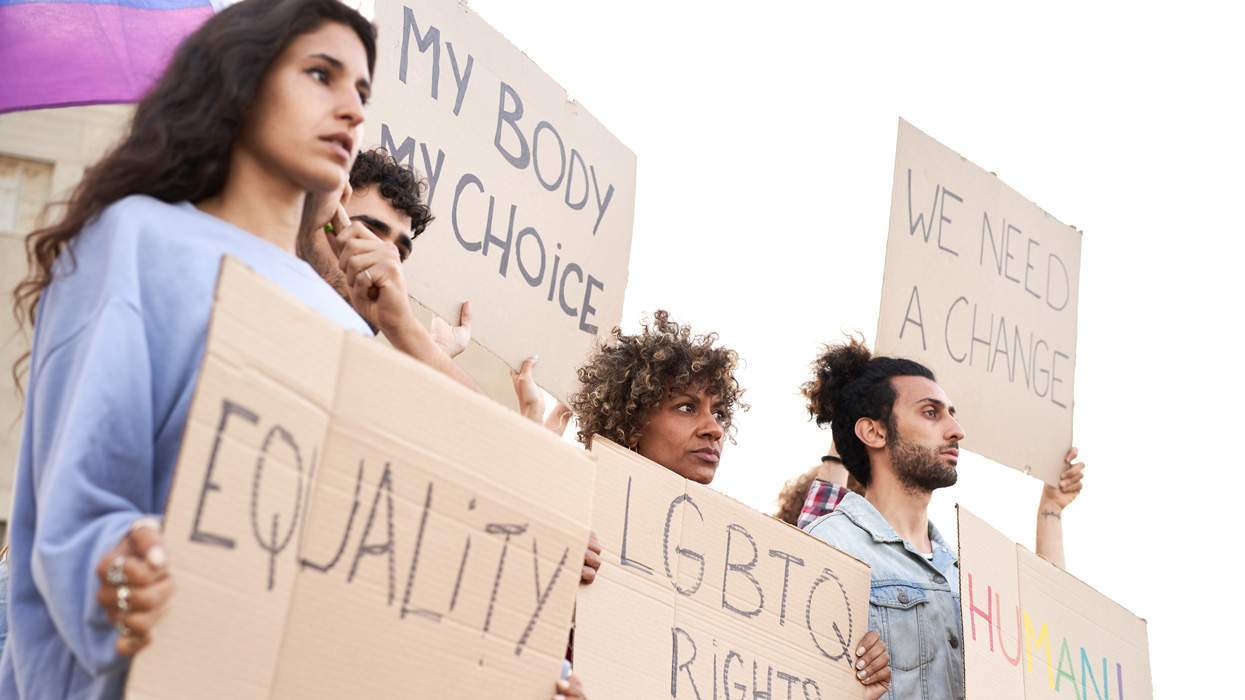
That is what is at stake here. Not just who can join which team, but who is allowed to move through this country without constantly defending their right to be seen.
For those of us who are cisgender and queer, it might be tempting to think that at least the panic is not focused on us anymore. That is a dangerous illusion. The same machinery that once targeted gay men and queer nightlife is now aimed at trans people. If it succeeds, it will not stop there. Once a government normalizes erasure, it will always find another target.
This was never about sports. It is about who gets to exist in public. And that fight belongs to all of us.
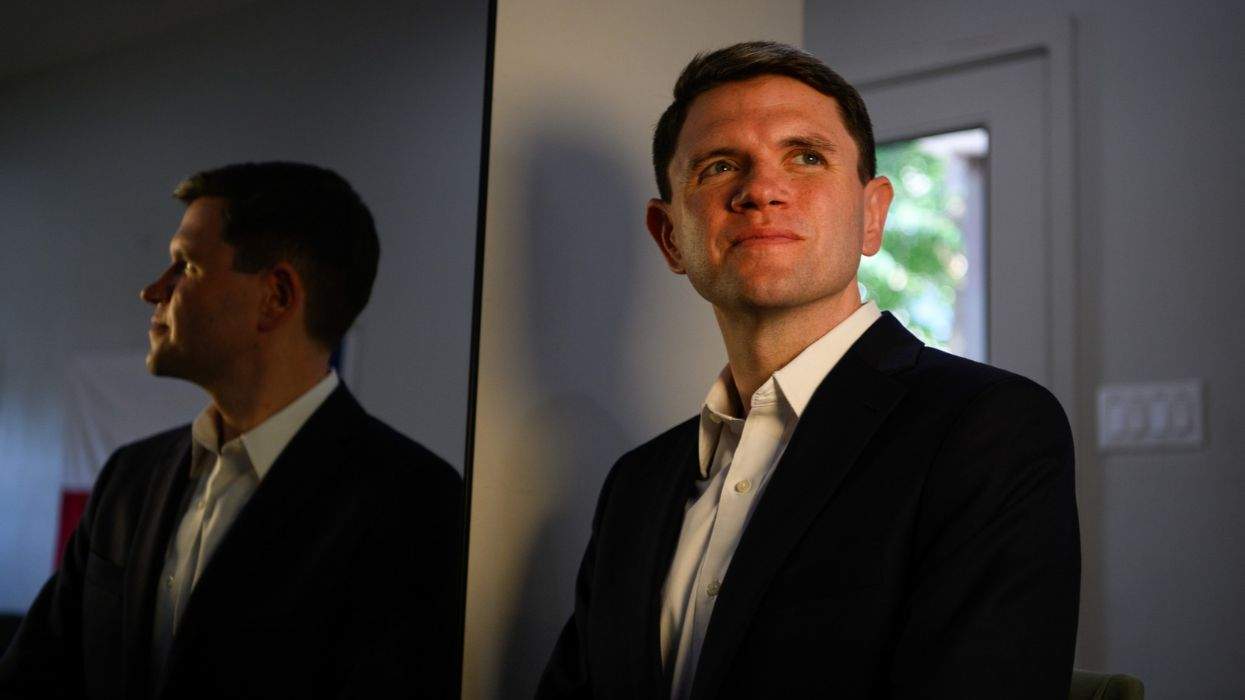
Henry Kurkowski is a writer, author, and tech entrepreneur whose work has appeared in outlets such as Forbes, Newsweek, Writer’s Digest, and Uncloseted Media. His writing examines culture, LGBTQ+ visibility, and the rhetoric that turns marginalized people into political targets.
Opinion is dedicated to featuring a wide range of inspiring personal stories and impactful opinions from the LGBTQ+ community and its allies. Visit Advocate.com/submit to learn more about submission guidelines. We welcome your thoughts and feedback on any of our stories. Email us at voices@equalpride.com. Views expressed in Voices stories are those of the guest writers, columnists, and editors, and do not directly represent the views of The Advocate or our parent company, equalpride.